
24 Essential Tips To Get To Know Vietnam Better
If you are considering ticking Vietnam off your traveling list, look at 24 essential pieces of advice from our travel experts.
Visiting a country for the first time can be quite daunting as there are many things to consider. If you are considering ticking Vietnam off your traveling list, maybe consider reading this. It will surely be necessary to know these tips before your Vietnam trip here.
1. Spend At Least 10 Days in Vietnam
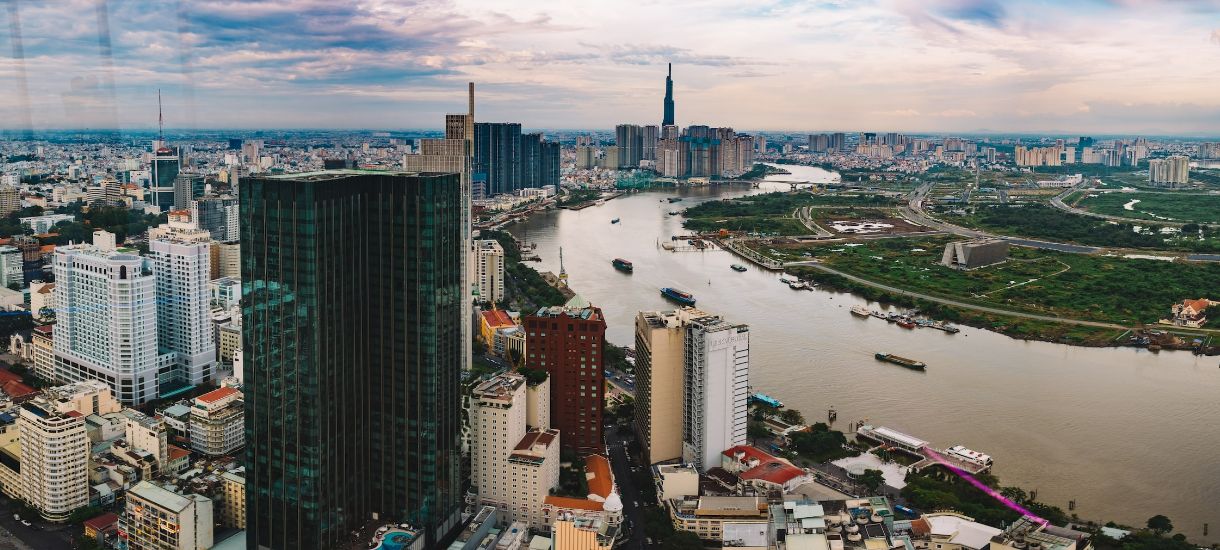
Vietnam has a distinctive culture, with many ethnic groups coexisting as well as the characteristics of each region contributing to the traits of its people. Nature, in particular, is a captivating aspect of Vietnam for you to discover.
A trip of 10 - 12 days is quite enough for exploring Vietnam. A month is ideal. But, of course, go for as long as you want, because each trip can be a unique experience you will remember for a long time. (Photo: Ho Chi Minh City, Vietnam's most bustling city)
2. Learn Some Simple Vietnamese Words
.jpg)
Vietnamese is more difficult to learn than English because there are many tones, difficult pronunciation, and complicated grammar. Teaching Vietnamese to foreigners necessitates the use of appropriate methods to assist them in understanding and communicating in Vietnamese (Photo: woman selling Banh Ran in the northern mountain of Vietnam.)
Learning some simple words is never a bad idea. Vietnamese people love it when you can speak their difficult language. Below are some common phrases you can use in Vietnam:
- Hello = Xin chào (Sin chow)
- How are you doing? = Bạn khoẻ không? (Ban kwae kong)
- I’m fine, thank you = Tôi khỏe, cảm ơn. (Toy kware, cam on)
- Thank you = Cảm on (kahm uhn)
- Sorry = Xin lỗi (Sin Loy)
- No Problem = Không có gì (Khong koh zi)
- Goodbye = Tạm biệt (Tarm Byeet)
- No, Thank You! = Không! Cảm ơn (Khom, kahm uhn)
- How old are you? = Bạn bao nhiêu tuổi (Ban ban nyew twoi)
- I am __ years old = Tôi ___ tuổi (toy ___ doyy)
- What is your name? = Tên bạn là gì? (Ten bang la zi)
- My name is ___ = Tên tôi là ___ (Ten toy la ___)
- How much? = Bao nhiêu tiền? (Bao new tian?)
3. Weather Changes By Regions

Vietnam's north might almost be a year-round tourist destination. The best time to travel the north is from Feb-April, and from late Sep-Dec with cool winds, and mild sunny days. Summer, from June to August, on the other hand, is hot and humid weather making it uncomfortable for outdoor activities (Photo: Cat Ba Island in North Vietnam on a sunny day)
January to June is the best time to visit the Central region when the days are beautiful and dry making it ideal for sightseeing. It's also a great time to go cave exploring and relax on white sandy beaches. However, storms are seen in the Central region during the rainy season, especially from July to October.
The best time to visit the South is from December to April. April to June is the fruit season when street vendors sell many kinds of fresh fruits on the streets. The rainy season is from June to November but it often rains in late afternoon and lasts for a couple of hours so this is still a good time to visit the South.
4. Vietnamese Nature is Abundant. See Them As Much As You Can

Coming to the North of Vietnam, visitors will discover and visit the ravishing natural landscapes. Here lies the capital city - Hanoi, the UNESCO Heritage Site of Halong Bay, and Mu Cang Chai, considered the most colorful destination in the world according to Cntraveler. The northern mountains in Vietnam are said to have desirable tourist destinations for travelers to discover and enjoy its majestic nature.
With the advantage of being adjacent to the sea and a coastline, the central coast and southern provinces boast some of the most untouched beaches in Vietnam. Besides, the West offers distinct and special activities for every season to provide you with the most intriguing and enjoyable experiences (Photo: Terraced rice fields in Mu Cang Chai).
5. Ride-Hailing Is Popular
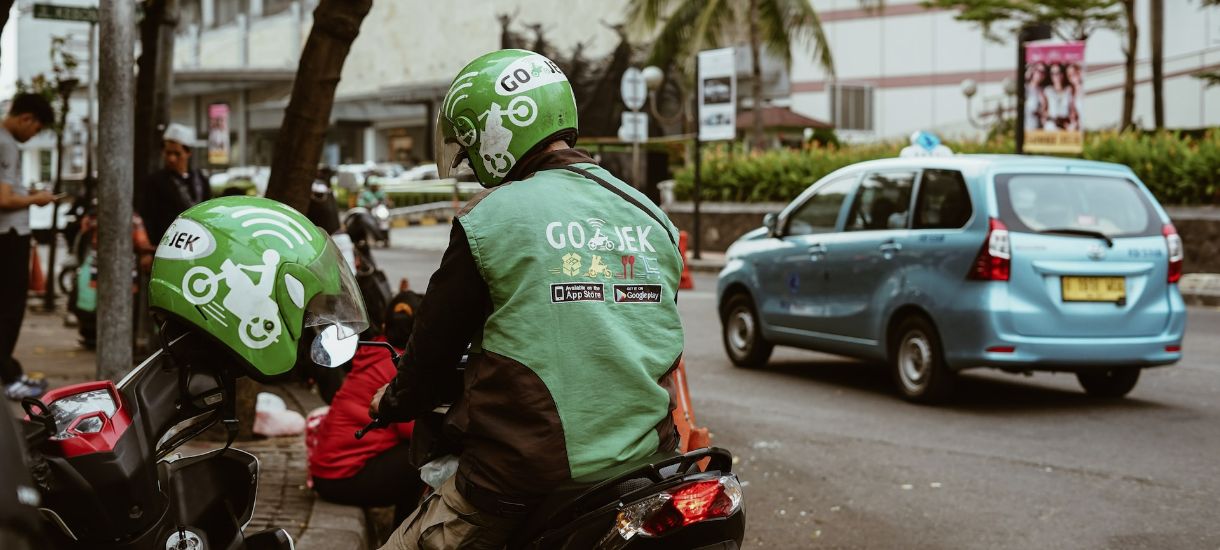
Rade-hailing is popular in Vietnam, such as Grab, Gojek, GoViet, or Be. Moreover, there are traditional taxi brands that you can see everywhere on the streets of Vietnam which Mai Linh Taxi and G7 Taxi have been trusted the most. They also have developed an app for you to download. GSM Taxi is the first electric taxi brand in Vietnam for those who are concerned about the environment. While traditional taxi prices are fixed, the taxi price on apps varies depending on the time of day, and the price is higher when it rains.
People who like to be more flexible can think of mobile taxi service which is popular in apps as well. Mobile taxi costs only about $2-$3 for each booking if you travel in the city only.
6. There Are 4 Vietnamese Domestic Airlines
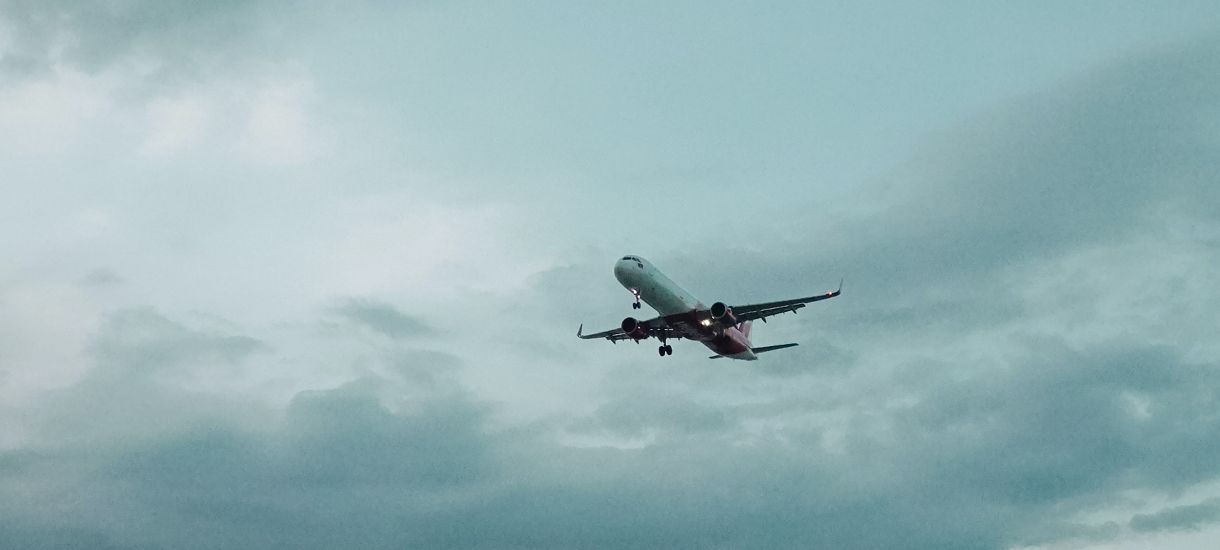
Vietnam has 4 domestic airlines that you can choose to travel with. Vietnam Airlines (VNA) is a government-owned airline that operates the most domestic flight sectors, with hundreds of flights per day. Pacific Airlines (BL) is a branch brand of Vietnam Airlines aiming at the low-cost market segment and is a relatively old airline. VietJet Air (VJ) is quite affordable with rather good quality for its price. Bamboo Airway (QH) is a rather new airline in recent years which delivers pretty good service.
If you don’t have to worry about budget, it is recommended that you fly with Vietnam Airlines or Bamboo Airways.
7. The VND 20,000 Note And VND 500,000 Note Look Quite Similar
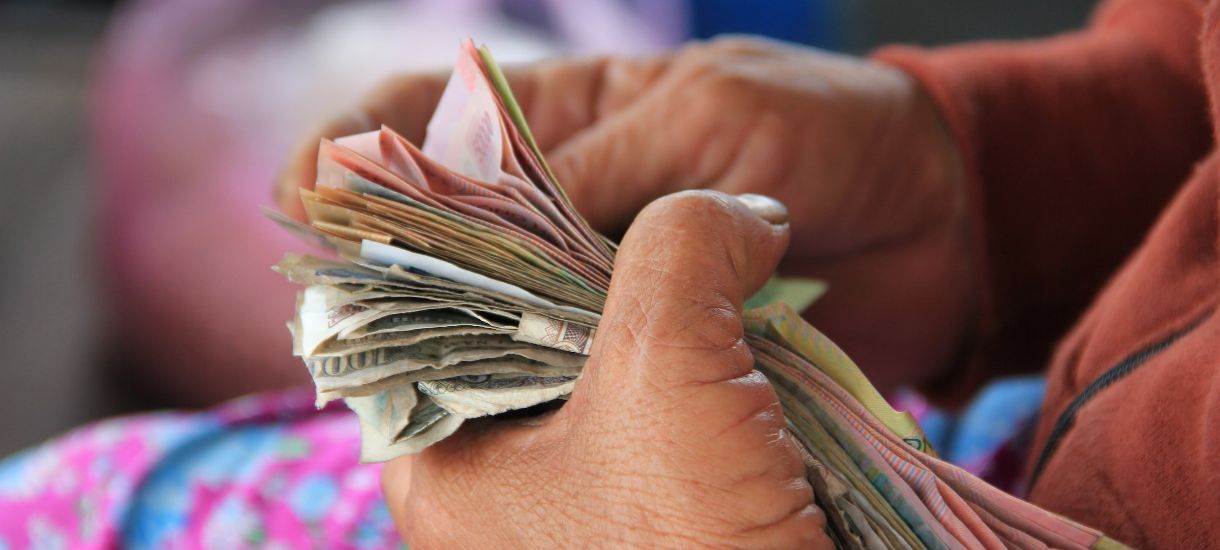
The official currency of Vietnam is the Vietnamese Dong. There seem to be a lot of denominations in Vietnam, and the most commonly used are VND 10,000, VND 20,000, VND 50,000; VND 100,000, VND 200,000, and VND 500,000. Money can be changed in banks, airports, hotels, and money exchange stalls. Bear in mind that if you are traveling to the mountainous or remote provinces, it is advised to always carry cash.
The VND 20,000 note and VND 500,000 note look quite similar. Look twice before you pay.
8. Study Local Etiquette
It is important to keep in mind to be aware of what the culture values, you can avoid doing things that are in opposition to those values. Coming here, consider refraining from being arrogant or boastful about your wealth, and choosing your attire carefully when going outside. Provocative text or symbols on tank tops, shorts, or shirts may be considered offensive. You should dress simply, especially if you are going to rural areas or places where life is still difficult. Furthermore, respect for the elderly is widely seen across generations so be sure to give honor and appreciation to them when possible.
9. Accommodations Is Easy To Book
.jpg)
There are numerous hotels to choose from in big cities such as Hanoi, Saigon, Nha Trang, Da Nang, Hue, and Hoi An. Airbnb is popular at these places for you to consider if you want some local touches. It is advisable to take into account the price, facilities, location, and customer feedback of your rental property thoroughly.
If you are looking for a beach resort during your stay, Vietnam has many magnificent ones that may be a fantastic option. You will be overwhelmed by the luxuries as well as the splendor of romantic scenes here and understand why these places are considered the most beautiful beach resorts in Vietnam. (Photo: Avana Retreat in Mai Chau, Vietnam)
10. Traffic in Vietnam Is Chaotic But Organized In Its Own Way
.jpg)
You might have heard of Vietnam traffic being quite wild and dangerous and is said to be a shocking experience for foreigners. This mostly occurs in large cities across the country during busy hours, especially Hanoi and Saigon (or Hochiminh City). You might see locals passing through anywhere on the roadside, but please follow the road markings once you are on the streets.
Because of the difficult roads in mountainous areas, it is best to avoid self-driving during the rainy season. Also, because of the narrow mountain road and numerous unexpected turns, self-driving is not encouraged.
11. Vietnam Is Safe
Vietnam is a safe destination for all visitors due to the rarity of protests. There have been no terrorists in the decades since unification. Even during major political events, such as visits by foreign presidents, the security order in Vietnam is always 100% guaranteed. Additionally, the rate of theft and violence in Vietnam is relatively low. You can absolutely go for a nighttime walk without fear. As a result, because of the country's safety, tourists can travel freely without fear of security issues and is one of the ideal places for women to travel solo in South East Asia.
12. Three Types of Visas You Should Be Aware of
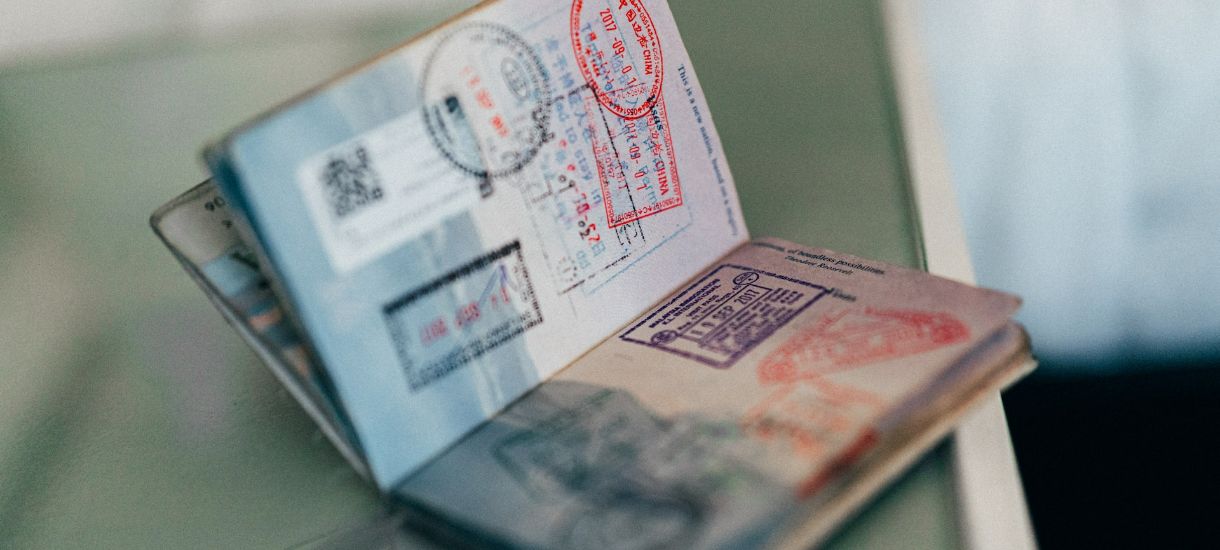
There are three types of visas to be considered when visiting Vietnam:
- E-Visa: a visa type that can be issued online. It is only valid for 30 days for foreigners to enter Vietnam once (01) for tourism purposes, not for commercial or business purposes.
- Visa On Arrival: This is an optimal choice for those who are far from the Embassy or in an unexpected situation. There is no regular visa processing time for this type.
- Vietnam visa: This is also known as a "ticket" for foreign citizens to enter Vietnam for tourism, work, investment, visit relatives or study abroad. One can receive this visa by requesting it at the Vietnamese consulate in the host nation or in a 3rd country.
13. Stay A Tet Holiday

Tet Holiday is a traditional New Year to mark the transition from the old to the new year, based on the lunar calendar, and while the transition between two years is only a few minutes, Vietnamese people celebrate their new year for several days. They clean the houses, buy flowers, dress in new clothes, prepare lucky envelopes, and cook the food. By experiencing the whole festival from the first preparations for Tet to the end through the popular food for Tet, New Year’s traditions, and customs, visitors can understand Vietnam thoroughly.
14. Look Out For The Food
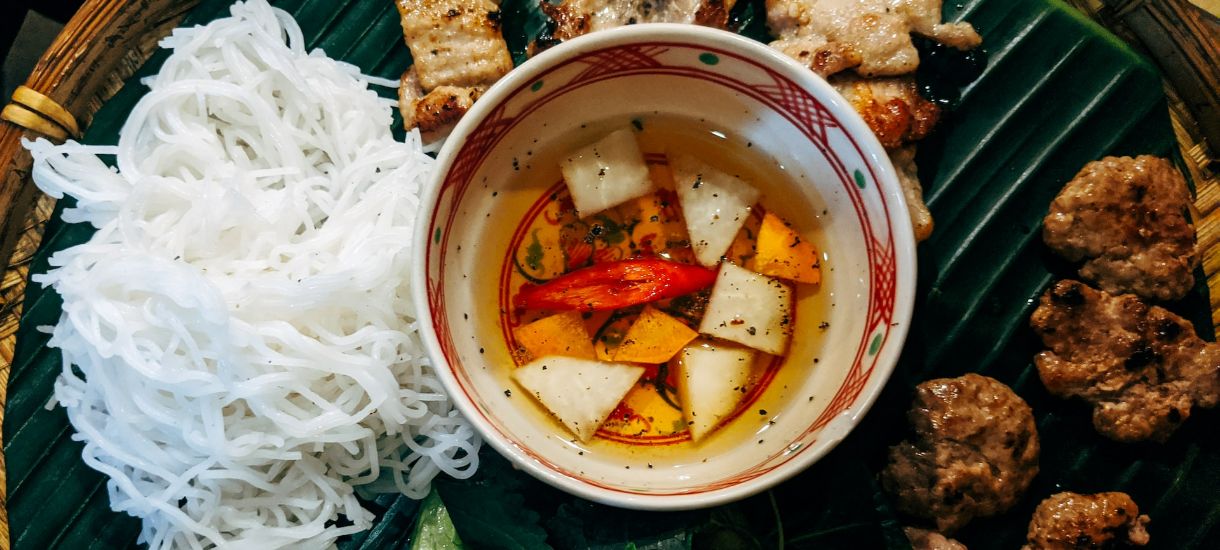
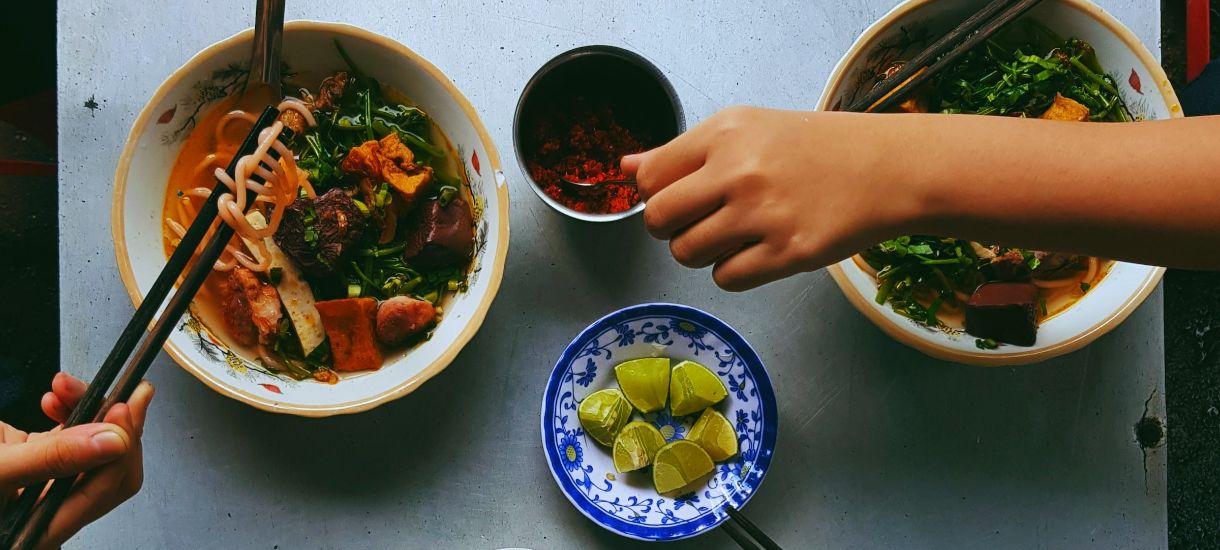
Food is taken seriously by Vietnamese people. Vietnamese cuisine culture, like historical anecdotes, has evolved dramatically with human progress over the years. Aside from the traditional recipes, different regions are creative with local ingredients, which has resulted in many delectable dishes.
Vietnamese cuisine is truly unique in its approach to making food that is not overly spicy, sweet, or fatty while remaining extremely delicious. American late chef Anthony Bourdain reintroduced the world of Vietnamese street food. People from all over the world, inspired by his shows, have traveled to Vietnam for its food. In June 2023, Michelin awarded the four restaurants in Hanoi and Ho Chi Minh City with one star for the first time to honor the country's culinary quintessence.(Photo: Bun Cha, Hanoi's culinary jewel).
Therefore, before coming to Vietnam, make sure you plan your trip with all the food destinations in mind. It'll be the best decision ever!
15. Try A Hands-on Cooking Class
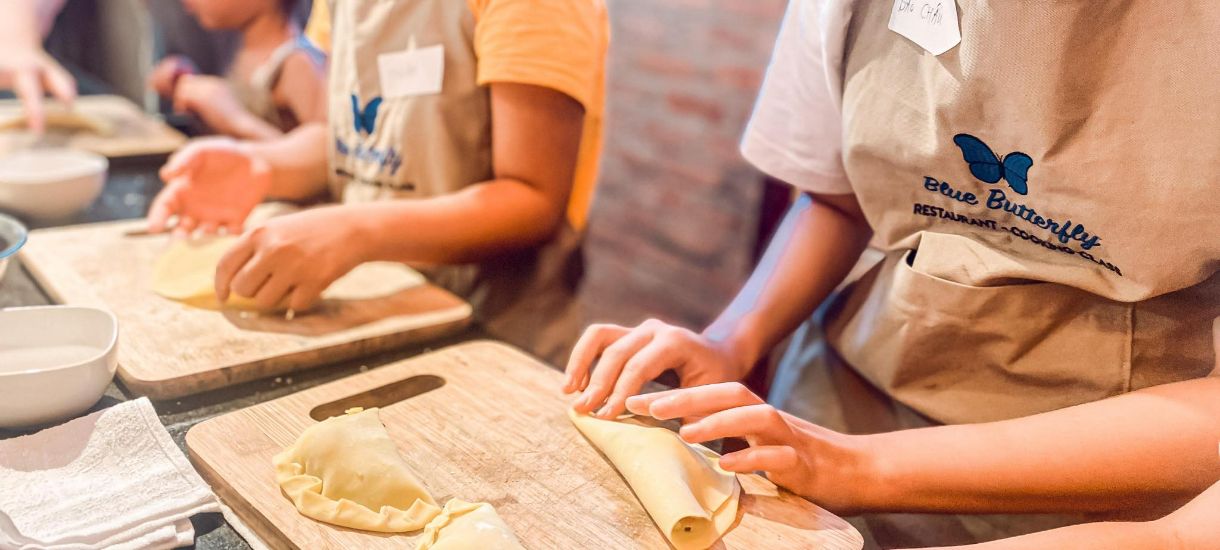
Besides savoring Vietnamese street food, visiting traditional markets and participating in a cooking lesson can be an extraordinary experience. Not only can you have a lot of fun, but you can also bring home some Vietnamese recipes. It is best to have the class with a local chef so that your effort will be as close and as tasty to the authentic ones as possible.
16. Sit On The Sidewalk And Drink Coffee

Coffee culture has become a concept so dear and close to the Vietnamese people. Looking at the streets in Vietnam, it is not uncommon to see people on sidewalks sipping iced coffee leisurely throughout the day. Even though the country has changed over the years, traditional coffee remains the same. The highlands, Buon Ma Thuot for example, produce the best coffee beans in Vietnam.
17. Cruising Through Ha Long Bay Is A Must

The UNESCO Heritage Site of Halong Bay is known as a must-visit place once in lifetime. Coming here, you will see the breathtaking scenery of thousands of rocky islands emerging from the turquoise water. And hidden in the mountain's heart are magnificent caves that will captivate anyone who visits for the first time. Embark on one of the most luxurious Halong Bay cruises that offer unique routes to explore the bay at its best.
18. Enjoy Life On The Mekong River

The mighty Mekong River is one of the largest rivers in the world, originating in China, flowing through Laos, Myanmar, Thailand, and Cambodia, and emptying into the East Sea in Vietnam. As essential to southern agriculture as it is, this region is also a cultural breeding ground for historical records, geographical features, and inhabitants. Consider taking a trip to the Mekong where you can cruise on a wooden boat, walk through villages, visit temples, and participate in hands-on experience with local traditional crafts.
19. Nha Trang Is A Popular Beach But Phu Yen Is A True Gem

Nha Trang, a coastal city in the heart of Khanh Hoa province, has long been one of Vietnam's most popular tourist destinations. However, if you want to visit pristine beaches with gorgeous sunsets of the Central region, visit Phu Yen (150 km from Nha Trang). The weather in this area is ideal for sightseeing, and authentic local life, and fresh seafood are some of the many good reasons to visit Phu Yen. (Photo: Phu Yen Beach)
20. Don’t Skip The National Parks
.jpg)
Son Doong Cave might be Vietnam’s most famous national park, but not many people know that Vietnam has 33 others. Nature's diversity has resulted in landscapes such as green forests, limestone mountains, caves, and marine ecosystems. Vietnam’s best national parks are surely ideal destinations for adventure enthusiasts and family vacations. (Photo: Tourists exploring Son Doong Cave)
21. Digital arrival card (New regulation in 2026)
If you are planning your trip to Vietnam from April 15, 2026, there is a new rule you need to know. All international travelers landing at Tan Son Nhat International Airport (Ho Chi Minh City) must now fill out an online immigration form called the Vietnam Digital Card.
To save yourself from airport headaches, keep these quick notes in mind:
- It’s not a visa replacement: This digital card is a completely separate mandatory requirement. You still need your regular visa or visa-exemption paperwork as usual.
- Everyone needs one: Yes, even if you are entering Vietnam under a visa-exemption program, you still have to fill this out.
- The 72-hour rule: The immigration department highly recommends completing the online form within 72 hours before your flight.
- Skip the airport lines: If you forget to do it at home, you can still fill it out when you land at Tan Son Nhat. However, you will have to line up in a separate area, and the wait times can be frustrating. We strongly suggest doing it before you board to get through immigration faster.
- What you’ll need: Keep your passport details, flight number, visa info (if any), and your first hotel address in Vietnam handy when filling out the form.
22. Train travel is common
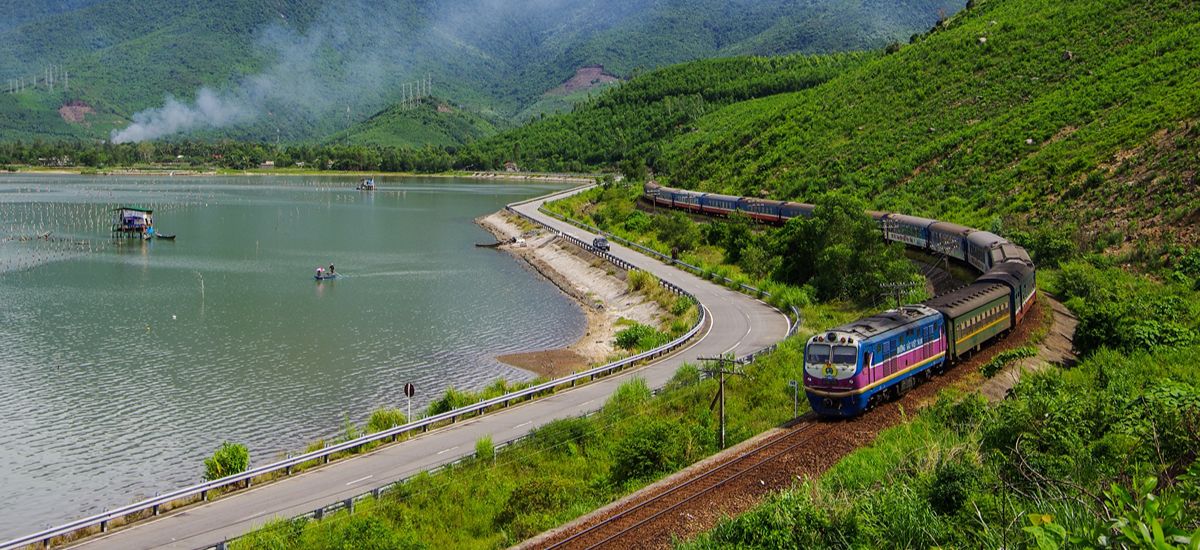
Traveling by train in Vietnam is making a huge comeback, especially for those who want to slow down and actually see the country. Instead of staring at clouds from an airplane window, a train journey rewards you with incredible views, whether it’s hugging the dramatic coastline of Central Vietnam or cutting through lush, misty mountains.
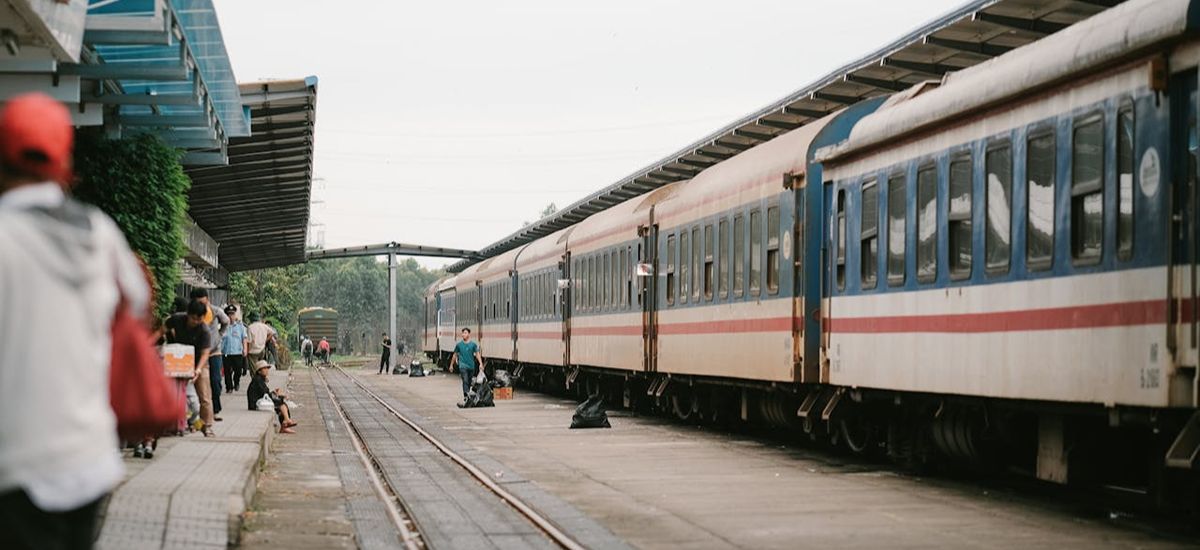
Source: Pexels
If you fancy a rail adventure, here is how to make it seamless:
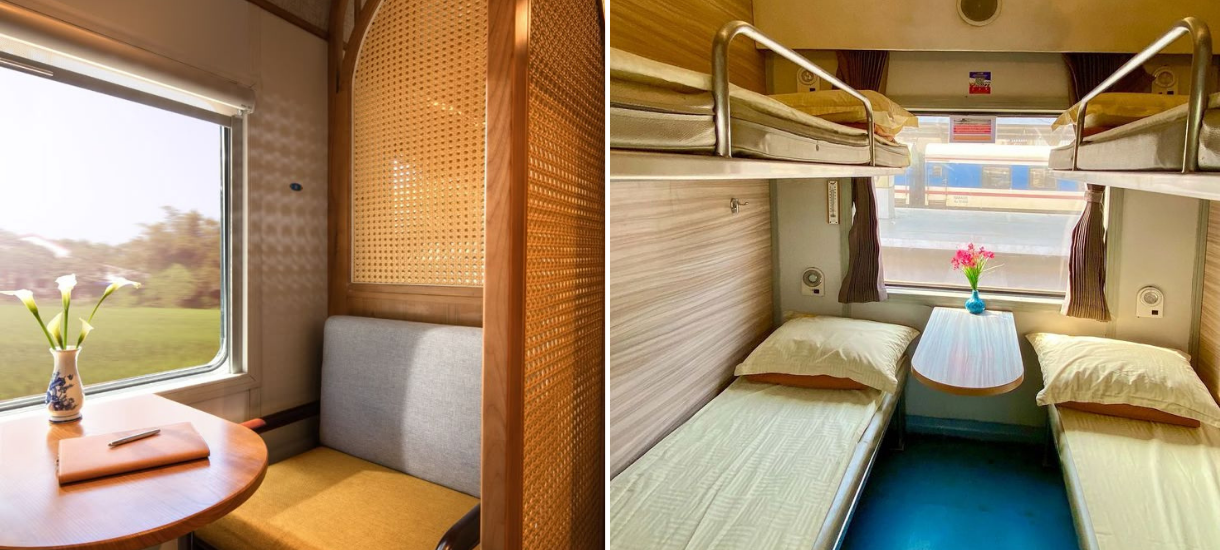
- Book way in advance: Trains are highly sought after by both locals and travelers, especially the overnight sleeper berths. Try to book your tickets at least 60 days ahead to secure a comfortable bed or your preferred seat class.
Source: Pinterest
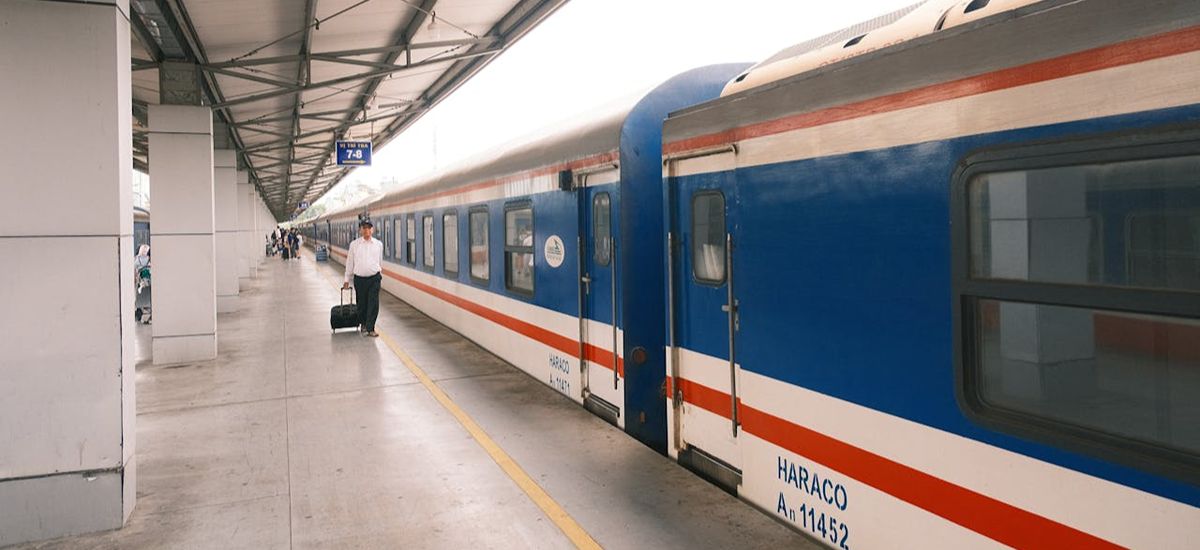
- Don’t go to the station too late: Aim to arrive at the station around 30 minutes before departure. It gives you plenty of time to find your platform and settle into your cabin without any rush.
Source: Pexels
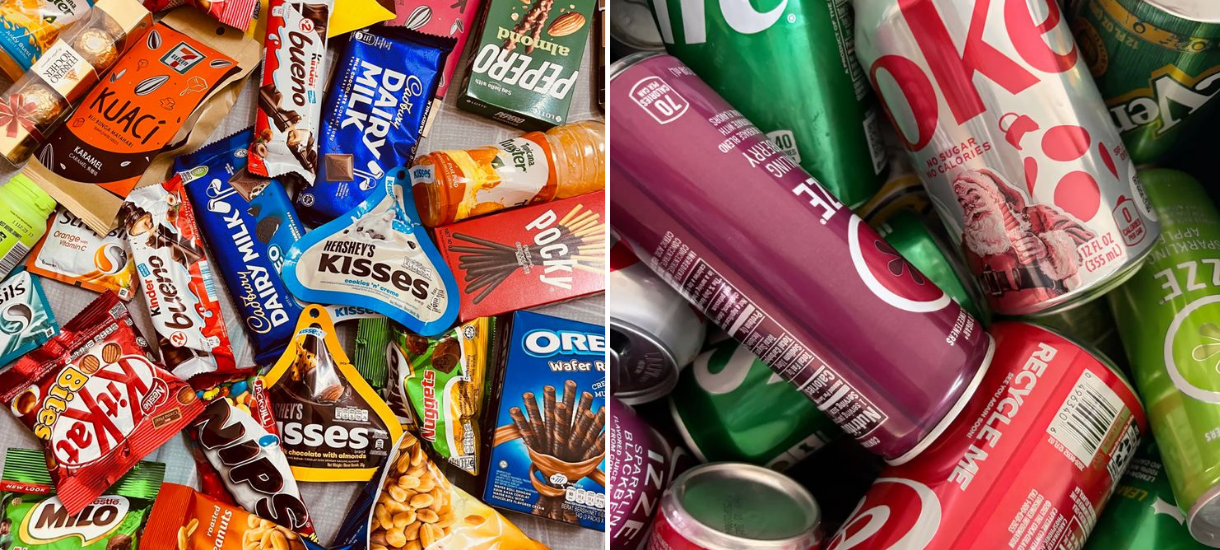
- Pack your favorite snacks: While Vietnamese trains do have catering carts and local meals, the flavors might be a bit too adventurous for some Western palates. Bringing some of your favorite snacks, fruits, or comfort food is a lifesaver for long journeys.
Source: Pinterest
- Enjoy the view: Put your phone away for a moment, grab a window seat, and watch Vietnam's rural landscapes slowly unfold. It’s easily one of the most peaceful and authentic cultural experiences of the whole trip.
Source: Tong Cong Ty Duong Sat Viet Nam
23. Be aware of scams
Vietnam is generally very safe, but digital travel has brought some sophisticated local scams. There are some common scams to watch out for before visiting Vietnam in 2026. All of the information is mentioned in the video below.
24. New Health Declaration Requirement (Start from July 1, 2026)
Source: Vnexpress International
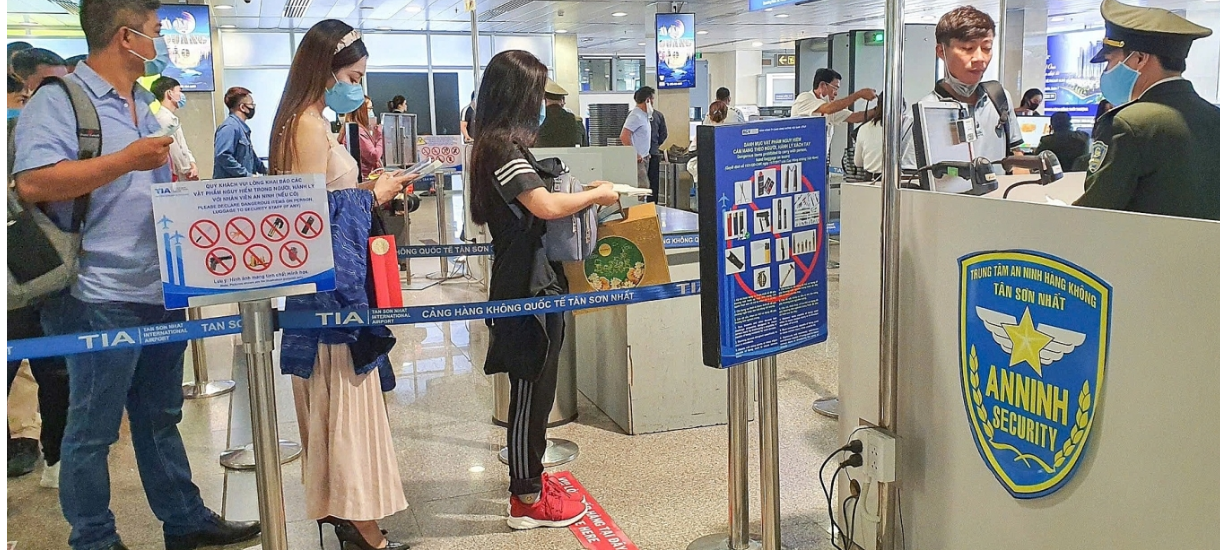
Starting July 1, 2026, all inbound, outbound, and transit travelers must complete a mandatory health declaration under Decree 165/2026/ND-CP. Here are some notes you should know it:
- Fill it out 7 days before: You can complete the form online up to 7 days before your trip. Paper forms are also available at the border, but doing it digitally saves much more time.
- Keep vaccine info handy: Keep a digital copy of your vaccine certificates in your carry-on just in case quarantine officers ask for proof.
What if you get flagged? If airport temperature scanners pick up a fever, officers might pull you aside for a quick health check. By law, these on-site medical inspections are capped at a maximum of 2 hours, so they will get you sorted and on your way as quickly as possible.
So what are your initial thoughts? Vietnam could be worth a visit in the future, don't you think? Considering many beautiful things are waiting to be discovered, come to this tropical country for a once-in-a-lifetime vacation!