

Eating Street Food in Vietnam: Small Safety Tips That Actually Matter
Safe eating in Vietnam: Essential street food safety tips for travelers. Learn how to enjoy local flavors worry-free!
Vietnamese street food is world-famous, yet food safety in Vietnam is often what makes travelers hesitate after reading mixed opinions online.
As a local living here, the reality feels far simpler. Street food feeds millions every day, and problems usually come from rushing in too fast, not from the food itself.
Source: Visit Vietnam
Eating street food in Vietnam isn’t about fear or strict rules. It’s about slowing down, watching how locals choose where to eat, and reading the rhythm of busy stalls and freshly cooked dishes, small cues that travelers often overlook, but that matter most.

Source: Pexels
What to Look for When Eating Street Food in Vietnam
Follow the locals
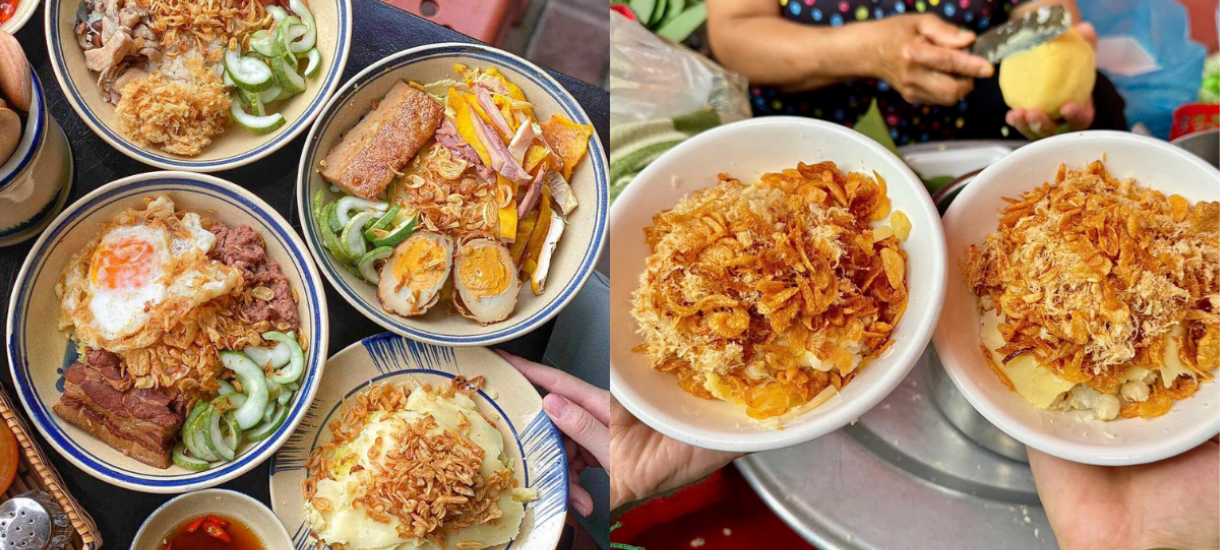
If a stall is busy with locals, that is usually the strongest signal you need. High turnover means ingredients are used quickly, and dishes are cooked repeatedly throughout the day.
Locals tend to eat at specific times and return to trusted places. Following their lead helps you naturally align with food safety in Vietnam without overthinking it.

Source: Conde Nast Traveler
Wash your hands before eating
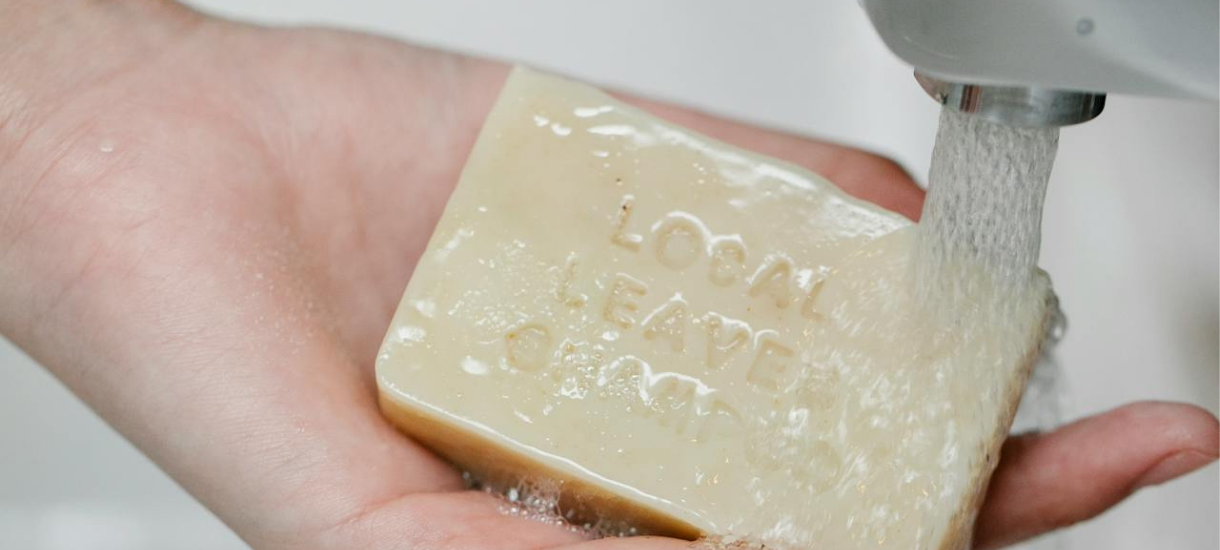
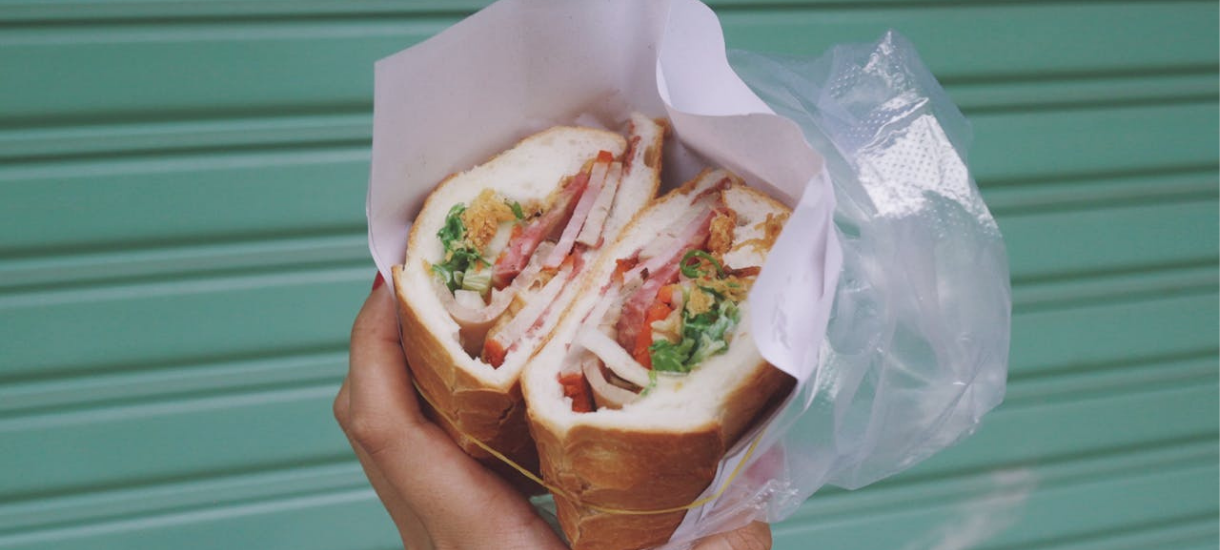
This may sound obvious, but it matters more than people realize. Street food is often eaten by hand, whether it is banh mi, sticky rice, or grilled snacks.
Source: Pexels
Many vendors provide hand-washing stations or wet wipes. If not, carry your own sanitizer or wipes. Clean hands reduce risk far more effectively than avoiding certain foods.
Look for the open kitchens
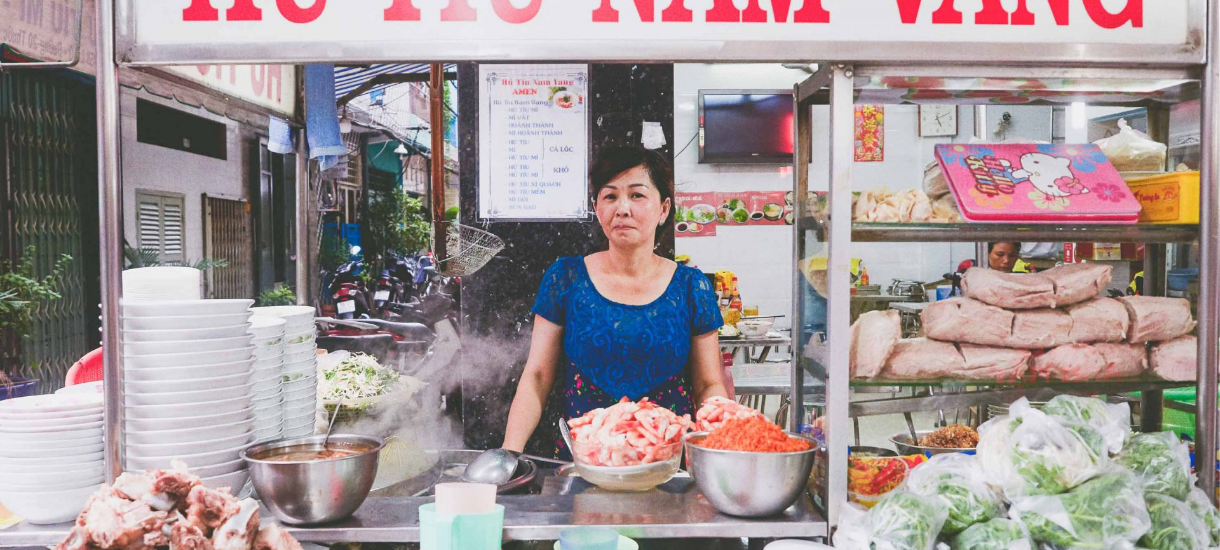
One advantage of Vietnamese street food is that some vendors cook in plain sight, giving you the chance to observe how food is prepared. When a stall has an open setup, you can see the ingredients, the heat, and the cooking process as it happens.
Source: Adventure.com
This kind of visibility makes it easier to judge cleanliness and freshness in real time. It’s a quiet but meaningful cue in navigating food safety in Vietnam.
Prioritize cooked food when ordering
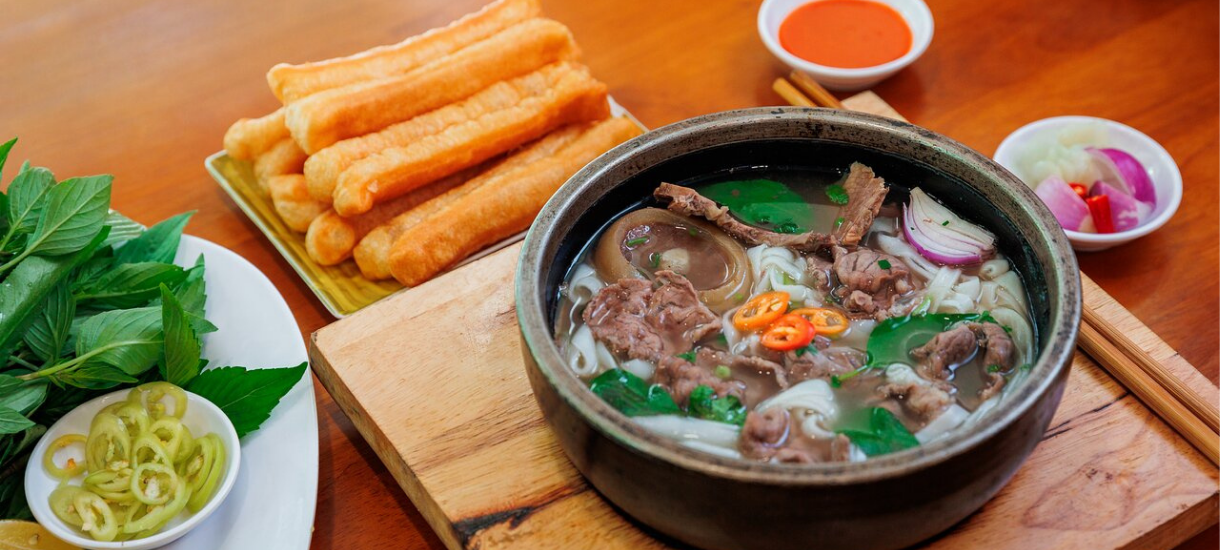
Freshly cooked dishes are your safest choice, especially in the first days of your trip. Soups, stir-fries, grilled meats, and dishes prepared to order are generally served hot and consumed immediately.
Source: Tripadvisor
Starting with cooked food gives your stomach time to adapt while still letting you enjoy the full range of Vietnamese flavors.
Pay a little attention to the quality of the napkins
This small detail often reflects how a stall operates. Clean napkins stored properly suggest the vendor cares about hygiene and daily routines.
Source: Pexels
If napkins look damp, dusty, or loosely exposed, it may be a sign to reconsider. In Vietnam, small signals often tell a bigger story.
What to Be Cautious About When Eating Street Food in Vietnam
Use condiments from uncovered containers
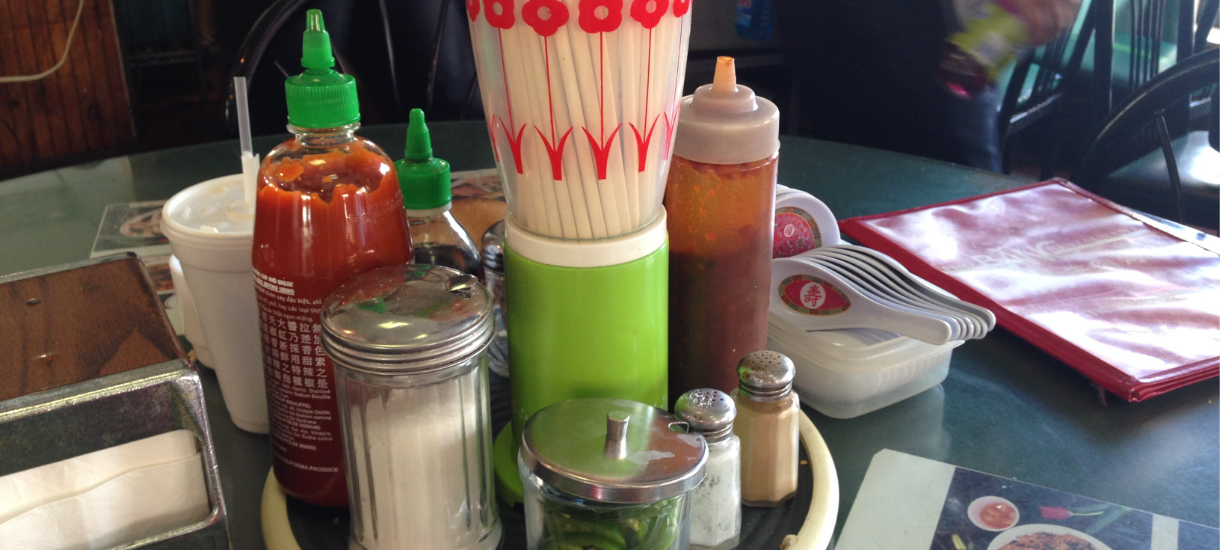
Sauces and condiments are essential to Vietnamese street food, but uncovered containers left out all day deserve caution.
Source: Style Hi Club
If you have a sensitive stomach, use condiments sparingly at first. Many dishes are already well-seasoned without needing extra additions.
Drink tap water - be careful with ice
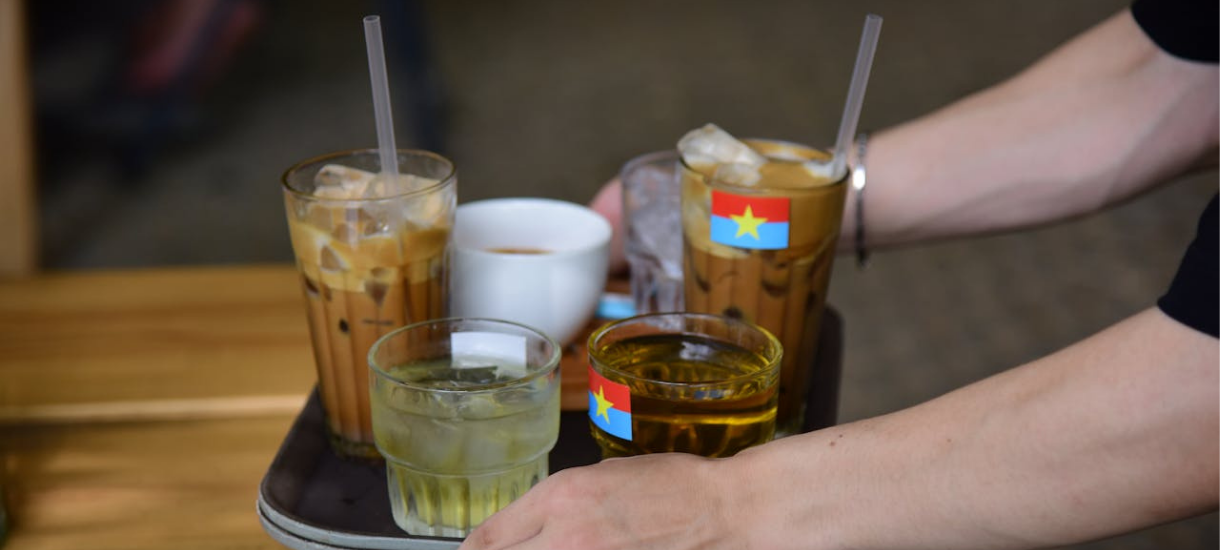
Tap water in Vietnam is not meant for direct consumption. Stick to bottled or filtered water, which is widely available.
Source: Pexels
Ice is generally safe in reputable eateries, as it is usually factory-produced. However, if you are unsure, it is fine to ask for drinks without ice, especially early in your trip.
Eat rare meats
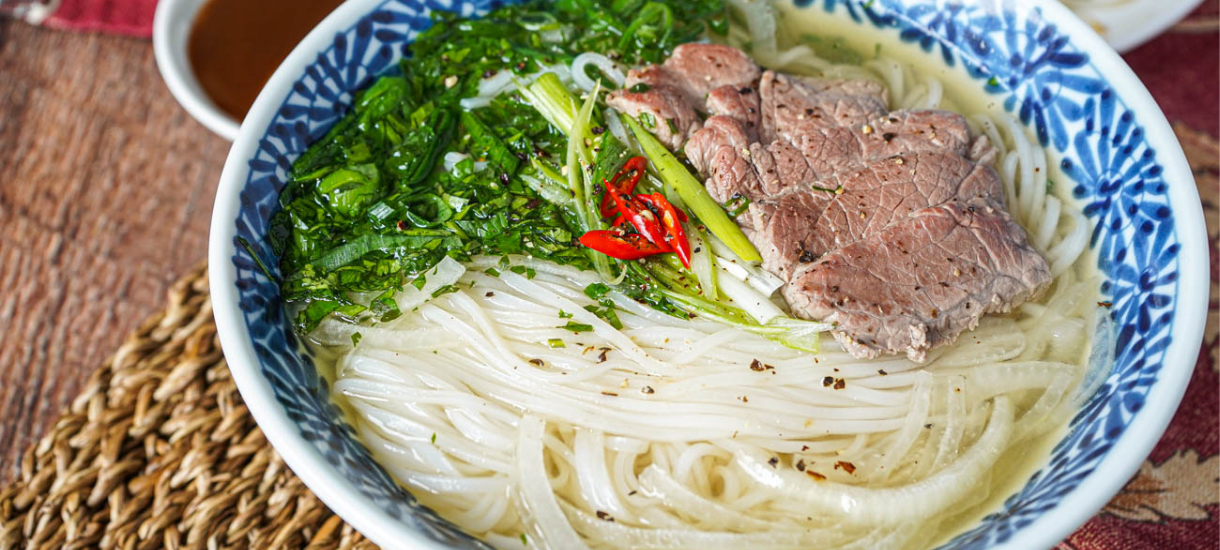
Vietnamese cuisine includes a wide range of textures and doneness levels. If your digestion is easily affected, choose fully cooked meats in the beginning. For example, choosing pho chin ( noodles with beef that are fully cooked) instead of pho tai ( noodles with rare beef) in your first few days can be a gentler way to ease into local flavors.
Source: Tara’s Multicultural Table
This is not about avoiding certain foods forever. It is about pacing. As your body adjusts, your comfort level often changes as well.
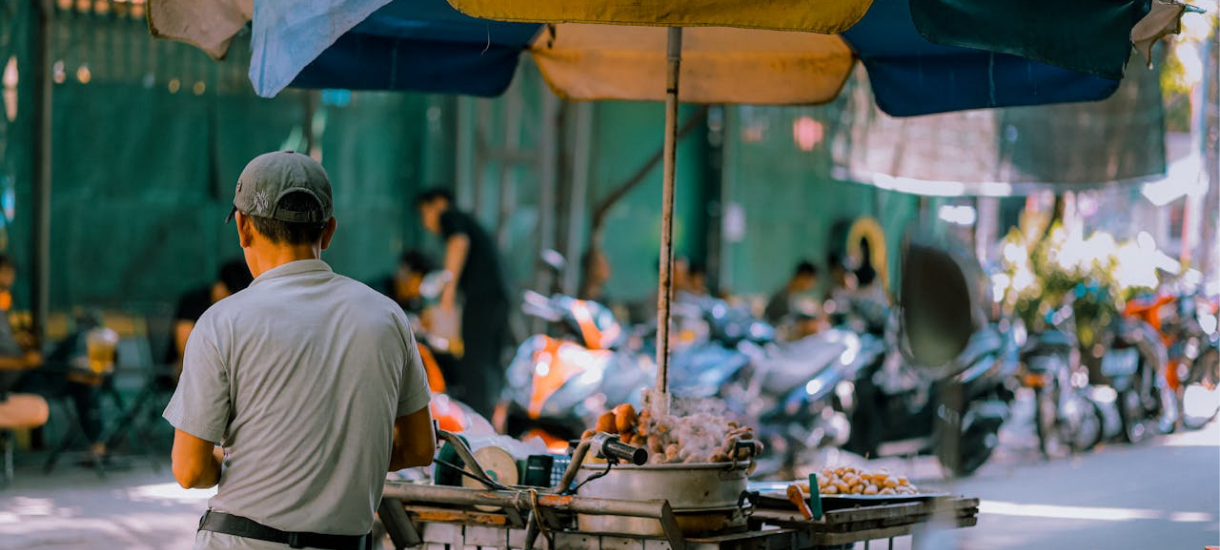
Eat at stalls with too many flies
A few flies are common in open-air environments, but excessive flies may indicate exposed food or poor storage.
Source: Pexels
This is one of the simplest visual checks when deciding where to eat. If the environment feels off, trust that instinct and move on.
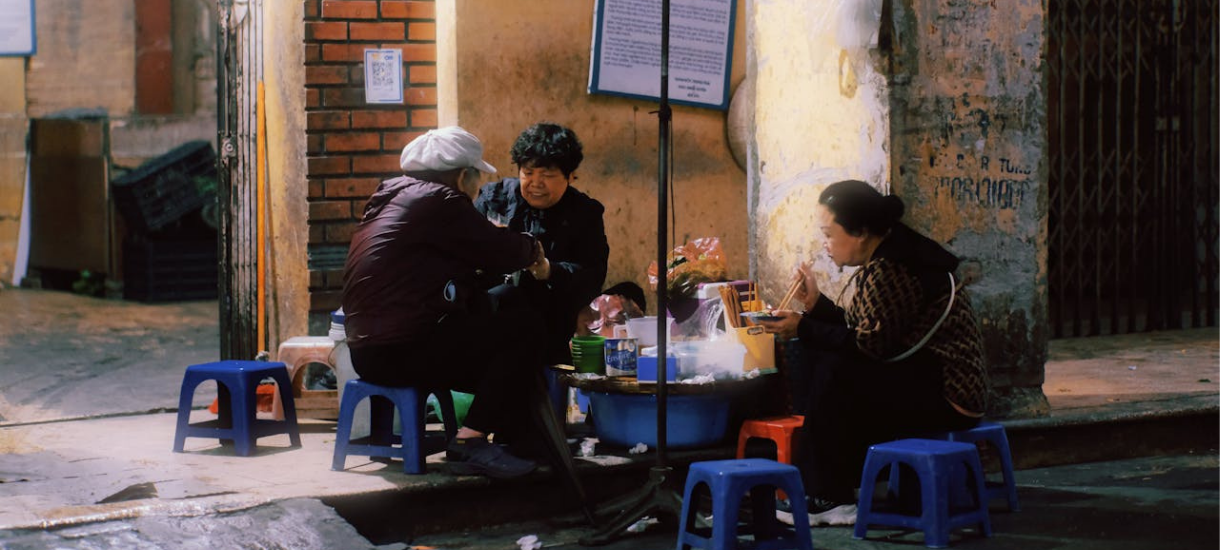
Buy street snacks near heavy traffic
Food sold directly beside busy roads can be exposed to dust and exhaust. While it may look tempting, it is better to choose vendors set slightly away from the traffic flow.
Source: Pexels
A few extra steps can make a noticeable difference in food quality and comfort.
Vietnamese street food is not something to fear or avoid. It is something to understand. Food safety in Vietnam comes from awareness, observation, and pacing yourself into the experience.
FAQ
Is it safe to eat street food in Vietnam?
Yes. Many travelers enjoy Vietnamese street food without problems. Paying attention to where you eat and pacing yourself helps your body adjust naturally.
What are the safest street food choices for first-timers?
Hot, freshly cooked dishes like pho or bun (noodle soup), grilled meats, and stir-fried items are usually safer because high heat kills most bacteria. If you feel unsure, you can skip the raw herbs that often come with these dishes and ease into them later as your comfort level increases.
What should I be cautious about besides food?
Watch out for uncovered condiments, raw vegetables washed in unknown water, and food left out in the sun, as these can increase risk. Trust your instincts and move on if something doesn’t feel right.
Can I brush my teeth with the tap water in Vietnam?
Many people brush with tap water without issue, but for travelers and sensitive individuals, caution is advised.
Is it safe to eat banh mi in Vietnam?
Yes, banh mi is generally safe, especially when it’s made to order and served hot. Choose busy stalls with high turnover, and if you have a sensitive stomach, you can ask for fewer raw fillings or sauces at first.
Why is street food in Vietnam most popular among foreign visitors?
One of the key reasons is that it provides truth about the cultural experiences. Unlike fine dining, Vietnam’s street food brings the delicious taste, fresh, and made in ways that locals can enjoy for generations.
Source: Pixabay
Eat where locals eat. Start with cooked dishes. Pay attention to small details. Give your body time to adjust. Once you do, street food stops being a question of safety and becomes what it is meant to be: an everyday pleasure and one of the most authentic ways to experience Vietnam.