
How Safe Is Japan? Your Ultimate Reality Guide to a Worry-Free Trip
Is Japan safe to travel? Unlock our realistic guide to master essential safety habits, spot common scams, and ensure a worry-free Japanese getaway today.
1. Is Japan Safe to Travel?
If you are planning your first getaway to the Land of the Rising Sun, you have probably asked yourself a question: is Japan safe to travel? Globally celebrated as a travel paradise, Japan holds a legendary reputation for security. However, before you pack your bags, it’s essential to look beyond the pristine postcards. How safe is Japan, really? While the country is incredibly secure, a realistic look at local safety dynamics, ranging from minor tourist scams to unexpected natural disasters, is the real secret to ensuring your dream vacation runs completely code-green.
Source: Tripadvisor
2. Why Japan is Ranked Among the Safest Countries
It is no exaggeration: Japan consistently ranks as one of the world's most secure destinations, making it universally praised as a solo travel haven because its local culture naturally embraces dining and doing activities alone.
Source: Getty Images & Kim Kim
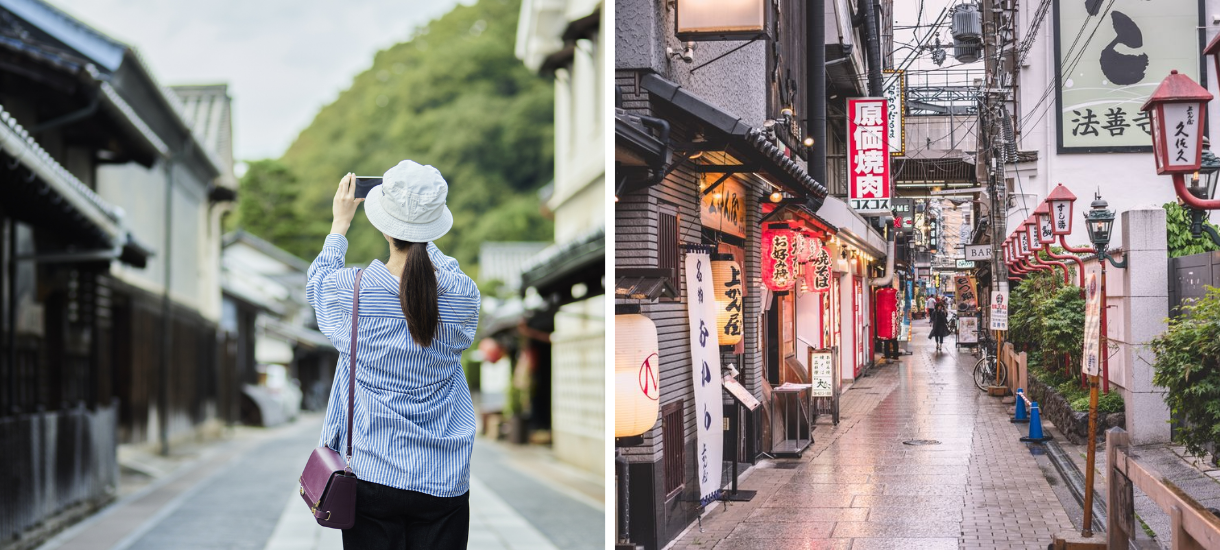
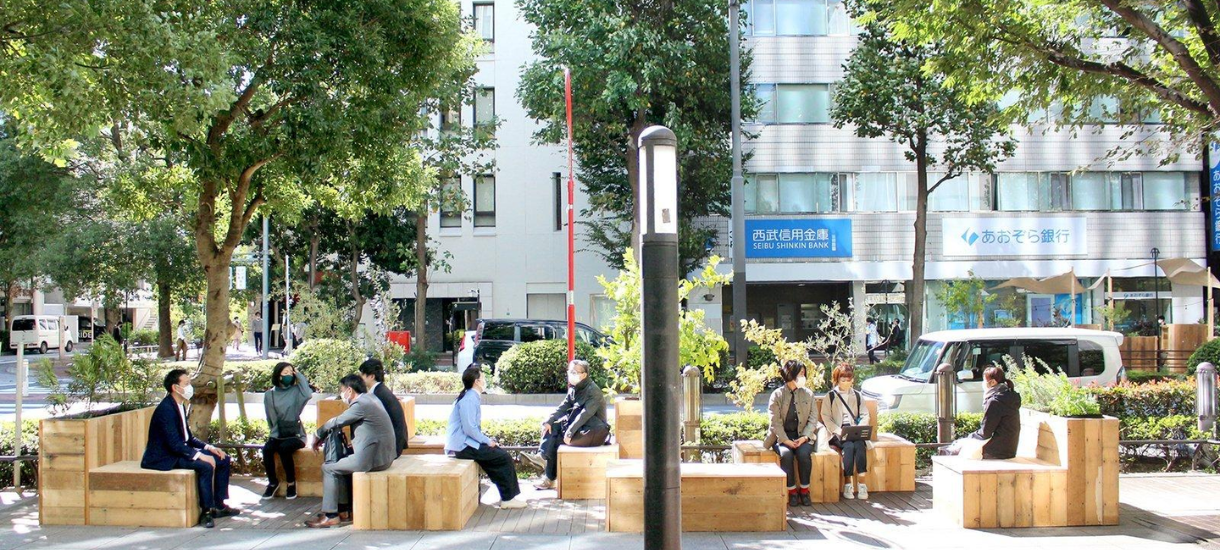
For first-timers, the common impressions of Japan are instantly comforting. You will experience spotlessly clean public spaces, trains that run with flawless punctuality, and an unmatched culture of honesty deeply rooted in the nation's ethics. The latest official numbers from the Metropolitan Police Department's Lost and Found Center absolutely back this up with some mind-blowing facts. Get this: in Tokyo alone, honest citizens turned in a record-breaking 4.5 billion Yen in lost cash just last year. Even more heartwarming? Around 3.2 billion Yen, an incredible 72.3% of that massive pile, found its way back to its rightful owners. And if you happen to misplace your smartphone while snapping photos? Don't panic just yet, because smartphones in Japan boast an astonishing 83% return rate. It’s a level of deeply rooted social integrity that honestly feels like a breath of fresh air for any traveler.
Source: From Tokyo Updates
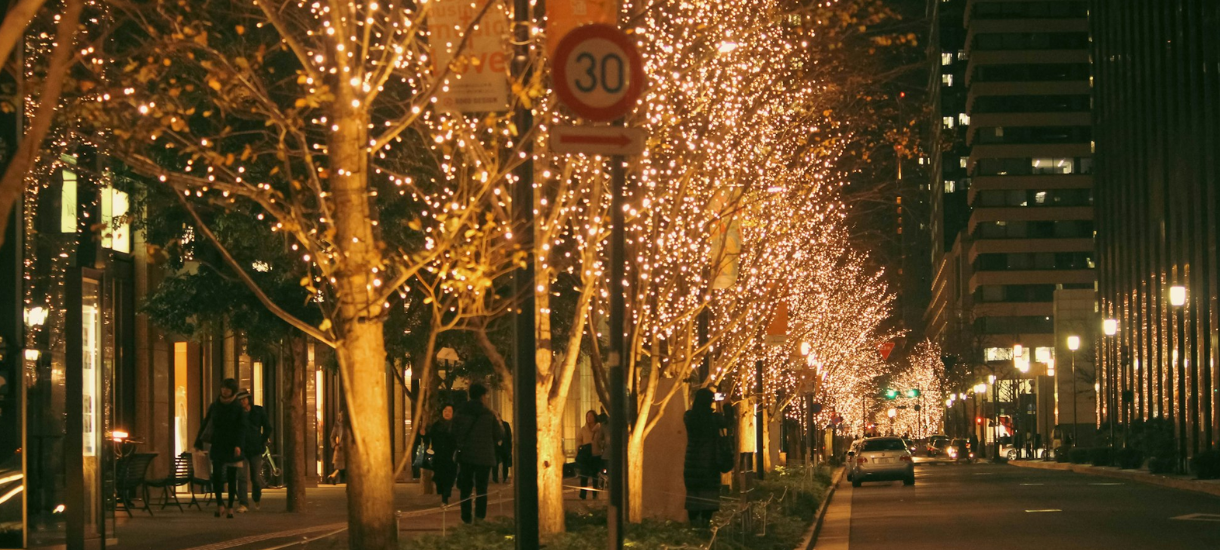
This incredible peace of mind extends to physical safety too. When you look at international databases like the World Bank, Japan consistently boasts some of the lowest violent crime rates on the planet. We are talking about homicides hovering at a mere 0.2 to 0.3 cases per 100,000 people, and robbery rates as low as just 1 or 2 incidents per 100,000. To wrap it all up in a neat safety net, the country’s world-class emergency infrastructure and J-Alert system mean that even if Mother Nature throws a curveball, you are always in the safest possible hands.
Source: Local Guide Japan
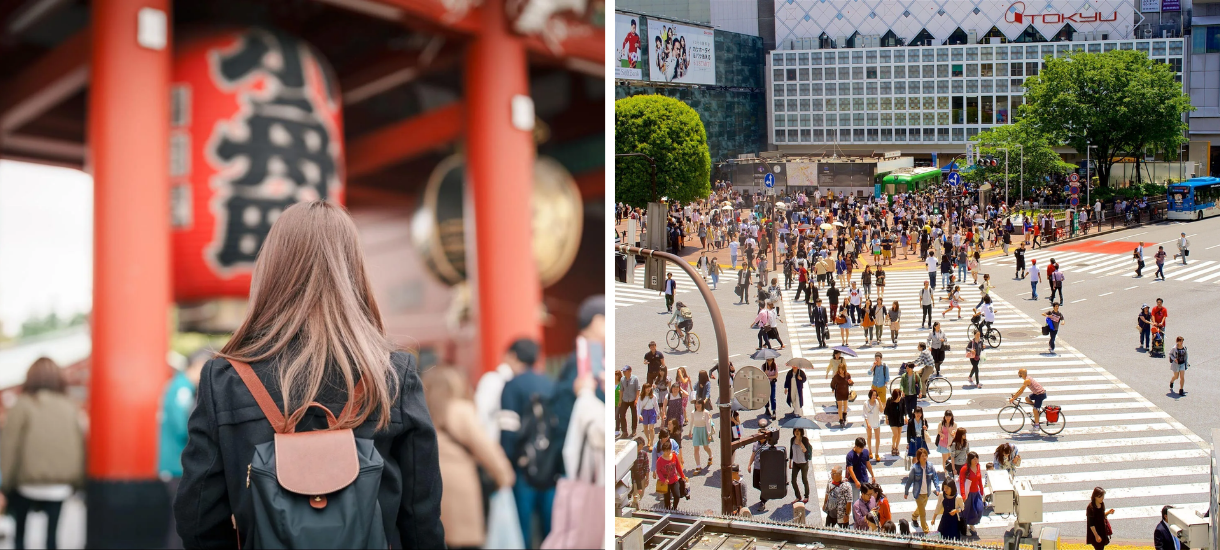
That being said, we always tell our travelers that "safe" doesn't mean "utopia." Recent public data from Nippon and Statista shows that reported felonies and minor crime incidents have been ticking slightly upward lately. It’s a modern shift driven partly by the return of crowded post-pandemic streets and the rise of sneaky, anonymous organized crime groups. This subtle shift can easily trigger what experts call a "complacency effect." Because everything feels so peaceful and perfectly organized, it is incredibly easy to let your guard down, forget to zip your backpack, or trust a friendly stranger a bit too quickly. While you don’t need to worry about being mugged, sophisticated tourist traps and subtle financial scams still await those who travel unprepared. Staying alert isn’t about being paranoid, but rather about staying smart so you can focus on enjoying the best time in Japan.
Source: cabinzero & Expedia
3. Spotting the 5 Most Common Tourist Scams
Even in a high-trust society, major tourist hotspots naturally draw opportunistic tricksters. Keep these five common setups on your radar so you can spot them from a mile away:
Source: Wikipedia
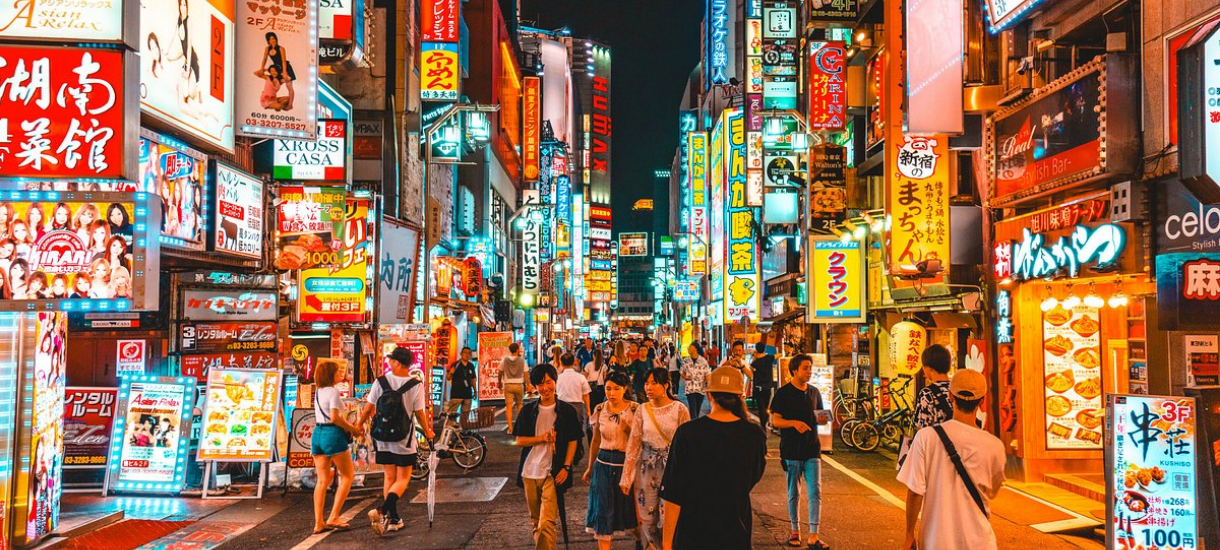
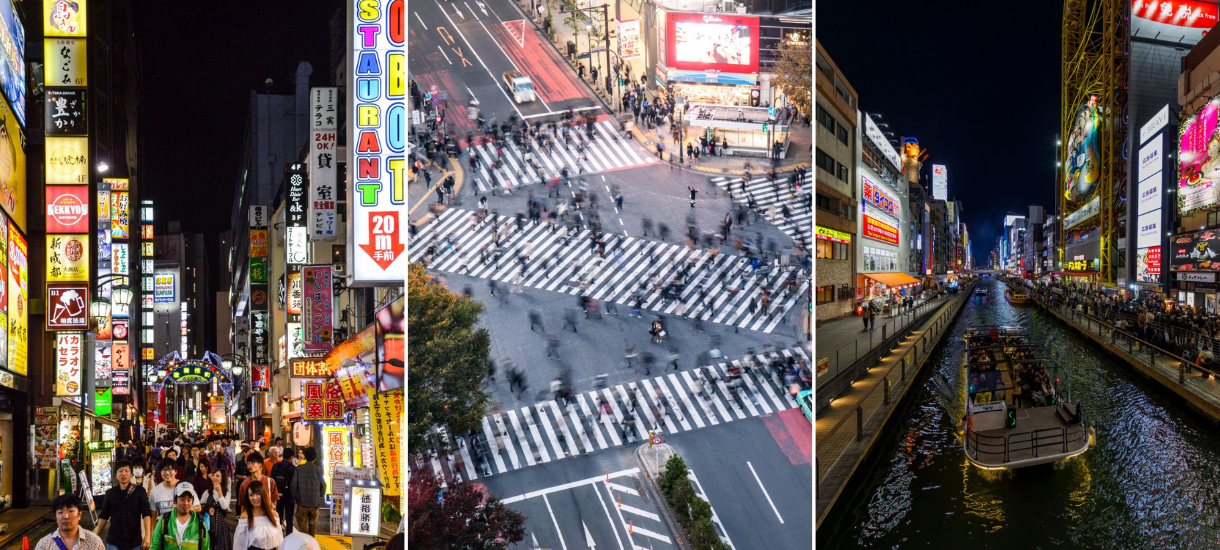
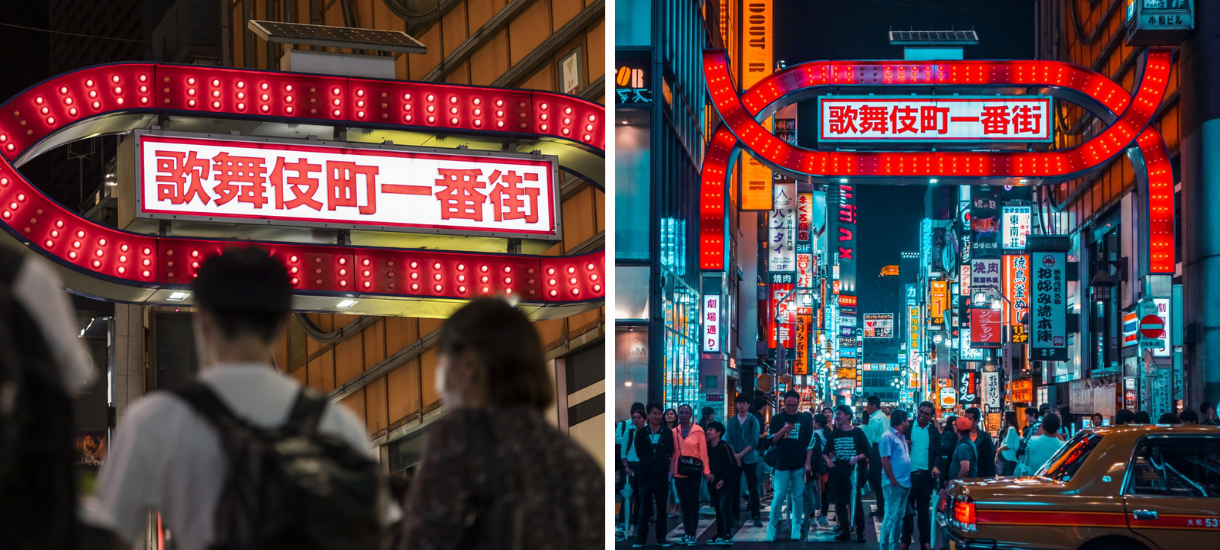
The Nightlife District Trap (Tout Scam): If you are exploring Tokyo's Kabukicho or Osaka's Dotonbori after dark, you will likely encounter smooth-talking street promoters promising cheap drinks or free entry. Unfortunately, the aftermath is a massively padded bill running into thousands of dollars for "hidden service fees." If you refuse to pay, intimidating bouncers will uncomfortably escort you directly to the nearest ATM.
Source: GaijinPot Blog
The Dating App Scam: Matching with locals on Tinder or Bumble while traveling sounds like a fun cultural experience for solo travelers. However, fraudsters frequently use these apps to lure unsuspecting tourists to a specific, pre-arranged bar. After a mediocre meal and a few drinks, your date suddenly vanishes, leaving you to foot an astronomical bill.

Source: Joint Base San Antonio
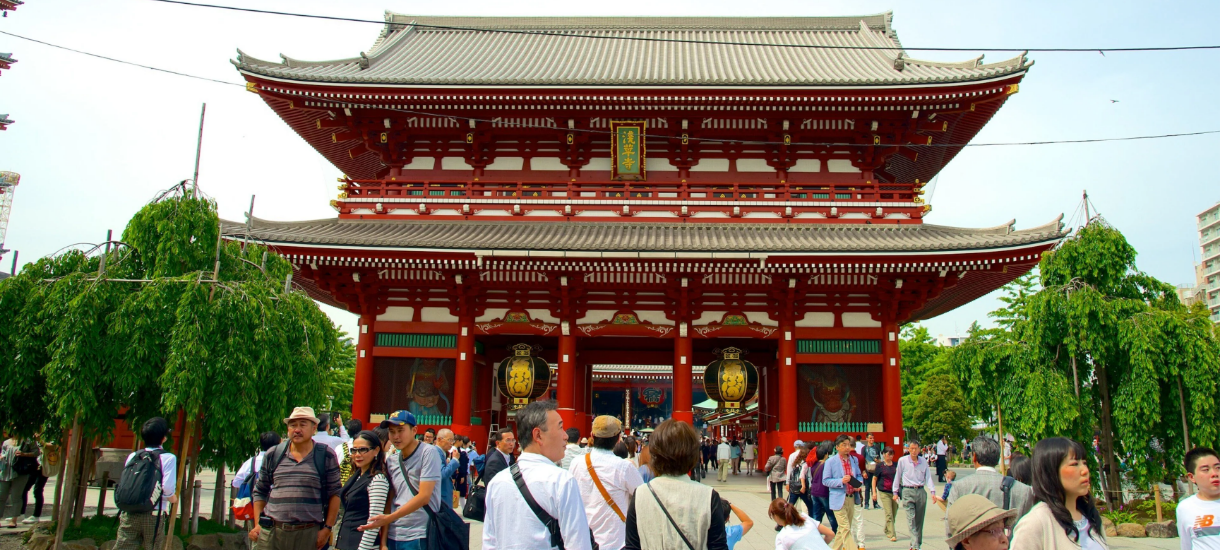
Fake Monks Handing Out Charms: Operating around landmarks like Ueno Park or Asakusa in Tokyo, these individuals dress in traditional robes and thrust a glossy charm into your hands, claiming it is a "free gift." The moment you take it, they aggressively insist on a "donation" ranging from 1,000 to 10,000 Yen. (Pro tip: Authentic Japanese monks do not hustle tourists on the street).
Source: Expedia
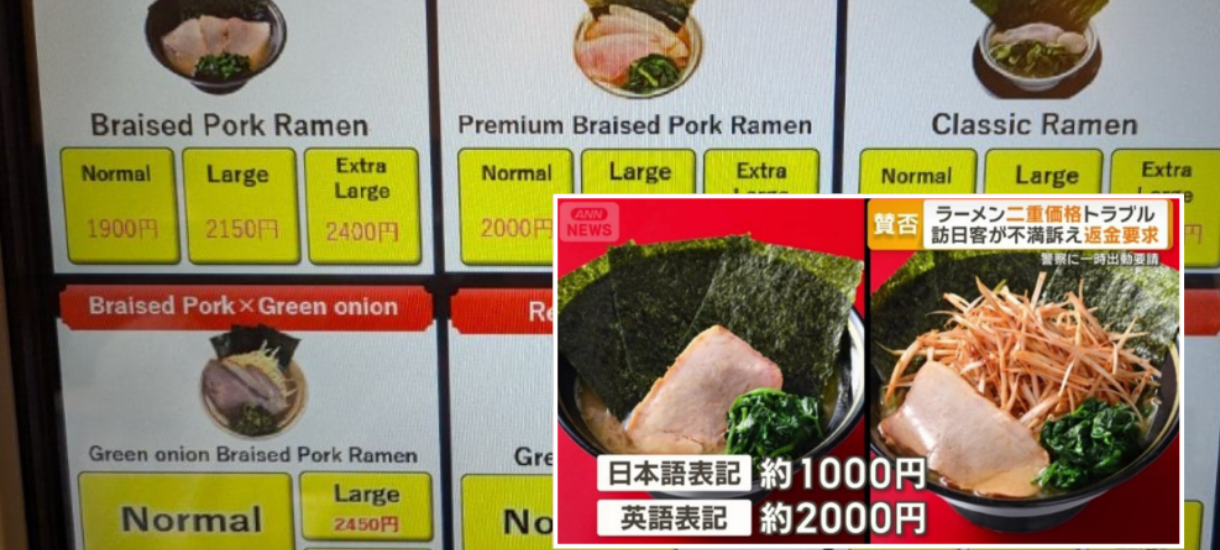
The Dual-Menu Scheme: A few unscrupulous spots in heavy tourist zones utilize a clever trick: an English menu featuring significantly higher prices than the local Japanese version. Others might quietly tack on a steep table charge called Otoshi without any upfront warning or indication on the menu.
Source: Wikipedia
Airport Gypsy Taxis: Unlicensed drivers ("gypsy taxis") often loiter around Narita or Haneda, offering a "fixed, discounted price" to bypass the official taxi queue. In reality, these predatory flat rates end up costing two to three times more than an official, metered taxi.

Source: Wikipedia
4. Geographical Reality: Natural Disasters
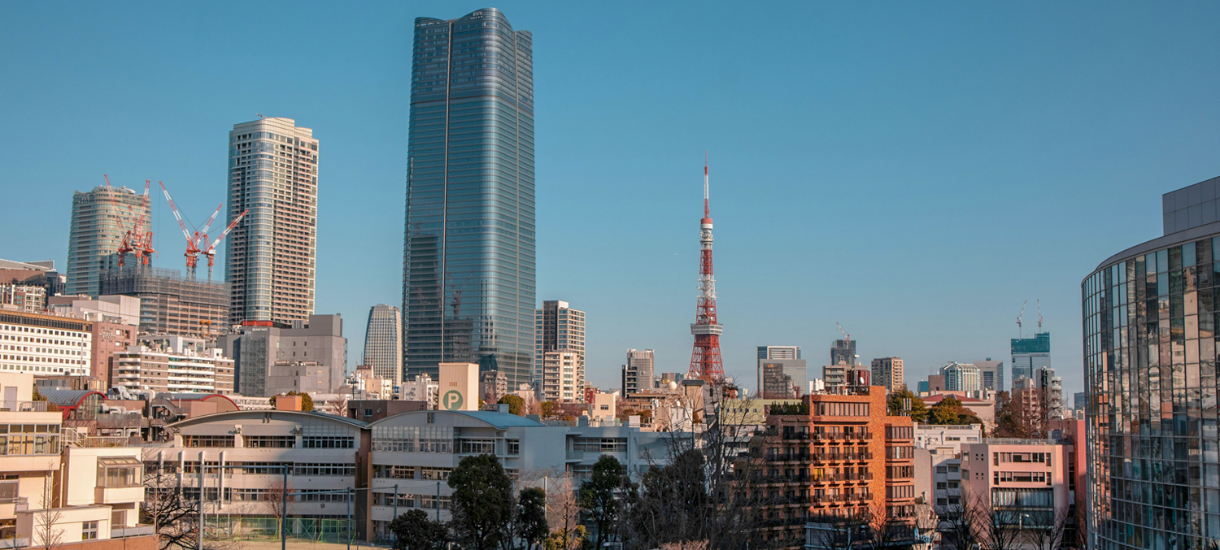
When assessing how safe is Japan, one cannot overlook the environment. Because Japan sits on the Pacific Ring of Fire, earthquakes (over 1,500 minor ones a year) and seasonal typhoons are a geographical reality that locals live with every day.
Thankfully, Japan boasts world-class seismic infrastructure where buildings are engineered to withstand strong tremors. Furthermore, the Japan Meteorological Agency instantly pushes real-time safety instructions and early warnings for earthquakes, severe weather, or tsunamis directly to smartphone screens nationwide. Knowing basic protocols, such as staying calm indoors, taking cover under sturdy furniture, and staying away from coastal areas during warnings, keeps you highly secure.
Source: Housing Japan
5. Smart Everyday Habits: Your Essential Safety Checklist
To ensure your journey is completely seamless, save this checklist of practical, everyday safety habits. Mastering these is just as important as choosing the best things to do in Japan:
Source: Britannica
- Master the Art of the Polite Refusal: Never follow street touts into venues. If someone corners you for money, wave your hand firmly across your chest, say "Iie, kekkou desu" (No, thank you), and keep walking.
- Cross-Reference and Ask About Fees: Check restaurant reviews on Google Maps or TripAdvisor before stepping inside. Before ordering at an izakaya, ask the staff: "Is there a table charge (Otoshi)?"
- Stick to Licensed Transportation: Only use official taxis featuring roof signs, green license plates.
- Opt for Women-Only Subway Cars: Female passengers traveling during rush hours (7:30 - 9:00 AM and 5:00 - 7:00 PM) can look for the pink signs on platforms for a completely comfortable commute free from overcrowded cars.
- Download the "Safety Tips" App: Supervised by the Japan Tourism Agency, this app delivers real-time disaster alerts and evacuation steps in 15 different languages to bridge the language barrier.
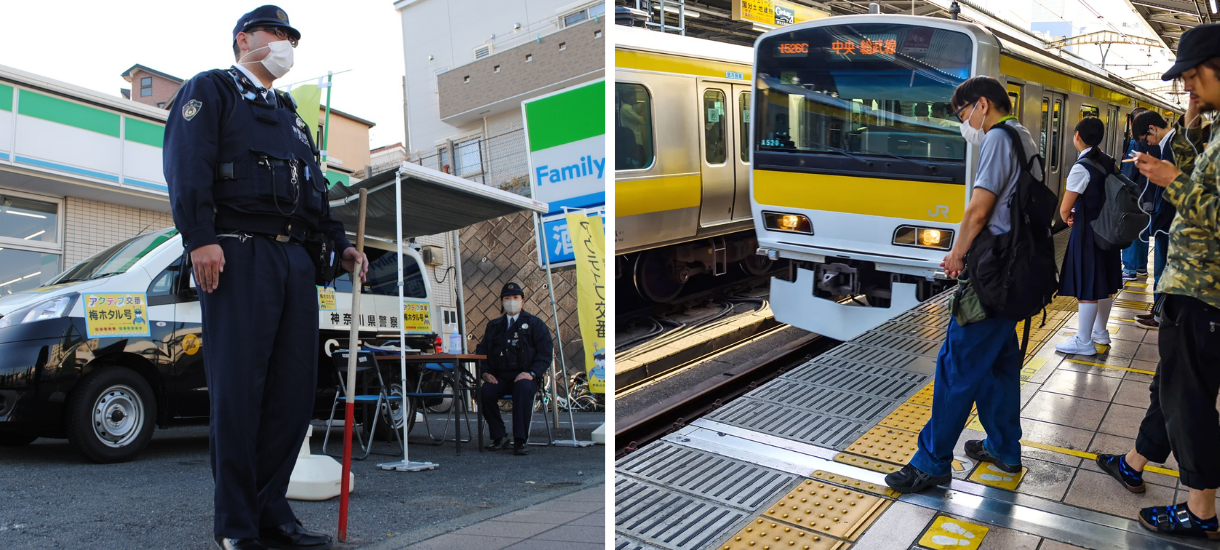
- Locate Your Nearest Koban: Tokyo has over 1,200 neighborhood police boxes (Koban). Head there if you get lost, lose your wallet, or need general assistance.
- Keep Cash on Hand: Japan is still heavily cash-preferring. More importantly, if a natural disaster causes a power outage, ATMs and card systems might go down.
- Use Monitored Convenience Store ATMs: When you need cash, use ATMs inside 7-Eleven, Lawson, or FamilyMart. They are safe, accept foreign cards, and have English menus.
- Secure Your Belongings in Crowds: Pickpocketing is rare but can happen at mega-hubs like Shinjuku Station. Wear a crossbody bag, keep it zipped, and avoid putting your phone in back pockets.
- Check Medication Regulations: Common over-the-counter cold medicines containing pseudoephedrine (like Sudafed) are banned. Carry a doctor's note or apply for a Yakkan Shoumei (import certificate) if bringing essential prescription meds.
- Buy Travel Insurance: Japanese healthcare is world-class but expensive for tourists. Always secure comprehensive travel insurance before you land.
- Memorize Emergency Numbers: Save these on your phone: dial 110 for the police and 119 for fire or ambulance services.
6. Should You Be Worried?
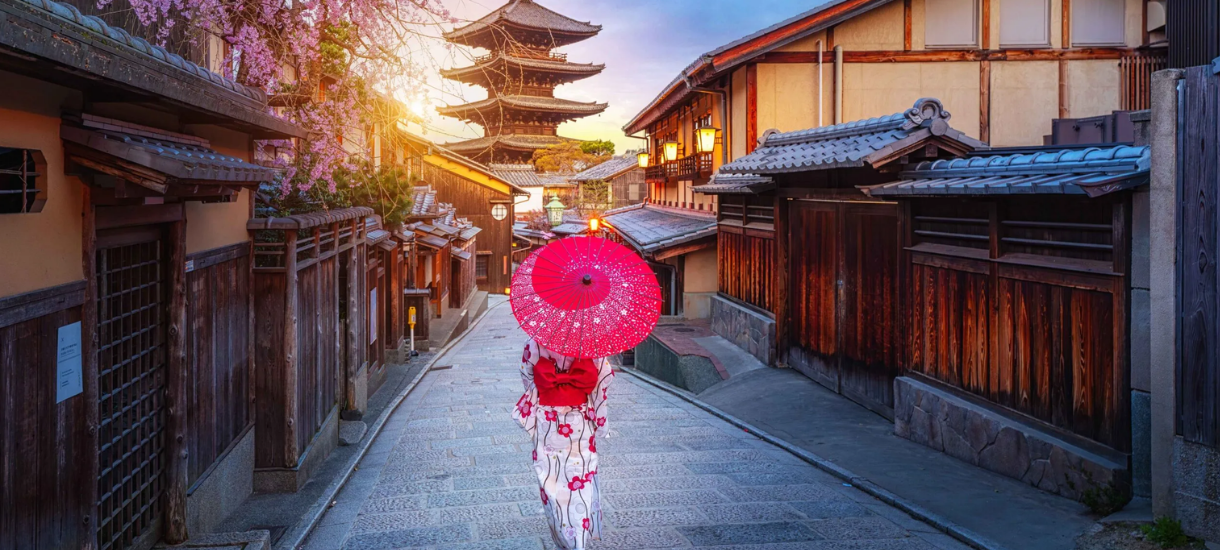
Absolutely not! Wondering how safe Japan is shouldn't fill you with anxiety; rather, looking into it simply gives you the ultimate toolkit to travel smarter and more confidently.
Source: Vecteezy
The goal of this guide isn't to make you fearful, but to empower you with a proactive, street-smart mindset. Once you leave complacency behind and pack a little bit of situational awareness alongside your passport, you can easily shift your focus to the exciting parts of vacation planning, such as mapping out the best things to do in Japan or pinning down the perfect seasonal itinerary. You are now fully ready to immerse yourself in the timeless magic, incredible cuisine, and beautiful culture of the Land of the Rising Sun with absolute peace of mind!