
Best Time to Visit Japan: What you need to know before going
Looking for the best time to travel to Japan? From cherry blossoms to vibrant autumn leaves, find the suitable season for your next adventure with the guidance below.
Japan is a destination that transforms dramatically with the seasons, each one offering a completely different travel experience. From cherry blossoms in spring to snow-covered landscapes in winter, timing your trip well can shape everything from scenery to crowd levels and overall cost.
Source: Pexels
This guide will help you understand the best time to visit Japan, from seasonal highlights to practical expectations, so you can plan your journey based on what truly matters to you.
General Facts About the Japanese Climate
Japan stretches from north to south, creating noticeable regional differences, from snowy winters in Hokkaido to subtropical warmth in Okinawa. Yet across most of the country, four distinct seasons define the overall rhythm of travel.
Source: Pexels
What this means for travelers is simple. The Japanese weather by month can change significantly; seasonal highlights such as cherry blossoms or autumn foliage are time-sensitive, and both prices and crowds fluctuate depending on when you visit.
Source: Pexels
While spring and autumn are often considered the most comfortable times to visit thanks to their mild temperatures and natural beauty, each season comes with its own pros and cons. Together, they reveal different sides of Japan, shaping the experience in their own way.
Best Time to Visit Japan: Understanding Seasonality
Spring (March - May)
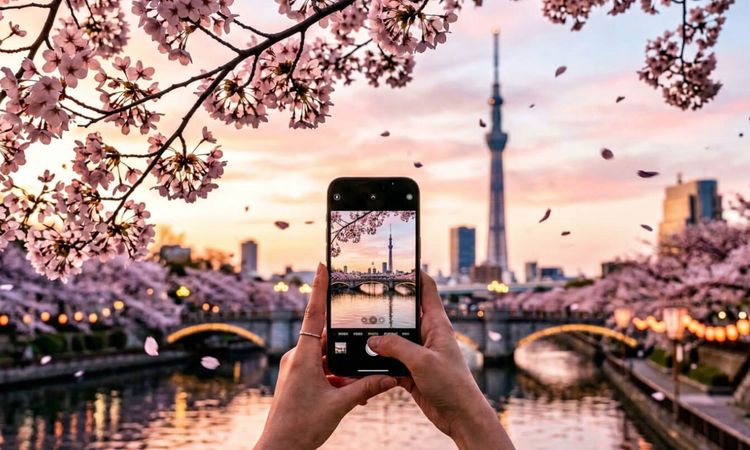
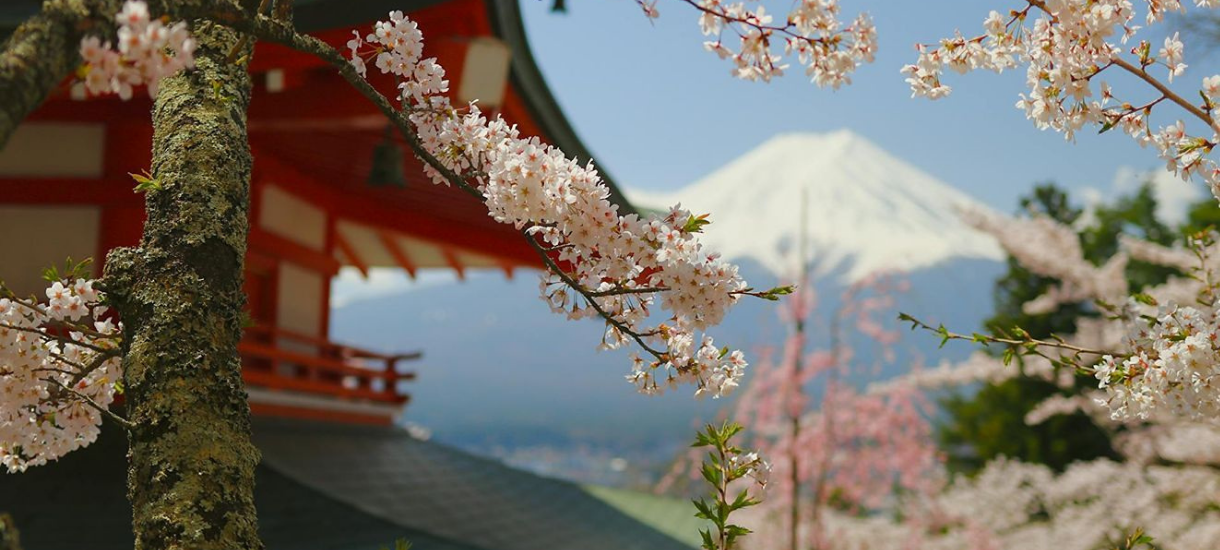
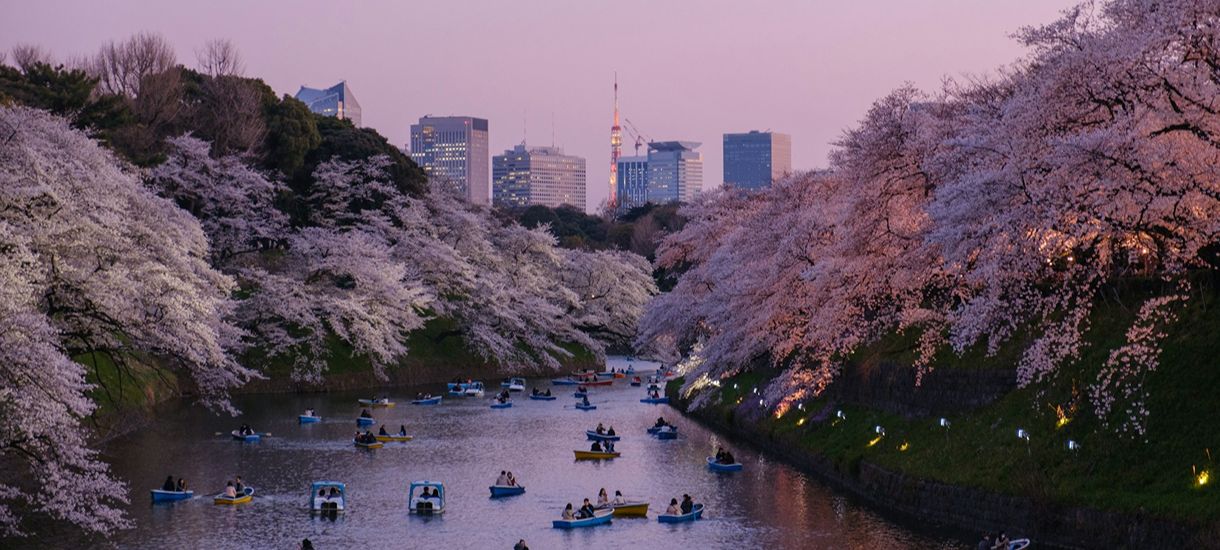
Spring is when Japan becomes the version most travelers dream of, and for many, this is truly the best time to visit Japan. Cherry blossoms sweep across the country, transforming parks, rivers, and temples into soft pink landscapes, while temperatures remain pleasantly cool, around 10–20°C. The atmosphere is lively yet poetic, with locals gathering for hanami (or flower viewing) and outdoor activities at their peak.
Source: Unsplash
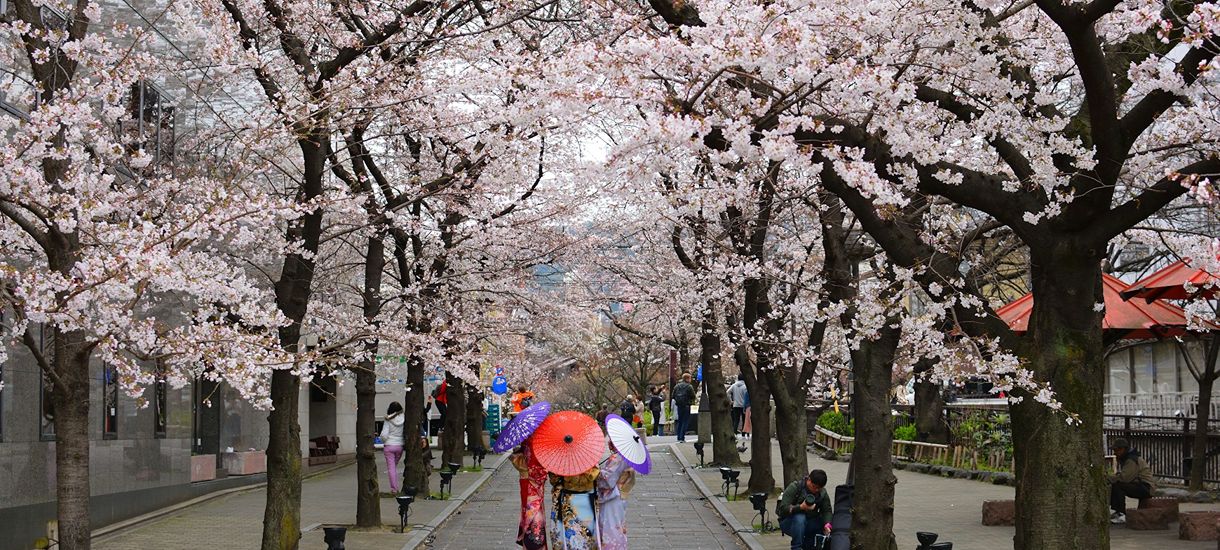
However, this beauty comes with trade-offs. Spring marks the peak season in Japan, especially in April, the busiest and most expensive month of the year. Demand is extremely high, as this is the only time of year to witness cherry blossoms in Japan, often resulting in flights, hotels, and guides being fully booked well in advance. Without planning at least 6–12 months, availability becomes limited, and prices rise significantly. Crowds at famous spots like Kyoto or Tokyo can also be overwhelming.
Source: Unsplash
So, is it worth traveling during the busiest season of the year? For many, the answer is still yes. There is something undeniably special about experiencing Japan at the height of cherry blossom season, even with the crowds and higher costs. With careful planning and the right pace, the journey can feel surprisingly smooth, allowing you to take in the beauty of the season without being overwhelmed by its peak.
Early Summer (June-July)
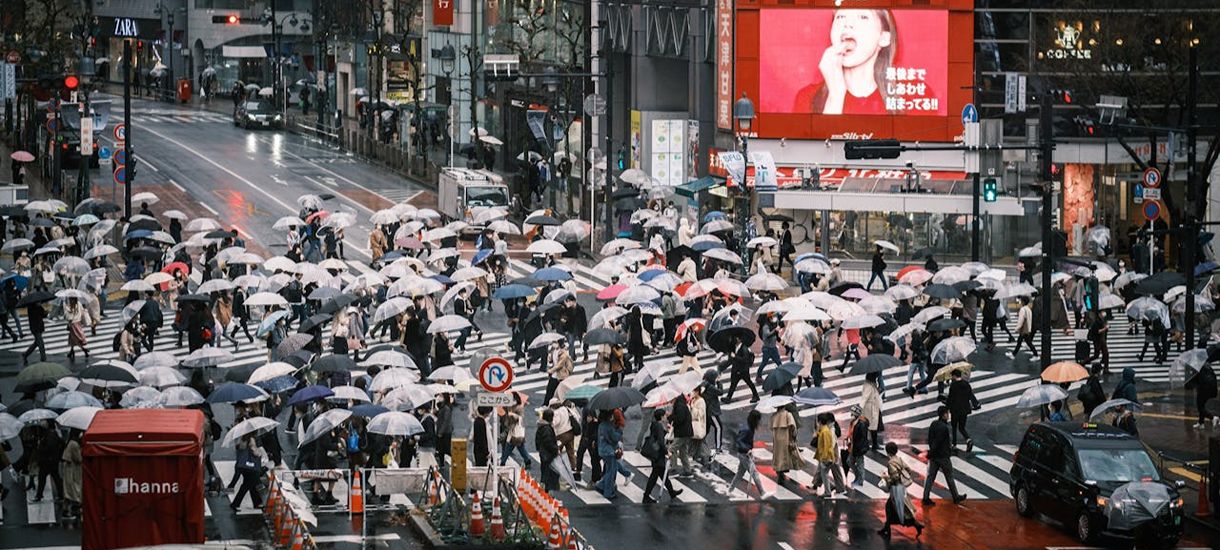
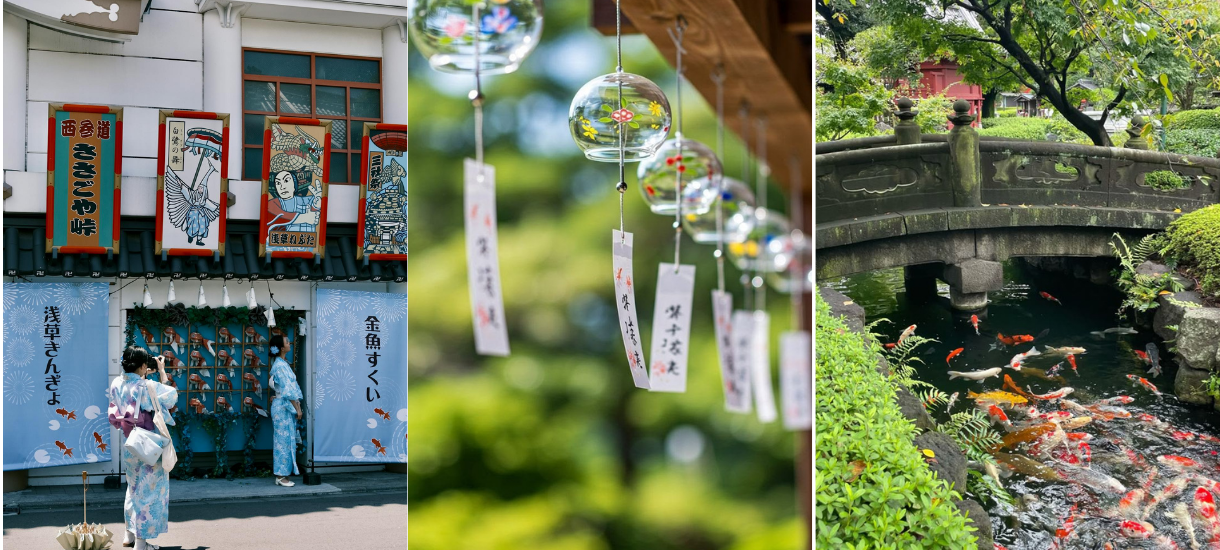
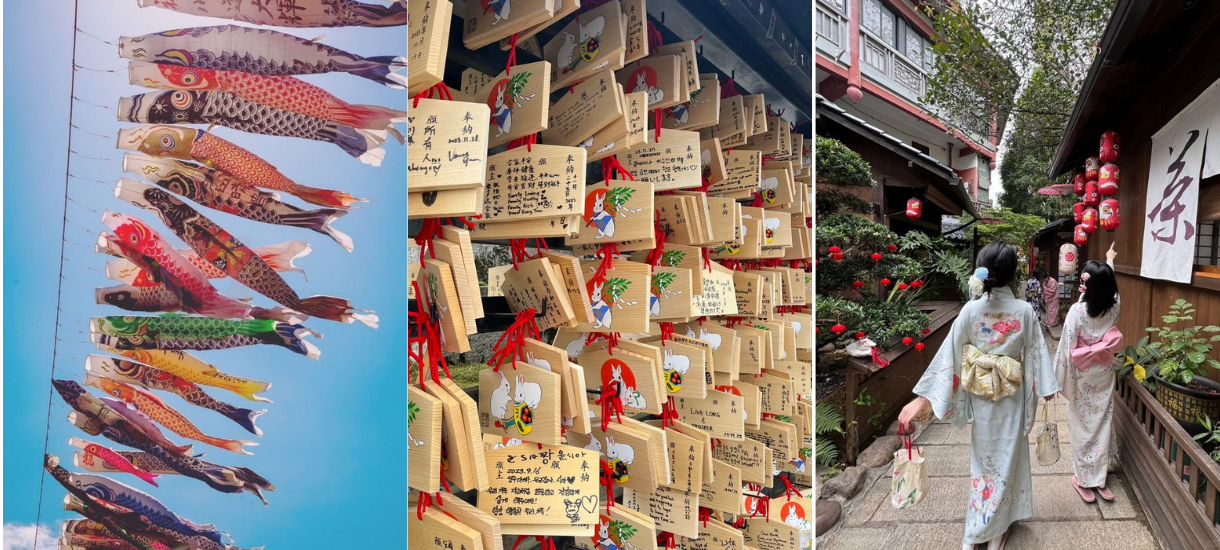
Early summer introduces a quieter chapter in the Japan travel season's calendar. The rainy season arrives, bringing warm temperatures of around 20–28°C along with higher humidity. Rain is frequent but often short-lived, creating a softer, slower travel rhythm rather than completely disrupting plans.
Source: Pexels, Pinterest
This is widely considered one of the best periods in Japan travel, with seasonal tips for value. Tourist numbers drop, prices become more accessible, and destinations feel less rushed. The landscape turns lush and green, while hydrangeas bloom beautifully across gardens and temple paths. Experiences shift more toward indoor activities such as museums, food culture, and local exploration.
Source: Pinterest
The downside lies in the weather’s unpredictability. Skies can be grey, outdoor plans may need to be adjusted, and the overall scenery lacks the spontaneity of spring or autumn.
For budget-conscious travelers, repeat visitors, or those seeking a more local, relaxed pace, early summer offers a surprisingly rewarding time to visit Japan.
Summer (July - August)
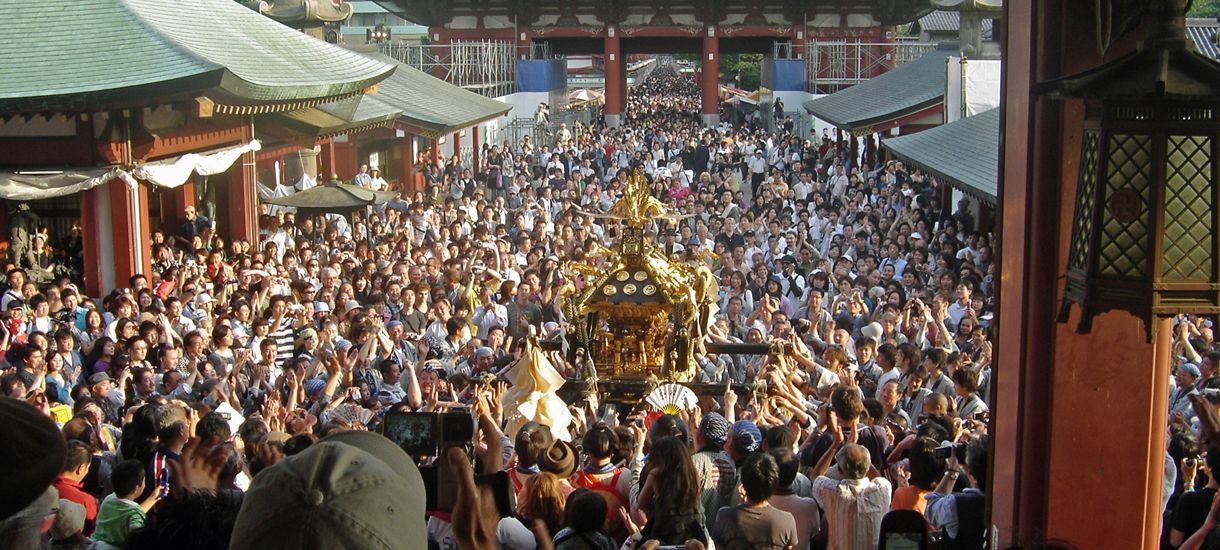
Summer in Japan is intense, both in climate and energy. Temperatures can rise to 35°C with high humidity, making it one of the most challenging periods according to the Japan weather by month breakdown. Long days of sightseeing can feel exhausting, especially for seniors or families with young children.
Source: Wikipedia
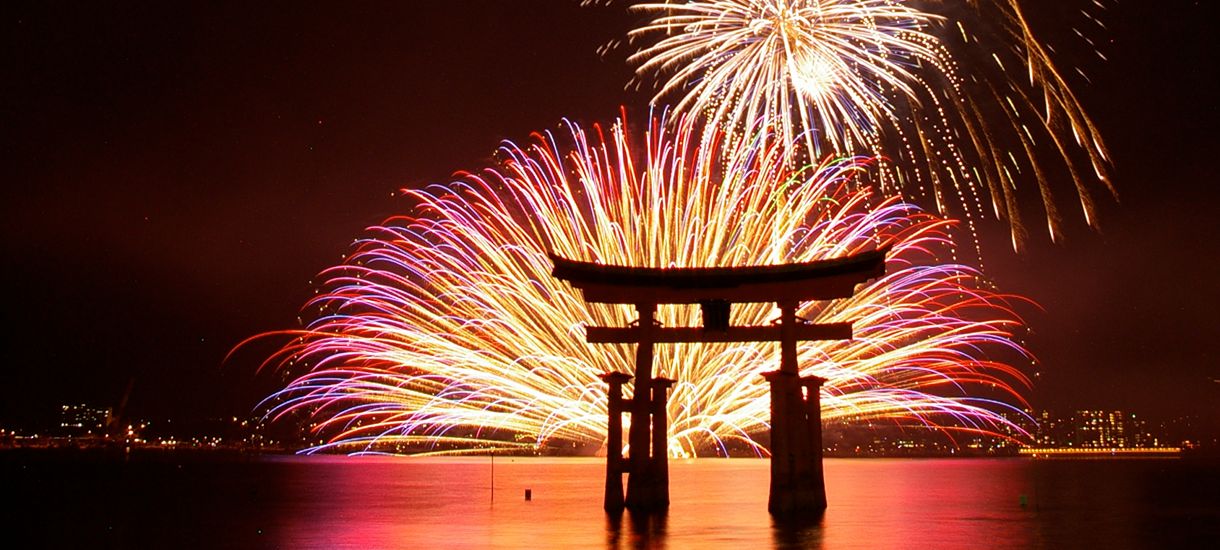
Despite the heat, summer remains part of the peak season in Japan, driven largely by international school holidays. The country comes alive with festivals, fireworks, and cultural celebrations that create an atmosphere unlike any other time of year. Streets fill with lanterns, music, and food stalls, offering an immersive glimpse into traditional Japanese culture.
Source: Japan awaits
Traveling during this time requires a different mindset. Slower pacing, frequent breaks, and a balance between indoor and outdoor activities are essential to stay comfortable.
Summer is best suited for younger travelers, festival lovers, and those seeking vibrant cultural experiences. It can also work for families traveling during school holidays, as long as expectations around heat and physical activity are well managed.
Autumn (September - October)
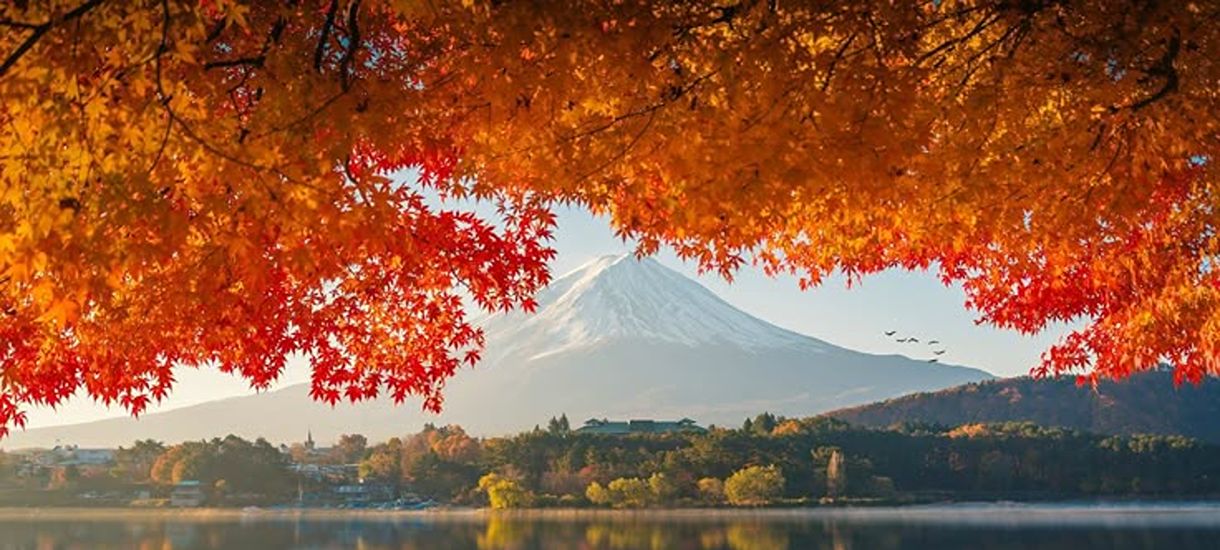
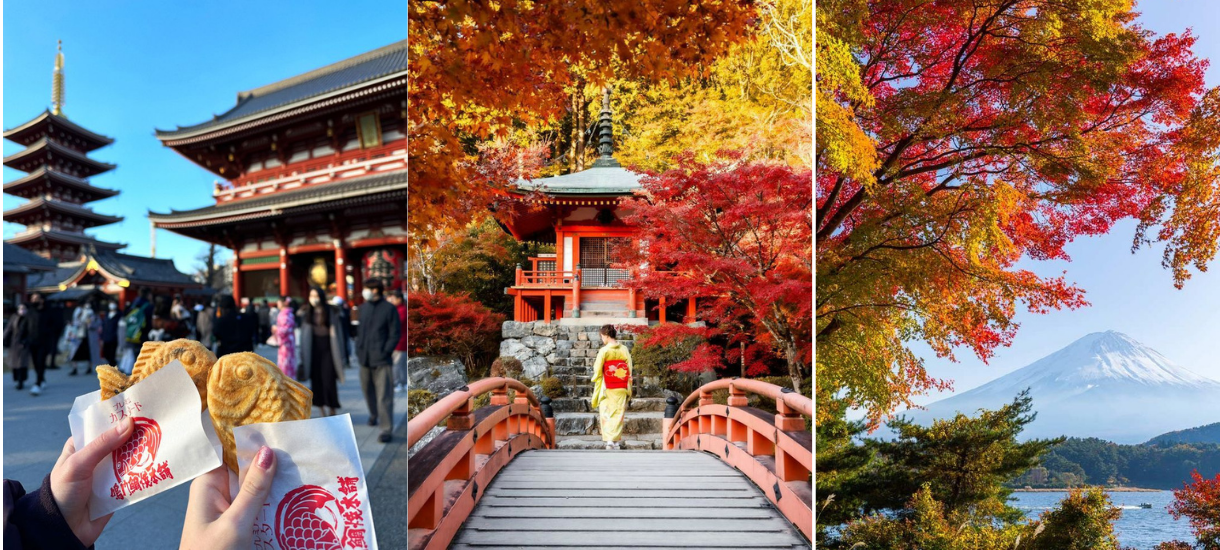
Autumn is often seen as the most balanced season and is frequently ranked alongside spring as the best time to visit Japan. With temperatures between 10–22°C, it offers ideal conditions for exploring both cities and natural landscapes.
Source: Pinterest
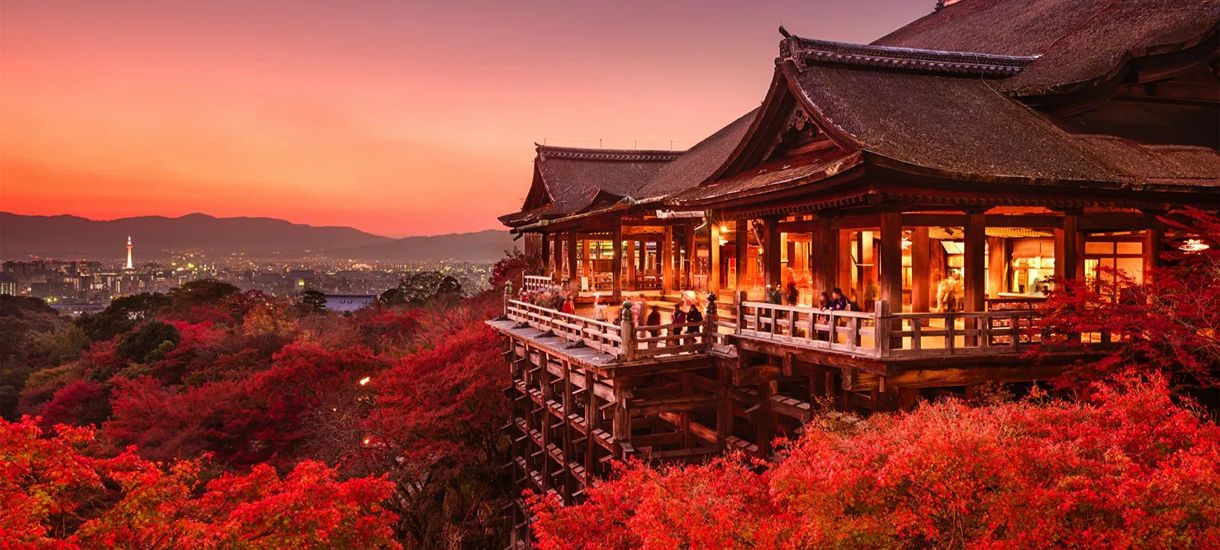
During this time, Japan is painted in shades of red, orange, and gold. Unlike cherry blossoms, autumn foliage lasts longer, giving travelers more flexibility and reducing the pressure of perfect timing. The atmosphere feels calmer and more refined, making it easier to enjoy destinations at a comfortable pace.
Source: Pinterest
However, autumn is no longer a hidden gem. Popular destinations such as Kyoto can still become crowded during peak periods, and prices may rise accordingly.
Source: Pinterest
Even so, for many travelers, autumn strikes the perfect balance between beauty, comfort, and crowd levels. It is especially ideal for couples, photographers, and those looking for a well-rounded, less stressful travel experience.
Winter (November - February)
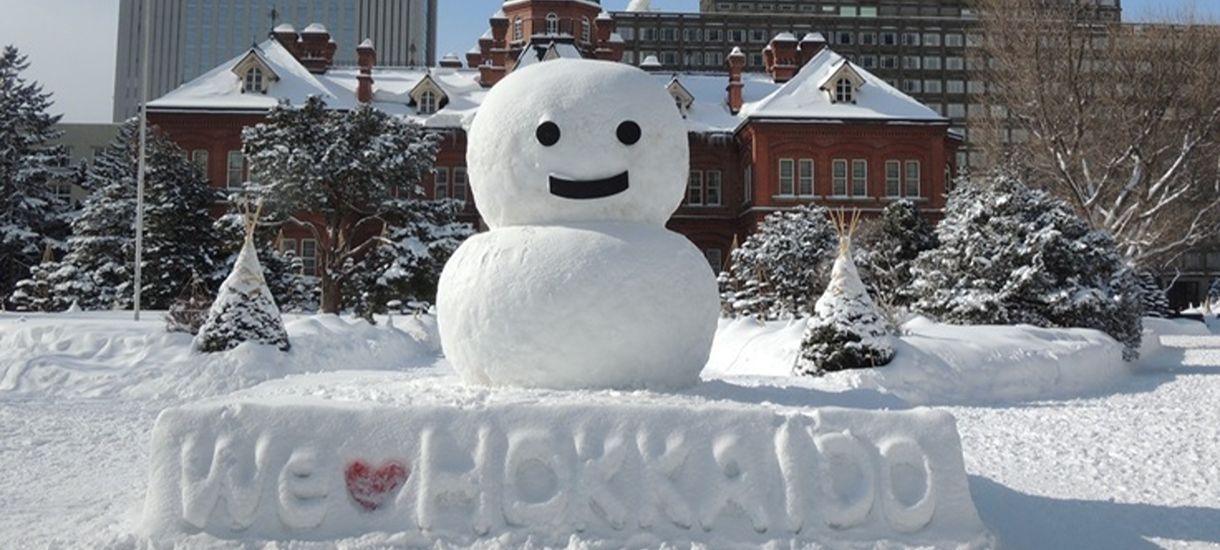
Winter reveals a quieter and more introspective side of Japan. In cities, temperatures drop to around 0–10°C, while northern regions transform into snow-covered landscapes. Compared to other Japan travel seasons, this is considered off-season, offering fewer crowds and better availability.
Source: Pinterest
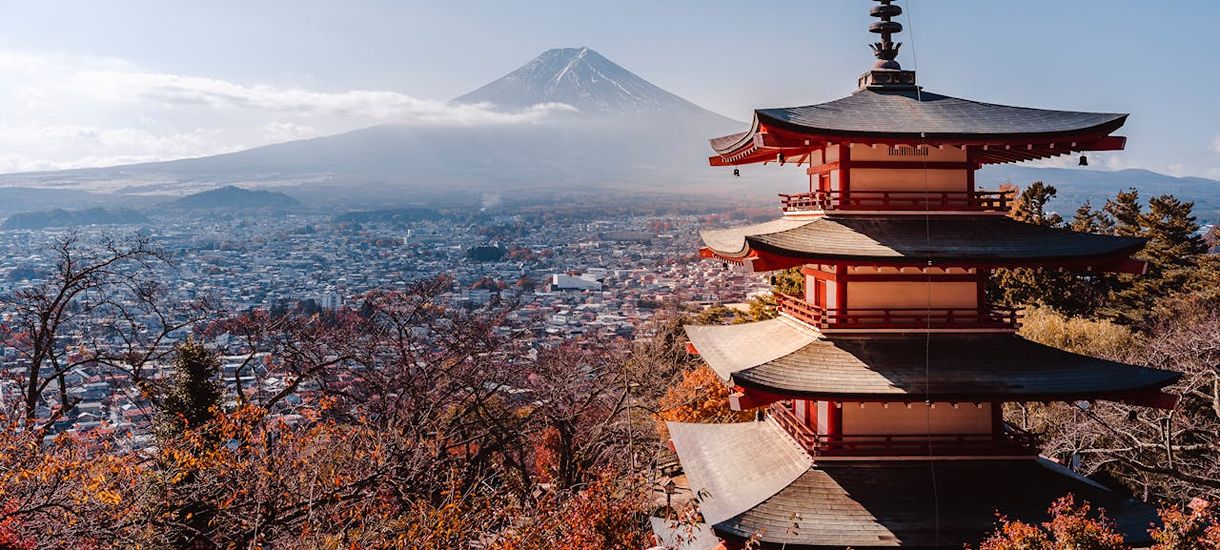
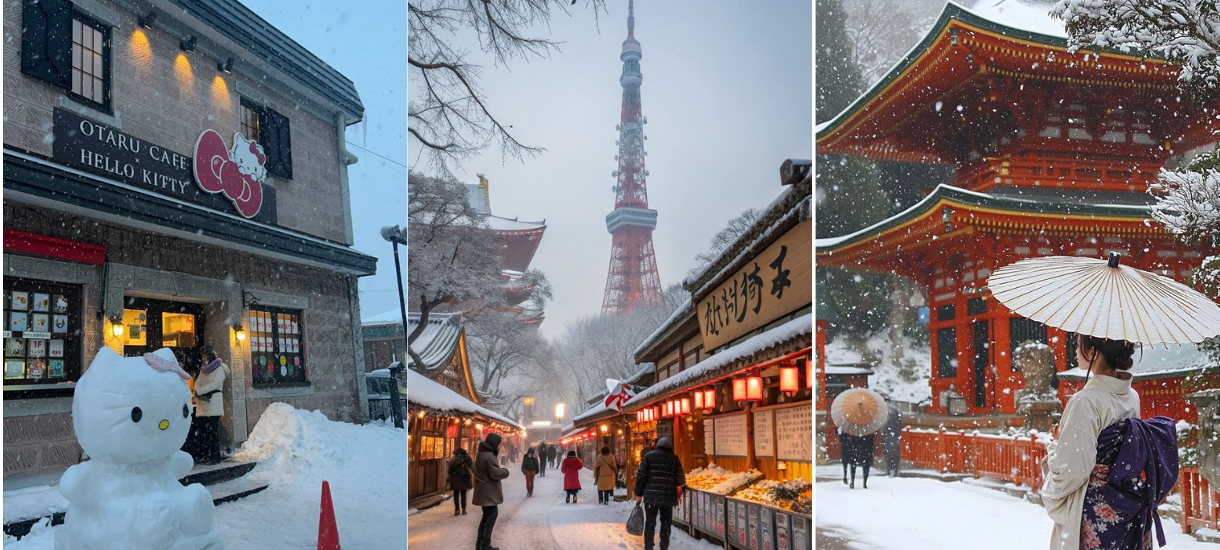
There are clear advantages. Travel costs are generally lower, and on clear days, there is a higher chance of seeing Mount Fuji. Japan is also renowned for having some of the best powder snow in the world, making it a top destination for skiing and winter sports.
Source: Pinterest
The trade-offs include colder weather, shorter daylight hours, and fewer outdoor sightseeing opportunities in certain areas. The atmosphere can feel quieter, which may not appeal to those looking for a lively travel experience.
Still, for skiers, couples seeking a cozy escape, or travelers prioritizing value and space, winter offers a unique and often overlooked perspective on Japan.
So, When Is the Best Time to Visit Japan?
The answer depends on what you want to experience. Spring captures imagination with its fleeting beauty, while autumn offers balance and comfort. Summer brings energy and cultural vibrancy, and winter reveals a quieter, more intimate side of the country.
Japan does not have an off-season, just different moods, shaped by time and weather.
And in the end, the best time to visit Japan is simply when the experience feels right for you.