
Best Things to Do in Japan: First-Time Travelers Should Not Miss These!
Planning your first trip? Discover the best things to do in Japan for first-time travelers, from cultural highlights and must-try foods to scenic landscapes and vibrant cities, all designed for a well-rounded experience.
There are destinations you visit, and then there are places that quietly reshape the way you see the world. Japan belongs to the latter. A country where ancient rituals coexist with cutting-edge innovation, where fleeting beauty is cherished, and where every detail, no matter how small, feels intentional.
If you are planning your first trip and wondering about the best things to do in Japan, think beyond a checklist; what truly defines the journey is a collection of essential experiences that shape your understanding of the country. This guide brings together the most meaningful and exciting experiences in Japan for first-time travelers, carefully curated to help you navigate the country beyond just sightseeing and build a well-rounded first journey.
Ancient Culture Visits: Tracing the Story of Japan
Japanese culture is best understood by stepping into its past. Across the country, Japan is home to over 80,000 shrines and temples, with sacred sites woven into both cities and the countryside, preserving stories that have shaped its identity for centuries and offering some of the most profound cultural experiences.
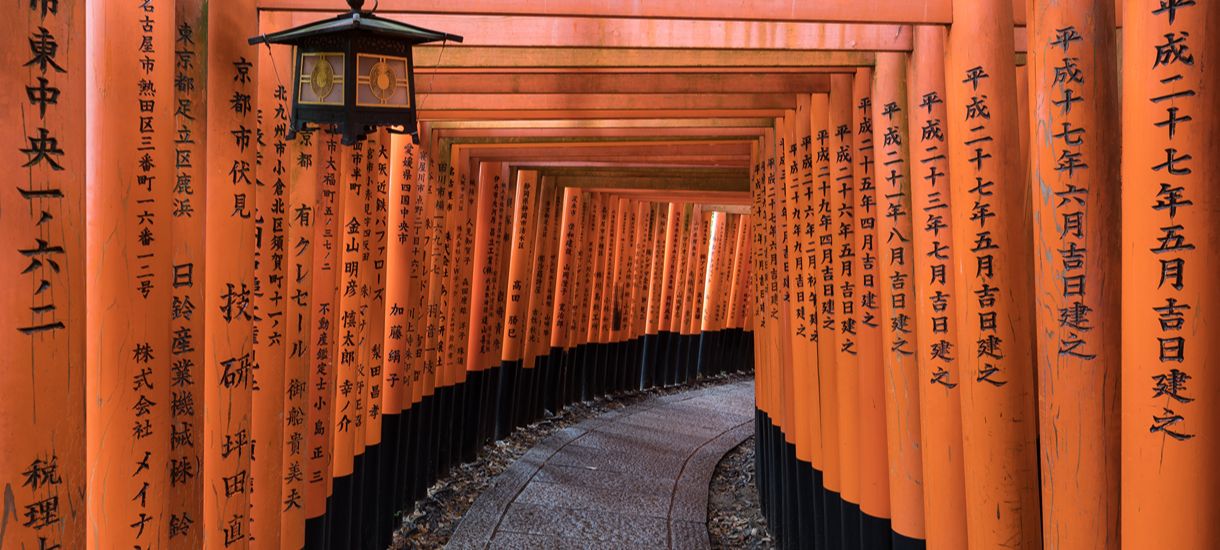
In Kyoto, a walk through Fushimi Inari Taisha feels almost otherworldly. Thousands of vermilion torii gates form a winding path up the mountain, each one a quiet offering, each step a gradual immersion into something sacred. You can hike all the way to the summit for panoramic views, or pause along the way to photograph the endless gates in soft morning light.
Source: Wikipedia
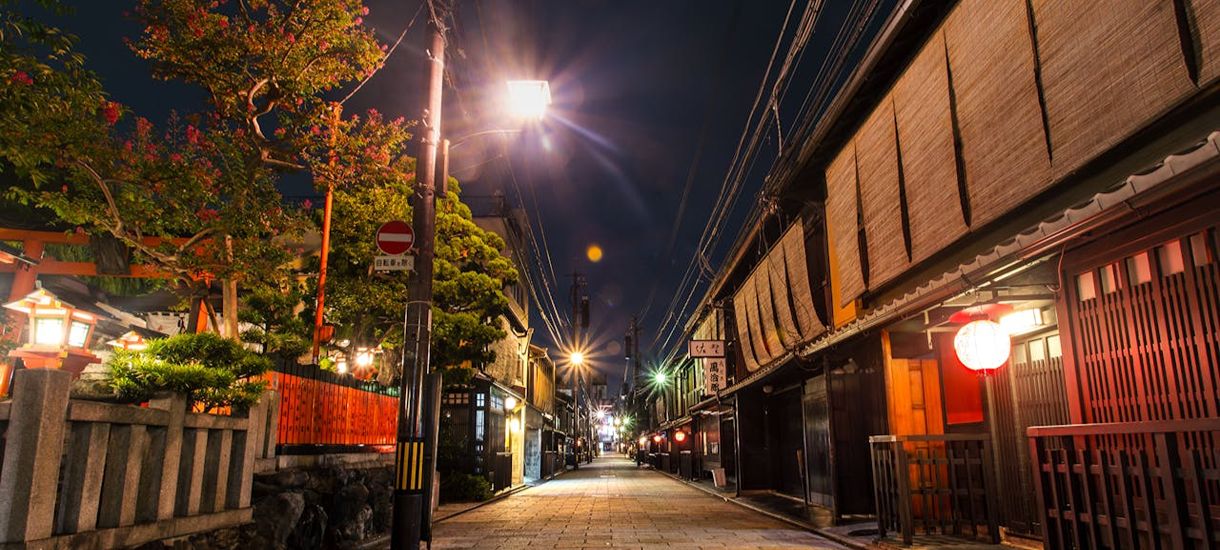
Not far away, the historic streets of Gion District reveal a different kind of heritage, wooden machiya houses, elusive geisha silhouettes, and a rhythm that seems untouched by time. Stroll at dusk for the best chance to glimpse a geisha, or stop by a traditional teahouse for an intimate cultural experience.
Source: Pexels
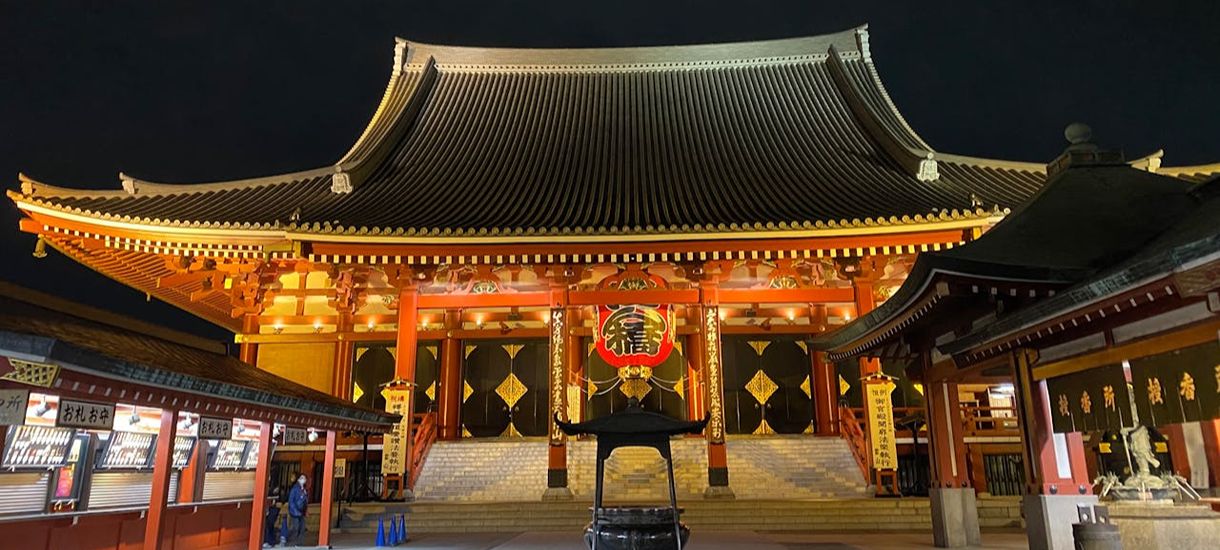
Meanwhile, in Tokyo, Senso-ji Temple stands as a reminder that even in the heart of a megacity, tradition remains deeply rooted. The scent of incense, the murmur of prayers, and the vibrant energy of Nakamise Street create a layered experience that is both spiritual and cultural. Here, you can try omikuji fortune slips, cleanse your hands at the purification fountain, and wander through Nakamise Street for traditional snacks and souvenirs.
Source: Pexels
Gastronomy: A Journey Through Japanese Flavors
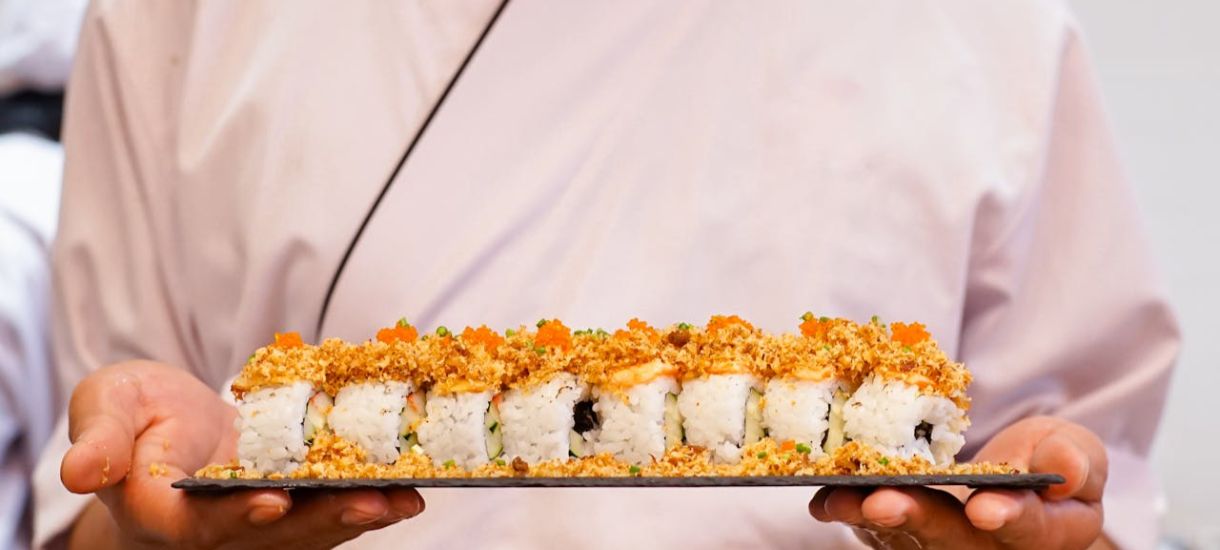
Few countries express their identity through food as eloquently as Japan. Exploring its cuisine is undeniably one of the best things to do in Japan for first-time visitors, as every region tells its own story through taste.
Source: Pexels
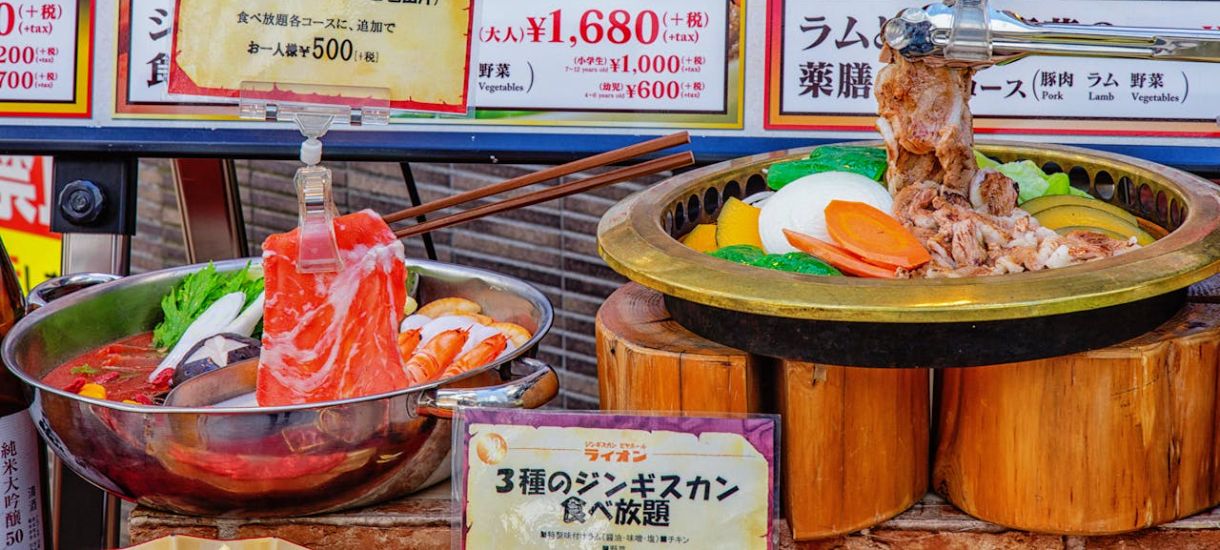
For first-time travelers, exploring its cuisine is one of the most interesting experiences, where each region reveals its character through distinct flavors shaped by climate, history, and local traditions.
Source: Pexels
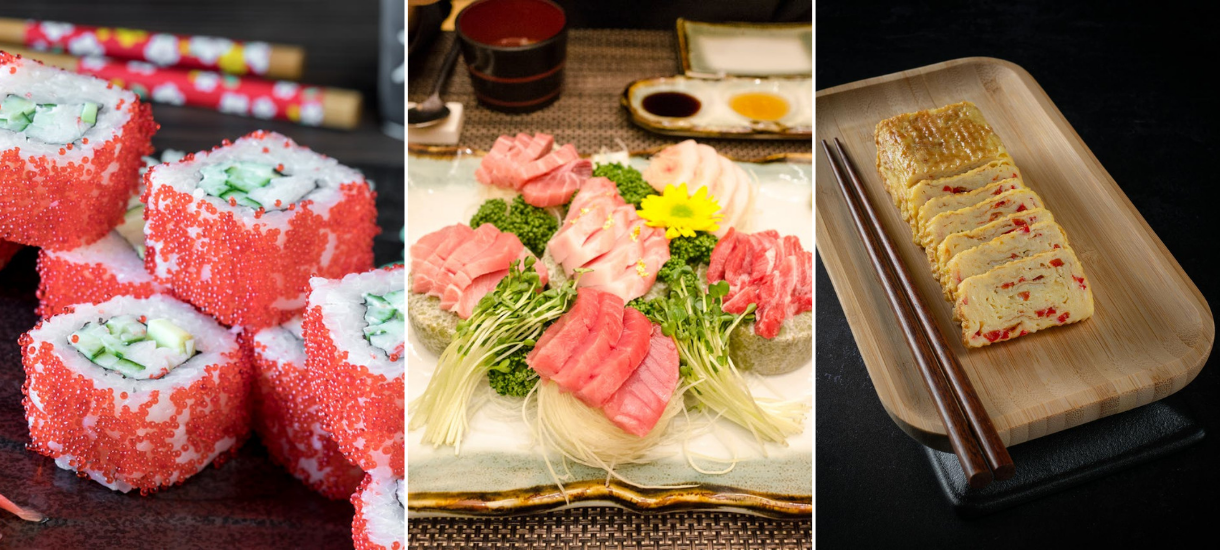
In Tokyo, the culinary scene reflects precision and seasonality at its finest. A morning at Tsukiji Outer Market introduces you to the essence of Japanese seafood culture, where sushi is not just a dish but a craft refined over generations. Join a guided food tour or wander freely, sampling everything from buttery tuna sashimi to freshly made tamagoyaki.
Source: Pexels
Further south in Osaka, often called “Japan’s kitchen,” food becomes more casual, bold, and deeply rooted in street culture. In Dotonbori, the atmosphere is lively and unfiltered, where locals embrace the idea of kuidaore (eating until you drop). Here, street food hopping is a must: takoyaki in one hand, okonomiyaki in the other, all enjoyed under glowing neon lights along the canal.

Source: Pexels, Wikipedia
Travel north to Sapporo in Hokkaido, and the flavors shift with the colder climate. Rich miso ramen, fresh dairy products, and some of Japan’s best seafood define the region, offering a heartier, more comforting culinary experience that contrasts beautifully with the refinement of the south.

Source: Pexels, Hokkaido Love
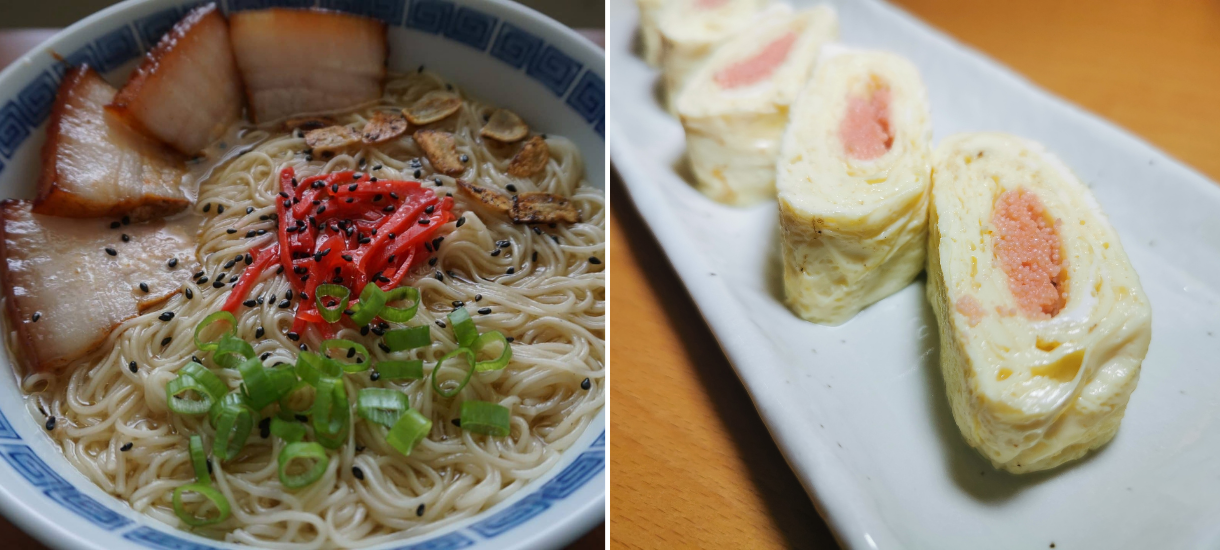
Meanwhile, in Fukuoka, food culture is intimate and social. The city is famous for its yatai, small open-air food stalls, where you can sit shoulder to shoulder with locals, enjoying a bowl of Hakata ramen while the city hums quietly around you.
Source: TasteAtlas, Dinner by Dennis
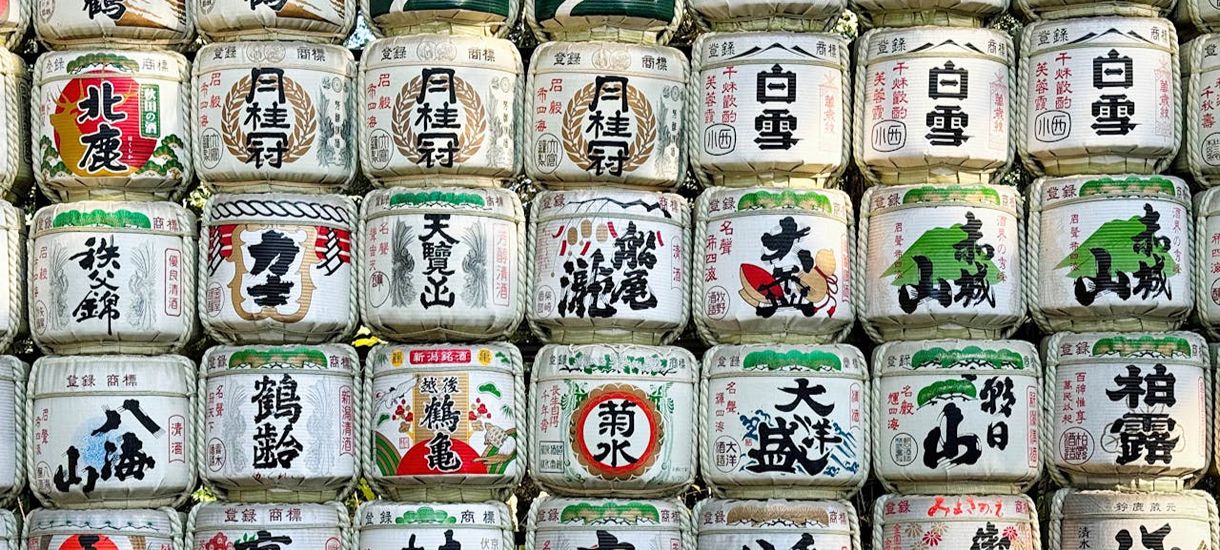
For something more nuanced, the Fushimi Sake District in Kyoto invites you into the world of traditional brewing. Here, tasting sake becomes an art form, subtle, complex, and deeply tied to the region’s pristine water and centuries-old techniques.
Source: Pexels
Spiritual Experience: Moments of Stillness and Reflection
Beyond its visible beauty, Japan offers something quieter, an invitation to pause. These spiritual experiences in Japan travel are not just activities, but deeply personal encounters with stillness and meaning.
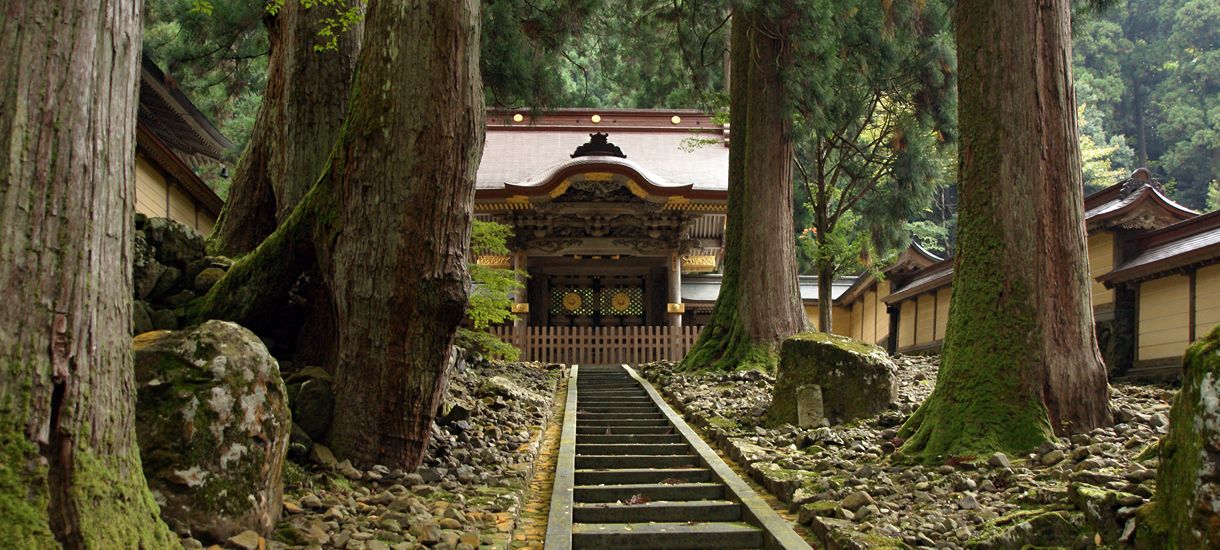
At Eihei-ji Temple (Fukui), one of the country’s most important Zen monasteries, meditation is practiced not as an escape, but as a way of being present. You can join a short Zen meditation session, observe monks’ daily routines, or even stay overnight for a deeper immersive experience.
Source: Wikipedia
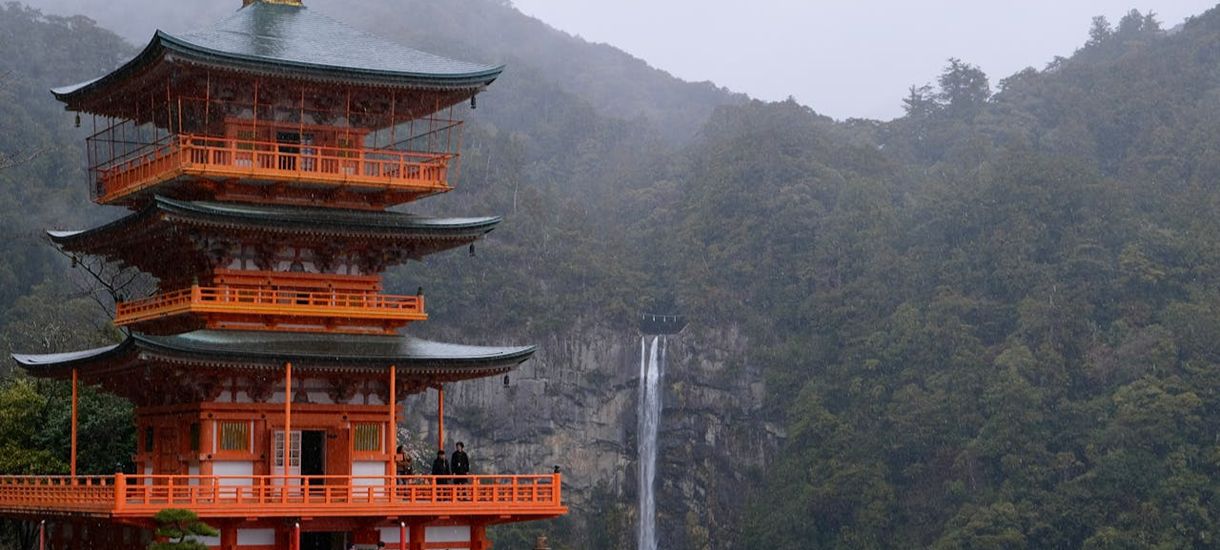
Further south, the ancient trails of Kumano Kodo (Wakayama Prefecture) wind through forests and mountains, guiding travelers along paths once walked by emperors and pilgrims. Each step feels intentional, each moment grounded in nature and history. Choose a section of the trail for a day hike, or follow a multi-day pilgrimage route, stopping at small shrines and traditional inns along the way.
Source: Pexels
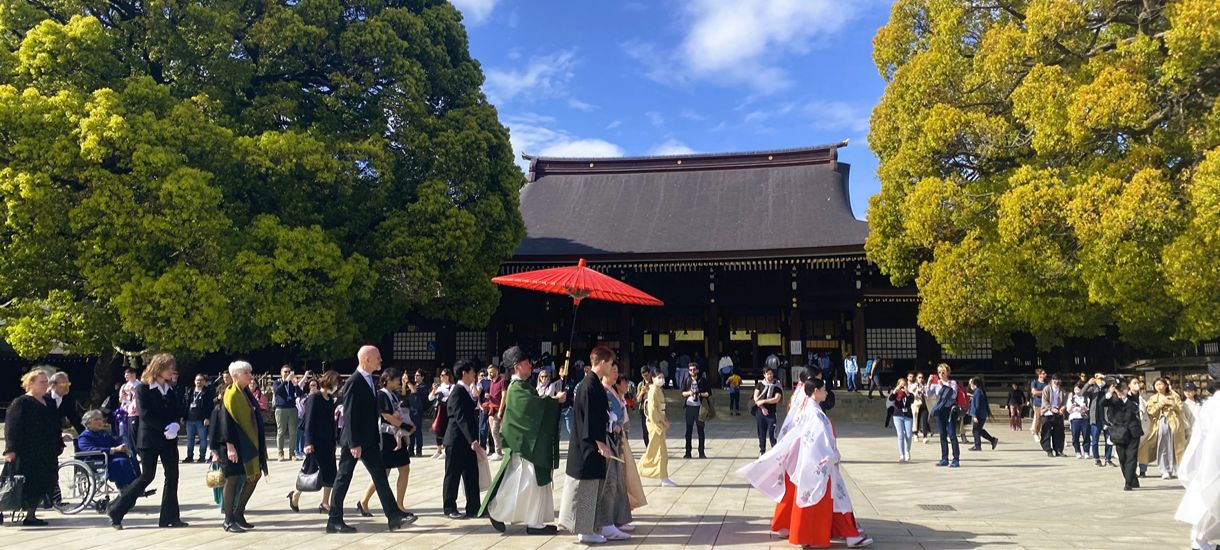
Even within the urban energy of Tokyo, Meiji Shrine offers a sanctuary. Hidden within a forest, it provides a rare stillness, a place where the noise of the city fades into the background. Write your wishes on ema wooden plaques, witness a traditional wedding procession, or simply walk the forested paths in quiet reflection.
Source: Wikipedia
Art of Living: The Beauty of Everyday Rituals
In Japan, art is not confined to galleries; it lives in daily rituals. To experience these traditions is to understand the country’s philosophy of balance, harmony, and mindfulness, core elements of the Japanese art of living experiences.
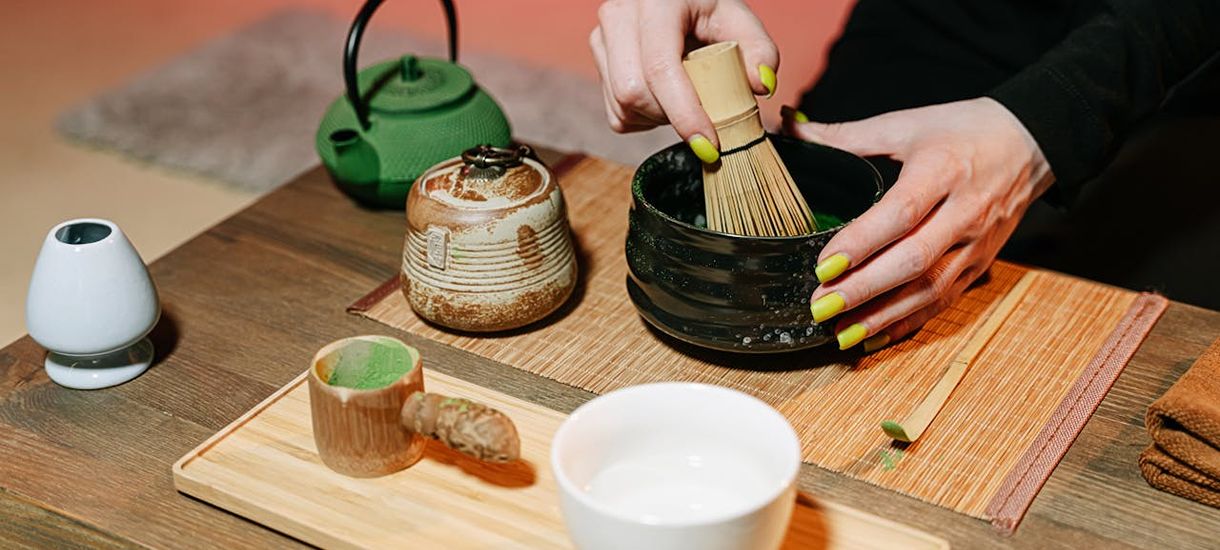
In Kyoto, participating in a traditional tea ceremony reveals a world where every movement is deliberate, every gesture meaningful. It is not simply about drinking tea, but about presence, respect, and quiet appreciation. You can learn how to prepare matcha, understand the philosophy behind each gesture, and experience omotenashi, Japan’s art of hospitality.
For those seeking a deeper cultural immersion, curated journeys like the Japan Art and Culture Tour offer a thoughtful way to experience tea ceremonies alongside other traditional arts, all woven into a well-rounded first-time journey through Japan.
Source: Pexels
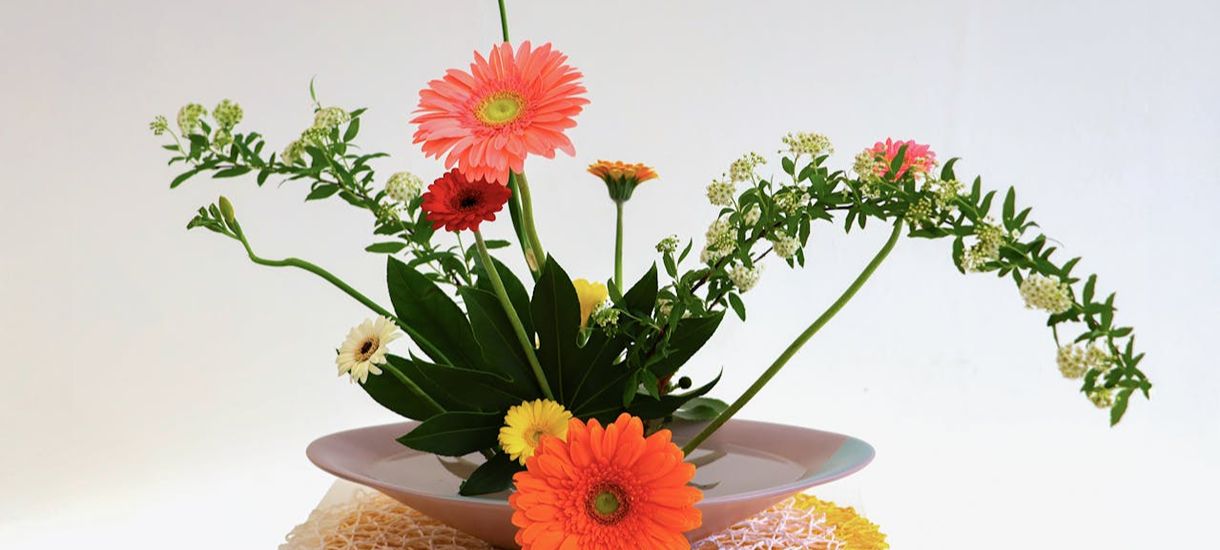
Equally captivating is the practice of ikebana, the art of flower arrangement, where asymmetry and space are as important as the blooms themselves. Create your own arrangement under the guidance of a master, focusing on balance, space, and seasonal elements.
Source: Pexels
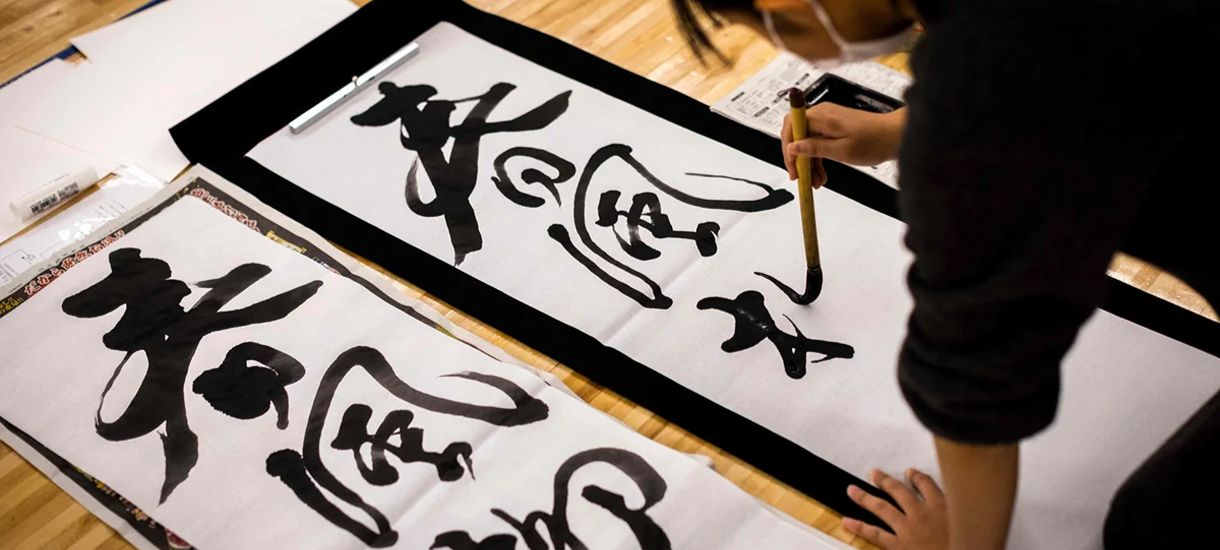
Meanwhile, calligraphy sessions in Tokyo transform simple brushstrokes into expressions of discipline and creativity, blending technique with emotion. Practice writing kanji characters and bring home the work as a meaningful, personal souvenir.
Source: The Guardian
Scenic Landscapes: Nature in Its Purest Form
Japan’s landscapes are as diverse as they are breathtaking, offering some of the most memorable scenic spots to visit. From iconic peaks to tranquil forests, nature here feels both powerful and poetic.
No image is more synonymous with Japan than Mount Fuji. Whether viewed from afar or climbed in season, its presence is both commanding and serene, a symbol of balance and beauty. You can climb during the official season for a sunrise summit experience, or capture postcard-perfect views from nearby lakes like Kawaguchi.

Source: Pexels
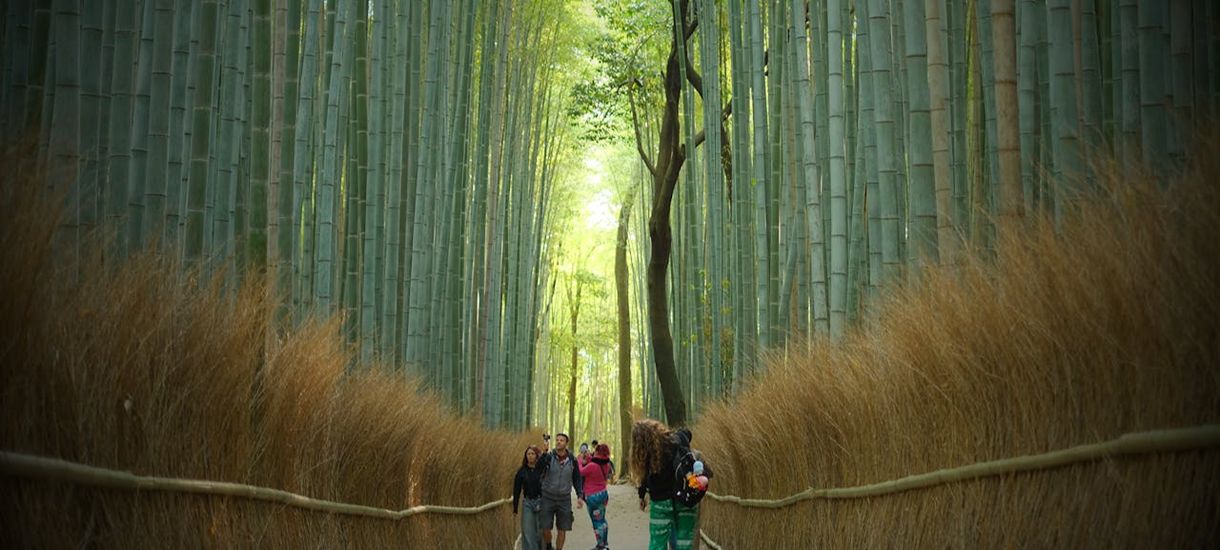
In Arashiyama Bamboo Grove, towering stalks sway gently, creating a dreamlike atmosphere where light and shadow dance in quiet harmony. Walk early in the morning to avoid crowds, rent a kimono for photos, or combine your visit with a boat ride along the nearby river.
Source:Pexels
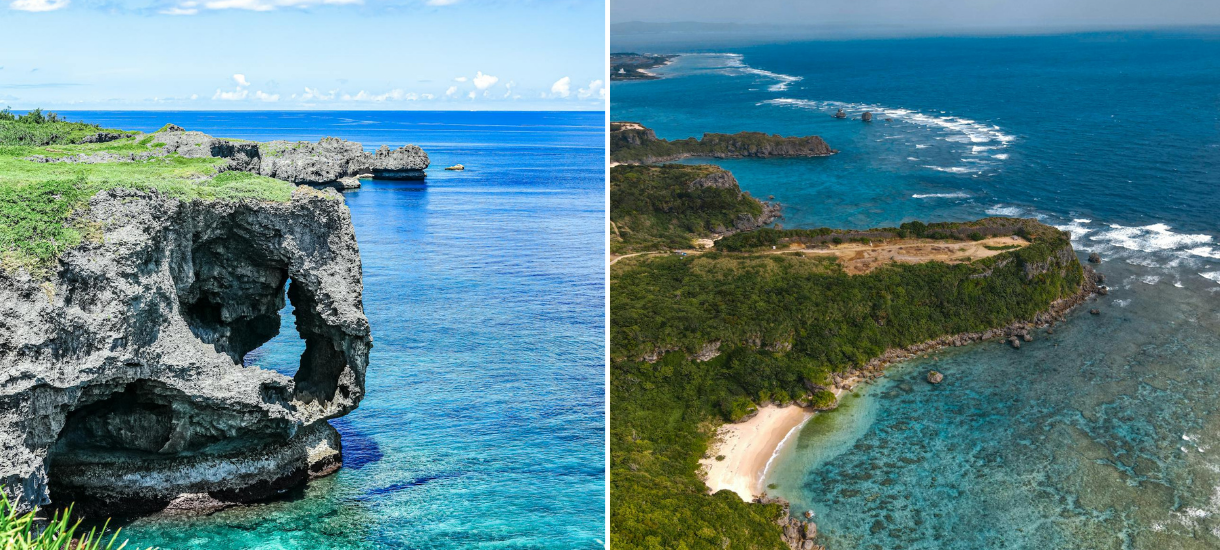
Beyond mountains and forests, Japan’s coastline offers a completely different perspective. On Miyako Island in Okinawa Prefecture, crystal-clear waters and soft white sand create a tropical escape far removed from the mainland’s pace. Spend your time snorkeling over coral reefs, cycling along coastal roads, or simply watching the horizon shift through shades of blue.
Source: Pexels
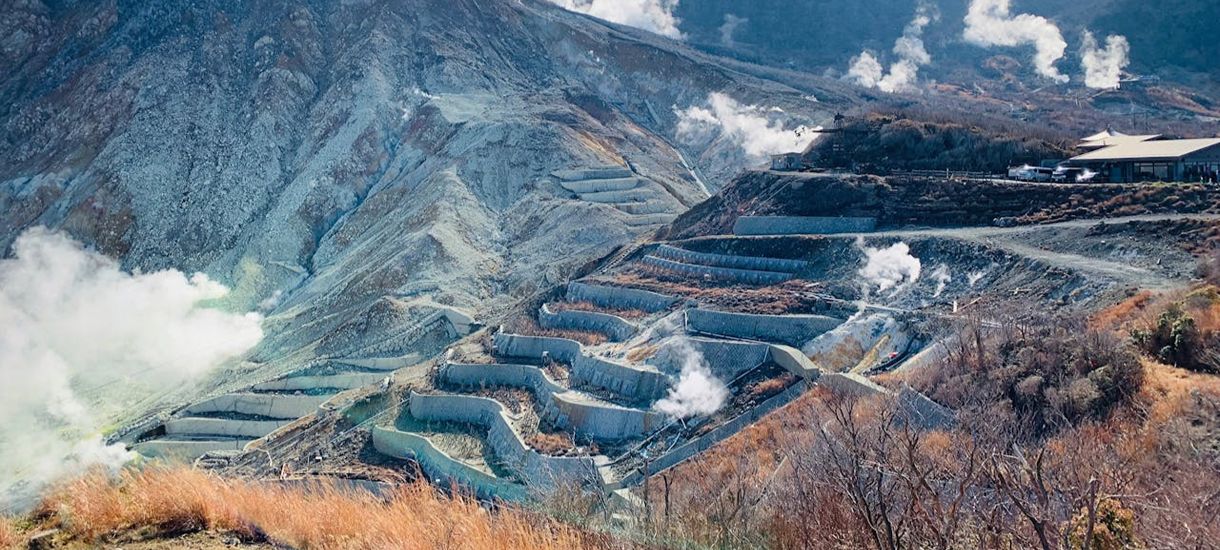
Meanwhile, the hot spring region of Hakone offers a different kind of escape, where steaming onsen baths overlook mountains and lakes, inviting complete relaxation. Soak in an open-air onsen, cruise across Lake Ashi, or ride the ropeway for views of volcanic landscapes.
Source: Pexels
Megacity & Innovation: Japan’s Vision of the Future
While tradition defines its roots, innovation shapes Japan’s future. Exploring its cities reveals a dynamic contrast, making this one of the most exciting modern Japan experiences.
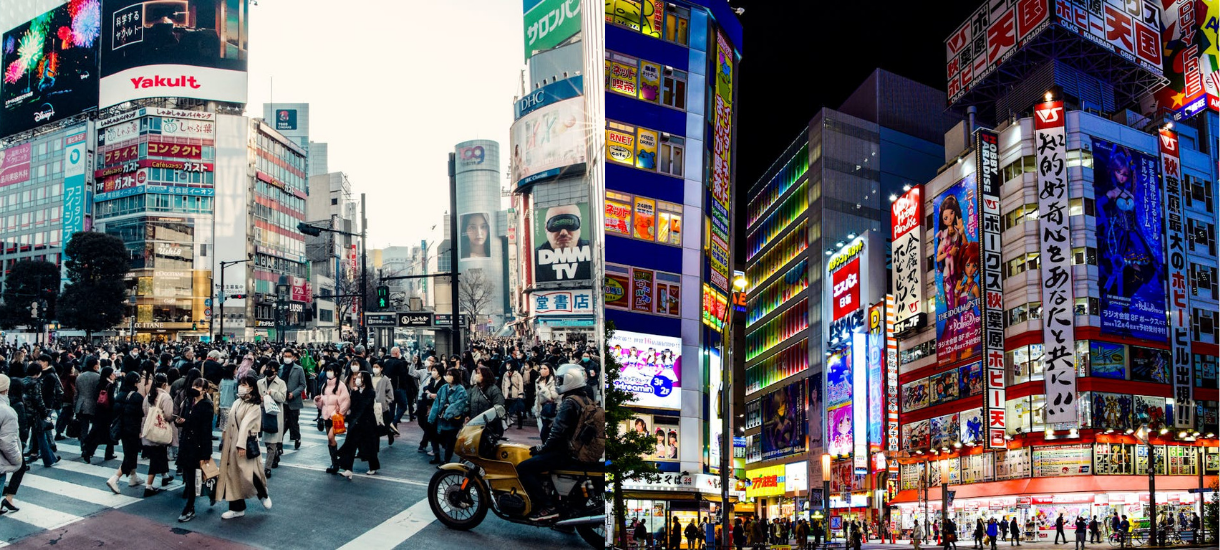
At Shibuya Crossing, the sheer movement of people becomes a spectacle, an organized chaos that reflects Tokyo’s relentless energy. Nearby, Akihabara immerses visitors in a world of technology, anime, and subculture, where creativity and innovation collide. You can watch from above at a nearby café, then join the crossing yourself for that iconic Tokyo moment.
Source: Pexels
Connecting it all is the Shinkansen, a symbol of precision and efficiency. Traveling across the country at remarkable speed, it turns distance into a seamless experience, embodying Japan’s forward-thinking spirit. Book a window seat for scenic journeys between cities, enjoy ekiben (train bento), and experience the precision of Japan’s rail system firsthand.

Source: Pexels
A Journey That Stays With You
Ultimately, the best things to do in Japan are not defined by how many places you visit, but by how deeply you experience them. It is in the quiet moments beneath a temple gate, the fleeting taste of a perfect dish, the stillness of a forest path, or the glow of a city at night.
Japan does not demand attention; it invites it. And for those willing to slow down and truly see, it offers a journey that lingers long after you have left.