
What to Know Before Traveling to Laos
Discover some Laos travel facts before you visit the Southeast Asian country that is famous for its waterfalls, festivals, wildlife and culture.
Laos is a small country, not much bigger than the state of Utah in the US. Don’t let its modest size fool you, though. Laos is big on charm, packed with gorgeous landscapes, exciting adventures, and a warm and welcoming culture. Here are some interesting facts to know before you travel to Laos.
Source: Pixabay
Laos is the only landlocked country in Southeast Asia
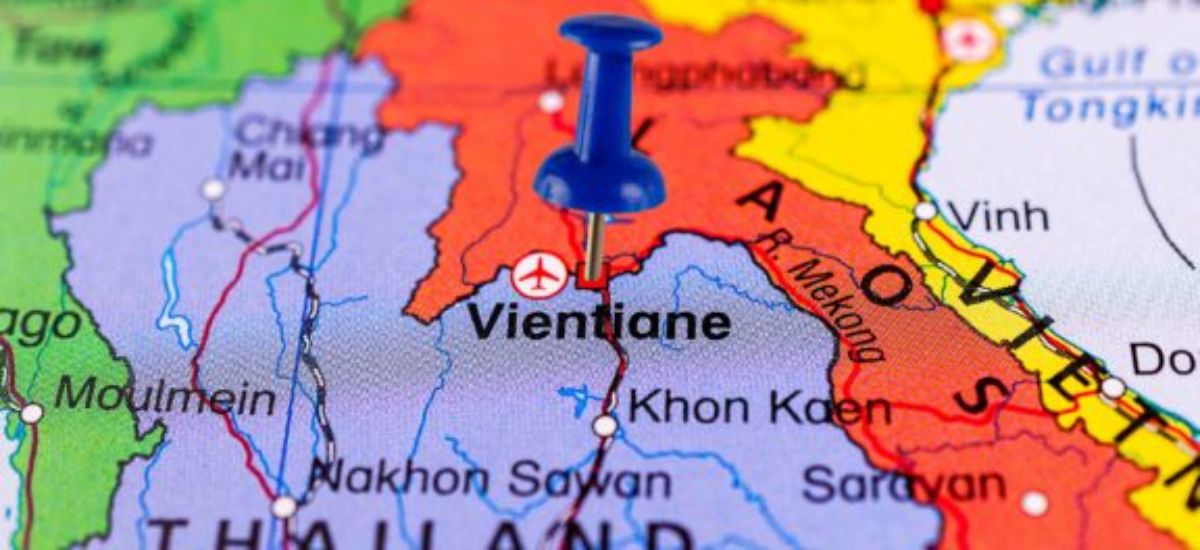
Laos has a long, narrow profile, wedged between Vietnam on the north and east, and Thailand and Cambodia on the west and south. It also shares a tiny bit of border with Myanmar. What Laos doesn’t border is the sea, making it the sole landlocked country in Southeast Asia.
Source: Pinterest
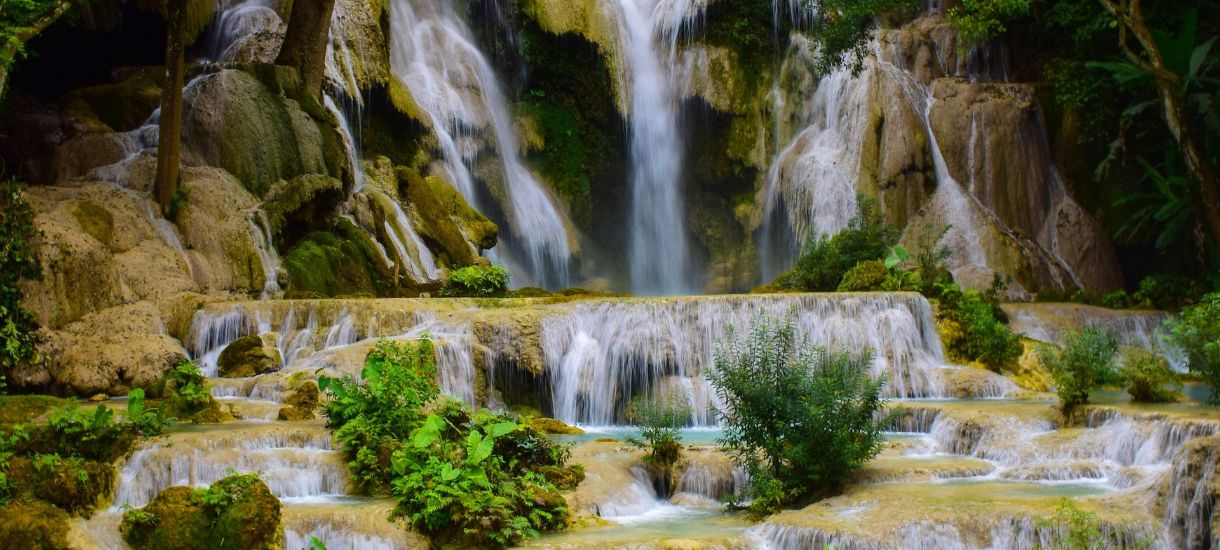
What Laos lacks in seacoasts, however, it makes up for in abundant lakes, rivers, and waterfalls. The majestic Mekong River flows through Laos, along with the Ma River, the Ca River, and numerous tributaries. Laos is also home to spectacular waterfalls like Khone Phapheng Falls and Kuang Si Falls.
Source: Pixabay
Laos' nickname celebrates its elephants
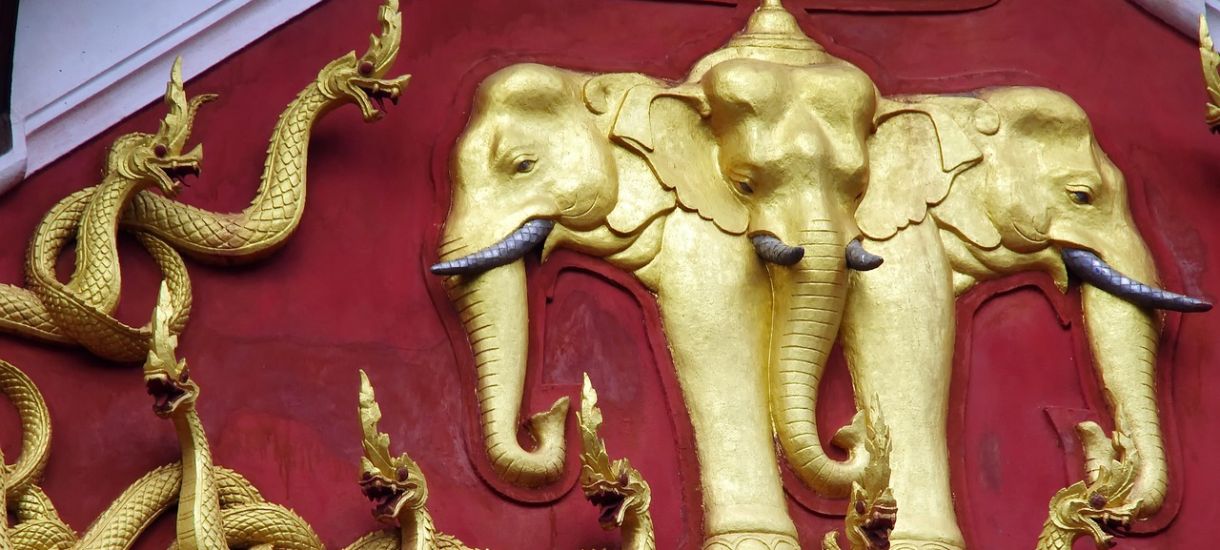
A Laos fun fact is that this country is known as the “Land of a Million Elephants.” This nickname is derived from the name of the Kingdom of Lan Xang, which existed in Laos during the 14th century. Back in those days, elephants were used for labor and even formed part of the military.
Source: Pixabay
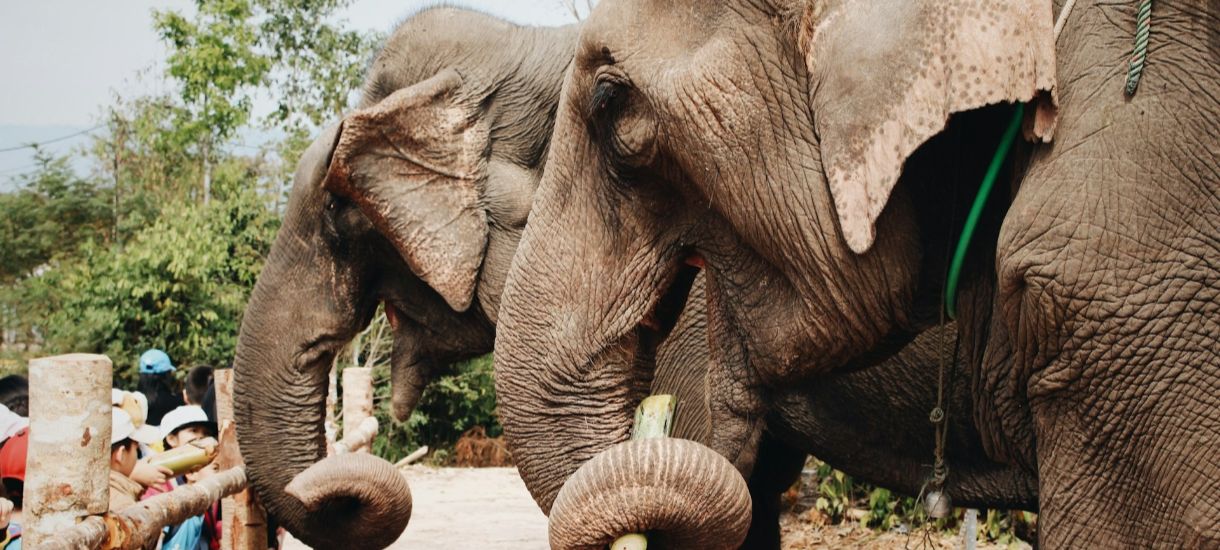
Elephants today are still a powerful symbol in Laos, representing part of the country’s national identity. But sadly, their population has dropped to under 1,000. Their birth rates have not been able to keep up with the threats endangering them.
Source: Pixabay
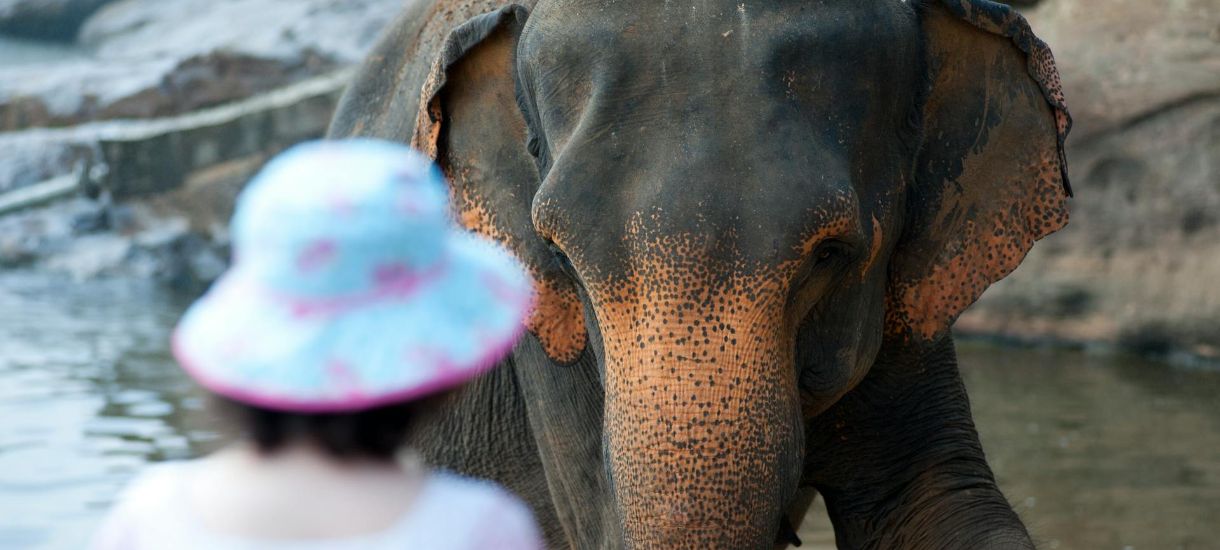
If you want to get up close and personal with these mighty creatures, you can visit a Laos elephant sanctuary. Just make sure you are choosing an ethical sanctuary where elephants are allowed to engage in their natural behaviors, are well-cared for, and are not forced to carry riders or perform.
Source: Pexels
Laos is the most-bombed country on Earth
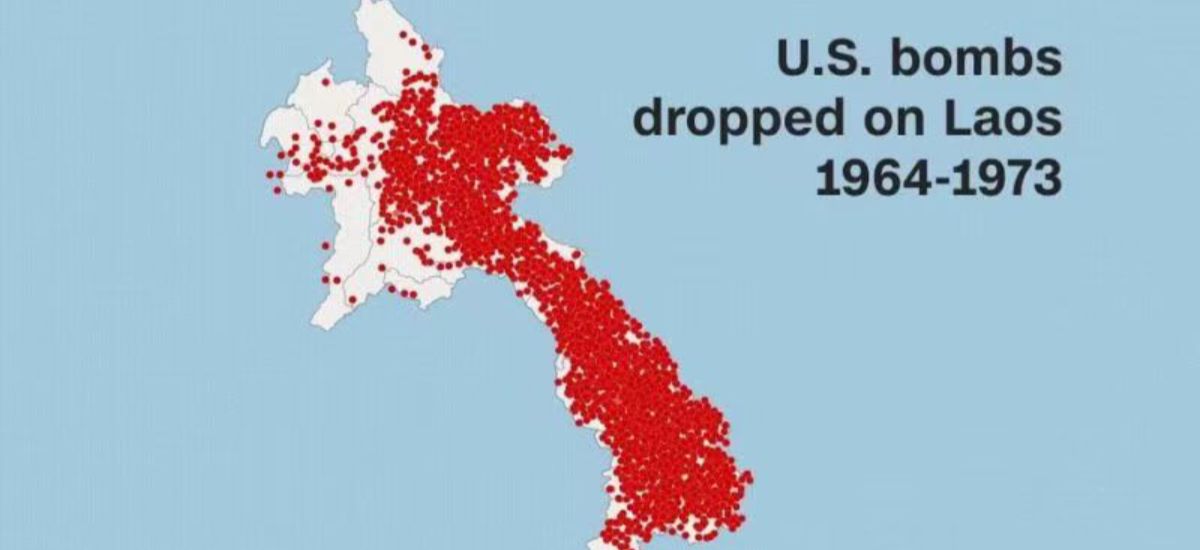
During the Cold War, Laos was a neutral country, at least on paper. So why did it become the most bombed country in history? The answer comes down to a communist group called Pathet Lao. This group got its start in 1950 during the French War with Vietnamese backing. By 1960, the US had sent in the CIA. In 1964, they escalated to bombing Laos to try and cut off communist supply lines.
Source: X
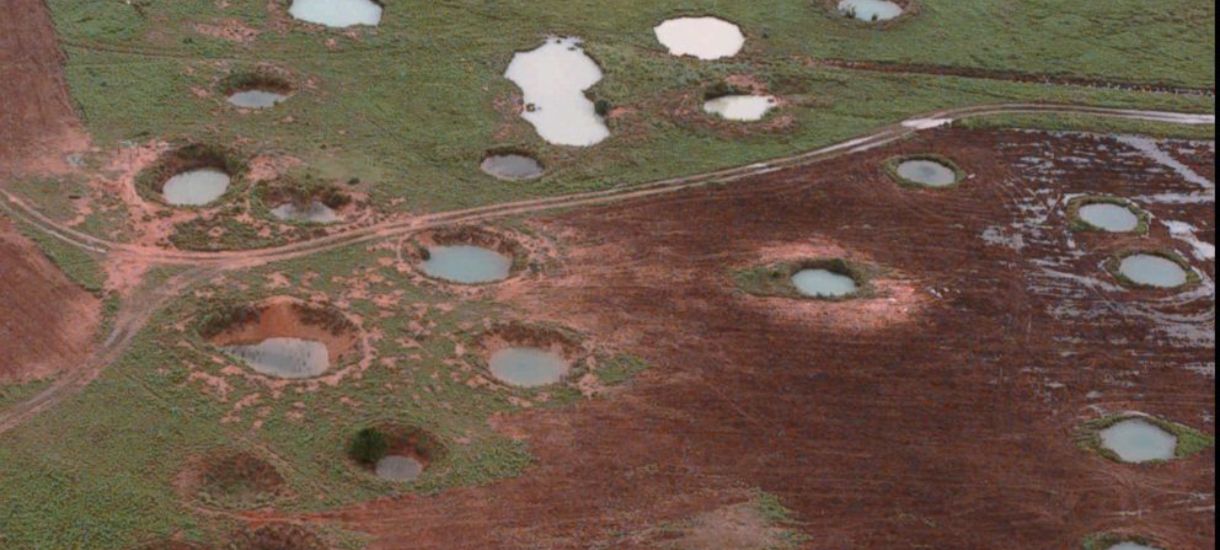
The sheer volume of the campaign was staggering: the US dropped two million tons of cluster bombs. That adds up to more than the total of all bombs dropped collectively on all countries worldwide in World War II. Not sure how to visualize the scale of the bombing? If the US were to have released a planeload every eight minutes, it would have taken them nine years to drop all the bombs if they were doing so 24 hours a day.
Source: ABC News
Sticky rice is Laos’ prized staple food
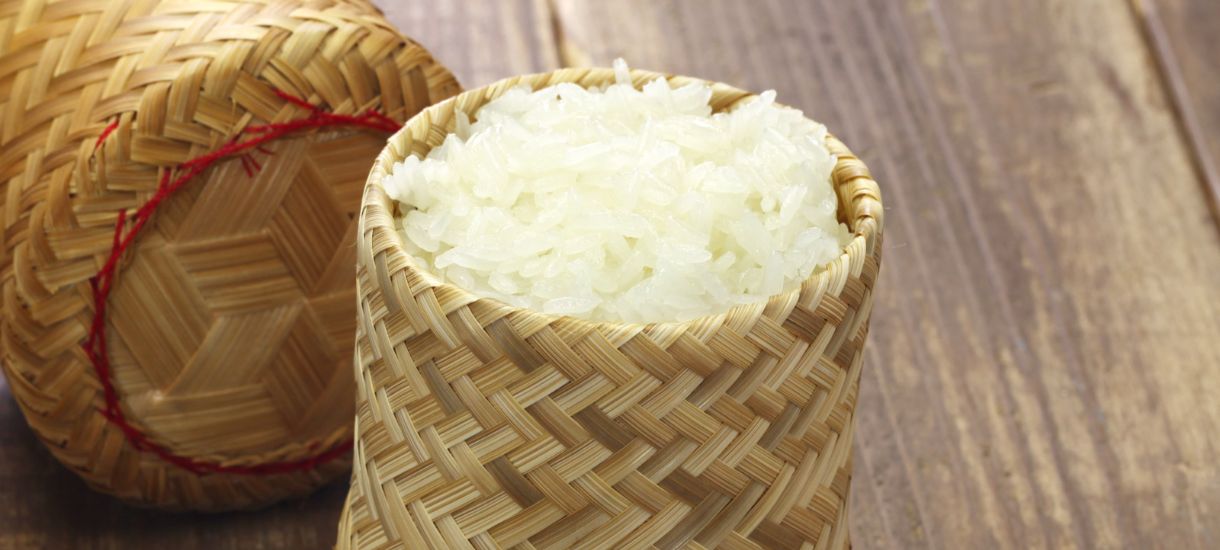
If there is one food Laos is famous for, it is sticky rice, locally known as khao niew. Sticky rice is a staple served with many dishes, adding a chewy, satisfying texture to Laotian cuisine.
It isn’t easy to prepare sticky rice. The process starts with soaking overnight. The next day, the contents are transferred to a bamboo basket for steaming. The result is a glutinous rice that is just subtly sweet and does a great job soaking up the flavors of any dish.
Source: Tasting table
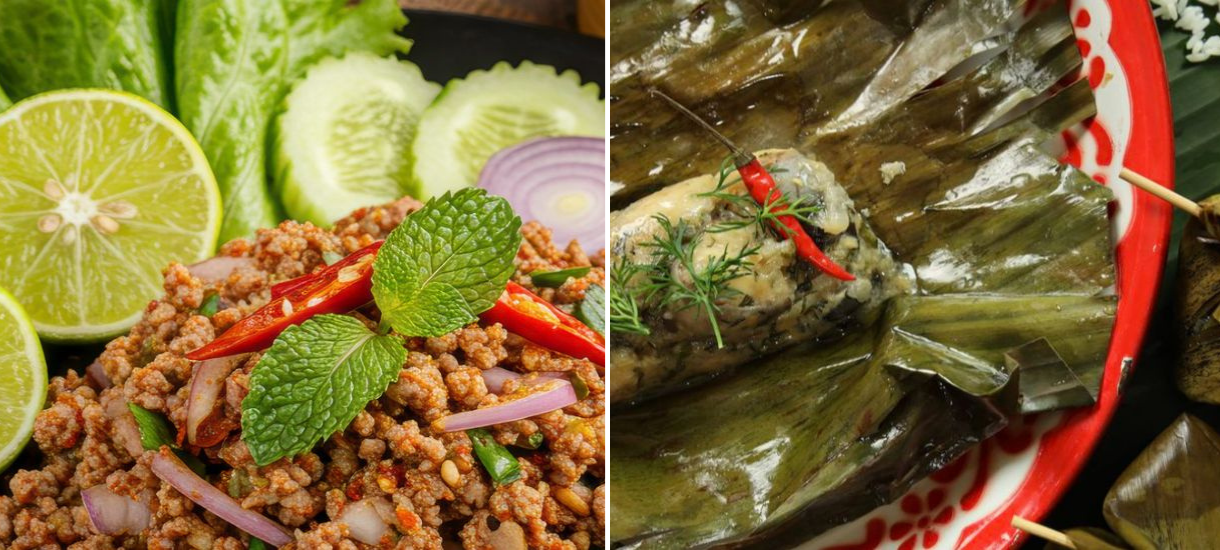
Visiting Laos is your chance to experience sticky rice without the hassle of trying to prepare it yourself. Try larb, a dish that combines minced meat with toasted sticky rice, fish sauce, shallots, mint leaves, fish sauce, and other tasty ingredients. Also delicious is mok pa, a dish that includes steamed fish, sticky rice, and banana leaves. You can also try som tam, a salad with shredded papaya, sticky rice, crushed peanuts, fish sauce, and chilli.
Source: Pixabay, saeng kitchen
Not every Laotian sticky rice recipe is savory. Order coconut sticky rice for a dessert that is as visually stunning as it is delicious. The dish is made with white and black sticky rice. Cooking them together results in both turning a vivid, startling hue of purple. This purple rice is then drizzled in a sauce made with coconut milk, sugar, and a dash of salt, simple but divine.

Source: Instagram
Becoming a monk is an expected coming-of-age rite for boys
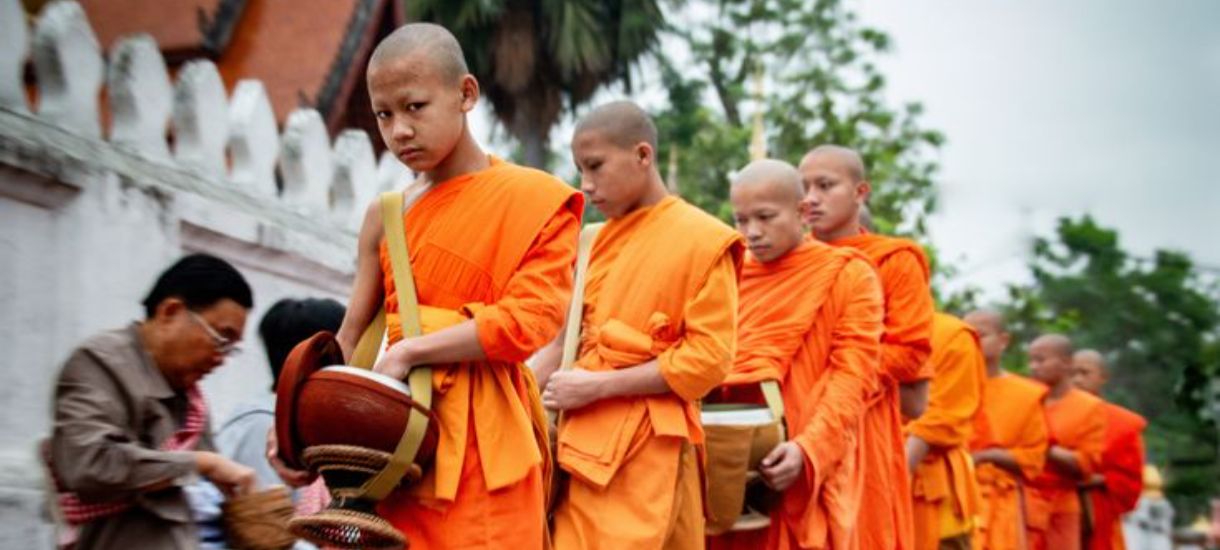
While visiting Laos, you may sometimes encounter adolescent boys dressed as monks.
Source: Pinterest
Laos is a country of multiple faiths, but Buddhism is the majority religion. Laotians take religion very seriously, weaving it into the fabric of everyday life and social expectations. Boys growing up in Laos generally spend at least some time at the monasteries, living as novitiates.

Source: Pexels
During that time, they study a broad range of subjects, including religion, math, science, and ancient and modern languages. English is often one of those languages, which is why some boys may request to practice English with you.
How long each boy spends at the monastery varies. Some only do it for a few months, while others stay for the entirety of their education. After school is over, the boys can decide whether to remain, making the faith their life’s work. Those who do can expect a long journey ahead. It takes another 20 years or so before they can graduate to full monk status.

Source: Pexels
The philosophy of ‘sabai sabai’
The phrase sabai sabai (สบาย สบาย) is used to describe the chill, carefree lifestyle and mindset that permeates the culture of some Southeast Asian countries, including Laos and Thailand. Curious about the phrase’s origin? It was popularized by the musical artist Bird Thongchai.

Source: Pinterest
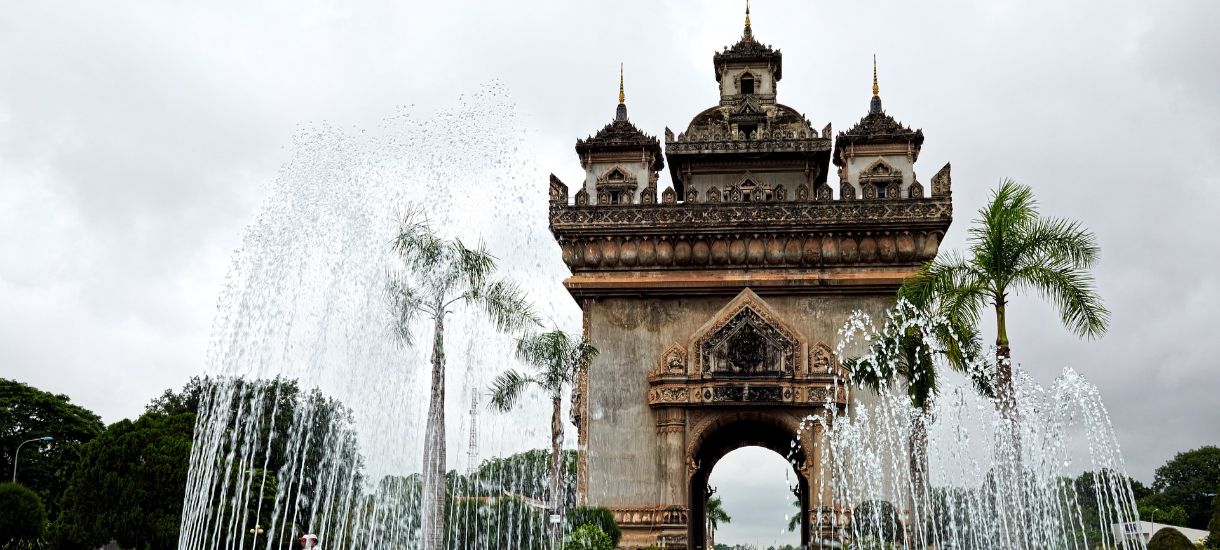
Tourists from faster-paced countries can really benefit from adopting a sabai sabai mindset themselves while they are in Laos. It isn’t that people living in Laos don’t have to deal with the same demands as people elsewhere. It is just that Laotian culture encourages taking a breath now and again between those hectic demands.
Source: Pixabay
Let go of the urge to rush here and there, always checking something off your bucket list. Give yourself a chance to slow down, unwind, and just “be in the now.” Try to bring some of this mindset home with you when you return from your Laos.
An ethnically diverse country
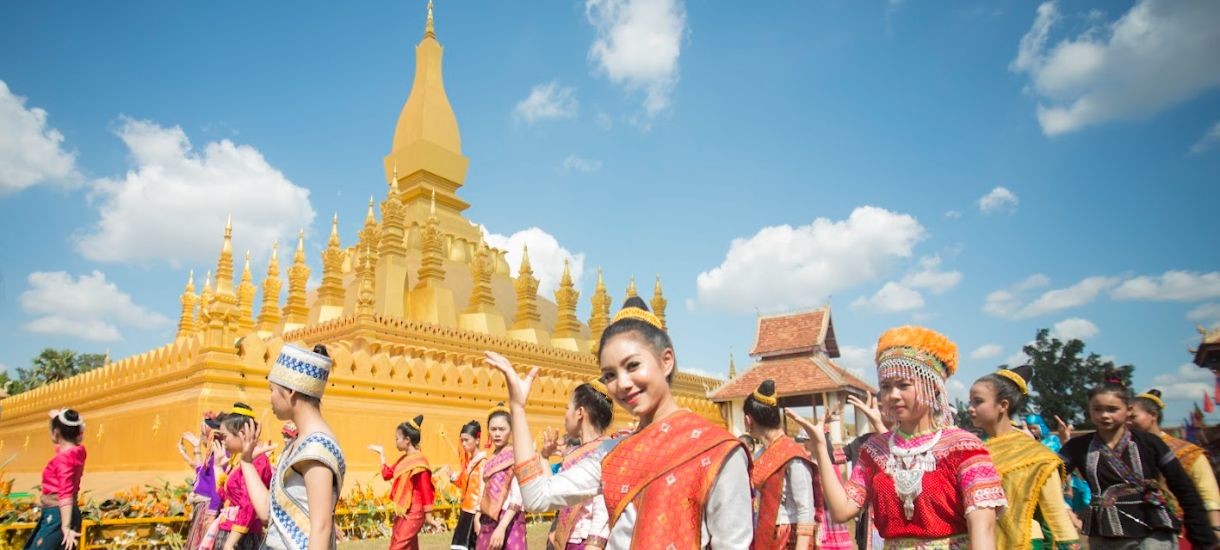
Laotian culture isn’t a monolith. As you explore, you will encounter incredible ethnic diversity. The most recent list by the Lao Front for National Construction (LFNC) includes more than 160 ethnic groups. These groups speak 73 different languages, making the country’s linguistic tapestry rich as well.
Source: Pinterest
53% of the population of Laos belongs to the Lao ethnic group. Two other ethnic groups that account for a large percentage of the population are the Hmong and the Khmu. Every ethnic group in Laos brings its own unique customs. Visit the markets in Luang Prabang and smaller communities to browse for handmade souvenirs crafted with traditional techniques that express these unique ethnic identities and cultures.

Source: Pexels
‘Bo Pen Nyang’ mindset
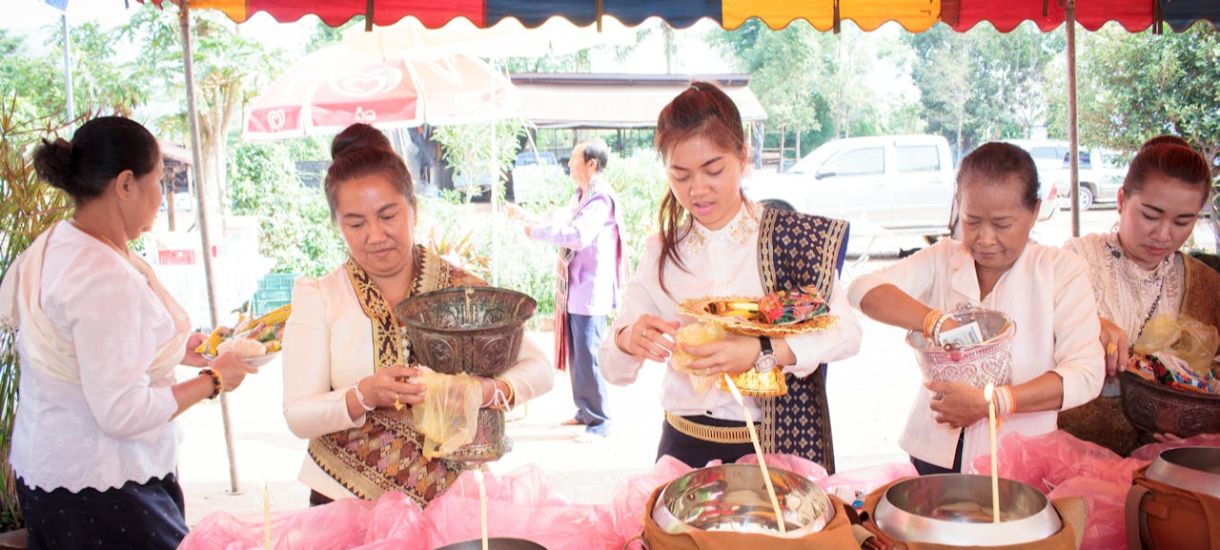
When something doesn’t go as planned, A Laotian person might sometimes say “Bo pen nyang.” This phrase translates to “never mind,” and is a way to brush off the inconvenience.
Source: Pexels
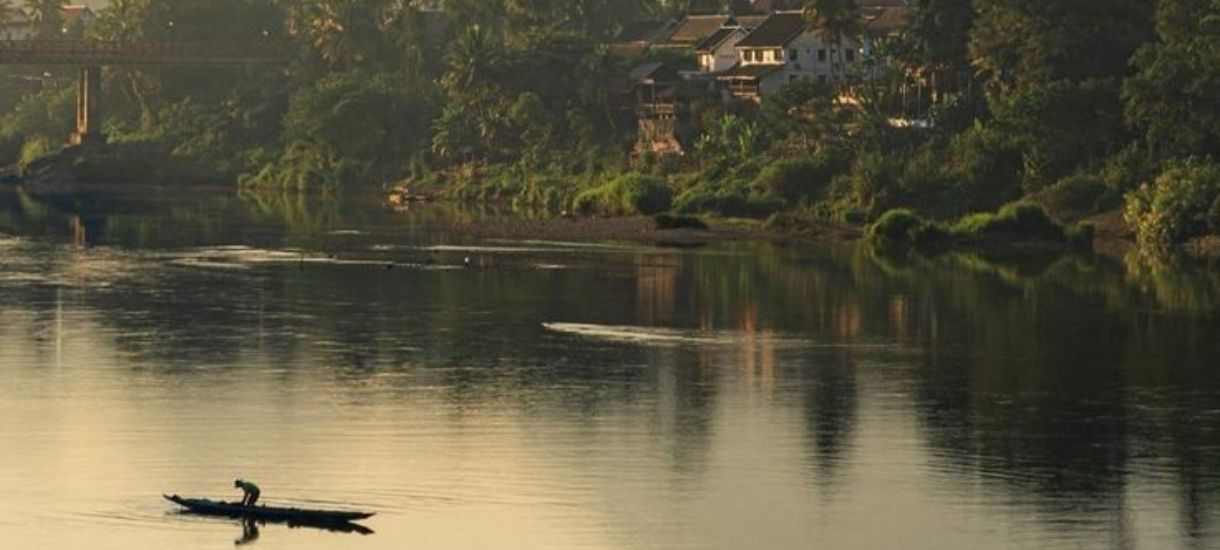
Bo pen nyang goes hand in hand with sabai sabai. It’s a way to remind yourself when things go wrong to get some perspective. Ask yourself if it is really a big deal in the grand scheme of things.
Source: Pinterest
Forgot to pack your floss? Bo pen nyang. Stuck waiting an extra 20 minutes for a dinner reservation? Bo pen nyang. The activity you planned was canceled due to the weather? Bo pen nyang.
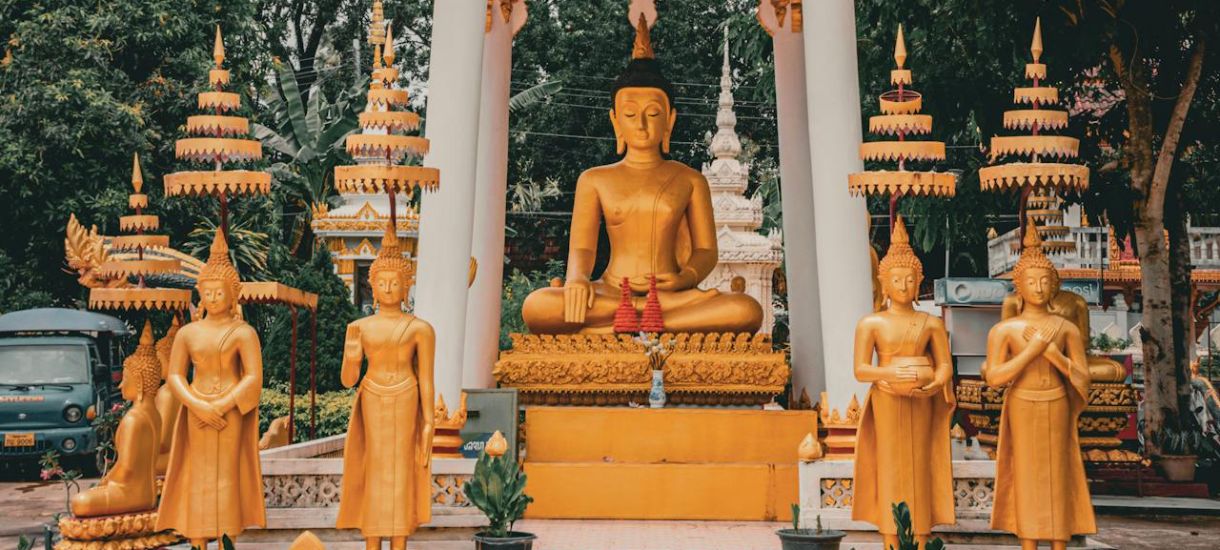
You can get much more joy out of life if you don’t get snagged on inconveniences that are out of your control. Bo pen nyang sets you free to sabai sabai and make the most of the positive experiences that come your way.
Source: Pexels
Tranquility vs. Adventure
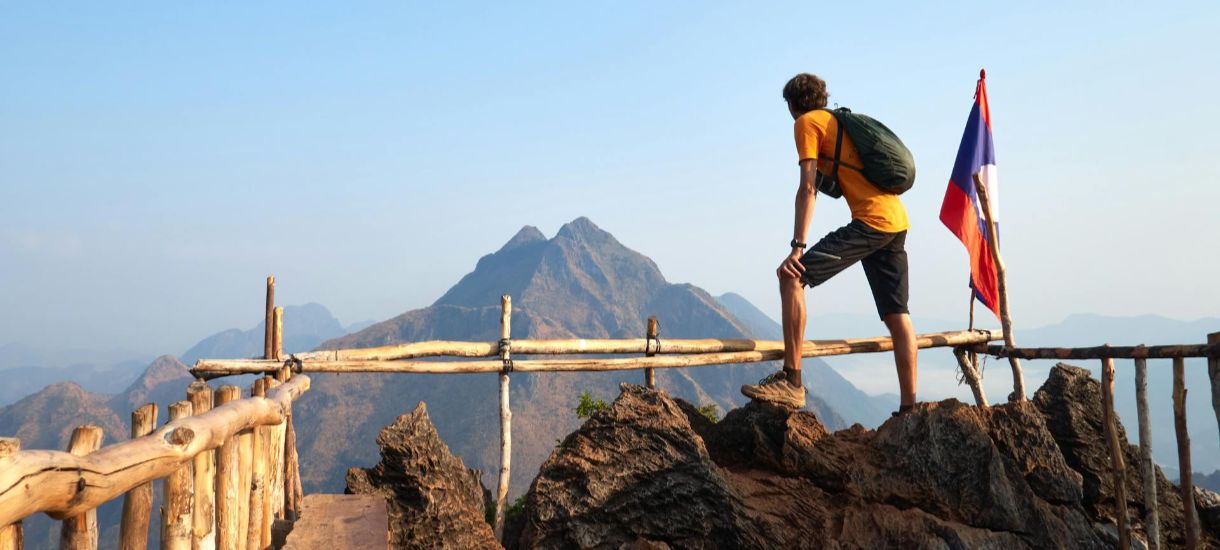
One of the charms of Laos travel is that there truly is something for every traveler and every mood. Whether you crave a thrilling adventure or you want to relax and forget all of your worries, Laos has everything you need.
Source: Pexels
Get your adrenaline pumping by traversing a spider net bridge and zip lining high above the karstic forests of Phou Hin Boun National Protected Area at the Rock Viewpoint in Khammoune. Go tubing on the Nam Song River in Vang Vieng, or take a hot air balloon ride for a picturesque view over the river. You can explore deep into Kong Lor Cave for an adventure underground, or journey back in time by discovering the ruins of the Wat Phu temple complex. And don’t miss out on lively festivals like Boun Ok Phansa or Pi Mai.

Source: Discover Laos
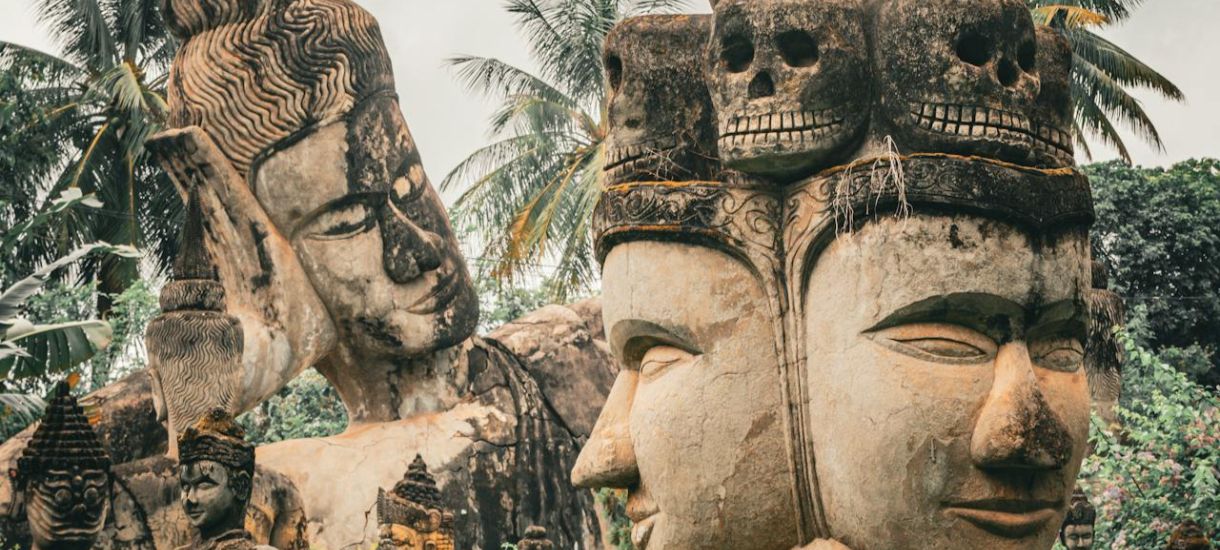
Had your fill of excitement, and ready for a break? Attend Tak Bat, the morning almsgiving ceremony in Luang Prabang, or admire the sculptures in Buddha Park near Vientiane. Kick back on a serene beach at Don Det in the 4,000 Islands archipelago, or go for a swim in the peaceful Vang Vieng Blue Lagoon. You can also simply relax at your hotel, indulging in luxury accommodations and spa services.
Source: Pexels
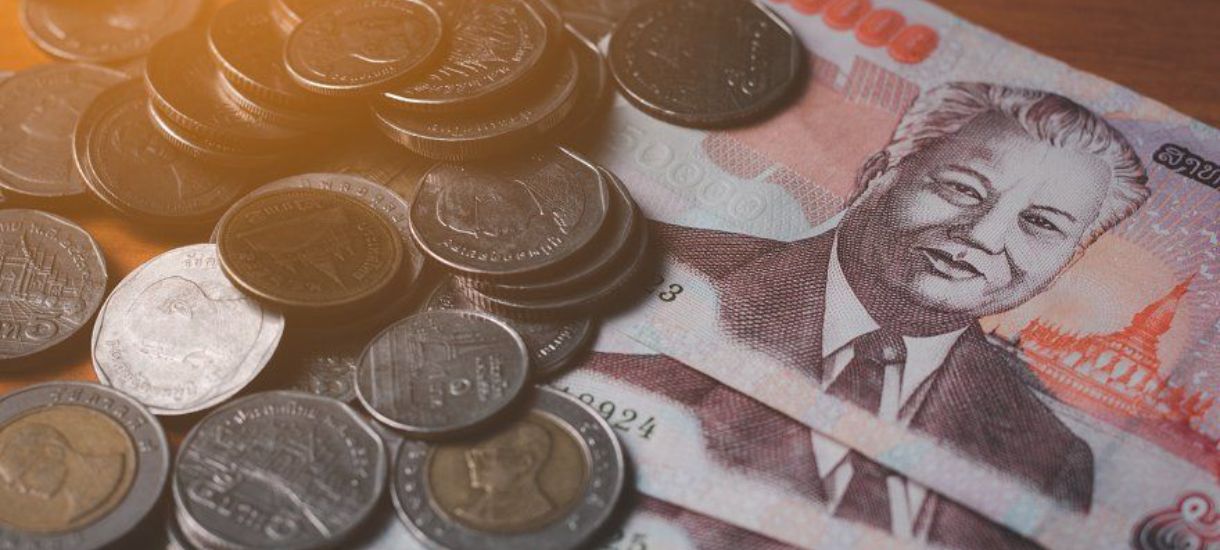
The Lao kip is a non-convertible currency outside the country
Usually, if you come home from an international trip with some extra foreign cash, you can convert it to your home currency. But you cannot do that with the Lao kip.
Source: Pinterest
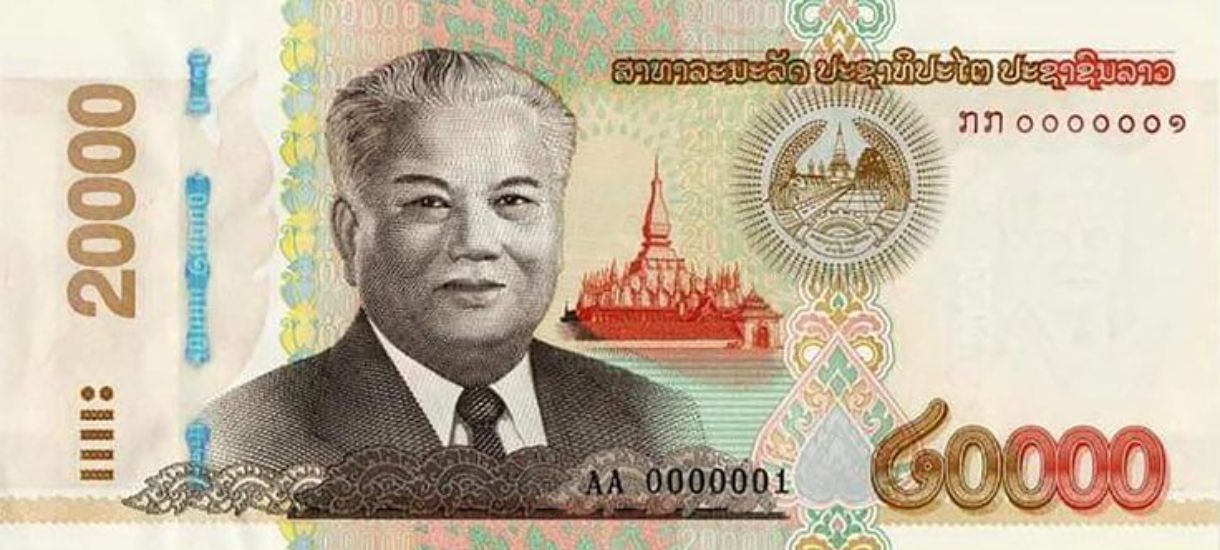
The kip was established in 1953. When you travel to Laos, it is important to be aware that the Lao kip can only be converted inside the country. That means that any kip you have only has value in Laos, and is basically useless paper anywhere else.
Source: Pinterest
Laos is mostly a cash economy. You’ll find that US dollars and Thai baht are accepted at many locations. So, only convert your money into kip when you need to. If you have any kip left over at the end of your trip, you will need to decide what to do with it. If it’s just a small amount, you could bring it home as a souvenir, with the understanding that you cannot convert it into usable cash again outside of Laos. If you want to be able to spend it, definitely convert it before you leave Laos.