
Mount Fuji Experience: Best Ways to See Japan’s Most Iconic Peak
Discover how to plan the ultimate Mount Fuji experience, including how to get there, times to visit, activities and more.
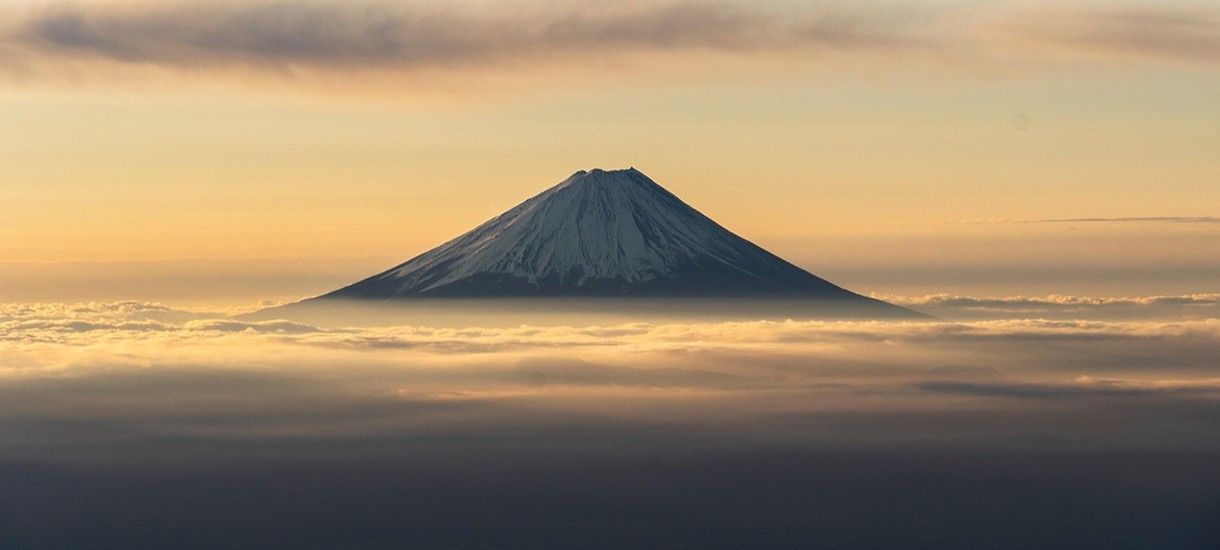
Few sights can compare to mist gently parting to reveal the snow-capped peak of Mount Fuji. To the Japanese, Mount Fuji is not just a mountain. It is a national symbol and a spiritual site of purification and renewal. For first-time visitors, this iconic peak is a highlight for the Japan journey. Whether you come to climb its slopes or admire it from a lakeside onsen, the Mount Fuji experience will leave a lasting mark. Let’s lay out a plan to help you build the perfect trip.
(Source: Pixabay)
Why is Mount Fuji Unskippable?
Mount Fuji is the tallest mountain in Japan. The sides of the mountain form gentle, symmetrical slopes, culminating in a perfect peak that is often dusted with snow. It makes a stunning backdrop for photos, and has become one of the most recognizable sights in all of Japan.
Fuji’s beauty alone is a compelling enough reason to put it on your bucket list. But for many people, the Mount Fuji experience is also a pilgrimage. In Japan, the mountain is often called “Fujisan,” a name signaling respect and awe.
Mount Fuji calls to the spirit with a sense of holiness. Ascetic Buddhists have been journeying along the mountain’s pilgrimage routes since the 12th century. Artists have also been inspired by Mount Fuji for centuries, featuring the famous peak in paintings, woodblock prints, literature, crafts and more.
Best Time to Visit Mount Fuji
Seasons
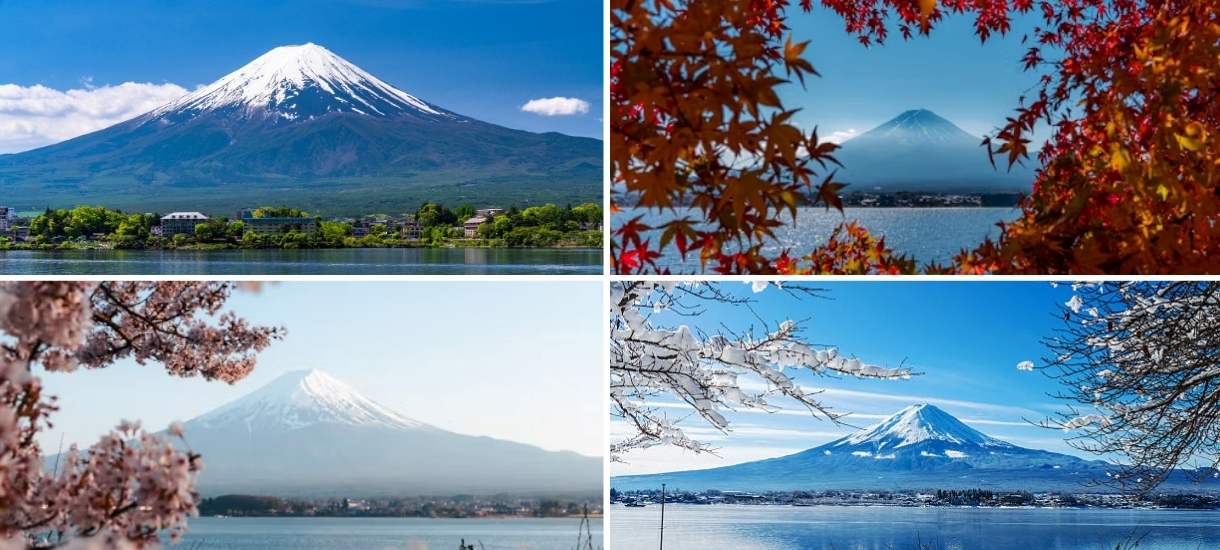
Fujisan is charming throughout the year. Here is the Mount Fuji experience you can expect from each season.
-
Summer: The best season to visit Mount Fuji is usually summer, especially if you want to climb. The weather from July through early September tends to be comfortable and peaceful, often with clear skies. Trails are also more likely to be open (more on that later).
-
Autumn: If you want to see colorful leaves and get away from the crowds, you can consider visiting in fall. Just be aware that the mountain is closed to climbing after early September.
-
Winter: If you decide to visit in winter, you can get excellent visibility rates between December and February. Plus, this is a great time to see the peak with snow on top, and the crowds will be even thinner.
-
Spring: Spring brings photography opportunities between March and April, when the cherry blossoms are in bloom. Mount Fuji makes a dramatic backdrop for photos of the blooms.
Planning a wider trip to Japan? Check out our guide to the best time to visit Japan to choose the perfect season for your journey.
Times of Day
(Source: Pixabay)
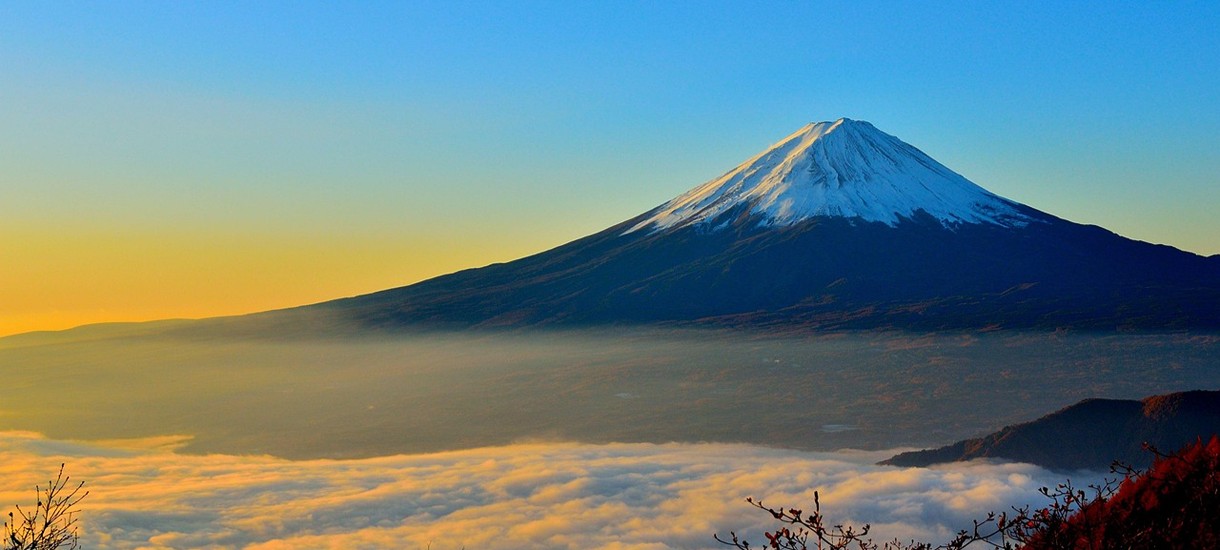
Many people venture to Mount Fuji in the morning. Visibility is often best at this time of day, whether you are trying to see the peak from below or you are up on the mountain trying to get the best view of the surrounding landscape. You may have to get up very early in summer to arrive in time for sunrise (as early as 4:30 am), so plan in advance for that.
There are mountain huts that give climbers a spot to sleep, which can also help you make it to the summit on time for sunrise.
Not up for a morning visit? During mid-afternoon, there is more atmospheric haze to obscure the mountain. But late afternoon can offer a second opportunity to catch a clear view of the summit.
How to Get to Mount Fuji
Mount Fuji is about two and a half hours west of Tokyo. There are multiple ways you can travel there. Exact transportation methods and routes depend on your starting point. To give you an example, let’s say you are starting out from Tokyo. Here are your options to travel to Mount Fuji.
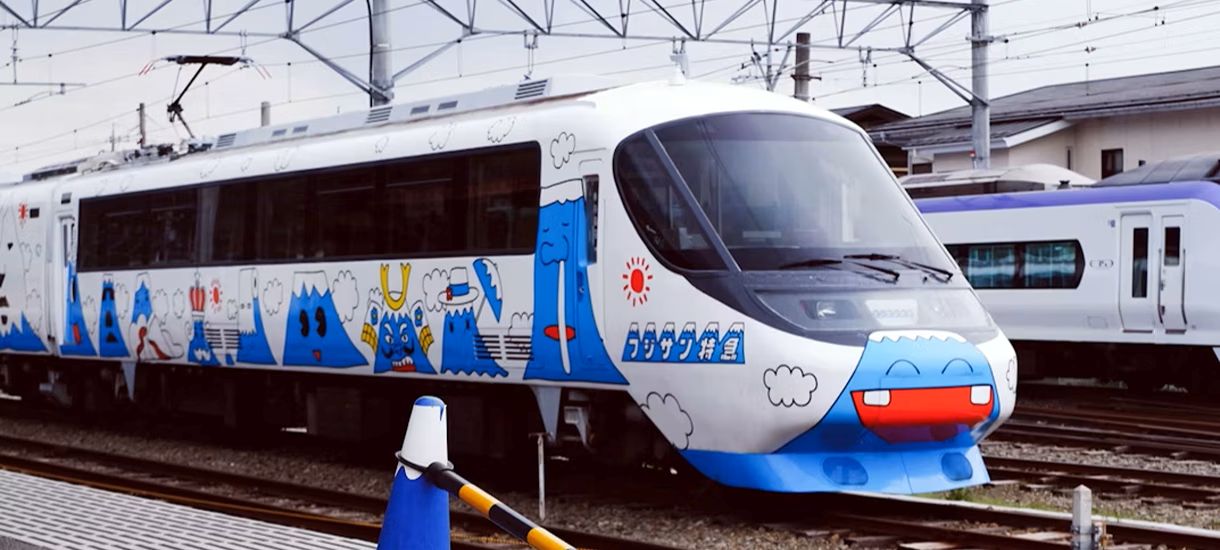
Fuji Excursion train (Source: Fujikyu Railway)
-
Fuji Excursion train: For the quickest public transit option, you can take the Limited Express Fuji Excursion train from Shinjuku Station in Tokyo to Mount Fuji along the Fujikyu Railway Line. The trip takes about 115 minutes. At the time of this writing, the cost is 4,130 Yen.
-
Train with transfers: The Fuji Excursion only runs a few times a day. If you miss it, or if you want to travel at another time, you can still take the train to Mount Fuji. You just need to make a transfer along the way. Take the Limited Express Kaiji instead. At Otsuki Station, you can make a transfer to get to Mount Fuji via the Fujikyu Railway Line. The trip takes 130-150 minutes, and costs 3,730 Yen.
-
Bus: Another option is to take the bus to Mount Fuji. Start at the Shinjuku Bus Terminal, and book online through the Shinjuku Highway Bus site. The trip takes about 2 hours, and costs 4,400 Yen.
-
Car: Renting a vehicle and driving to Mount Fuji yourself is also an option. It will be more expensive than taking the bus or train, but it will also offer you more flexibility.
If you are starting from another city, you can look for similar train and bus services.
Choose Your Adventure: To Climb or to View?
When you first picture visiting Mount Fuji, do you imagine yourself gazing at beautiful views of the peak from below, or climbing the mountain for breathtaking vistas from the summit?
Best Spots to View Mount Fuji
-
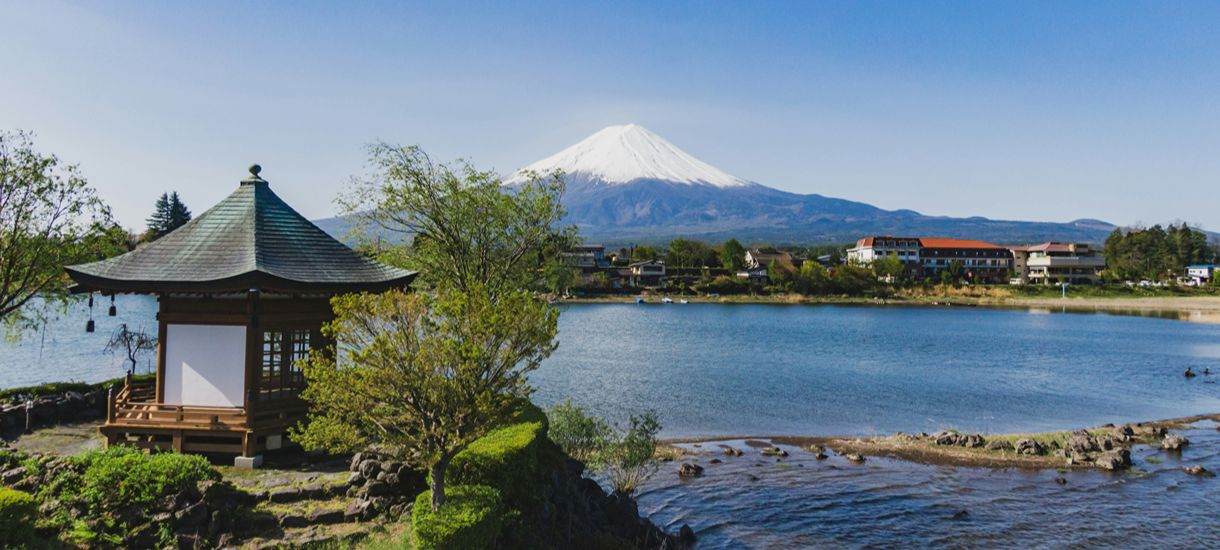
Lake Kawaguchi: Lake Kawaguchi is the most famous of the Fuji Five Lakes, all of which were created by eruptions of the volcano. Stand at the edge of rippling water reflecting Mount Fuji, and enjoy an untrammeled view of the peak. Find a spot with some spring cherry blossoms or autumn leaves, and you can perfectly frame postcard-worthy photos of the peak. Go on a cruise on the lake or stay at a local onsen to relax and enjoy the views.
(Source: Unsplash)
-
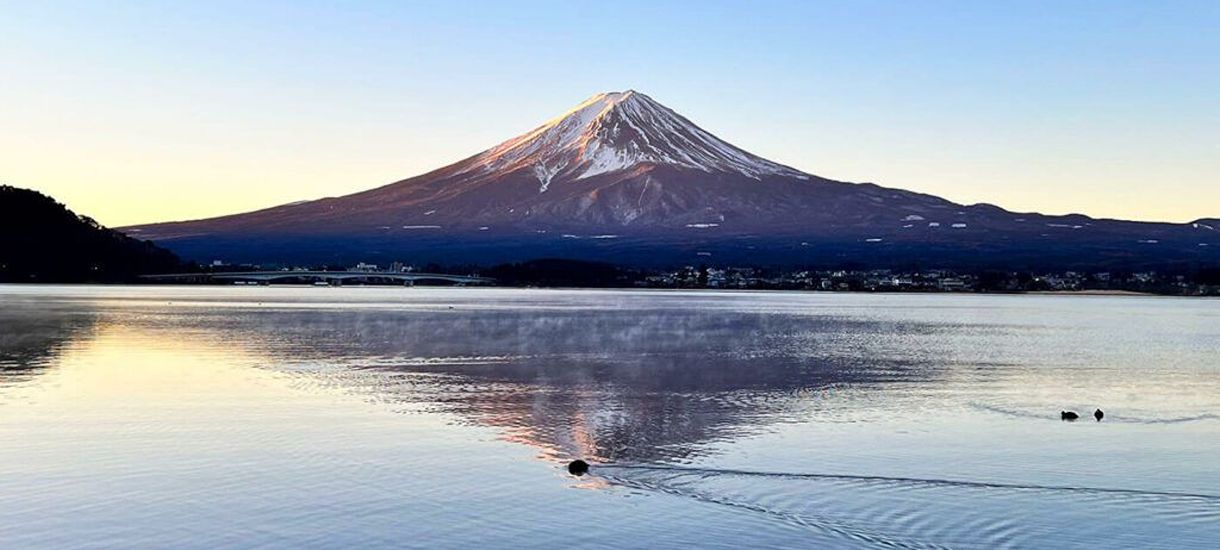
Fuji Five Lakes Region: The other lakes in the region include Lake Motosu, Lake Sai, Lake Shoji, and Lake Yamanaka. While not as well known as Lake Kawaguchi, these other lakes also offer scenic views of Mount Fuji.
(Source: Pinterest)
-
Chureito Pagoda: When you imagine Mount Fuji, there is a good chance you picture it as a backdrop for an iconic five-story pagoda with green roofs and red trim surrounded by cherry blossoms. That famous pagoda is Chureito Pagoda. During your visit, you can bask in the tranquil atmosphere and snap your own photos of the world-famous shrine with Mount Fuji in the background.
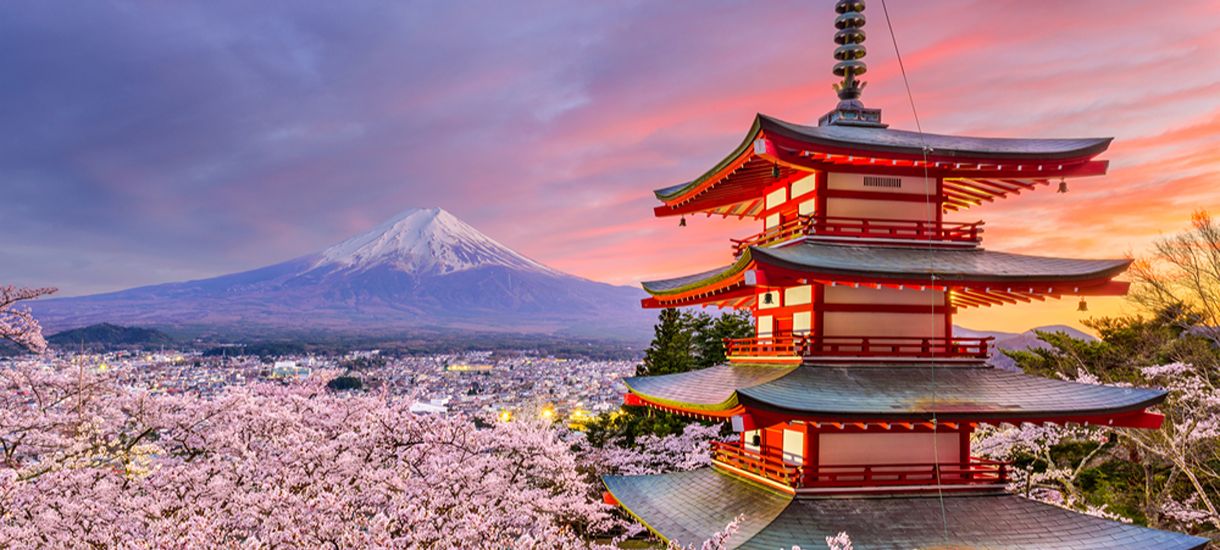
(Source: Japan Rail Pass)
-
Gotemba & Fujiyoshida: These scenic towns have excellent views of Fujisan. You can shop and dine at either, visit a local shrine, stay overnight, or use them as a “base camp” for a climb the next day.
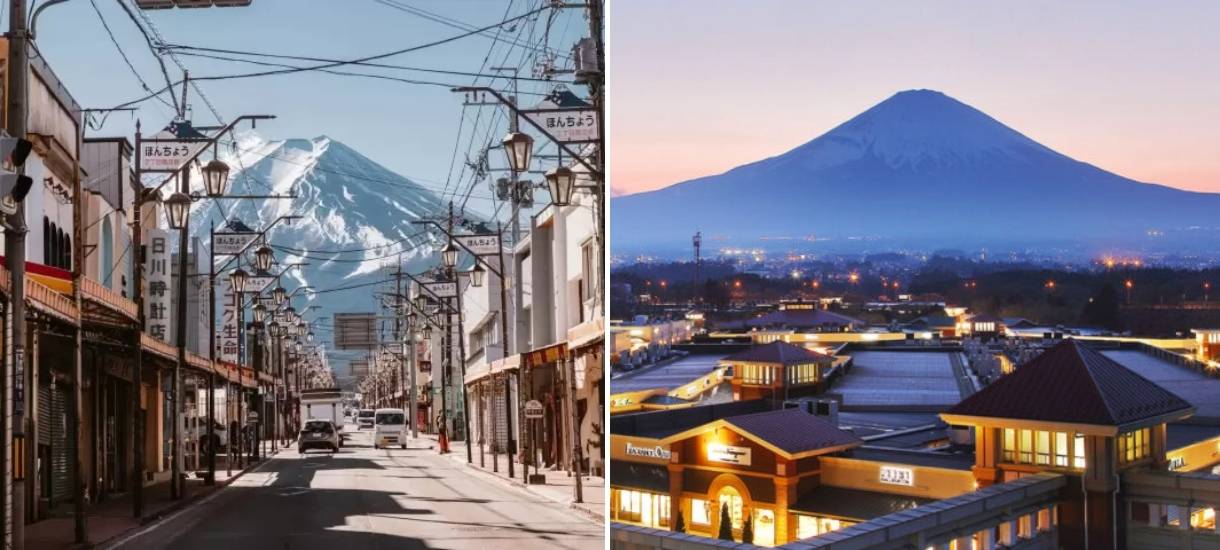
(Source: matchajp; GajinPot travel)
-
Hakone: This town also offers great views, has a ropeway, and features beautiful accommodations and relaxing hot springs.
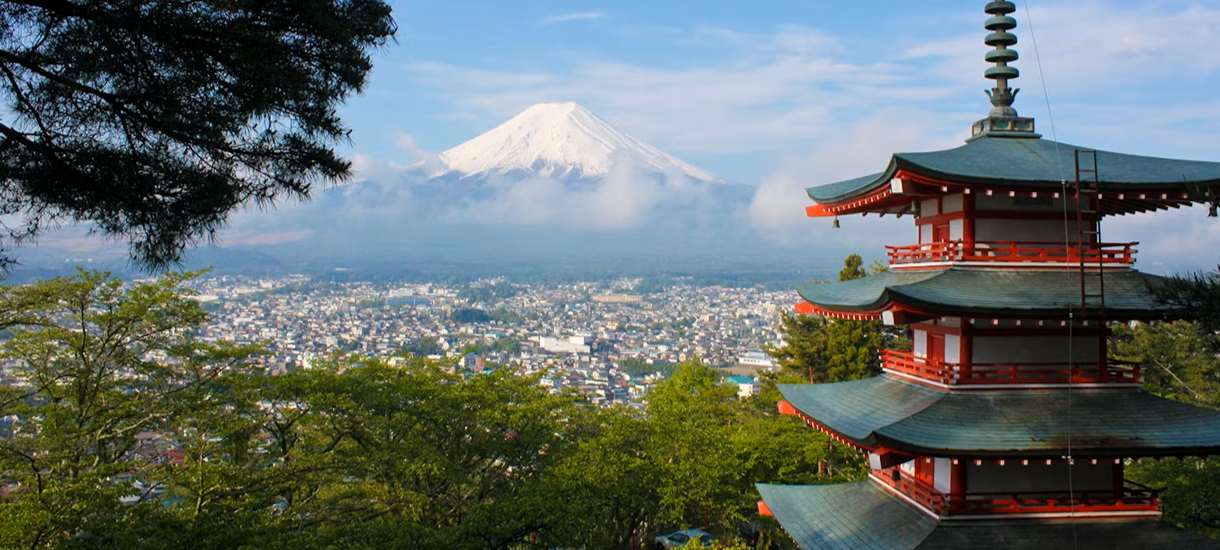
(Source: erikastravelventures)
-
Mishima Skywalk: Go out on the skywalk bridge for breathtaking views of Mount Fuji and the surrounding landscape. It’s conveniently close to Hakone, and you can access it with the Hakone Free Pass.
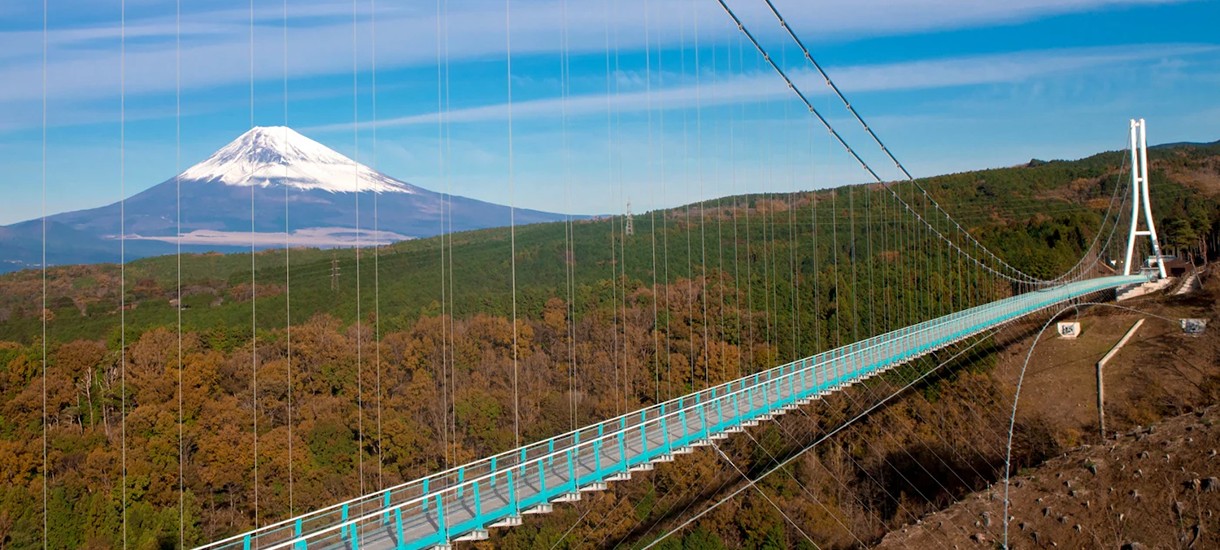
(Source: allaboutjapan)
-
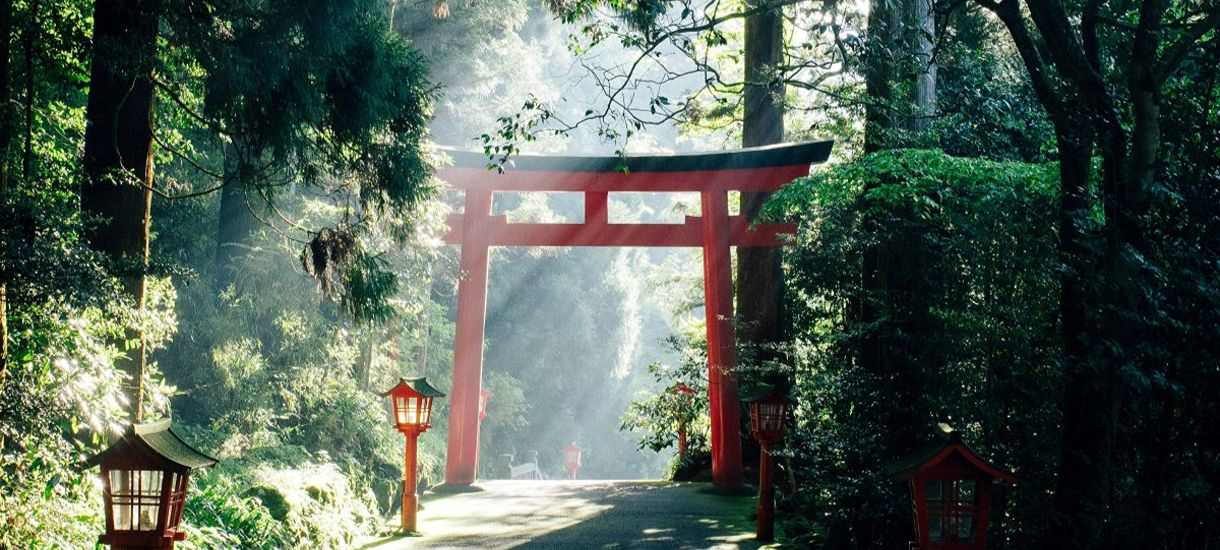
Misaka Ancient Trail: If you don’t want to climb the mountain, but do want to go on a nice hike, this trail is worth it. You’ll get to see a shrine and torii gate, giving you some wonderful photo opportunities.
(Source: japanwondertravel)
-
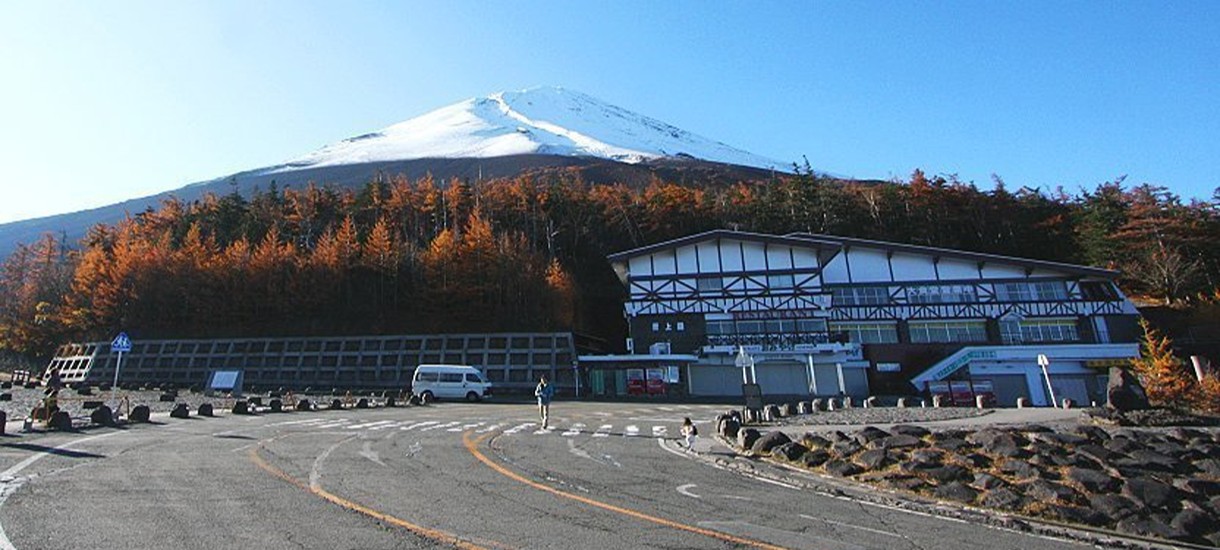
Fujisan 5th Station: This is the spot where many people start their ascents. If you do not want to climb, it is still worth visiting for the close-up views of Mount Fuji. You can reach the station by car.
(Source: Japanguide)
Climbing Mount Fuji
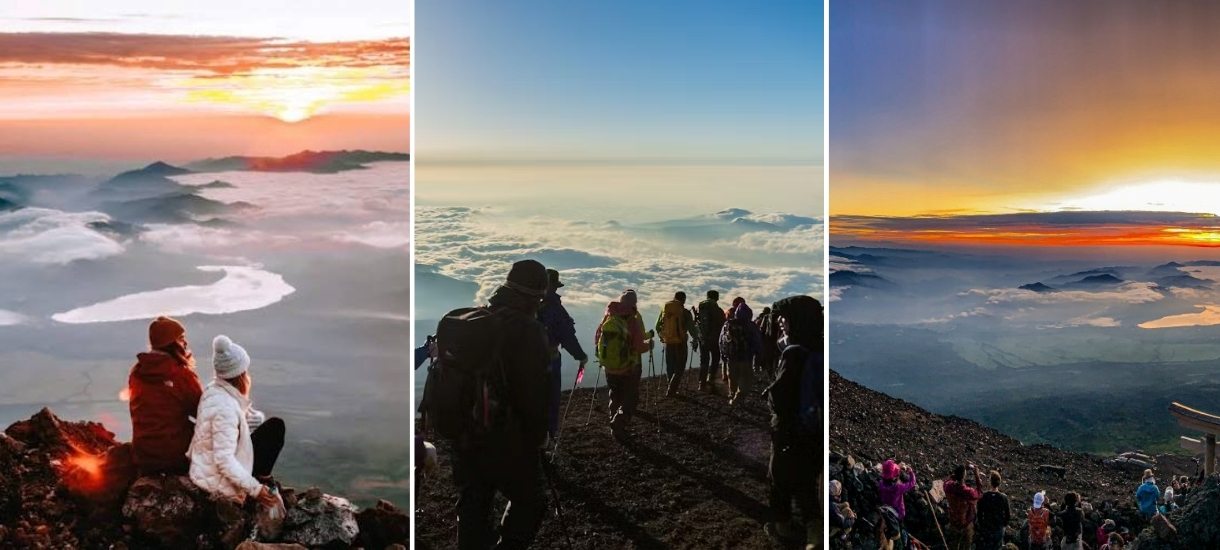
Be sure to visit between early July and the middle of September if you want to climb Mount Fuji. This is when the trails are open. It’s essential to look up the opening dates before you go, just to make sure you can proceed. There can be delays due to trail conditions and weather, so the trails can open later on some years.
(Source: Japan.travel; Triptojapan; Japanwondertravel)
Trails you can take up Mount Fuji include:
-
Yoshida Trail
-
Subashiri Trail
-
Fujinomiya Trail
-
Gotemba Trail
Once you reach the top, you can explore the peak by hiking the Summit Crater Rim Trail.
You’ll need to bring 4,000 Yen to pay the entry fee. Register in advance, since there is timed entry on the trails. Expect to spend between 5-10 hours climbing to the top of the mountain, depending on your fitness, experience, and the conditions that day.
You don’t need to worry about much that is technical beyond a few sections that are rocky and steep. Most of the climb is only challenging due to the endurance it demands.
If you want to pause along the way, there are mountain huts that offer food and a spot to sleep, dormitory-style. You’ll need to make a reservation for these as well.
Essential Tips Before Visiting Mount Fuji
We’ve already discussed what you need to know about timing your visit to Mount Fuji, including transportation and scheduling details. Here are a few more must-know tips before you plan your Mount Fuji experience.
(Source: Japanexperience; soranoshita; bokksu; shuttershock)
-
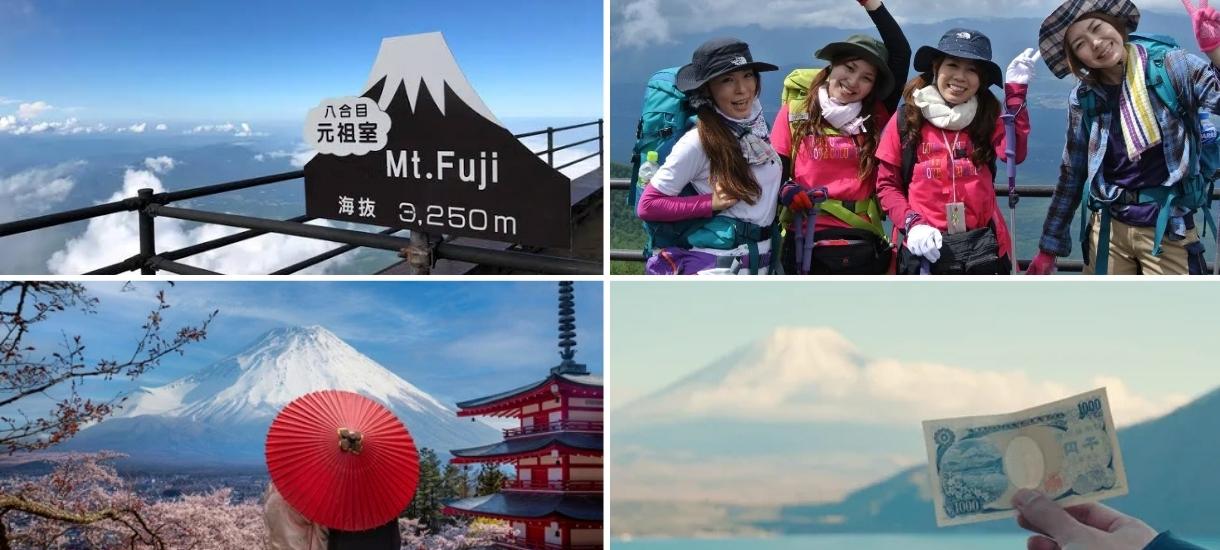
The base of Mount Fuji is about 4,593 feet above sea level, and the peak is at 12,388 feet above sea level. That is a significant altitude, and it can catch you off-guard if you are from a lower elevation. Going too quickly from a low elevation to a high elevation can cause altitude sickness. Consider giving yourself some time to acclimate as you go up in elevation. That way, you’re more likely to feel your best through your whole visit.
-
Double-check all entry procedures. Make sure the route you want is open, and book your reservations well in advance for entry, huts, and any accommodations you might need in the nearby towns.
-
Plan to spend at least a full day at Mount Fuji. Two days with an overnight during the climb may be worth it if you want to make it to the top, especially to see the sunrise from the summit.
-
Wear layers if you are going to climb. It can be hot at the base of the mountain and cold at the top. Rain and snow are possible.
-
Take some cash with you, including up the mountain. You may need it to buy refreshments at the mountain huts, and to use the restrooms. Leave some room in your backpack for trash, since there aren’t any waste bins on the mountain.
-
Pick just one general area to explore and view Mount Fuji from, rather than trying to go everywhere. That way you can immerse yourself more fully in the experience instead of spending all your time on the road.
-
Worried it will be cloudy and you won’t be able to see the mountain? Try not to stress. Even if the weather stops you from getting perfect views, you’ll still be able to discover the shrines, lakes and towns around Mount Fuji. And even shrouded by clouds, the presence of Fujisan is awe-inspiring.