
Places to Visit in Tokyo: Where Tradition Meets the Future
Looking for the most unforgettable places to visit in Tokyo? Unlock our curated guide to iconic landmarks and hidden gems to start envisioning your perfect Japanese getaway today.
Tokyo is not a city you understand all at once; it reveals itself gradually through intricate layers. It lives in the meditative silence of ancient temple courtyards, the electric pulse of neon-lit avenues, and the seamless dance between age-old traditions and a hyper-modern future.
Source: VNExpress
For first-time visitors, the challenge is not how many landmarks you can tick off, but how many layers you explore to capture a truly well-rounded impression of the capital. Therefore, our guide to the best places in Tokyo will not just list out the must-sees, but put them in different dimensions that showcase the most authentic and multifaceted sides of Tokyo.
1. Cultural & Historical Heritage: Where Tokyo’s Story Takes Shape
To truly understand the city's soul, one must first look toward the corners where history is not merely preserved but woven into daily life. The Asakusa District stands as the heart of this heritage. It is a neighborhood that has evolved naturally over centuries, allowing family-run eateries and traditional craft shops to thrive alongside modern touches.
Source: Klook
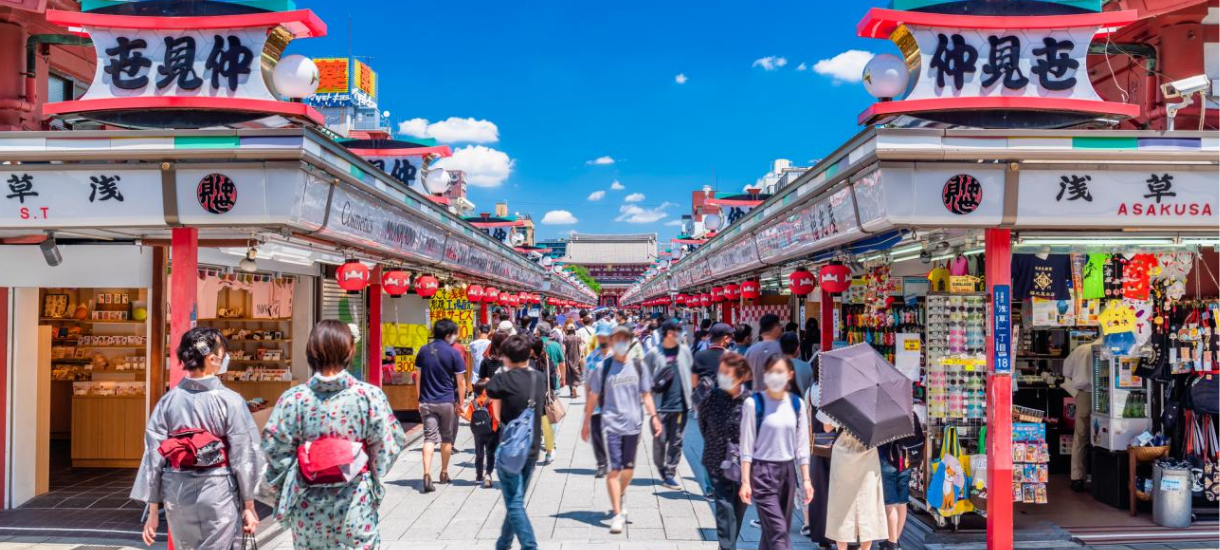
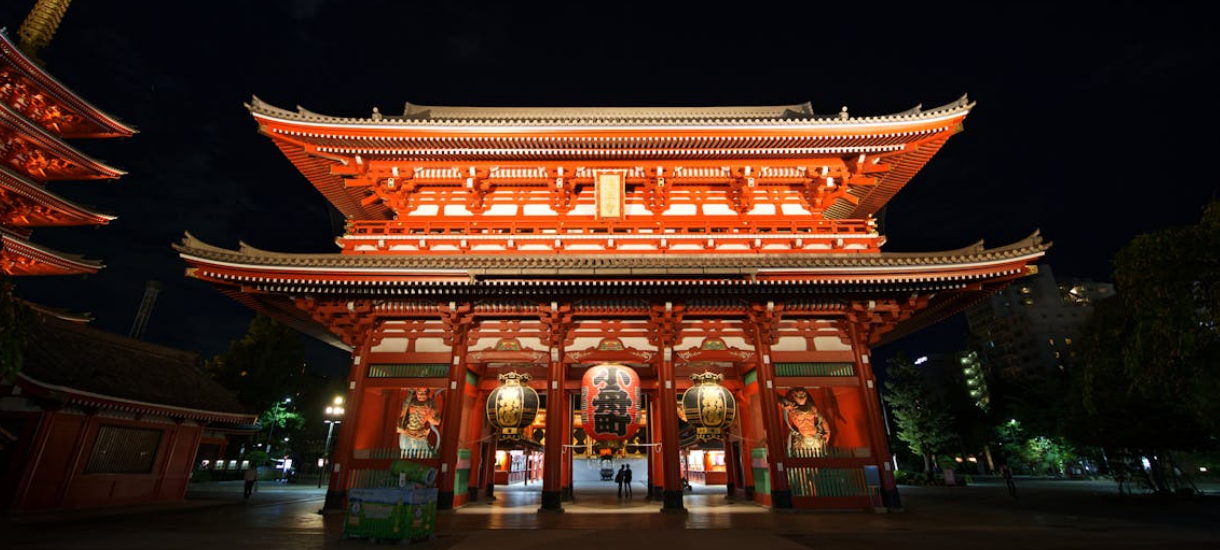
At the center of this vibrant area lies the legendary Senso-ji Temple. Founded in 645 AD, it remains the city's oldest and most evocative spiritual site. Your journey begins at the Kaminarimon Gate, leading you into Nakamise Street where nearly 90 stalls offer a sensory feast of traditional snacks and handmade charms. This bustling path, existing since the Edo period, is one of the top cultural attractions in Tokyo that captures the soul of the past without feeling staged.
Source: Pexels
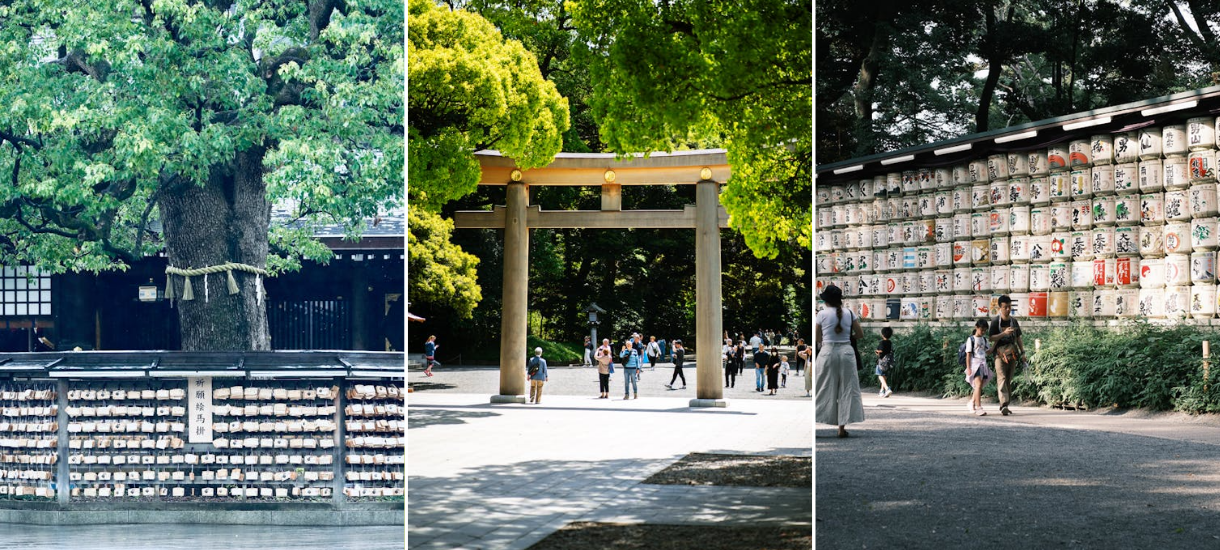
As you move from the bustling streets of Asakusa toward the city’s greener heart, a more serene atmosphere unfolds at Meiji Shrine. This sanctuary, dedicated to Emperor Meiji and Empress Shoken, is enveloped by a massive forest of over 100,000 trees, creating a hidden world tucked away from the urban rush. The shrine is particularly famous for Hatsumode—the traditional first Shinto visit of the New Year—when millions gather to pray for good fortune. Even amidst the crowds, the air remains thick with the scent of cypress and the sound of gravel crunching underfoot. Wandering beneath the towering forest canopy offers a deeply reflective experience, marking it as one of the most soul-stirring must-visit places in Tokyo.
Source: Wikipedia
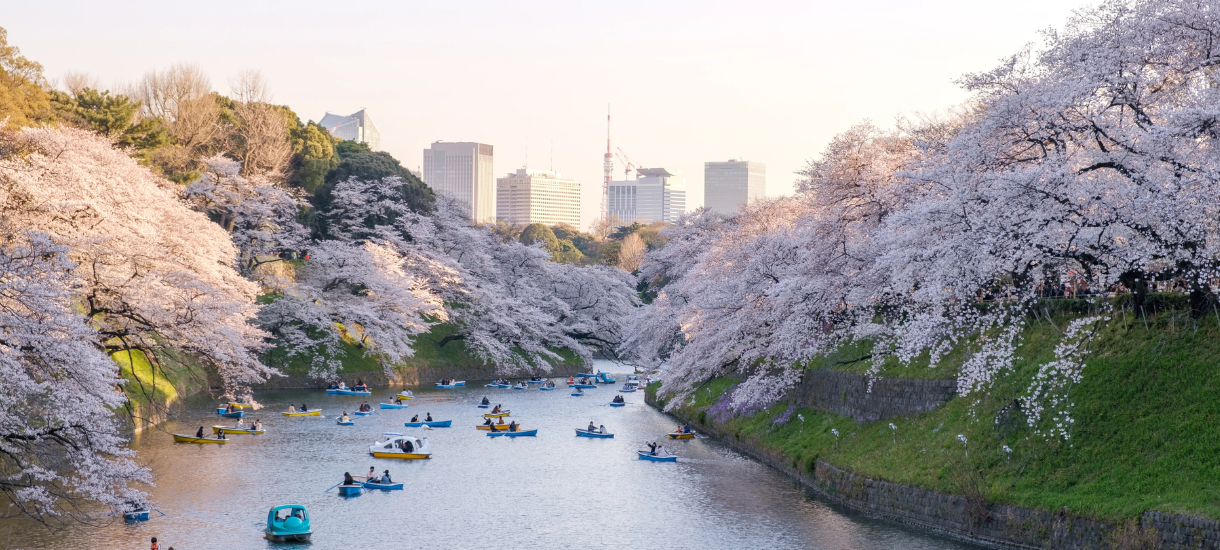
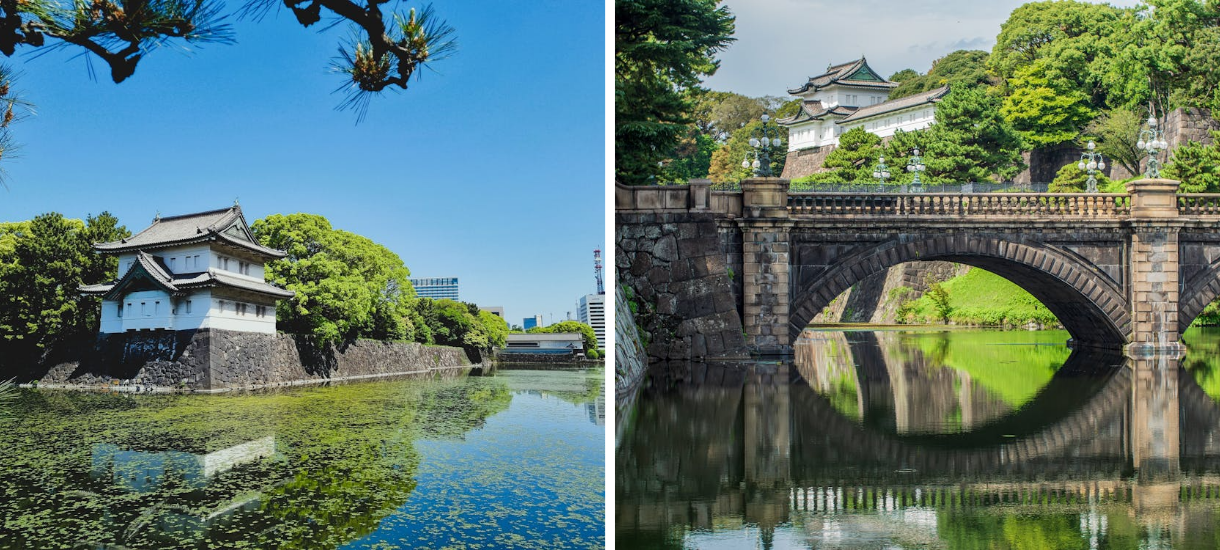
Connecting these spiritual landmarks to Japan’s royal legacy is the Tokyo Imperial Palace. Built upon the foundations of the historic Edo Castle, it once served as the nation’s political nerve center. Today, its massive stone walls and tranquil moats serve as grand reminders of a former era’s scale. It remains one of the most significant historical places in Tokyo, offering a formal yet breathtaking glimpse into the city's imperial evolution.
Source: Wikipedia
2. Urban Icons & Modern Cityscape: The Energy of a Megacity
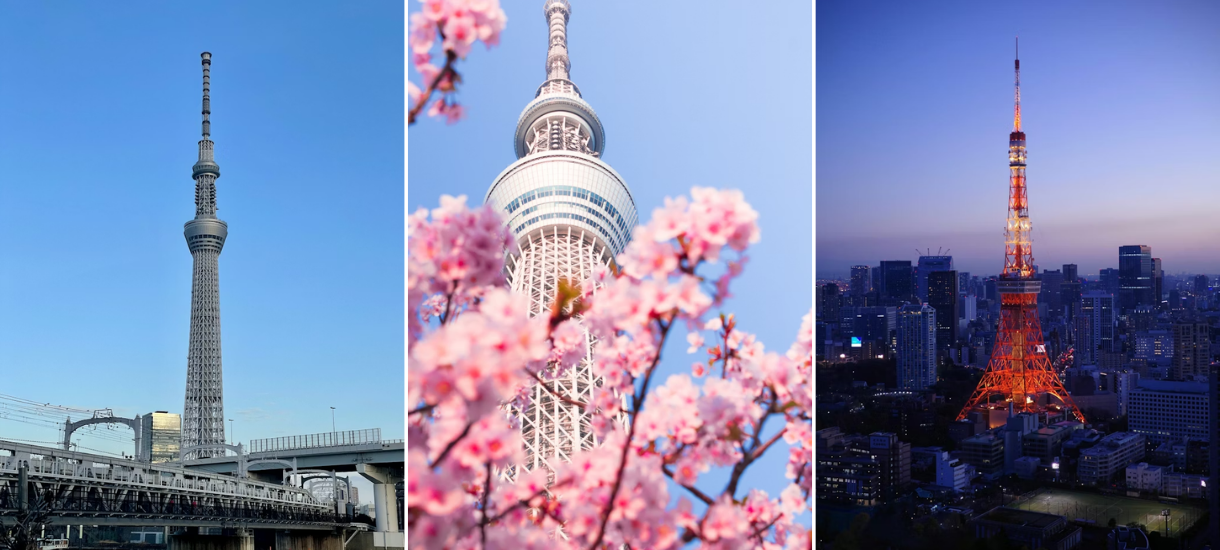
While the palaces and shrines ground the city in its past, Tokyo’s modern identity comes alive through its soaring skyline and constant movement, revealing a completely different, high-energy layer of the metropolis. From above, Tokyo Skytree defines this vertical expansion in a way few structures can. Rising to 634 meters, it is the tallest structure in Japan, offering visibility that stretches beyond 70 kilometers on clear days. Standing here, you do not just look at the city; you begin to feel its scale unfold in every direction. For many travelers, this is an unmissable highlight in Tokyo that leaves a lasting impression.
Source: Unplash
As you descend back to street level, that sense of scale transforms into something far more dynamic at Shibuya Crossing. When the lights change, up to 2,500 people move at once, yet everything flows with remarkable precision. Being part of that moment feels surreal, with less like watching a spectacle and more like stepping into the very rhythm of the city. Definitely, it is a signature place to explore in Tokyo where the raw energy of the city is impossible to ignore.
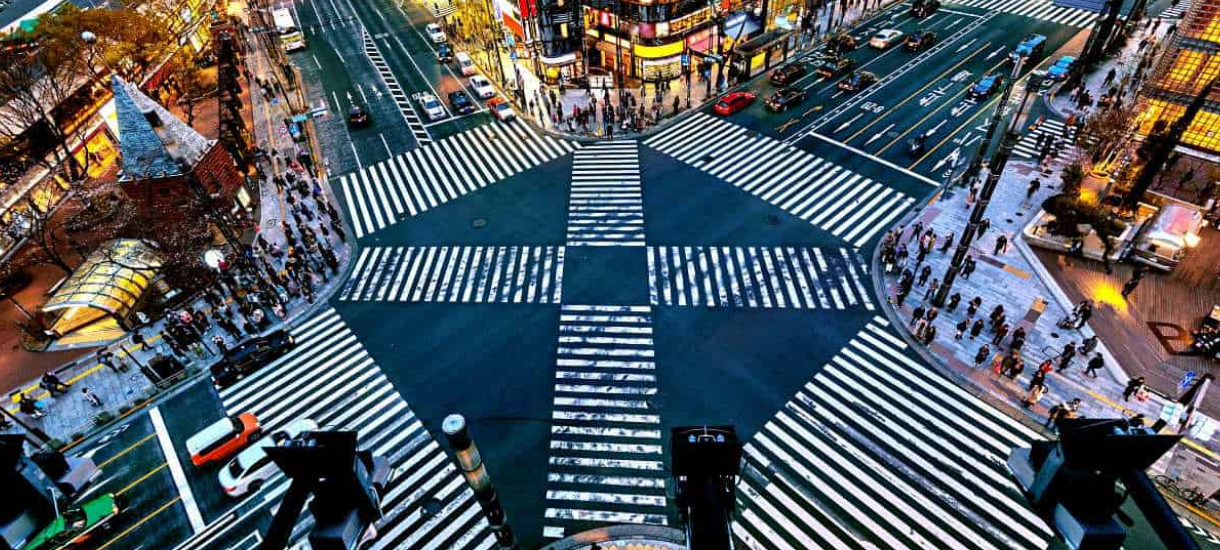
Source: SmileTrip
For a more elevated perspective on this urban chaos, Shibuya Sky offers a completely different mood. This open-air deck lets you watch the skyline shift from soft daylight into glowing neon. If you arrive around sunset, the transformation happens almost quietly before the city lights take over. This breathtaking spectacle remains one of the top experiences to enjoy in Japan, leaving a lasting impression long after you’ve returned to the busy streets below.
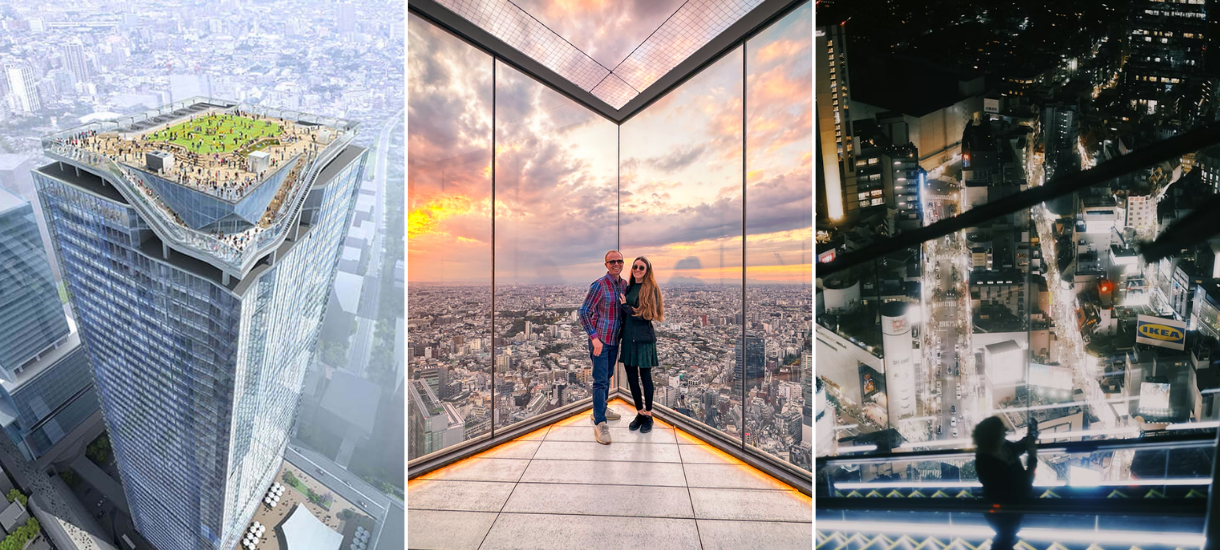
Source: Unplash
3. Lifestyle, Entertainment & Creativity: Tokyo in Motion
While the soaring skylines and historic palaces provide the visual framework, Tokyo’s pulse is best felt through its diverse lifestyle hubs, where creativity and modern living coalesce into distinct subcultures. Beyond the iconic landmarks, the city’s personality is revealed in these specialized neighborhoods, each offering a deep dive into the hobbies and aesthetics that define Tokyo's restless energy.
Pop Culture & Technological Innovation
Nowhere is this energy more concentrated than in Akihabara. Often simplified as a gaming hub, it is actually a sprawling "Electric Town" where subculture becomes an immersive reality. Here, "otaku" culture is a global phenomenon expressed through multi-story buildings dedicated to rare retro-gaming, anime figurines, and specialized electronics. The experience is uniquely surreal, where the rhythmic sounds of arcade centers blend with neon storefronts. For many, especially digital nomads and anime lovers, it is a vibrant cultural attraction in Tokyo that feels like stepping directly into a high-definition digital dream.
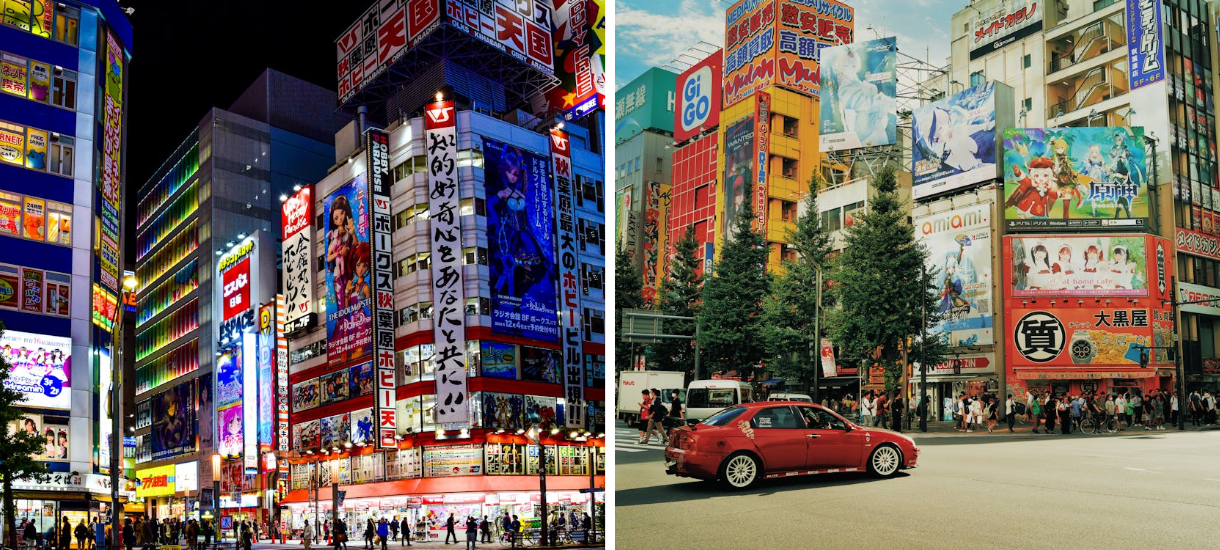
Source: Pexels
Luxury Shopping & Sophisticated Lifestyle
Shifting from the high-octane energy of Akihabara, Ginza offers a masterclass in refined urban living. As Tokyo’s premier upscale district, its clean boulevards are lined with flagship luxury boutiques and avant-garde architecture. Walking here is about appreciating meticulous design, refined urban aesthetics, and world-class fine dining. It is a district that quietly radiates elegance, making it a standout place to visit in Tokyo for those who wish to explore the city’s most polished side at a deliberate pace.
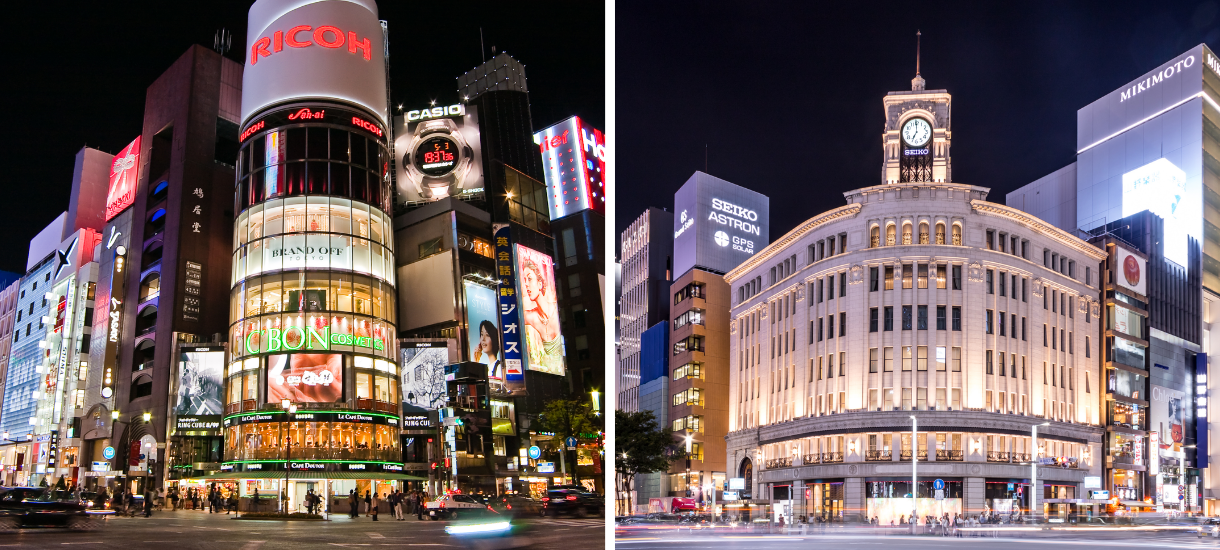
Source: Wikipedia
Waterfront Leisure & Futuristic Vistas
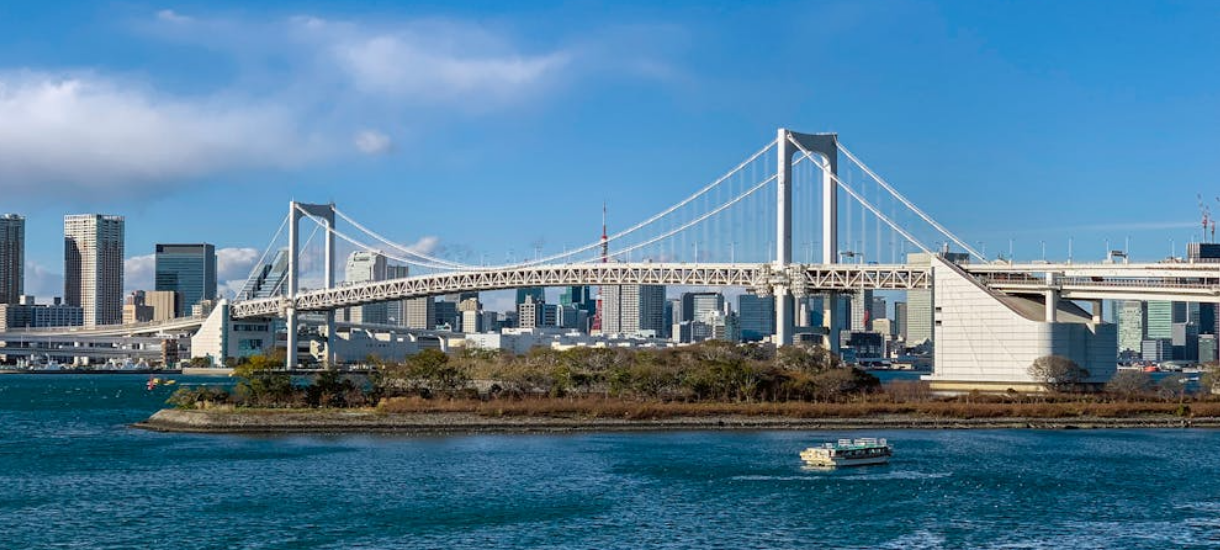
Serving as a relaxed escape where Tokyo’s urban density fades into a refreshing sea breeze, Odaiba introduces a more expansive, futuristic rhythm to the city. Built on reclaimed land, this artificial island replaces narrow alleys with wide promenades and breathtaking waterfront views. It is a landscape designed for leisure, offering a unique vantage point to watch the Rainbow Bridge illuminate the skyline as day turns to night.
Source: Pexels
Immersive Art & World-Class Entertainment
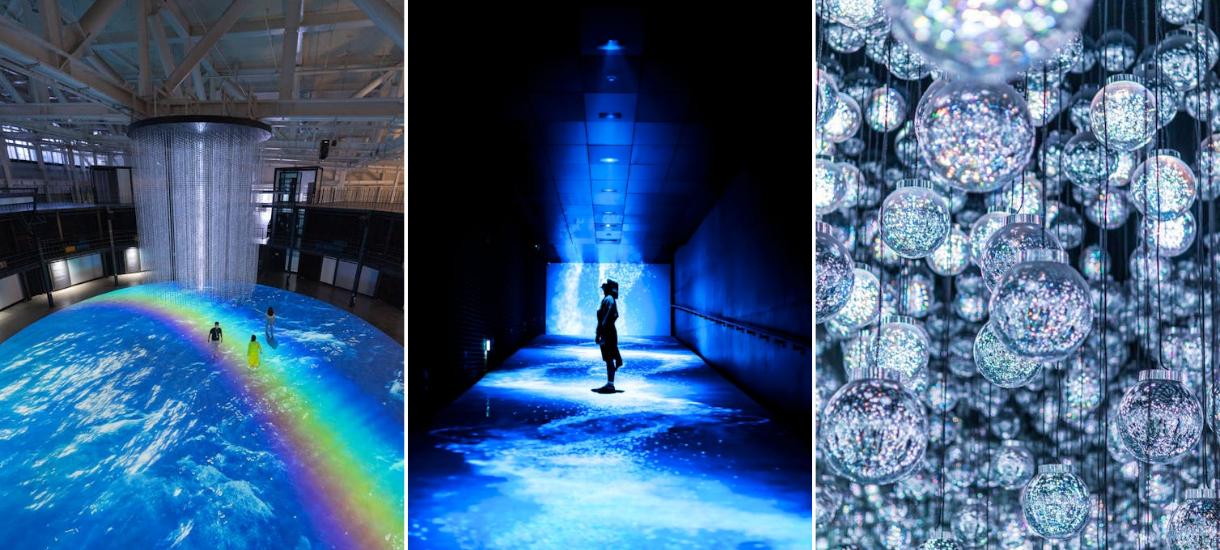
The city’s creative boundaries are pushed further through its digital galleries and theme parks. At teamLab Planets Toyosu, the boundary between the viewer and the artwork dissolves as you walk barefoot through water and interact with digital projections, making it a premier immersive art space in Tokyo.
Source: Pexels
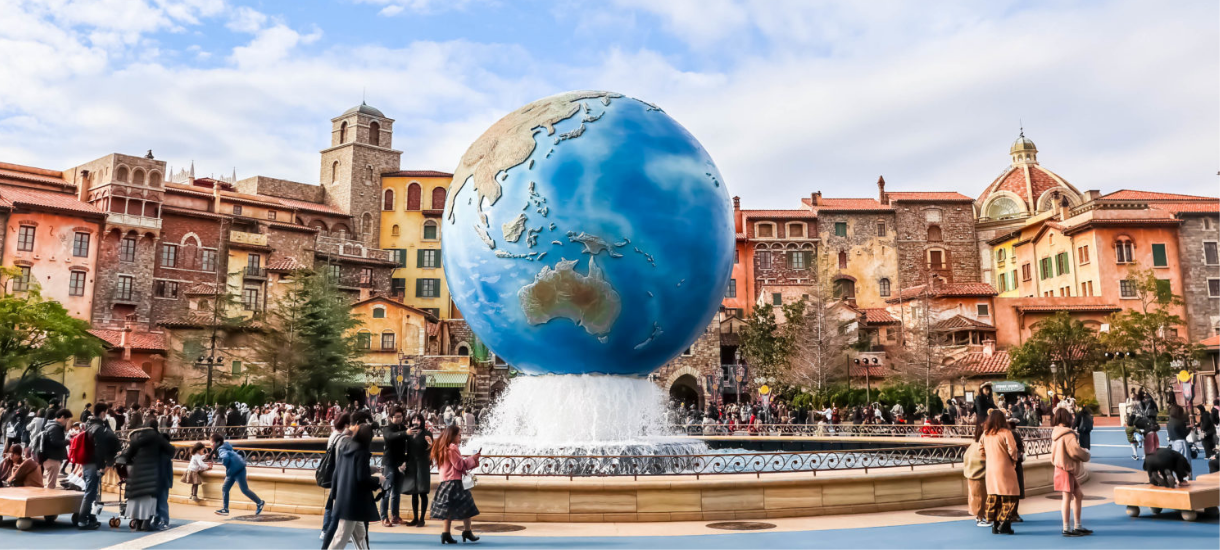
Standing as a leading entertainment destination in Tokyo, DisneySea captivates visitors of all generations. Unlike traditional theme parks, it is celebrated for its sophisticated nautical themes and seven unique "Ports of Call" inspired by ocean legends and Mediterranean charm. From the erupting Mount Prometheus at its center to the meticulously detailed Venetian canals, the park combines ambitious storytelling with cinematic architecture. It is an immersive escape where fantasy feels grounded in history and adventure, making it a peerless gem in Tokyo’s leisure landscape.
Source: Alexis Jetsets
4. Nature, Relaxation & Scenic Spots: A Different Side of Tokyo
What often surprises visitors is how effortlessly Tokyo shifts from fast-paced energy to quiet, open spaces. As the neon glow of the creative districts fades, the city reveals its verdant heart—a collection of meticulously kept gardens and sprawling parks that offer a necessary breath of fresh air.
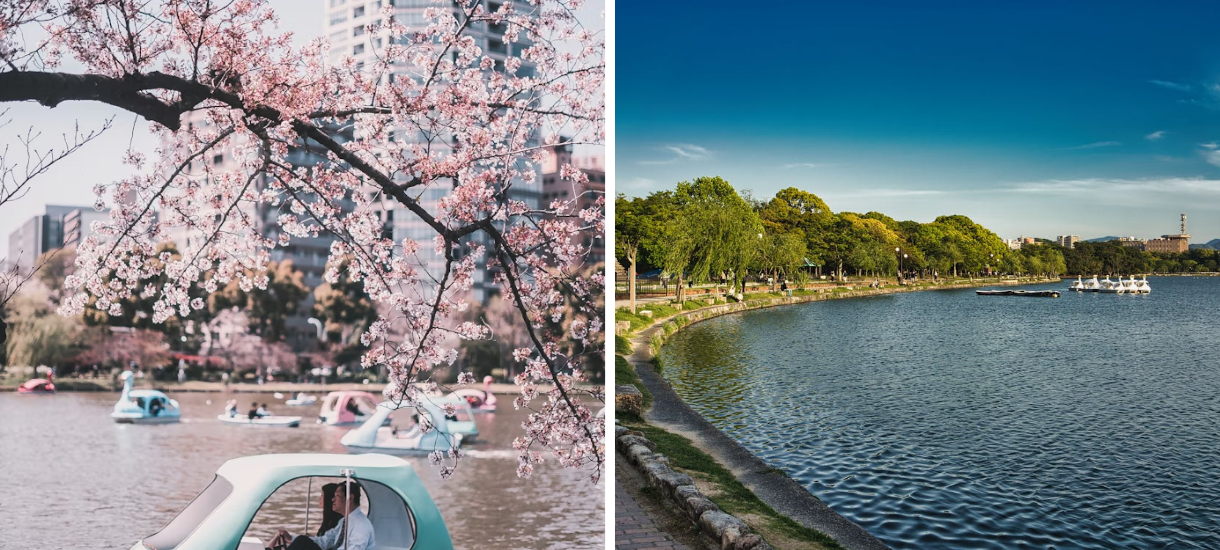
At Ueno Park, this contrast becomes especially clear. This historic public space transforms during the cherry blossom season, drawing over a million visitors to its tree-lined paths. These fleeting pink blooms often define the best time to visit Japan, turning the park into one of the most iconic seasonal highlights in Tokyo where history, nature, and community converge.
Source: Pexels
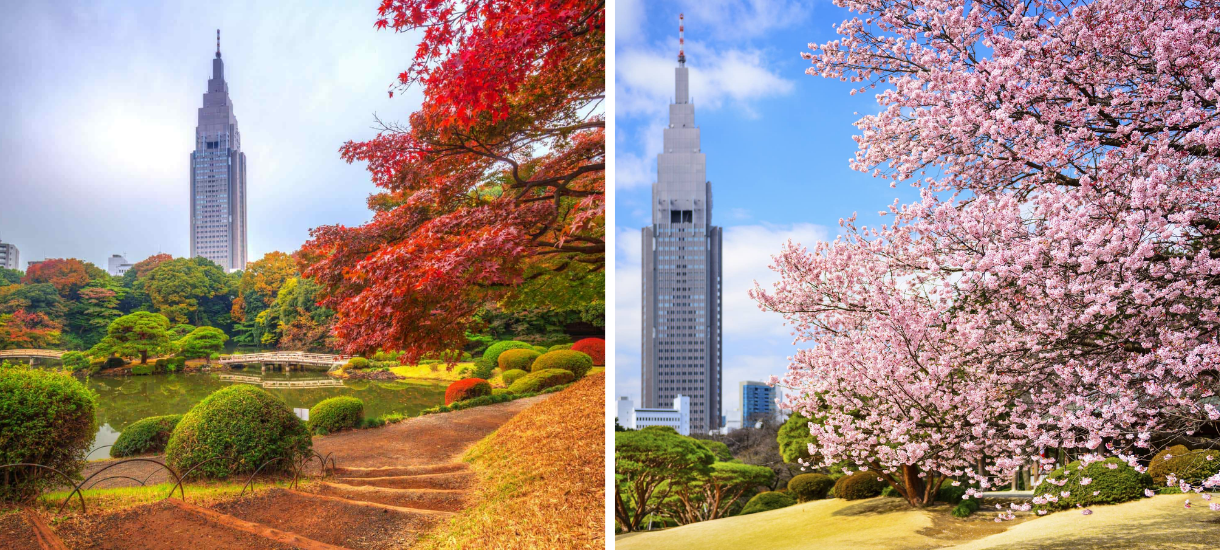
In Shinjuku Gyoen National Garden, the experience feels even more composed. Spanning 58 hectares, it seamlessly blends Japanese, English, and French garden styles. It is widely regarded as a peaceful place to visit in Tokyo, serving as a quiet green retreat where the towering skyscrapers of Shinjuku seem to fade into a silent background.
Source: Wikipedia
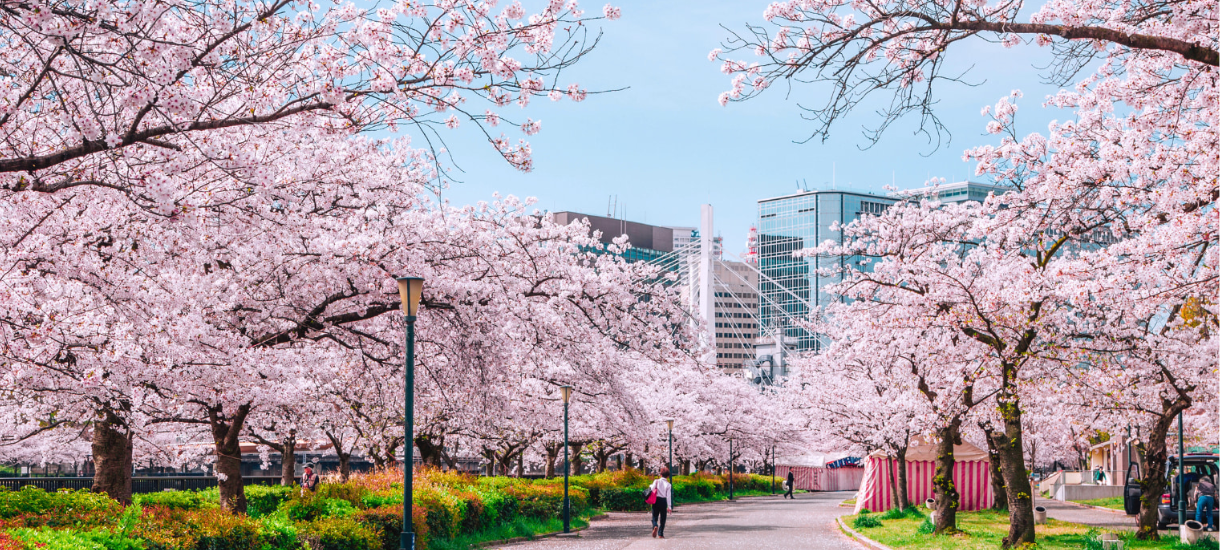
A few stops away, Yoyogi Park introduces a more spirited energy. Located steps from Harajuku, this park is a favorite for local joggers and street performers. During autumn, it becomes a masterpiece of gold and crimson, making it a scenic attraction in Tokyo for those seeking seasonal beauty.
Source: Klook
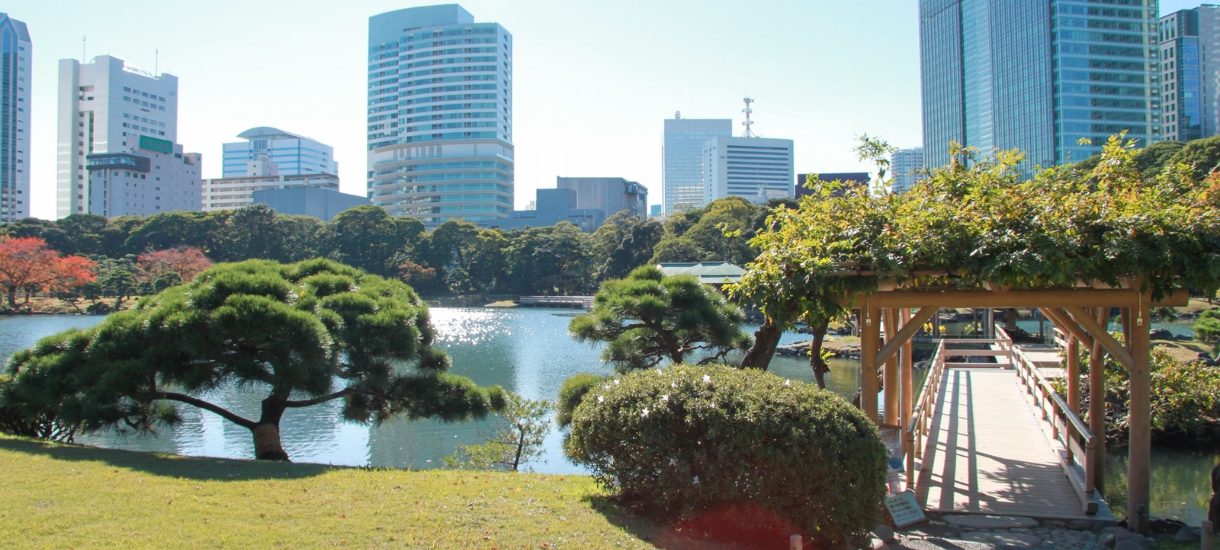
Finally, Hamarikyu Gardens creates the ultimate contrast between past and present. This traditional landscape features a unique tidal pond, while the glass-and-steel skyscrapers of Shiodome loom just beyond its edges. For many, it remains a hidden gem among places to visit in Tokyo, offering a contemplative experience that leaves a lasting impression.
Source: Kanpai Japan
5. Capturing the Soul of Tokyo
What makes places to visit in Tokyo truly memorable is the city’s effortless ability to balance extremes. Within a single day, the electric pulse of a neon-lit avenue can give way to the meditative silence of a temple path, transforming a simple itinerary into a collection of unforgettable experiences that you’ll find yourself fascinated with again and again.