
Where to Experience Famous Shrines and Temples in Japan: A Guide to Japan’s Most Spiritual Places
Why do some of Japan's most famous sacred sites begin with a bright red torii gate, while others welcome visitors with towering pagodas and the scent of incense? Exploring Japan's shrines and temples is not only about visiting historic landmarks; it is about discovering two spiritual traditions that continue to influence everyday life across the country.
Japan is home to thousands of shrines and temples, from mountain sanctuaries hidden among cedar forests to iconic landmarks that attract millions of visitors each year. Whether it is walking beneath the vermilion torii gates of Fushimi Inari Taisha, admiring the Golden Pavilion of Kinkaku-ji, or experiencing the peaceful atmosphere of ancient temples in Nara, these sacred sites offer some of the country's most memorable cultural experiences. This guide explores where to experience the shrines and temples in Japan, while also helping travelers understand the traditions and spiritual heritage that make each destination unique.
Famous Shrines in Japan
Fushimi Inari Taisha – Kyoto
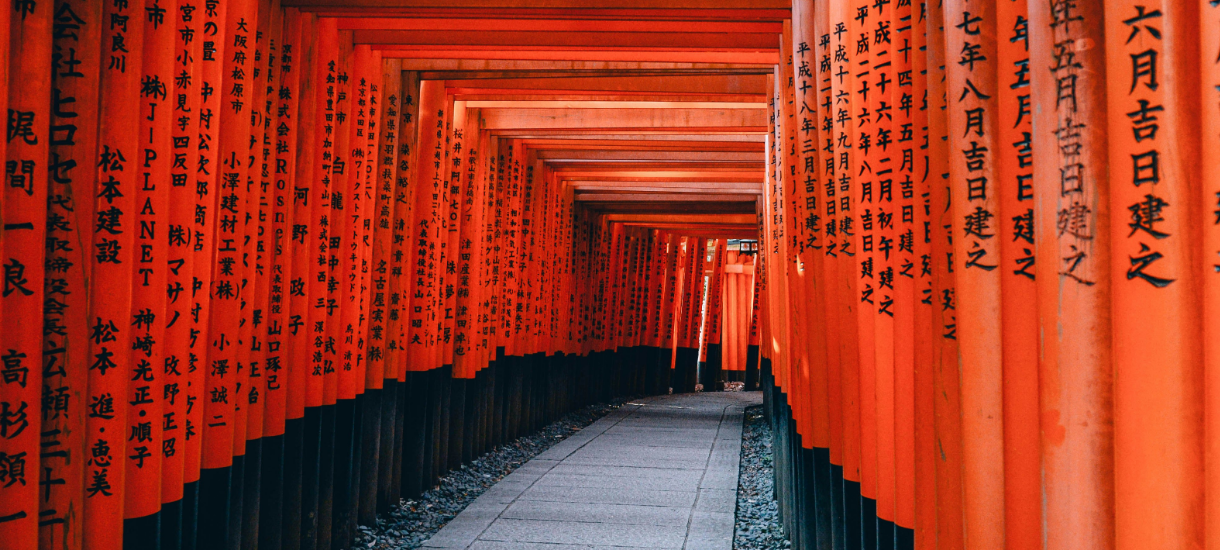
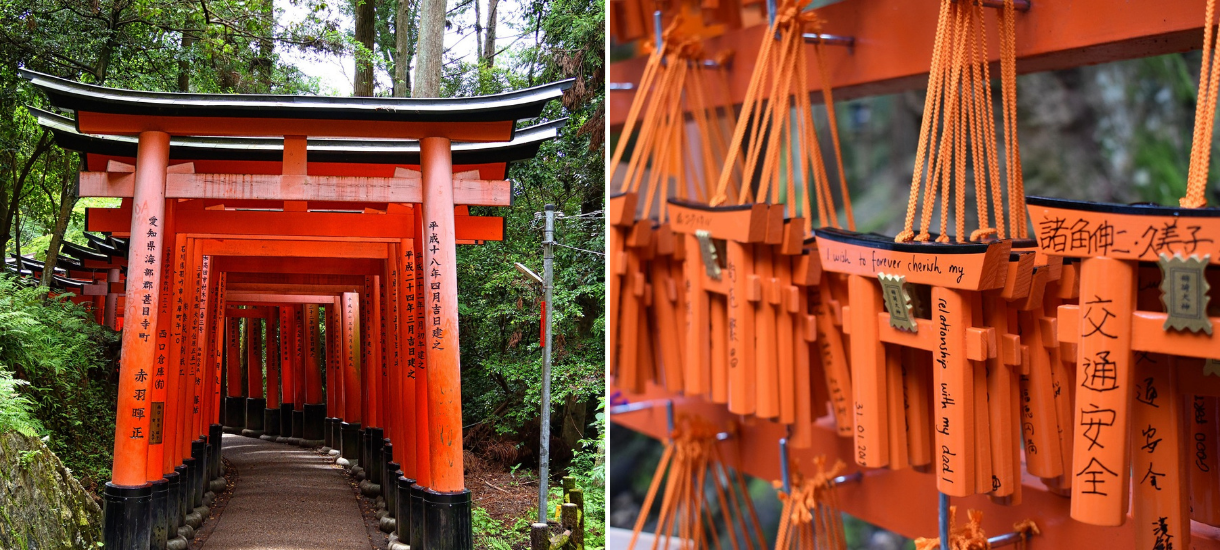
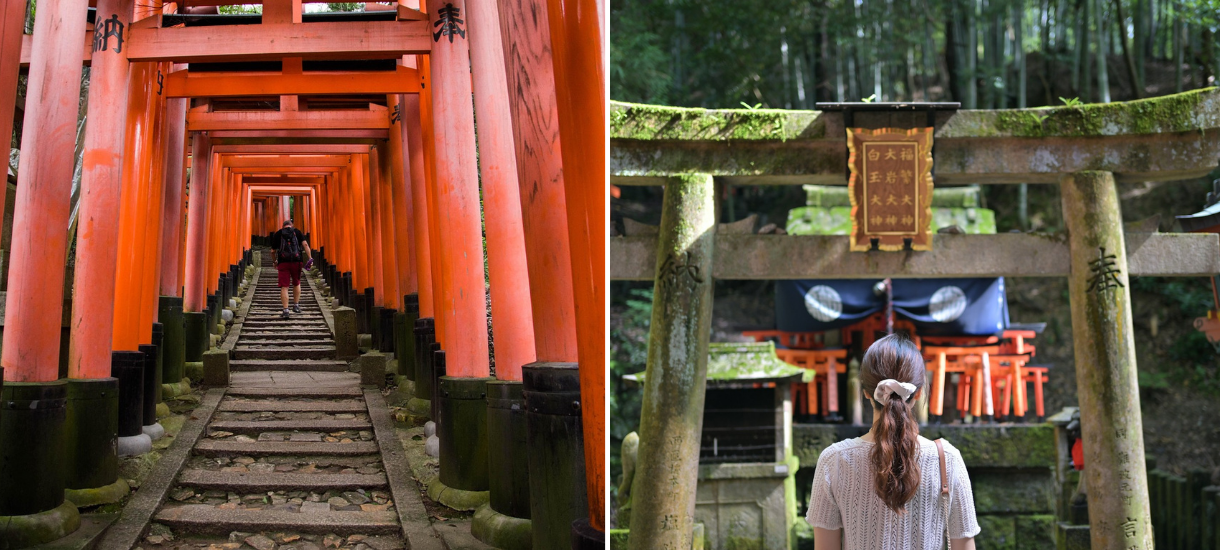
Among all the best shrines and temples in Japan, Fushimi Inari Taisha is perhaps the most instantly recognizable. Dedicated to Inari, the Shinto deity of rice, prosperity, and business success, the shrine is best known for its thousands of vivid vermilion torii gates that form winding tunnels up Mount Inari. The seemingly endless paths create an atmosphere that feels both spiritual and cinematic, making it one of Japan’s famous shrines and a must-visit place in Japan for travelers interested in culture, photography, and spiritual experiences.
Source: Pixabay
Beyond the iconic gates, what makes the experience memorable is the journey itself. As you walk deeper into the mountain trails, the crowds gradually thin out, replaced by quiet forest paths, smaller sub-shrines, and stone fox statues believed to be messengers of Inari. The full hike to the summit takes around two to three hours, but even a short walk through the lower sections offers a meaningful glimpse into Japan’s spiritual traditions and why Kyoto remains one of the most important cultural places in Japan.
Source: Pixabay, Unsplash
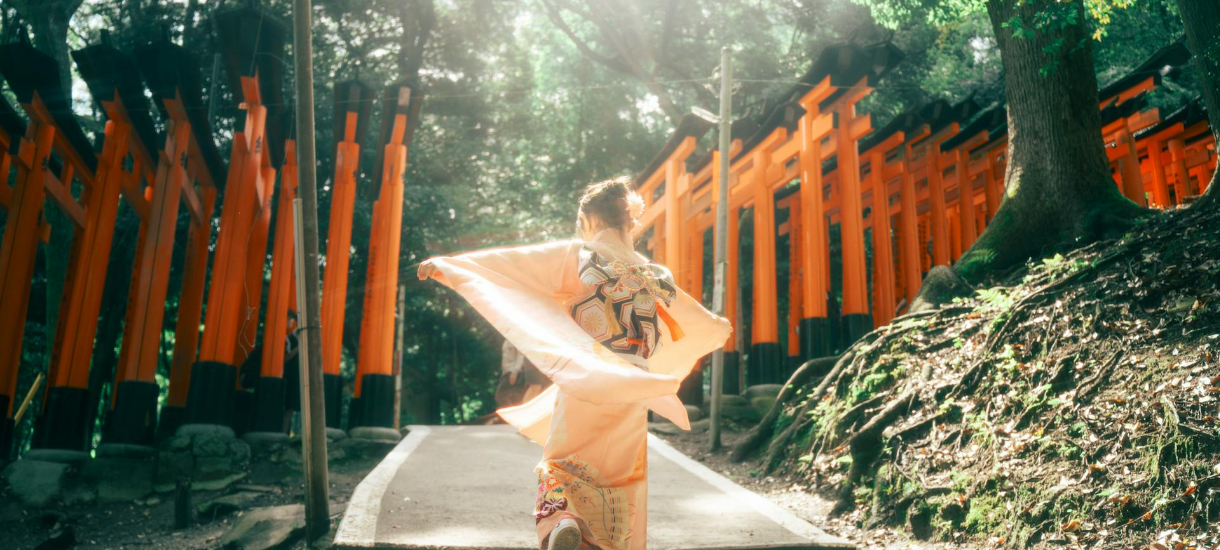
The best time to visit is early in the morning, ideally around sunrise, when the pathways are quieter, and the light filters beautifully through the torii gates. Evening visits also offer a calmer atmosphere compared to the busy midday hours.
Source: Pexels
Meiji Shrine – Tokyo
Located in the heart of bustling Tokyo, Meiji Shrine feels surprisingly distant from the modern city surrounding it. Dedicated to Emperor Meiji and Empress Shoken, the shrine was built in 1920 to commemorate the imperial couple who played a major role in Japan’s modernization during the Meiji era. Unlike many ornate shrines across the country, Meiji Shrine is known for its simplicity, spacious grounds, and peaceful forest environment, making it one of the most accessible spiritual places in Japan for first-time visitors.
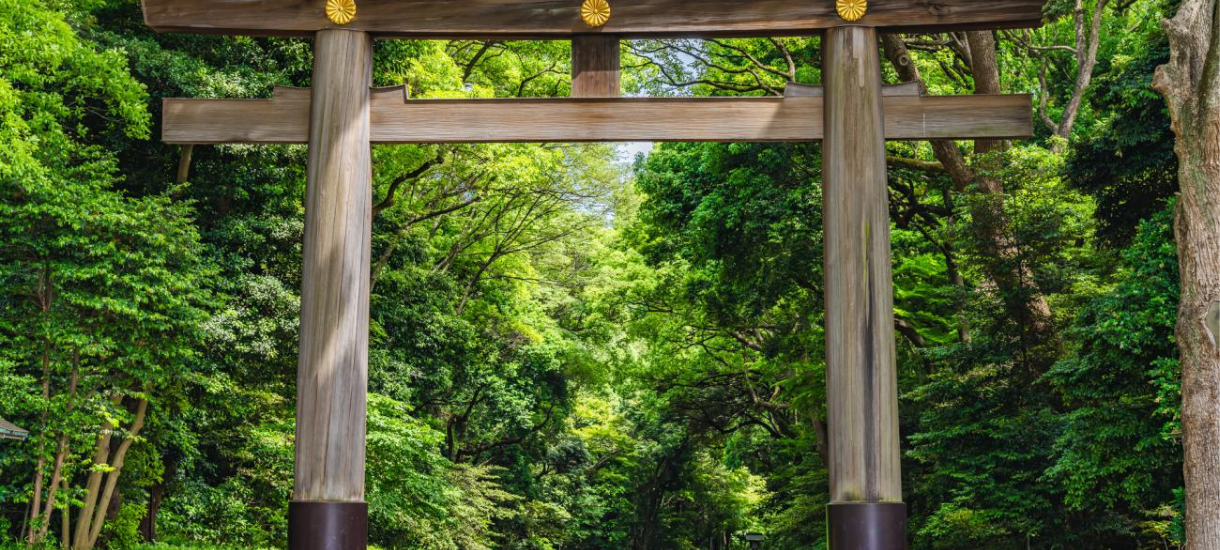
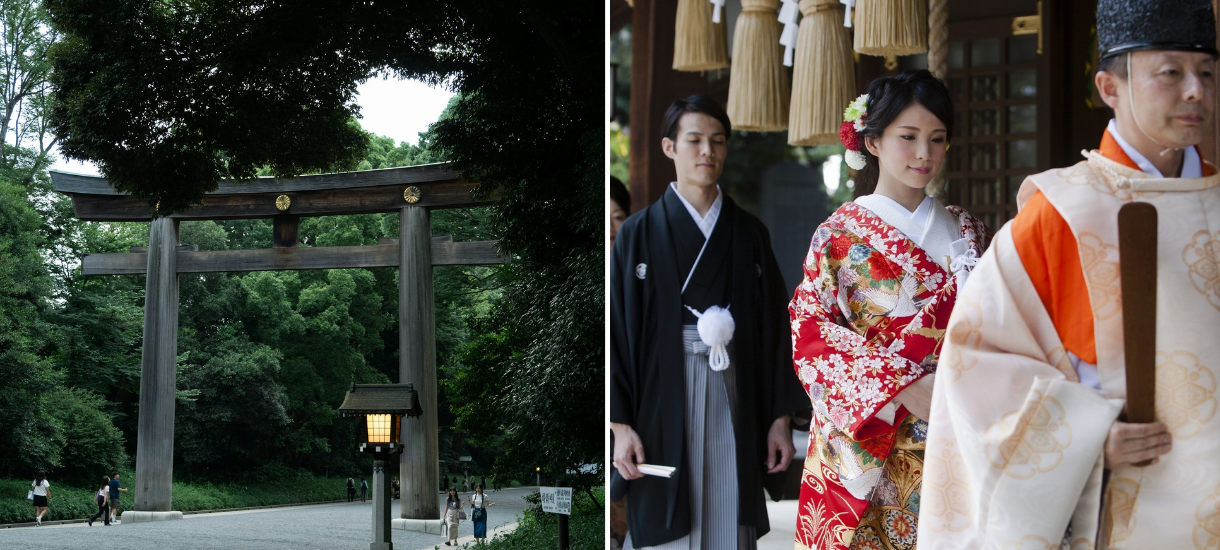
One of the most memorable parts of visiting Meiji Shrine is the transition from city noise to silence. The wide gravel pathways are surrounded by a dense man-made forest of over 100,000 trees donated from across Japan. Visitors may also encounter traditional Shinto wedding processions, especially on weekends, adding a glimpse into living Japanese traditions rather than just historical heritage. This contrast between urban energy and sacred calm is part of what makes Meiji Shrine one of Japan’s famous shrines worth experiencing beyond the usual tourist attractions.
Source: Unsplash, Japan up close
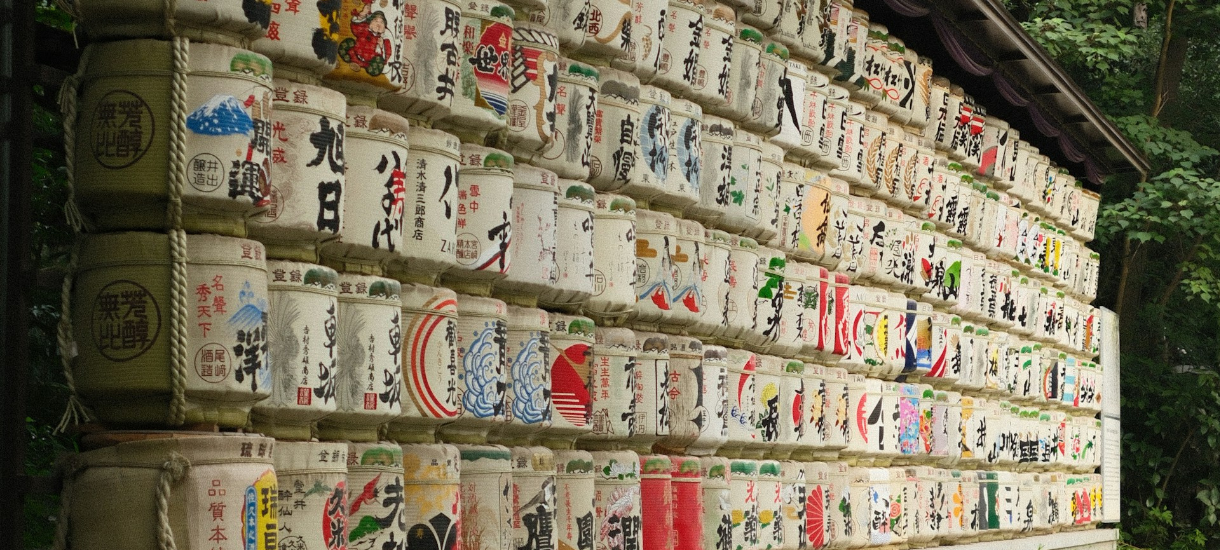
Near the main entrance, rows of decorative sake barrels and wine casks symbolize cultural exchange and offerings to the deities. The shrine is particularly beautiful during seasonal changes, from fresh greenery in early summer to golden foliage in autumn.
Source: Unsplash
Itsukushima Shrine – Hiroshima
Itsukushima Shrine is famous worldwide for its “floating” torii gate, which appears to rise directly from the sea during high tide. Located on Miyajima Island near Hiroshima, the shrine has long been considered one of Japan’s most scenic and sacred sites. The current shrine structures largely date back to the 12th century, when military leader Taira no Kiyomori helped transform it into an important cultural and spiritual landmark. Today, it remains one of Japan’s famous shrines and a UNESCO-recognized destination for travelers seeking both history and natural beauty.
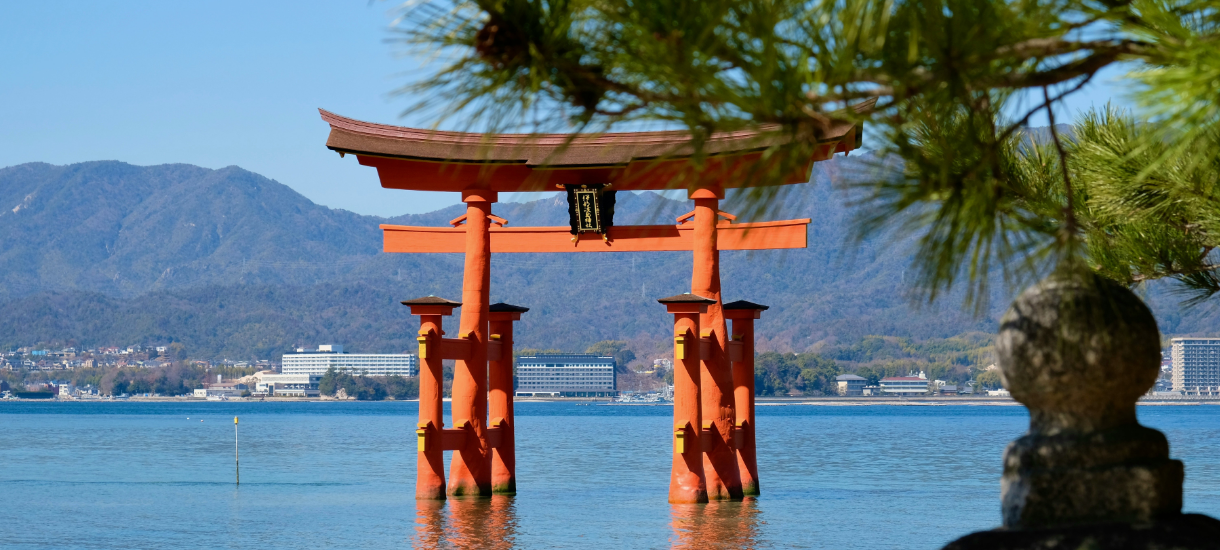
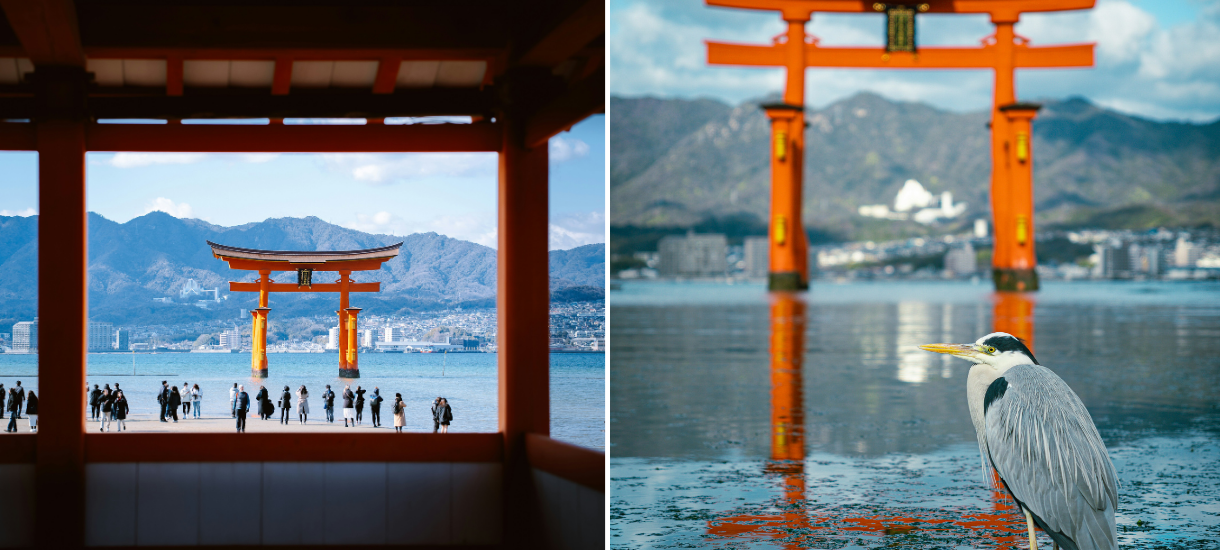
What makes the experience here unique is how dramatically the scenery changes with the tides. At high tide, the shrine seems to float above the water, creating one of the most iconic views in Japan. During low tide, visitors can walk out toward the base of the giant torii gate and observe its impressive scale up close. These changing landscapes are part of what makes Miyajima one of the most unforgettable cultural places in Japan.
Source: Pexels
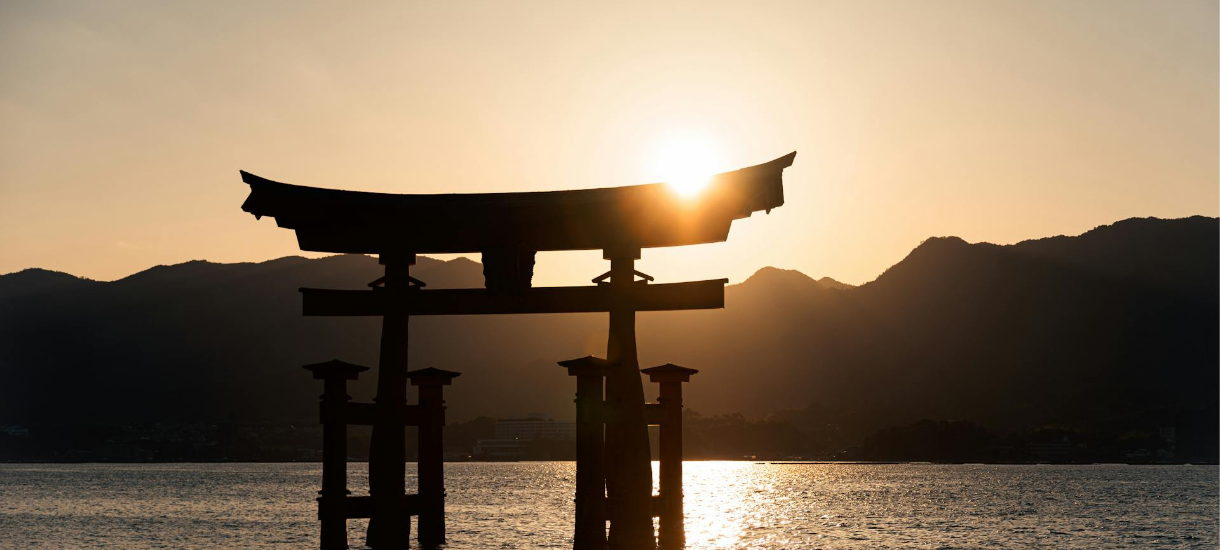
Beyond the shrine itself, Miyajima Island offers a slower and more traditional atmosphere, with deer wandering freely through the streets, small local shops, and mountain hiking trails nearby. Sunset is often considered the most beautiful time to visit, when the gate and shrine are illuminated by warm golden light against the Seto Inland Sea.
Source: Pexels
Ise Grand Shrine – Mie
Often regarded as the most sacred Shinto shrine in Japan, Ise Grand Shrine holds deep spiritual importance within Japanese culture. Dedicated to Amaterasu, the sun goddess and one of the central deities in Shinto belief, the shrine has been a major pilgrimage destination for centuries. Unlike many famous shrines known for elaborate decorations, Ise Grand Shrine is admired for its purity, simplicity, and harmony with nature, offering a very different experience from more crowded tourist destinations.
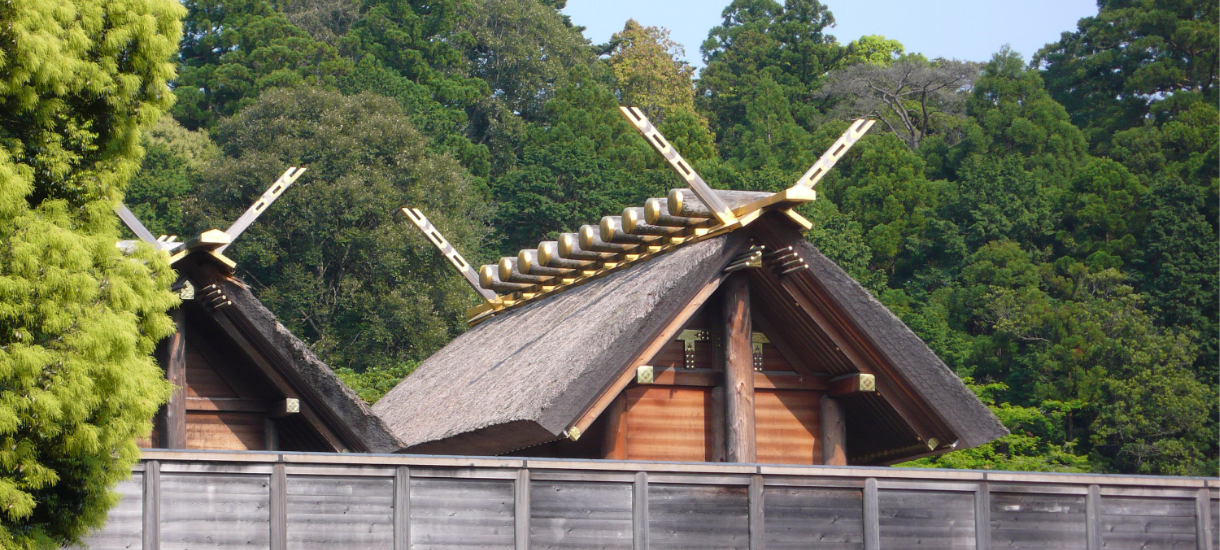
Source: Wikipedia
The shrine complex is divided into two main areas: the Inner Shrine (Naiku) and the Outer Shrine (Geku), connected by forested paths and traditional pilgrimage routes. One of the most fascinating traditions of Ise Grand Shrine is that its main buildings are completely rebuilt every twenty years in a ritual known as Shikinen Sengu, preserving ancient architectural techniques and spiritual renewal practices that date back over a thousand years. This tradition reflects the deep connection between spirituality, craftsmanship, and nature that defines many spiritual places in Japan.
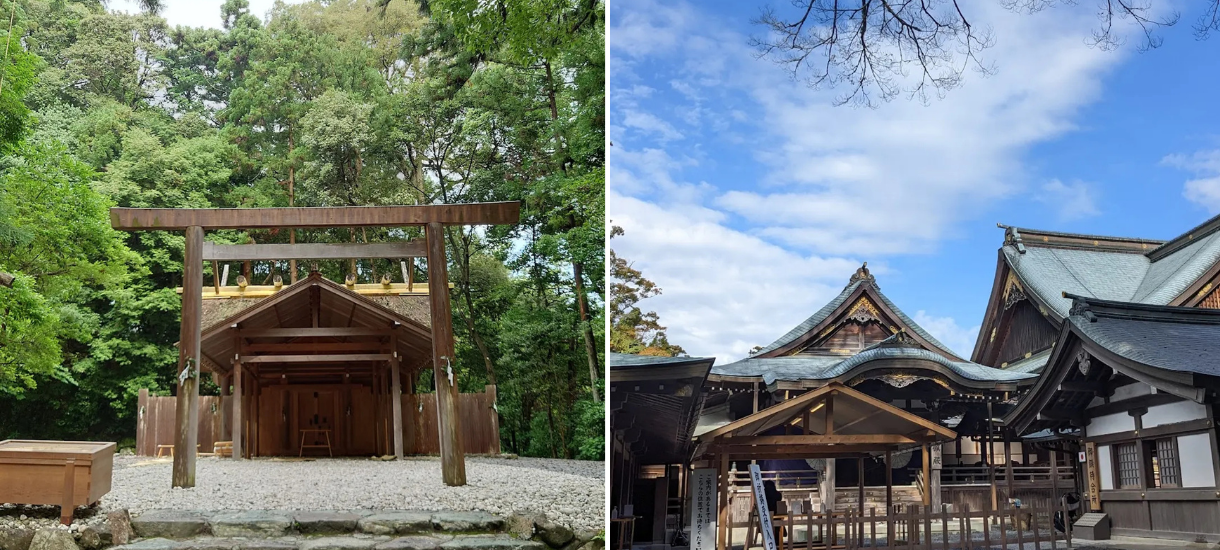
Source: Rexby
Visiting Ise feels less like entering a tourist attraction and more like stepping into a deeply spiritual environment. Towering cedar trees, gravel pathways, and wooden shrine structures create a calm atmosphere that encourages quiet reflection. Compared to larger urban shrines, the experience here is noticeably more serene and contemplative.
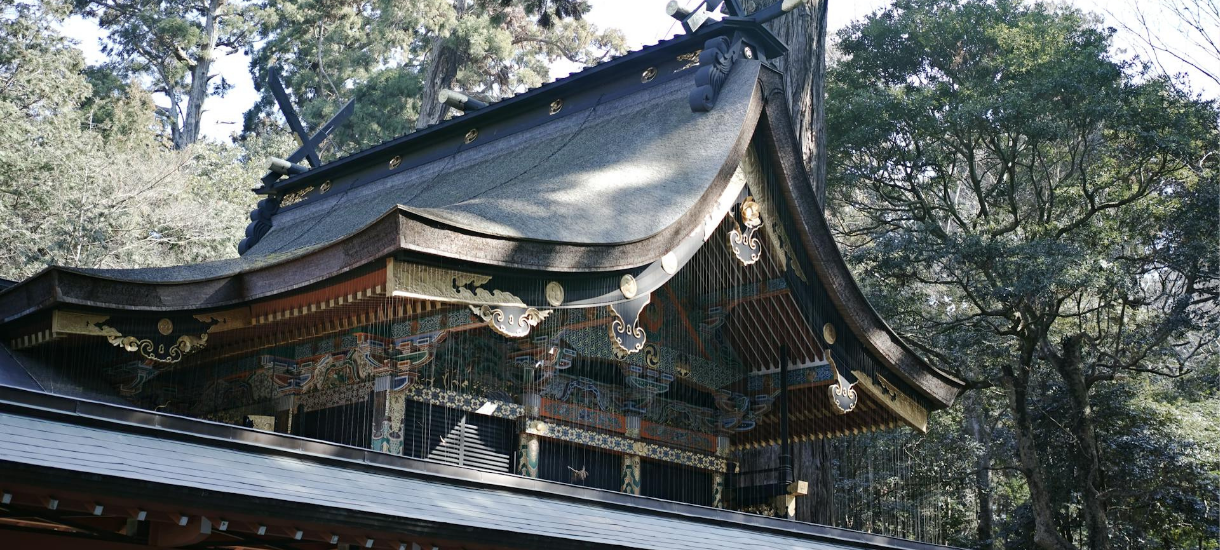
Source: Pexels
Etiquette when you visit a shrine in Japan: What should you know
Visiting a shrine in Japan is not only an interesting experience but also an opportunity to engage with a new culture. Many of Japan’s famous shrines are still active spiritual spaces where locals come to pray, celebrate traditions, and connect with Shinto beliefs. Understanding a few basic etiquette rules helps visitors experience these cultural places in Japan more respectfully while also appreciating their deeper meaning.
Enter the Torii Gates Respectfully
The torii gate marks the transition from the ordinary world into sacred ground. Before walking through, many locals give a small bow as a gesture of respect. You may also notice that people avoid walking directly in the center of the pathway beneath the gate. In Shinto belief, the middle path is considered the route reserved for the deities, so visitors usually walk slightly to the side instead. It is a small detail, but one that reflects the quiet respect woven into many spiritual places in Japan.
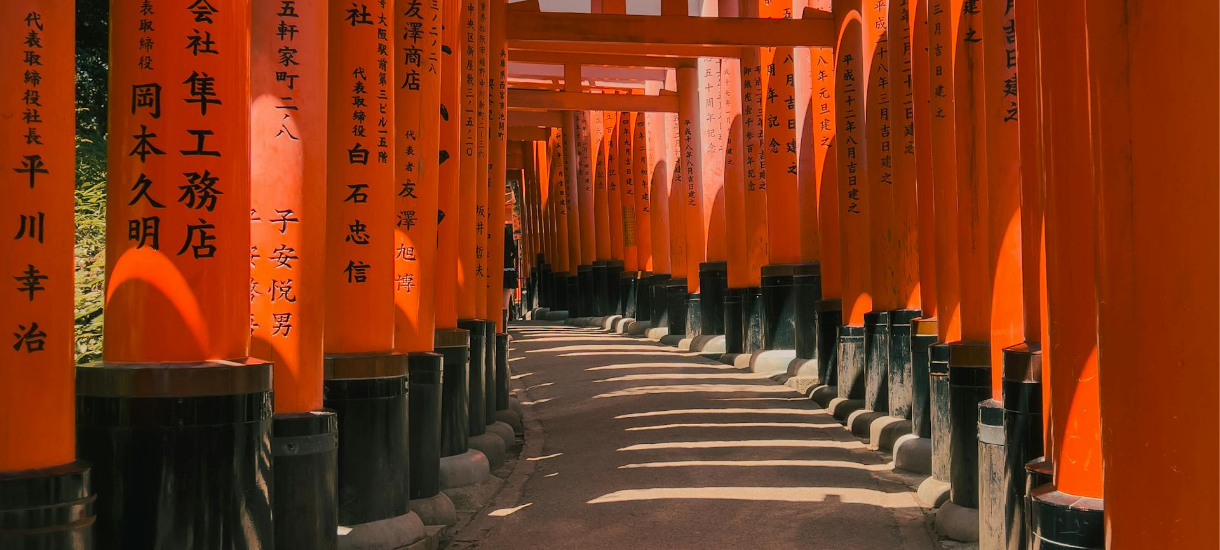
Source: Pexels
Purify Yourself at the Chozuya
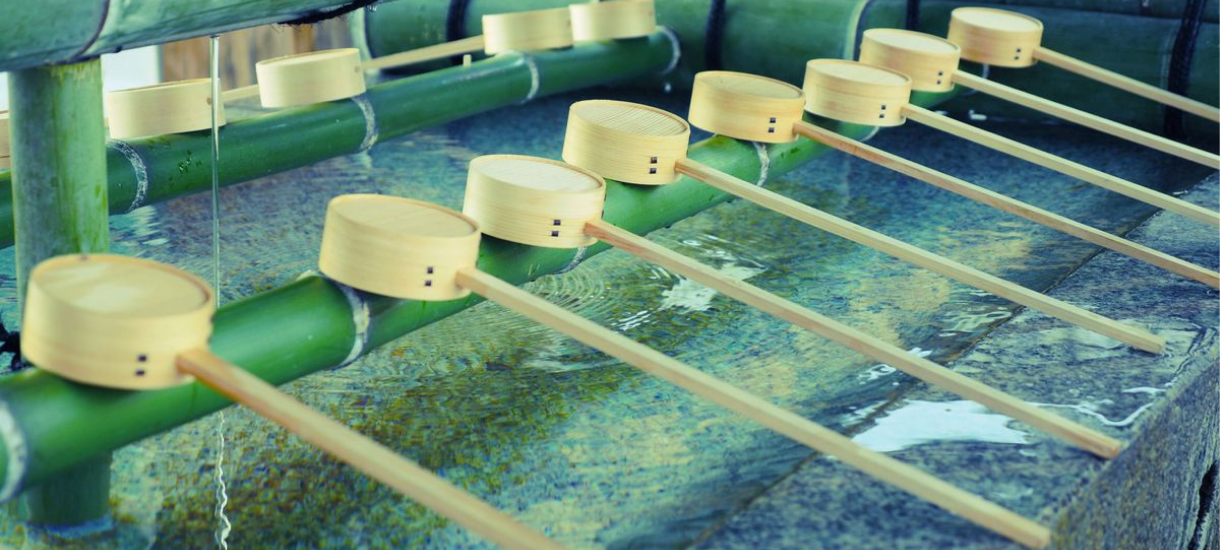
Near the entrance of most shrines, you will find a water pavilion called a chozuya or temizuya. This is where visitors symbolically cleanse themselves before approaching the main shrine. Using the wooden ladle, people traditionally rinse their left hand, then their right hand, and finally cleanse their mouth lightly before entering. The ritual is not simply about physical cleanliness, but about preparing yourself mentally before stepping deeper into one of Japan’s sacred cultural spaces.
Source: Pinterest
Make Offerings and Prayers Properly
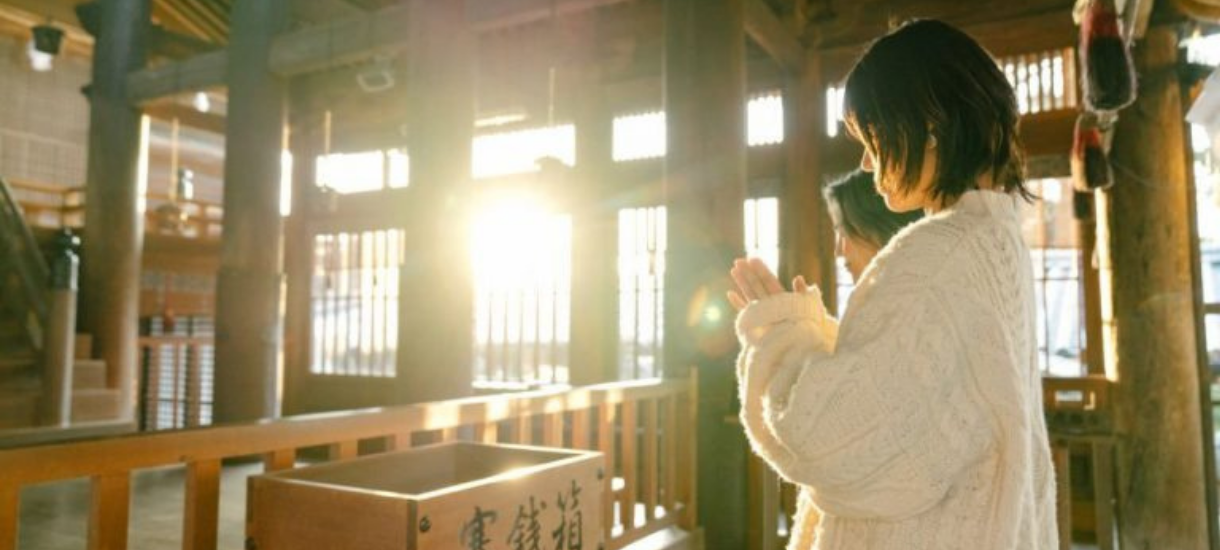
When approaching the main hall, visitors often toss a small coin into the offering box before praying. At many shrines, the traditional prayer style follows a simple sequence: bow twice, clap twice, offer a quiet prayer or wish, then bow once more. While practices can vary slightly depending on the shrine, the atmosphere is generally calm and personal rather than formal or intimidating. Even for first-time travelers exploring the best shrines and temples in Japan, quietly observing and following the flow respectfully is usually appreciated.
Source: Pinterest
Understand the Photography Rules
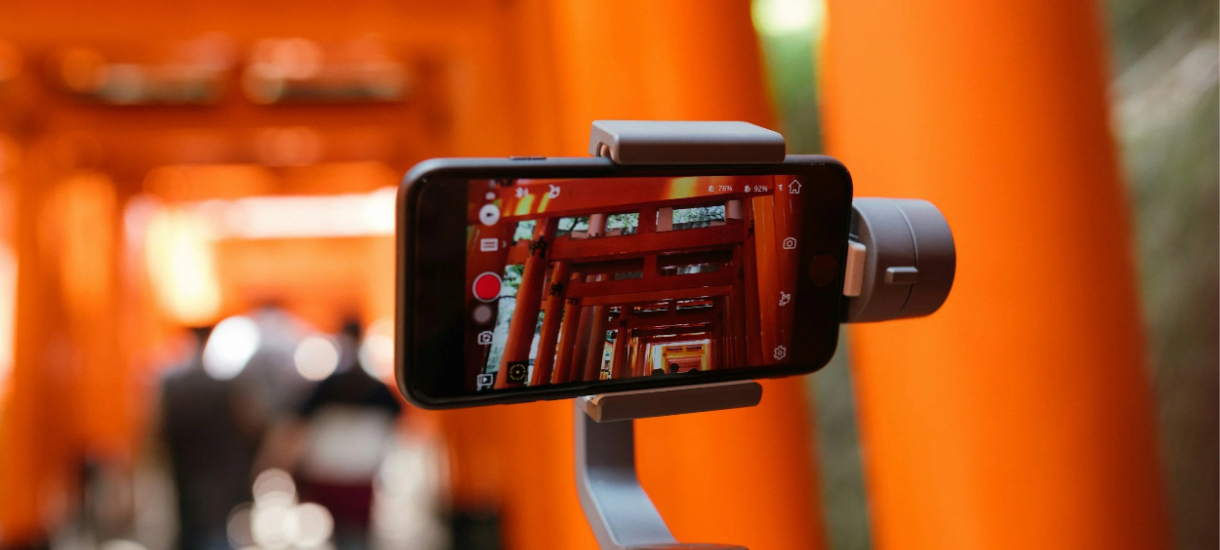
Many shrines in Japan are visually stunning, which is why they are often considered a dream destination for photographers. However, it is important to remember that these are places of worship first. Outdoor photography is generally allowed, especially around torii gates, pathways, and shrine grounds, but some inner halls or sacred areas prohibit photography entirely. Signs are usually displayed clearly, and visitors should avoid using flash, drones, or speaking loudly while taking pictures. In quieter spaces, simply pausing to experience the atmosphere without a camera can often feel more meaningful.
Source: Wikipedia
Dress and Behave Respectfully
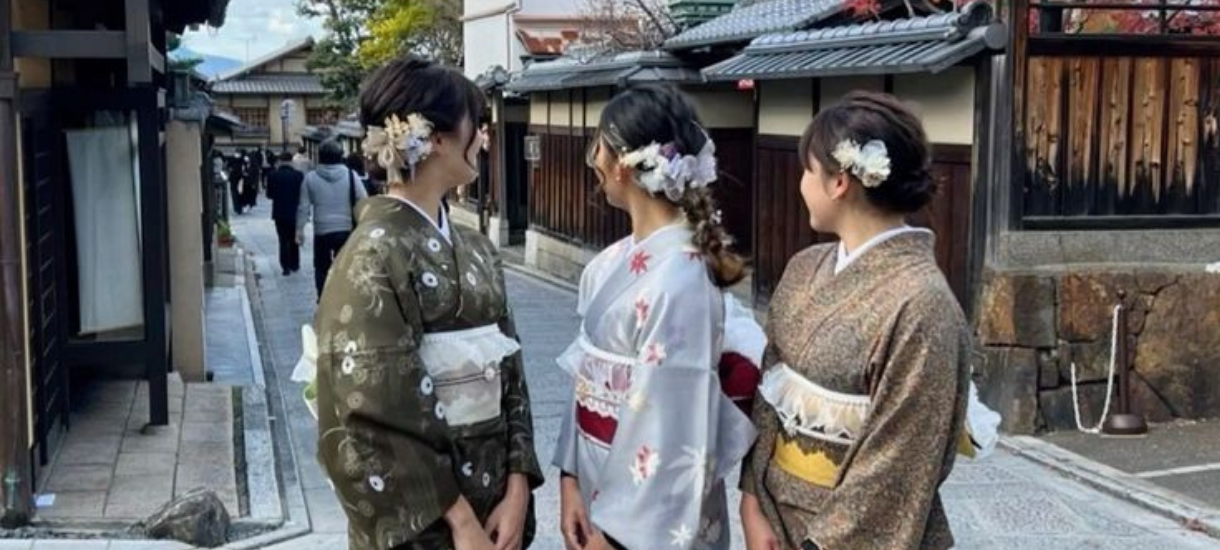
There is no strict dress code for most shrines, but modest and comfortable clothing is generally considered appropriate. Since shrine visits often involve walking through gravel paths, stairs, or forest trails, comfortable shoes are also recommended. More importantly, respectful behavior matters far more than appearance. Speaking softly, avoiding disruptive behavior, and being mindful of worshippers around you all contribute to preserving the peaceful atmosphere that makes these sites some of the most memorable spiritual places in Japan.
Source: Pinterest
Be Mindful During Festivals and Ceremonies
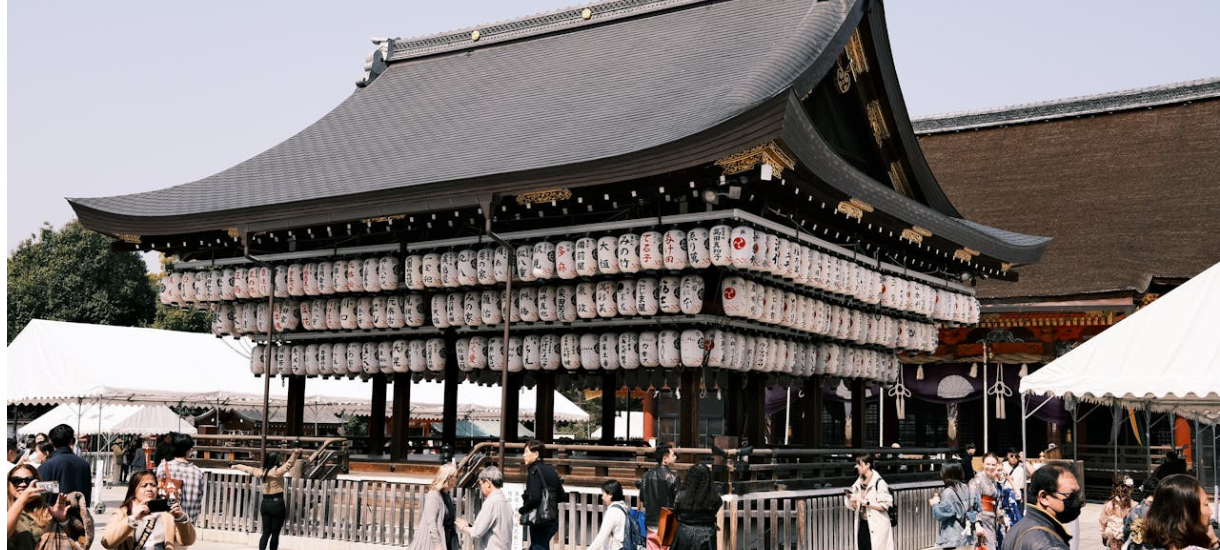
If you happen to visit during a matsuri (festival) or traditional ceremony, you may witness processions, music performances, or local rituals taking place. These events are often deeply connected to community traditions and religious practices rather than staged performances for tourists. Watching quietly, giving participants space, and avoiding interrupting ceremonies for photos are simple but important ways to show respect. Experiencing a shrine during a festival can also offer one of the most authentic cultural experiences in Japan.
Source: Pexels
Famous temples in Japan
Senso-ji – Tokyo
As the oldest temple in Tokyo, Senso-ji holds a special place among Japan’s famous temples. Located in the historic Asakusa district, the temple was founded in the 7th century after two fishermen reportedly discovered a statue of Kannon, the Buddhist goddess of mercy, in the nearby Sumida River. Over centuries, Senso-ji has grown into both a major spiritual site and one of the most visited cultural places in Japan.
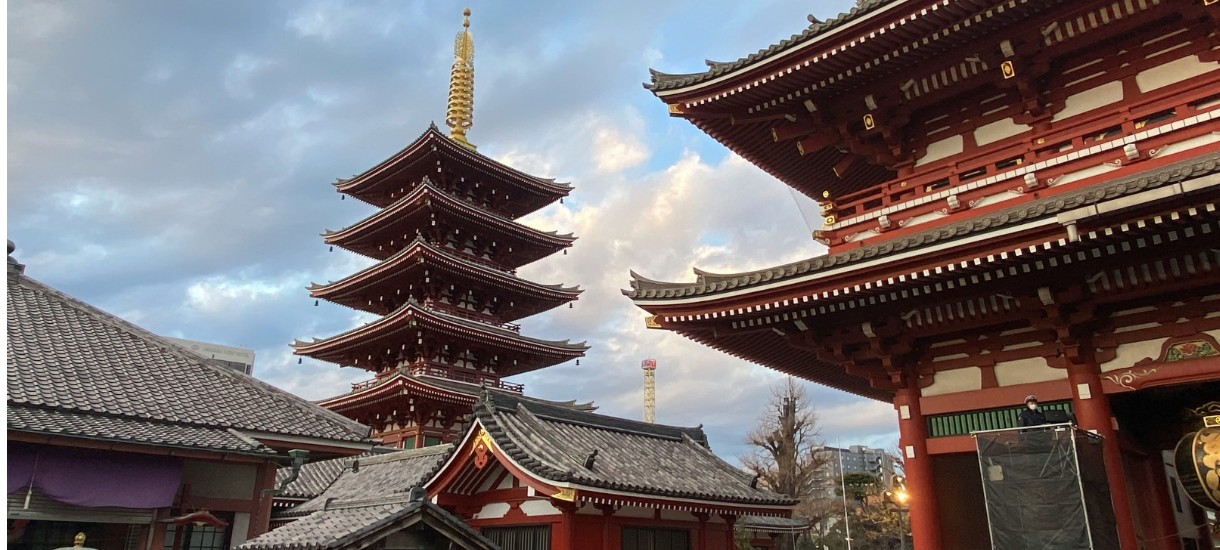
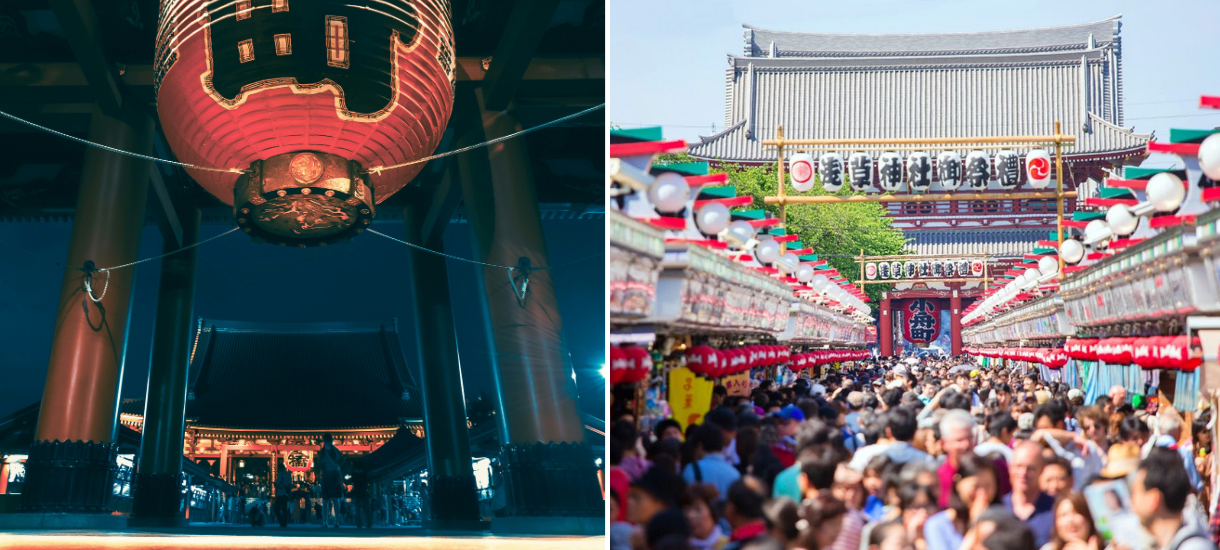
What makes the experience here so memorable is the contrast between spirituality and lively local culture. Visitors enter through the iconic Kaminarimon Gate, marked by its enormous red lantern, before walking along Nakamise Street, a traditional shopping lane filled with local snacks, souvenirs, and handcrafted goods. The atmosphere feels energetic and nostalgic at the same time, offering a glimpse into Tokyo’s older character beneath the modern skyline.
Source: Pinterest
Beyond the crowds and photo spots, Senso-ji still functions as an active place of worship. Visitors often stop to draw omikuji fortune slips, light incense for purification, or offer quiet prayers inside the main hall. In the evening, when the temple buildings become illuminated and the crowds begin to fade, the atmosphere shifts into something far calmer and more reflective.
Kinkaku-ji – Kyoto
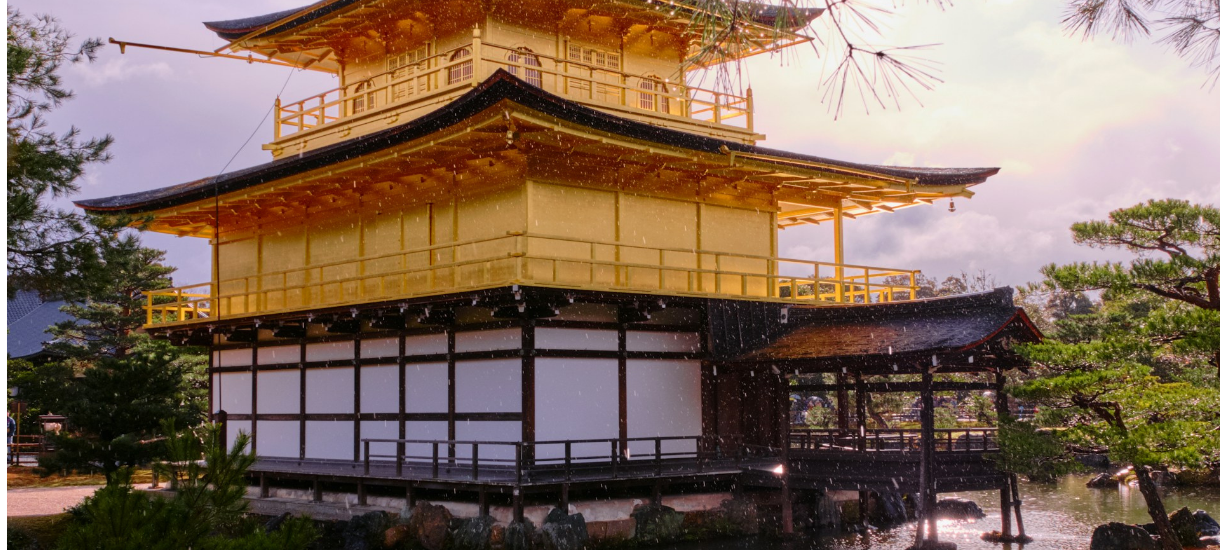
Few places represent the beauty of traditional Kyoto more famously than Kinkaku-ji, also known as the Golden Pavilion. Originally built in the late 14th century as a retirement villa for shogun Ashikaga Yoshimitsu, the structure was later converted into a Zen Buddhist temple after his death. Covered in brilliant gold leaf on its upper floors, Kinkaku-ji has become one of the most iconic temples in Japan and a must-visit destination for travelers exploring Japan’s cultural heritage.
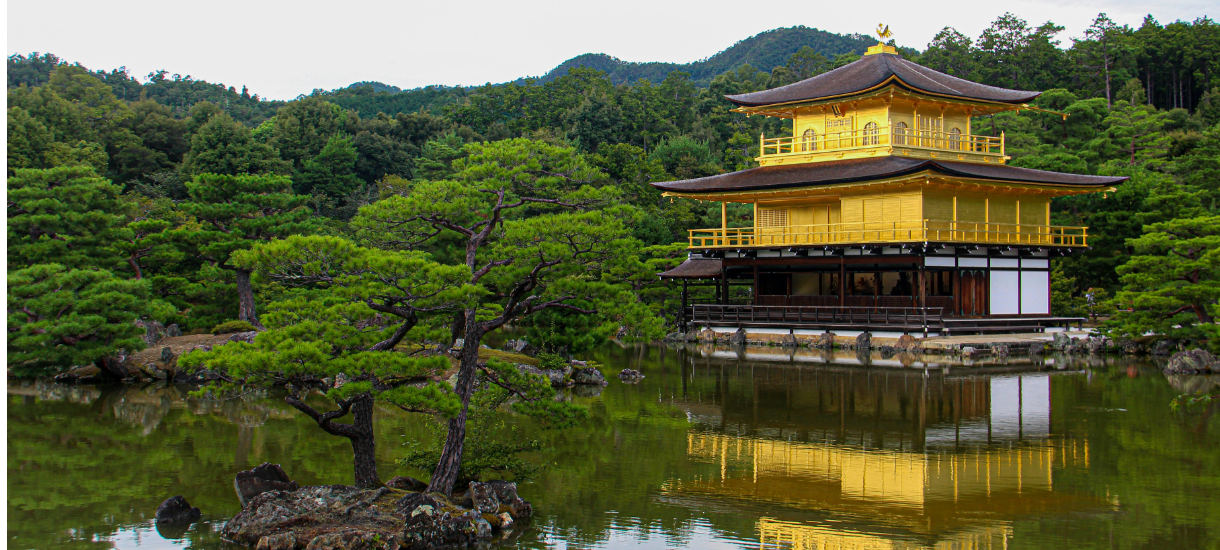
What makes Kinkaku-ji particularly striking is not only the building itself, but the harmony between architecture and nature. The golden pavilion reflects beautifully over Kyoko-chi Pond, while carefully designed gardens surrounding the temple embody principles of traditional Japanese landscape aesthetics. Each season transforms the scenery completely, from vivid maple leaves in autumn to snow-covered rooftops in winter, creating one of the most photographed spiritual places in Japan.
Source: Unsplash
Although visitors cannot enter the pavilion itself, the walking route around the temple grounds encourages a slower appreciation of the environment. The experience feels less about rushing toward a landmark and more about observing how silence, reflection, and natural beauty are woven into Japanese temple culture.
Todai-ji – Nara
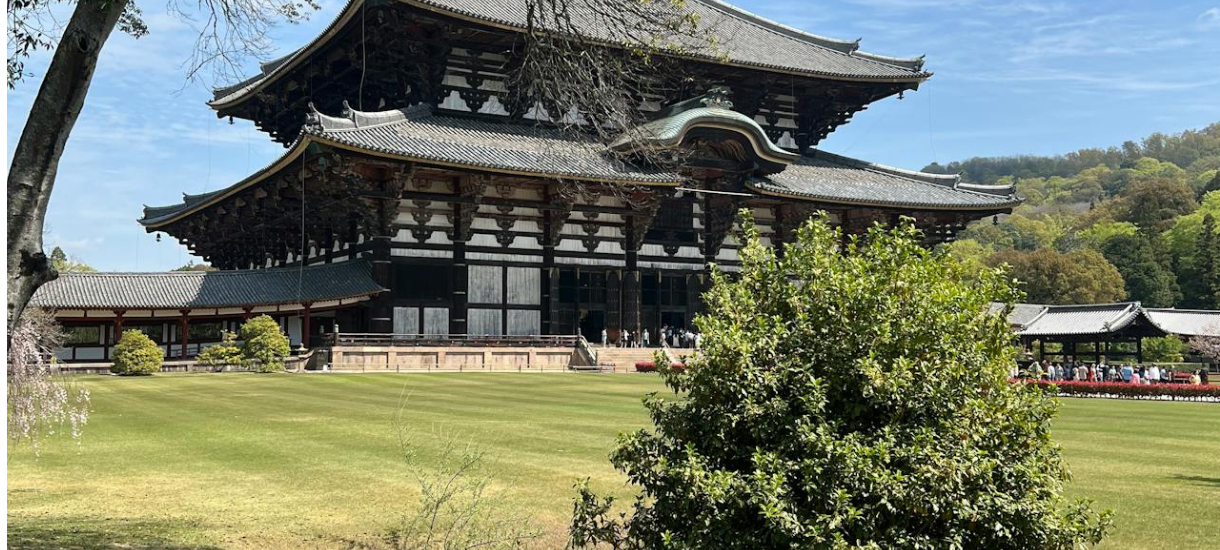
Located in the ancient capital of Nara, Todai-ji is one of Japan’s most historically significant Buddhist temples. Originally established in the 8th century during the Nara period, the temple was built as the head temple of all provincial Buddhist temples across the country. Today, it remains one of Japan’s famous temples and an important symbol of the nation’s religious and architectural history.
Source: Pexels
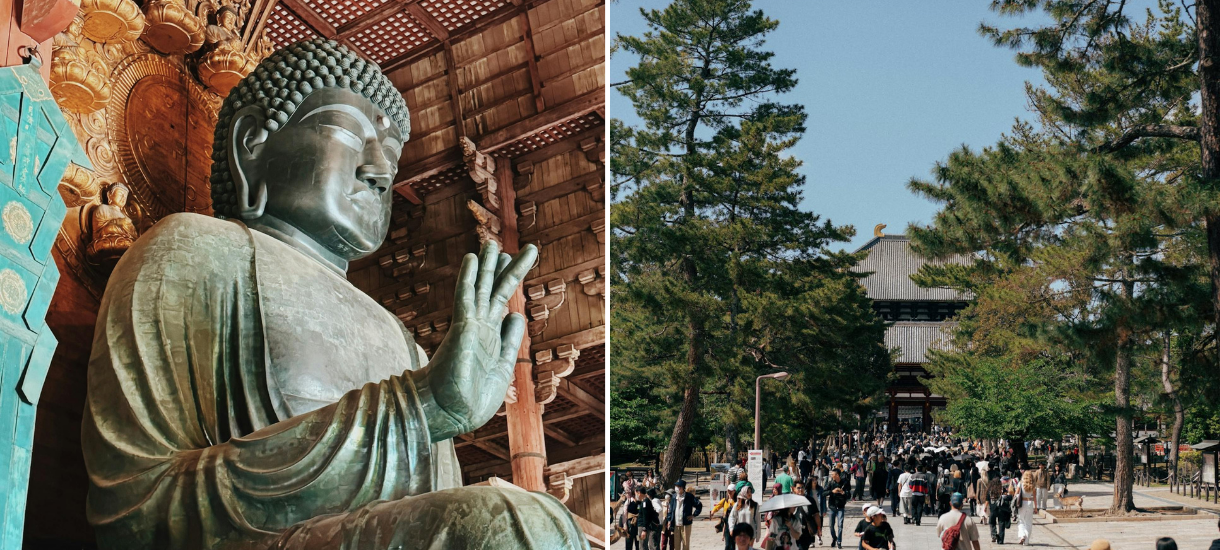
Todai-ji is best known for housing the Great Buddha, or Daibutsu, a massive bronze statue of Vairocana Buddha standing approximately 15 meters tall. The statue is enshrined inside the Daibutsuden, or Great Buddha Hall, which was once considered the largest wooden building in the world. Standing inside the hall, many visitors are struck not only by the immense scale of the structure, but also by the quiet atmosphere that contrasts with its monumental size.
Source: Pexels
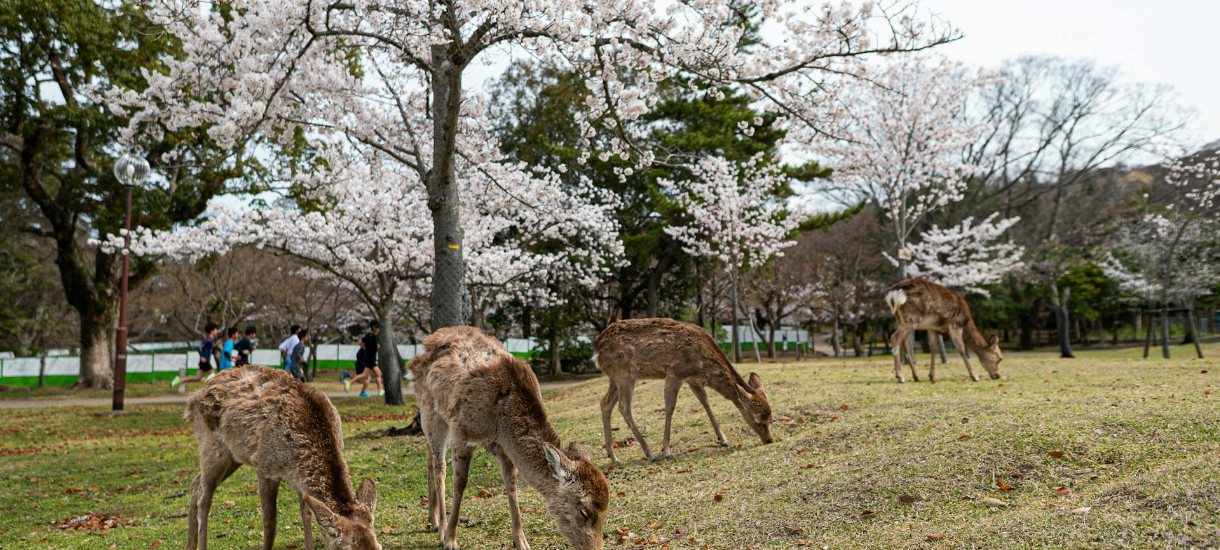
The surrounding area adds another layer to the experience. Todai-ji sits within Nara Park, where freely roaming deer are regarded as sacred messengers in Shinto tradition. Walking between temple grounds, forest paths, and historic gates creates a feeling of stepping into an older side of Japan that still feels deeply connected to nature and spirituality.
Source: Pexels
Kiyomizu-dera – Kyoto
Perched on the hills of eastern Kyoto, Kiyomizu-dera is one of the most celebrated temples in Japan and a UNESCO World Heritage Site. Founded in 778, the temple is associated with the Hosso school of Japanese Buddhism and has long been an important pilgrimage destination. Its name, meaning “Pure Water Temple,” comes from the Otowa Waterfall that flows beneath the main hall.
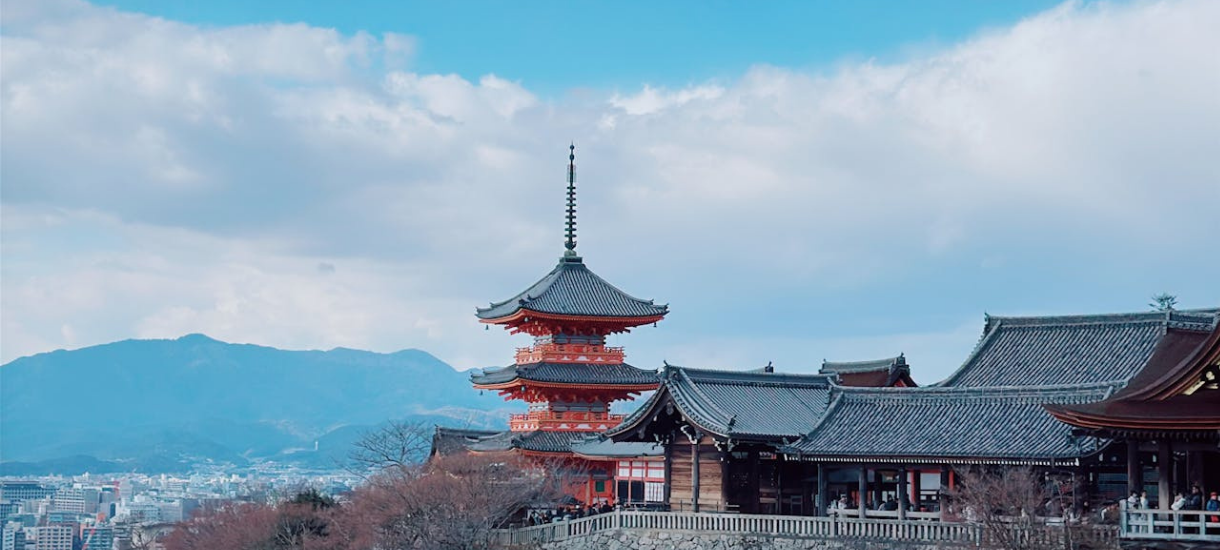
Source: Pexels
The temple is most famous for its large wooden stage extending from the main hall, built entirely without the use of nails. From here, visitors can enjoy sweeping views across Kyoto, especially during cherry blossom season in spring and maple foliage season in autumn. These dramatic seasonal landscapes have made Kiyomizu-dera one of the most recognizable cultural places in Japan and a favorite destination for photographers.
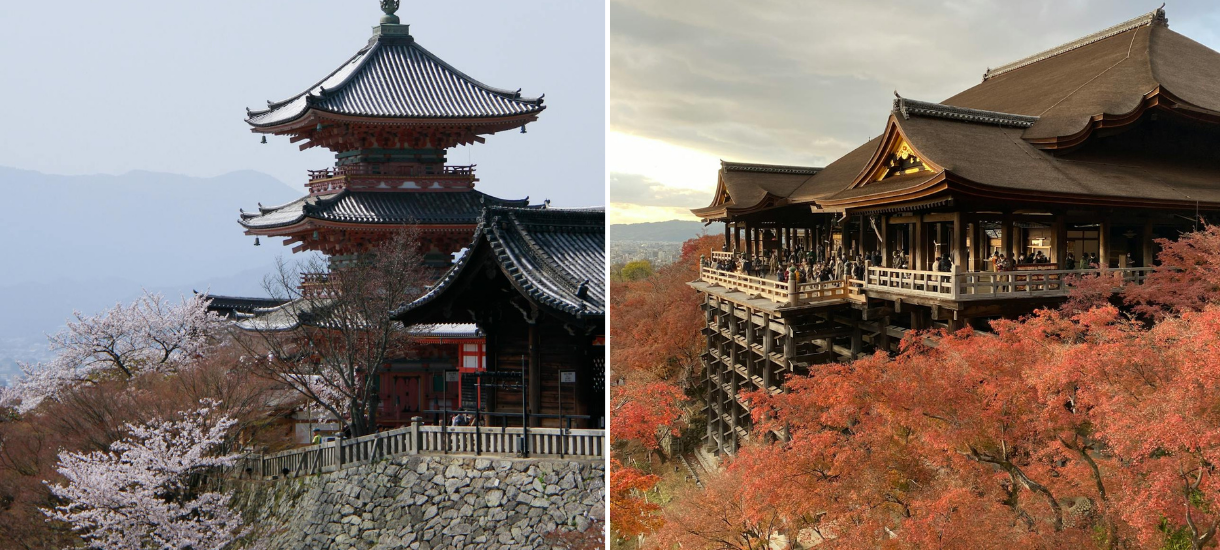
Source: Pexels
The journey to the temple is equally memorable. Traditional streets such as Sannenzaka and Ninenzaka leading up to Kiyomizu-dera are lined with preserved wooden buildings, tea houses, and local craft shops, creating an atmosphere that feels distinctly historic. While the temple is often busy, quieter moments can still be found in the early morning, when the sound of temple bells and distant city views give the area a more contemplative atmosphere.
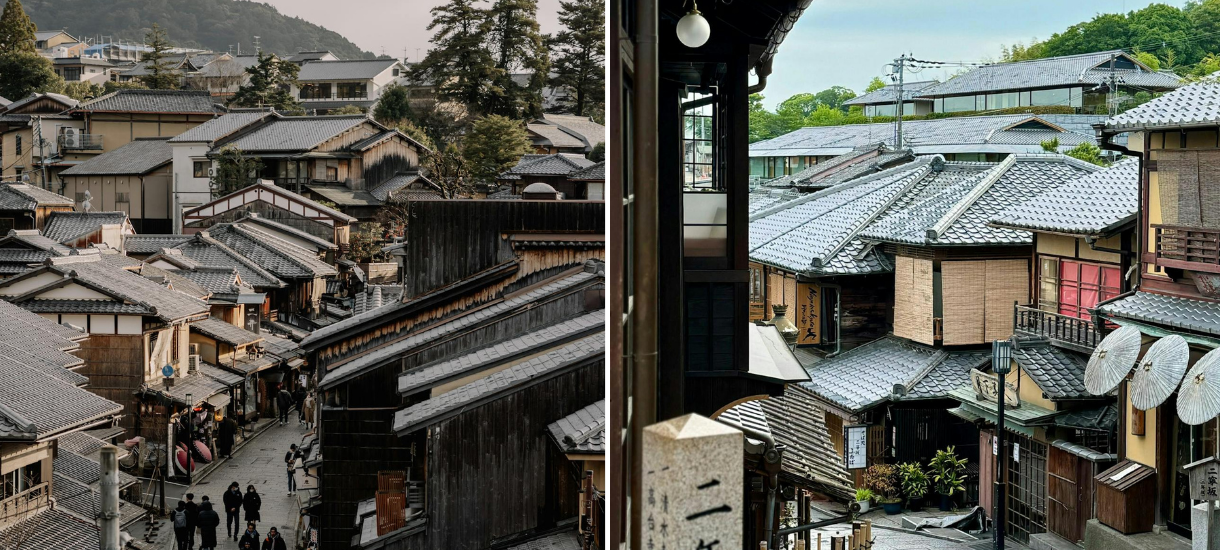
Source: Pexels
Etiquette when you visit a temple in Japan: What should you know
Visiting temples in Japan offers far more than beautiful architecture or historic sightseeing. Many of Japan’s famous temples continue to function as active places of worship, meditation, and community life. While etiquette is generally simple and welcoming to visitors, understanding a few cultural practices can help you experience these spiritual places in Japan more respectfully and meaningfully.
Be Respectful Inside Prayer Halls
Inside temple prayer halls, the atmosphere is usually calm and quiet. Visitors are encouraged to speak softly, silence their phones, and move respectfully through the space. In some temples, shoes must be removed before entering certain buildings, particularly in traditional wooden halls or meditation areas. Since many people visit temples for prayer or reflection rather than tourism, maintaining a quiet presence is considered an important part of respecting the space.
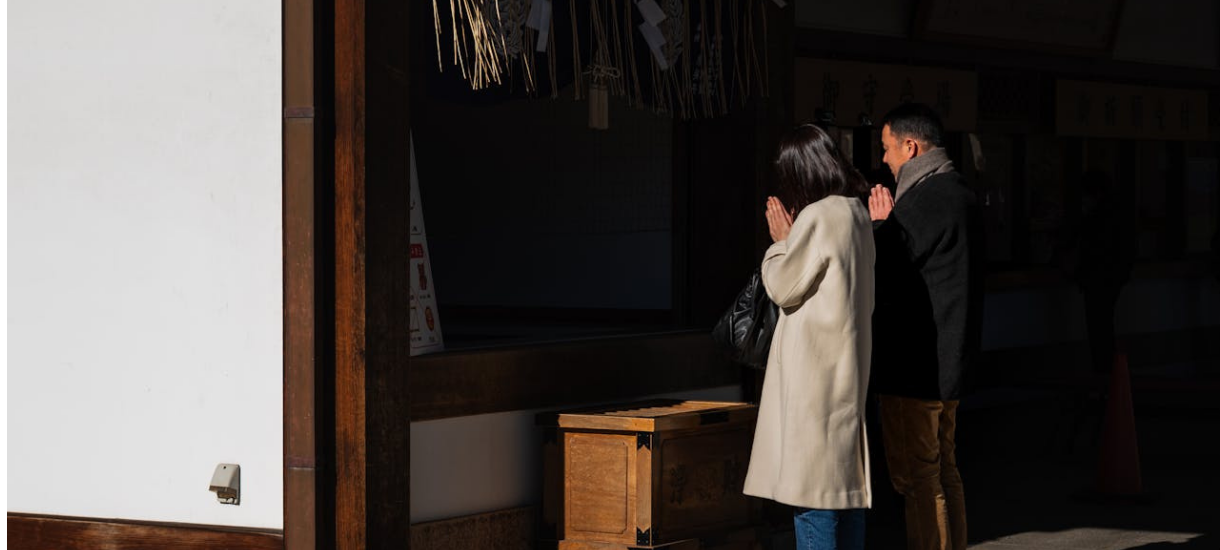
Source: Pexels
Understand Prayer Practices
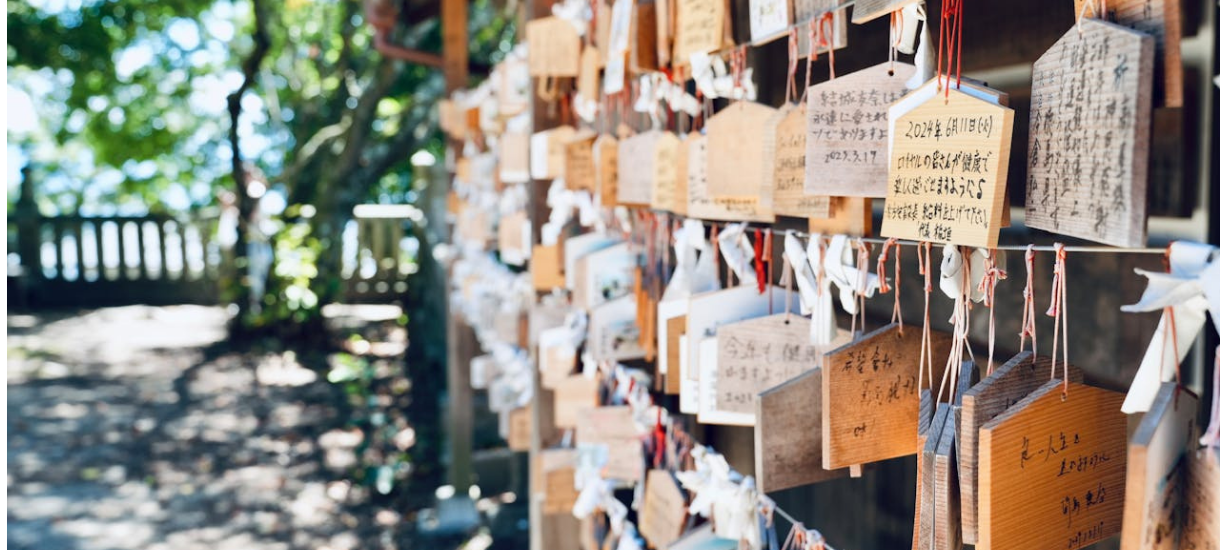
Unlike shrines, Buddhist temples in Japan follow slightly different prayer customs. Visitors often begin by making a small offering before quietly praying. At some temples, incense is burned as a symbolic act of purification, and many people gently wave the incense smoke toward themselves for blessings or good health. The rituals are usually less structured than many first-time visitors expect, and observing respectfully is often enough. Part of what makes the best shrines and temples in Japan so memorable is how naturally spirituality remains woven into everyday life.
Source: Pexels
Follow Photography Rules
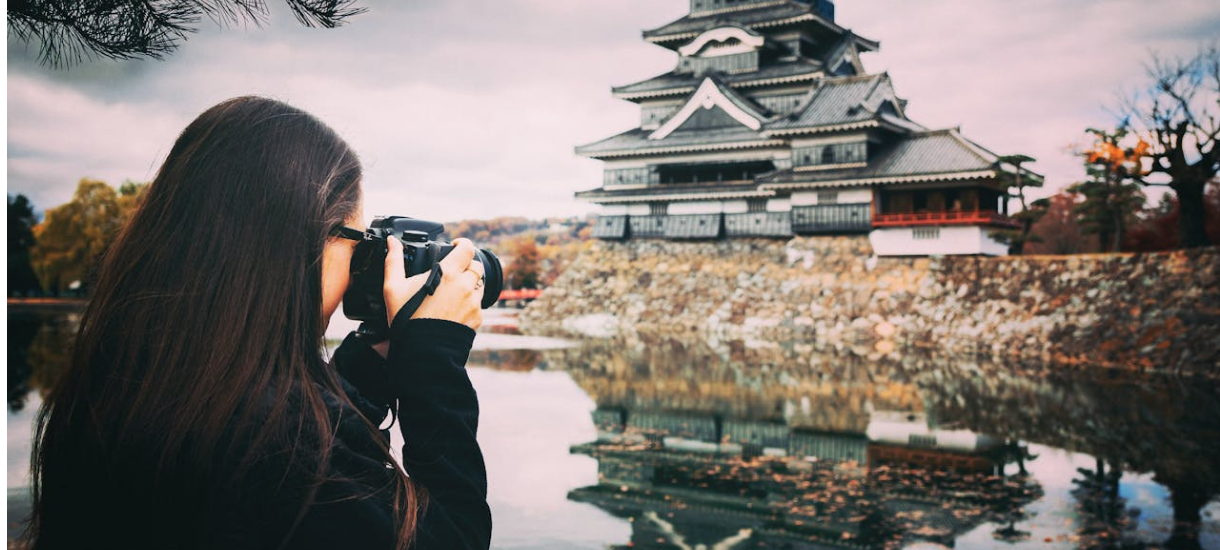
Many temples are among the most photographed cultural places in Japan, especially during cherry blossom or autumn foliage seasons. However, photography rules can vary significantly depending on the site. Outdoor temple grounds are generally open for photos, but interior halls, sacred statues, or ceremonial areas may prohibit photography completely. Signs are typically displayed clearly, and visitors should avoid using flash or speaking loudly while taking pictures. In quieter temples, simply appreciating the atmosphere without constantly reaching for a camera can often become the more memorable experience.
Source: Pexels
Dress Modestly and Comfortably
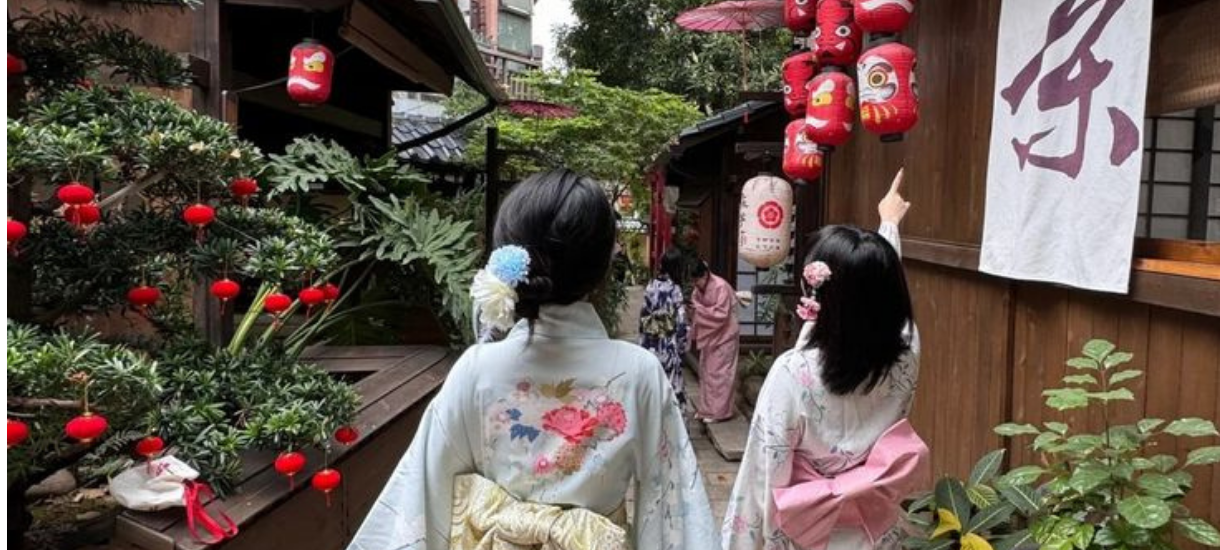
There is no strict dress code for most temples, but modest clothing is appreciated, especially when visiting important religious sites. Since temple visits often involve stairs, gravel pathways, and large walking grounds, comfortable shoes are also highly recommended. During warmer months, lightweight clothing is practical, but visitors should still avoid overly revealing outfits out of respect for local customs. Dressing appropriately helps visitors blend more naturally into the calm atmosphere found in many spiritual places in Japan.
Source: Pinterest
Respect Monks, Worshippers, and Sacred Objects
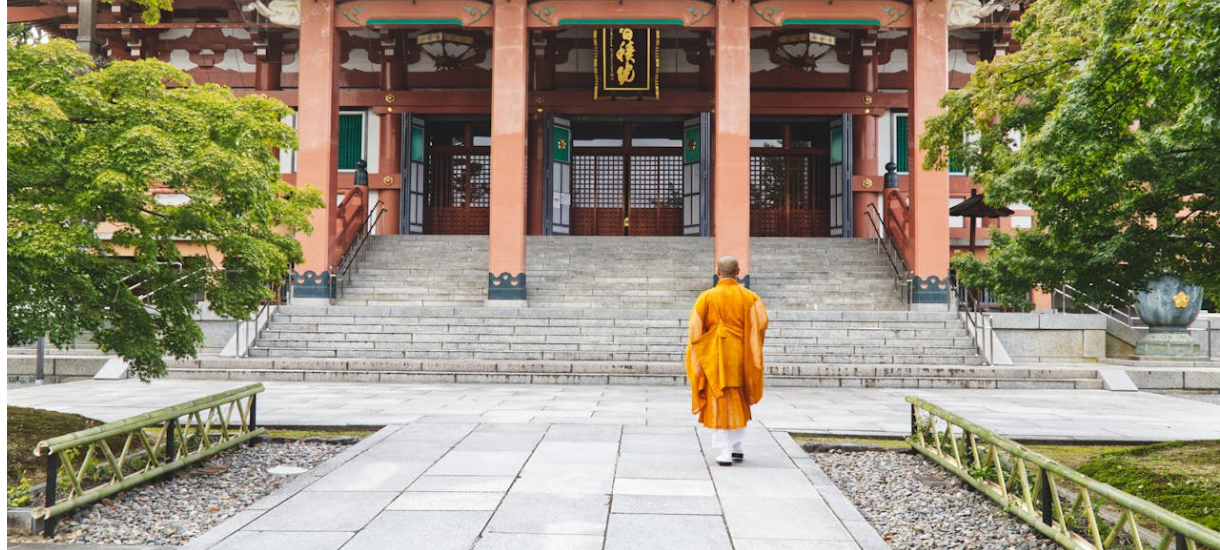
Many temples are still home to practicing monks and active religious communities. Visitors may encounter ceremonies, chanting, or quiet moments of prayer during their visit. It is important to avoid interrupting worshippers, touching sacred statues, or entering restricted areas unless clearly permitted. Even small gestures, such as giving people space while they pray or observing ceremonies quietly from a distance, reflect the respectful mindset valued within Japanese temple culture.
Source: Pexels
Be Mindful of the Temple Atmosphere
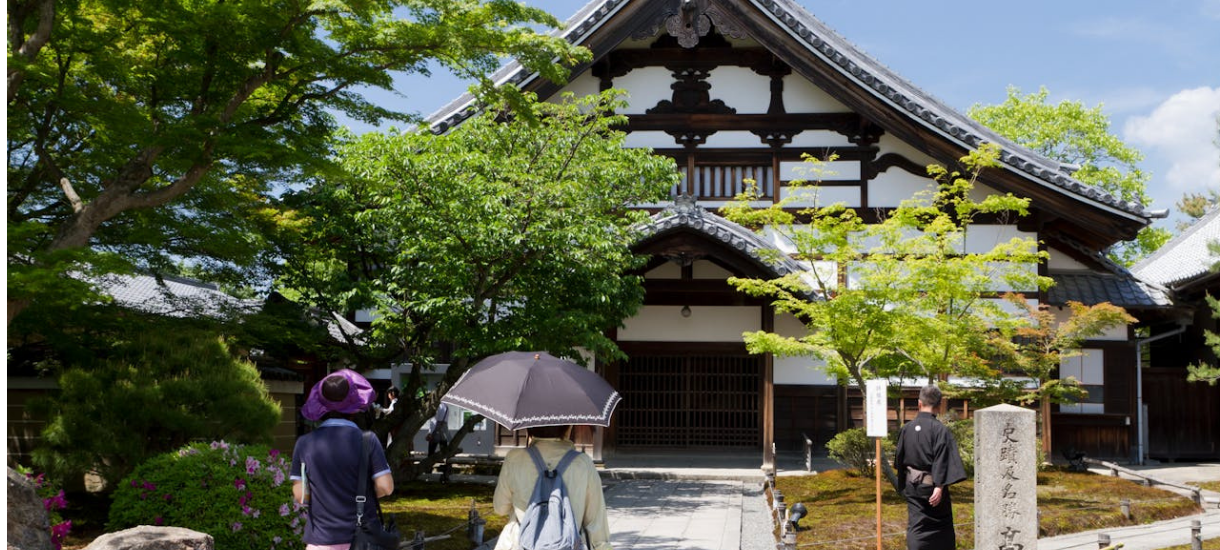
One of the most memorable aspects of visiting Japan’s famous temples is the atmosphere itself. Whether surrounded by forested mountains in Kyoto or hidden within busy urban neighborhoods, temples often feel intentionally separated from the fast pace of everyday life. Slowing down, walking quietly, and taking time to notice details such as temple bells, incense scents, wooden architecture, or garden landscapes can completely change the experience. In many ways, appreciating the atmosphere is just as important as seeing the landmark itself.
Source: Pexels