
Shinto vs Buddhism in Japan: What Travelers Need to Know Before Visiting Shrines & Temples
A simple guide to understanding the differences between Shinto shrines and Buddhist temples in Japan.
For many first-time visitors to Japan, seeing both shrines and temples throughout the same city often leads to one question: what is the difference between them, and why do both exist side by side? Understanding the difference between shrines and temples also helps you better understand the two belief systems behind them - Shinto and Buddhism, and how they continue to shape everyday life and culture in Japan.
Shinto vs Buddhism in Japan: Why It Matters for Travelers
Source: Pexels
Understanding the difference between Shinto and Buddhism in Japan goes beyond religion; it helps travelers feel more confident and connected when visiting shrines and temples. For many visitors, the two can look visually similar at first, which often leads to small but awkward moments. Some travelers may bow incorrectly, clap at a Buddhist temple where people usually pray silently, or forget to cleanse their hands before entering a Shinto shrine. Others are unsure whether they should walk through the center path beneath a torii gate, not realizing it is traditionally reserved for the deities at Shinto shrines, while temple etiquette is generally less strict in that regard. Visitors may also wonder why incense is offered at temples but not at shrines, or why wishes are written on ema wooden plaques at shrines instead of being prayed for in the same way as at temples.
Without this context, these places can feel visually impressive but difficult to fully understand. Once you begin to recognize the customs, symbols, and etiquette of each, every visit becomes far more meaningful and immersive. For travelers seeking a true Japanese cultural experience, this knowledge transforms sightseeing into cultural immersion.
Shinto and Buddhism in Japan: Two Belief Systems, One Way of Life
Rather than choosing one over the other, Japan has embraced both Shinto and Buddhism in a way that feels almost effortless.
In Shinto belief, nature itself is considered alive with spiritual presence. Mountains, forests, rivers, ancient trees, and even unusual rocks can be seen as places where kami, the sacred spirits of Shinto, reside. Rather than focusing on strict doctrines or sacred texts, Shinto is deeply tied to rituals of purification, seasonal festivals, and maintaining harmony between humans, nature, and the spiritual world. This is why many shrines in Japan feel closely connected to their natural surroundings, creating an atmosphere that is peaceful, grounded, and distinctly different from the more contemplative environment often associated with Buddhist temples.
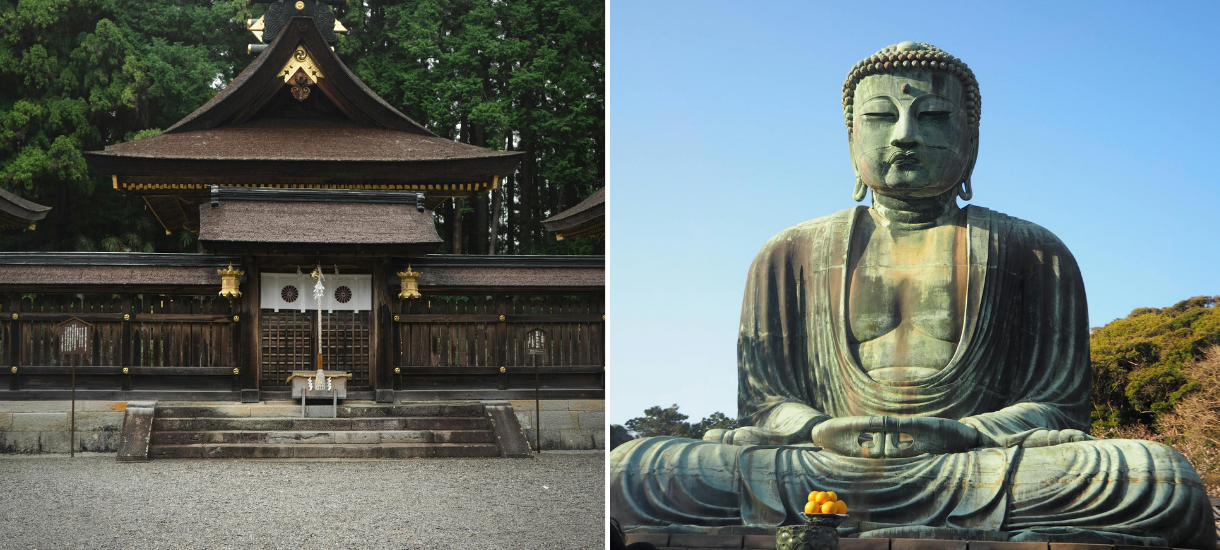
Buddhism, introduced to Japan from the Asian mainland in the 6th century, brought a different spiritual perspective centered on impermanence, suffering, death, and the path toward enlightenment. Over time, however, Japanese Buddhism evolved in its own distinct way by blending with local culture and existing Shinto beliefs. Unlike in some other Asian countries where Buddhism is practiced more independently as a formal religion, in Japan, it often coexists naturally with Shinto in everyday life. Many Japanese people may visit a shrine for blessings related to birth, good fortune, or festivals, while turning to Buddhist temples for funerals, memorials, and reflection on the afterlife. Japanese Buddhism also developed unique schools such as Zen Buddhism, which emphasizes meditation, simplicity, and mindfulness, influencing everything from tea ceremonies to garden design and aesthetics across Japan.
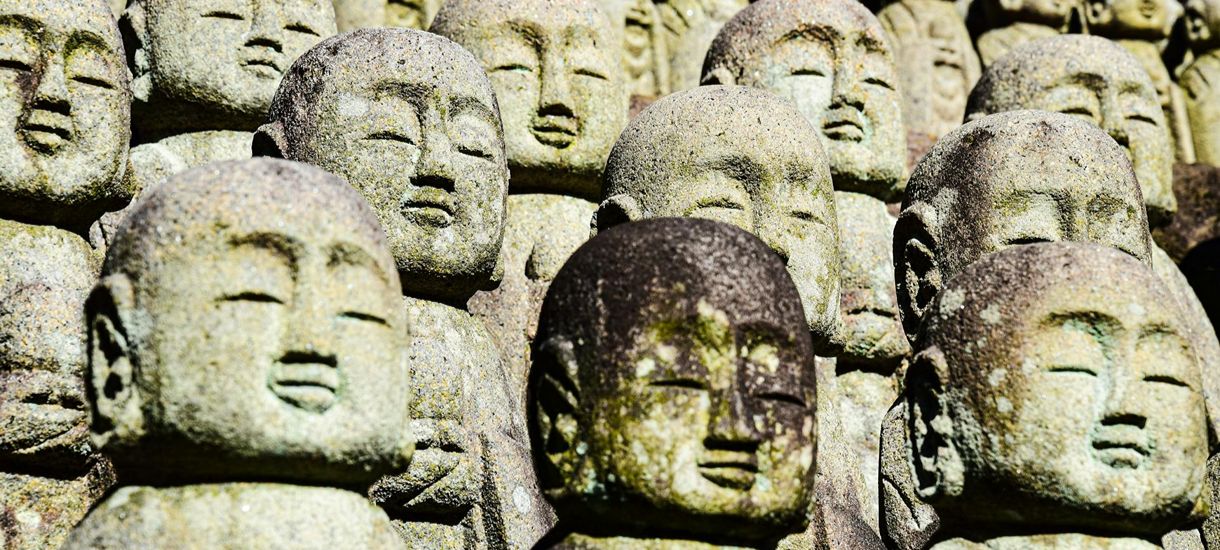
Inside Japanese Buddhist temples, the atmosphere is often shaped by rituals connected to remembrance, impermanence, and quiet contemplation. The scent of incense, which visitors may offer before praying, symbolizes purification and the transient nature of life. Many temples feature large Buddha statues or images of bodhisattvas believed to guide and protect people through suffering and the afterlife. In Zen temples especially, the experience can feel strikingly minimalistic, with rock gardens, meditation halls, and carefully arranged spaces designed to encourage stillness and mindfulness rather than dramatic displays of worship.
Source: Pexels
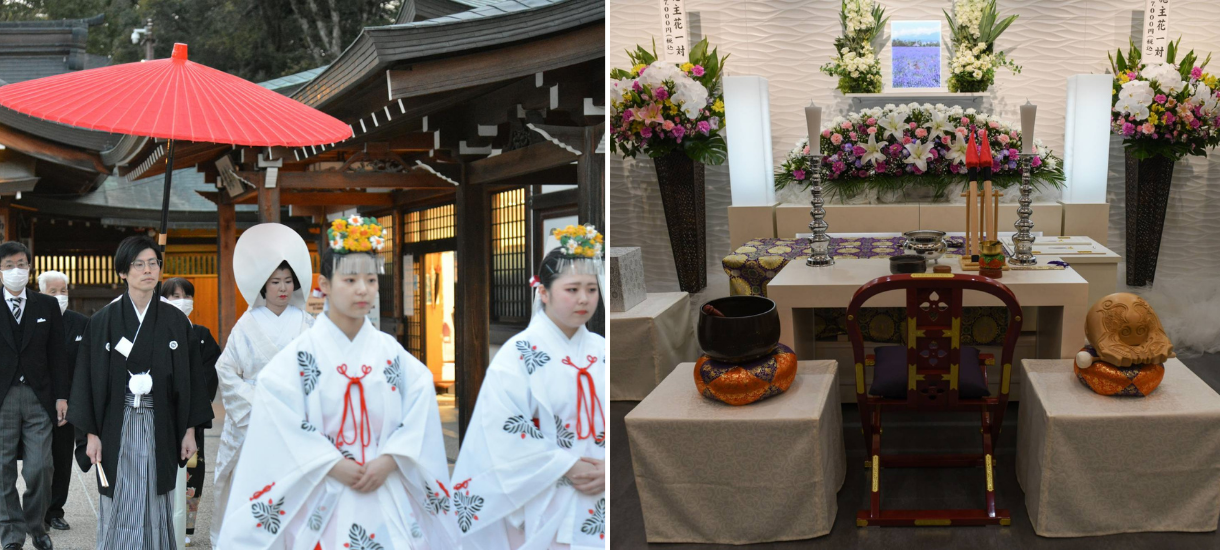
This distinction reflects how the two belief systems are traditionally understood in Japanese culture. Shinto is closely associated with purity, renewal, fertility, and harmony with life, making it a natural choice for celebrations such as weddings, births, and seasonal festivals. Buddhism, on the other hand, deals more directly with suffering, mortality, and the cycle of death and rebirth. Because death is traditionally considered a source of spiritual impurity in Shinto belief, funerals gradually became associated with Buddhist rituals instead. Over centuries, this division shaped a uniquely Japanese way of practicing spirituality, where many people participate in both traditions depending on the moment and meaning of the event.
Source: Pexels, The Japanese Times
This harmony explains why travelers frequently encounter both shrines and temples throughout their journey. It is not a contradiction but a reflection of a culture that finds balance between the spiritual and the everyday.
Shrine vs temple: How to tell the difference when travelling in Japan
One of the questions people often have when exploring Japan is how to tell a shrine from a temple. Once you understand the basics of Shinto and Buddhism, it becomes much easier to notice what makes each place feel different and unique.
Source: Pexels, CNN
Architecture
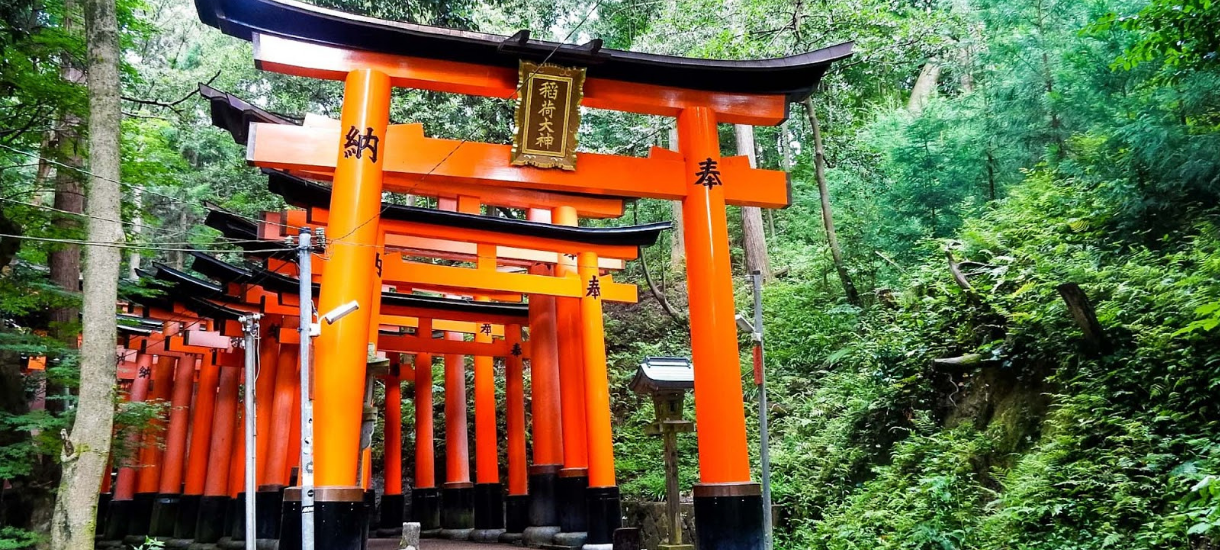
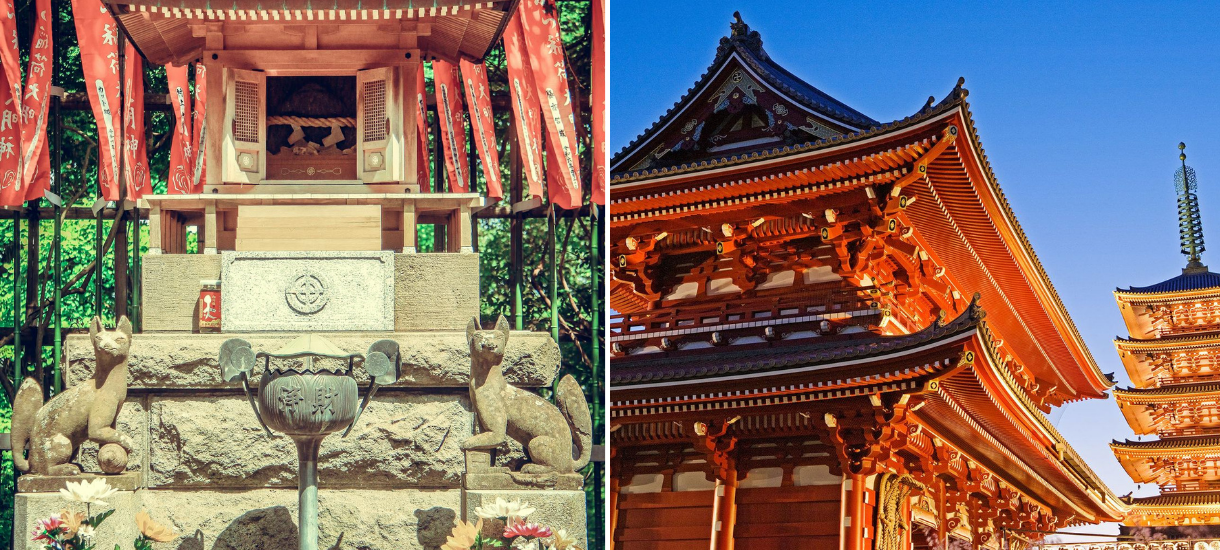
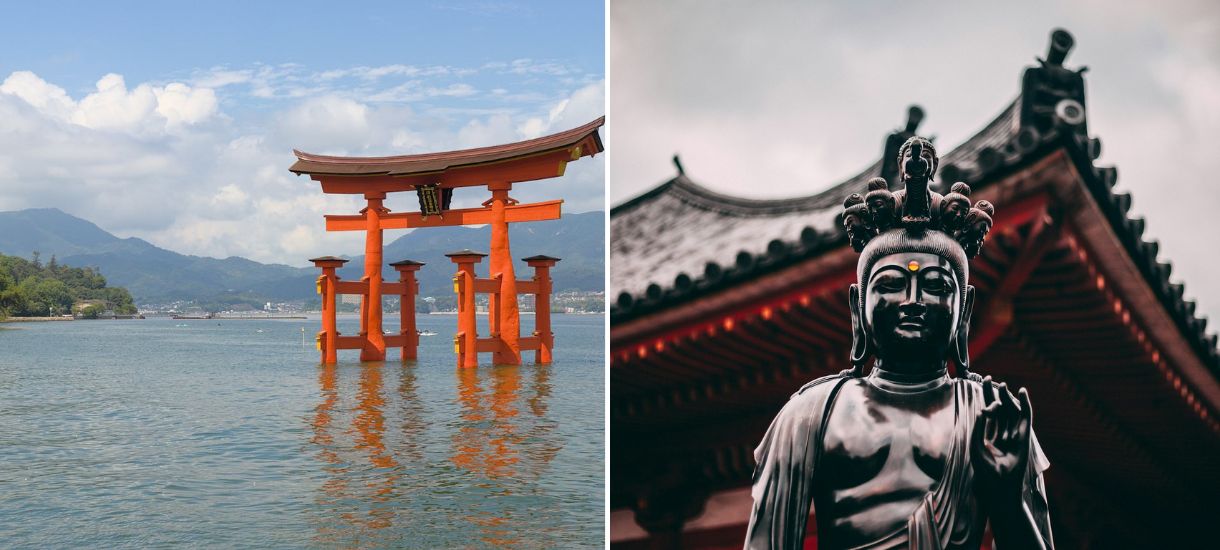
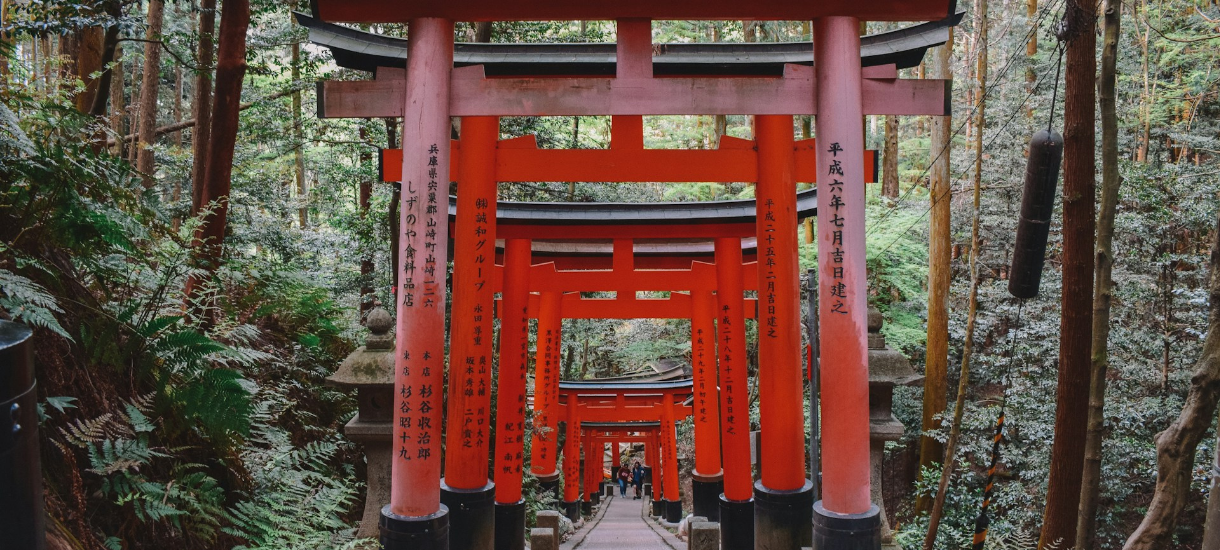
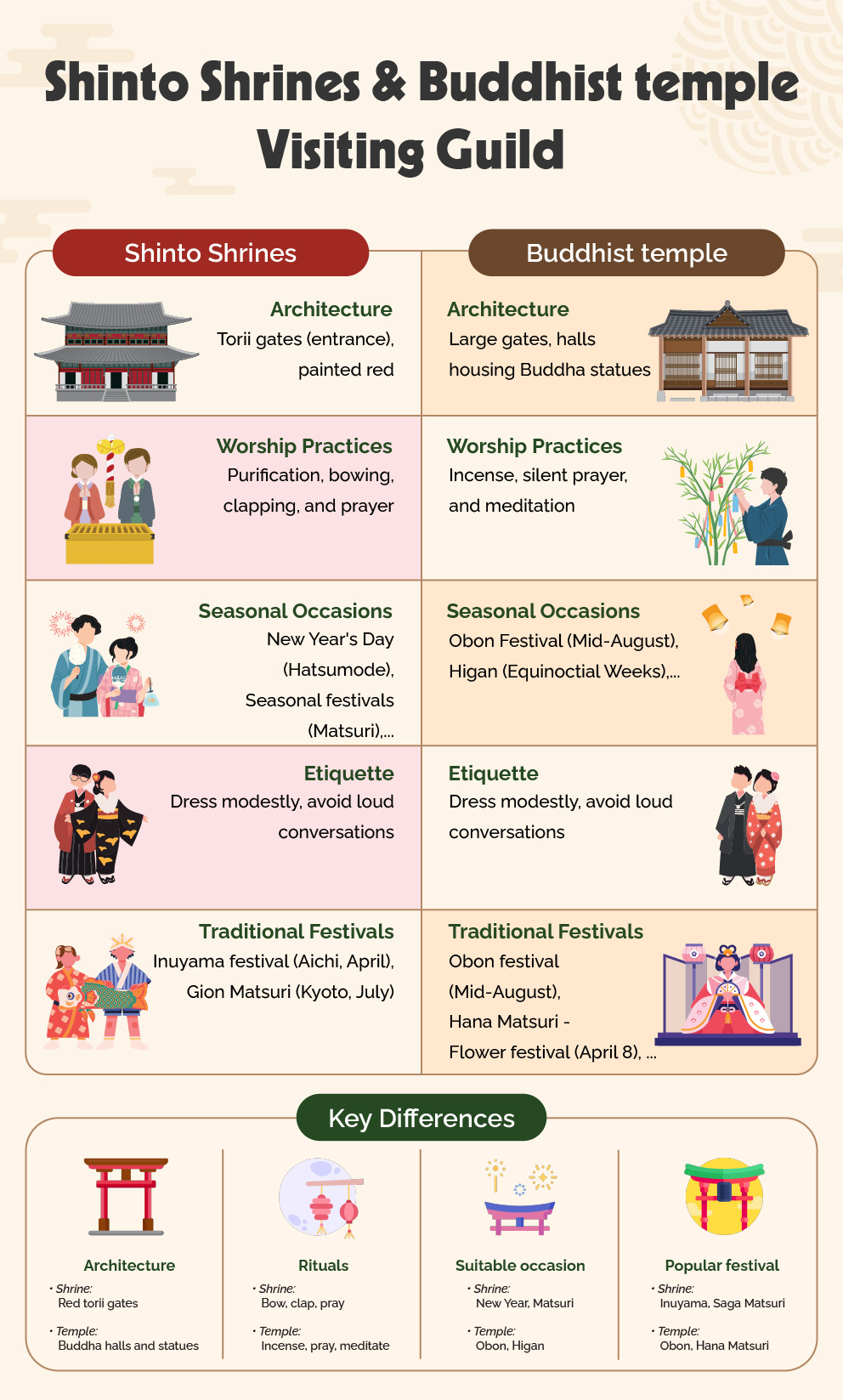
Shinto shrines are often marked by a torii gate, usually painted in bright red, symbolizing the entrance to a sacred space. In contrast, Buddhist temples typically feature large gates, pagodas, and halls housing Buddha statues.
Source: Pexels, Unsplash
Rituals
At a Shinto shrine, visitors perform a purification ritual by washing their hands and rinsing their mouths before approaching the main hall. Offerings are made with a gentle bow, a clap, and a moment of silent prayer.
Source: Unsplash
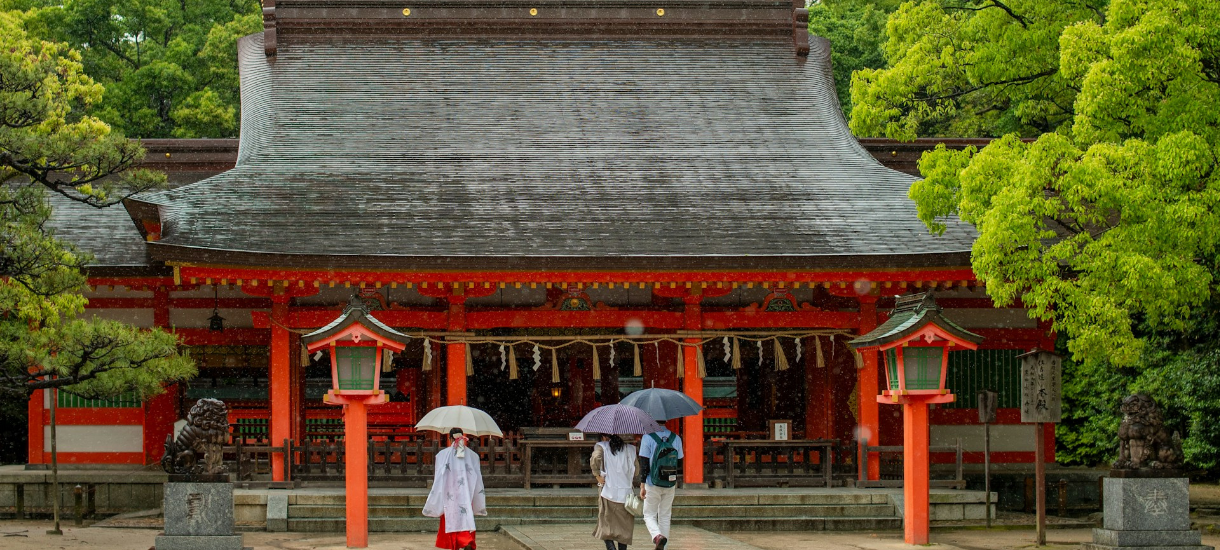
In contrast, Buddhist temple rituals are quieter and more meditative. Visitors may light incense, place their hands together in prayer, and reflect in silence. The focus is less on asking for blessings and more on contemplation.
Source: Unsplash
Purpose
Shrines are dedicated to kami and often associated with wishes for health, success, or protection. Meanwhile, temples are places of Buddhist practice, often connected to memorials, ancestors, and spiritual reflection.
For those wondering about the difference between shrines and temples in Japan for tourists, the easiest way to remember is this: shrines feel open, natural, and connected to life; temples feel introspective, calm, and connected to reflection.
Where to Experience Both in Japan
One of the most fascinating aspects of traveling in Japan is that Shinto shrines and Buddhist temples often exist side by side, sometimes even within the same neighborhood. Visiting both helps travelers better understand how the two traditions naturally coexist in Japanese culture.
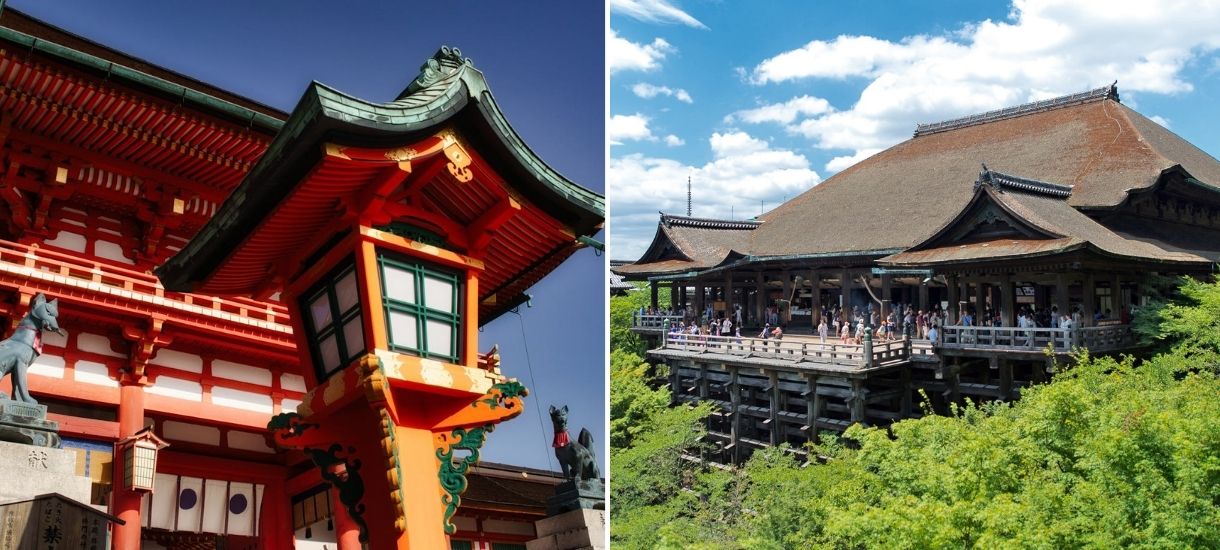
In Kyoto, you can experience this contrast especially clearly by visiting the famous Fushimi Inari Taisha shrine, known for its thousands of vermilion torii gates, before heading to nearby Buddhist temples such as Kiyomizu-dera or Kennin-ji, where Zen influence and Buddhist rituals create a completely different atmosphere.
Source:Pexels, Wikipedia
Tokyo also offers opportunities to experience both traditions in a single area. Around Asakusa, travelers can visit Senso-ji, Tokyo’s oldest Buddhist temple, then walk to nearby Shinto shrines such as Asakusa Shrine to observe the shift in architecture, rituals, and spiritual atmosphere.
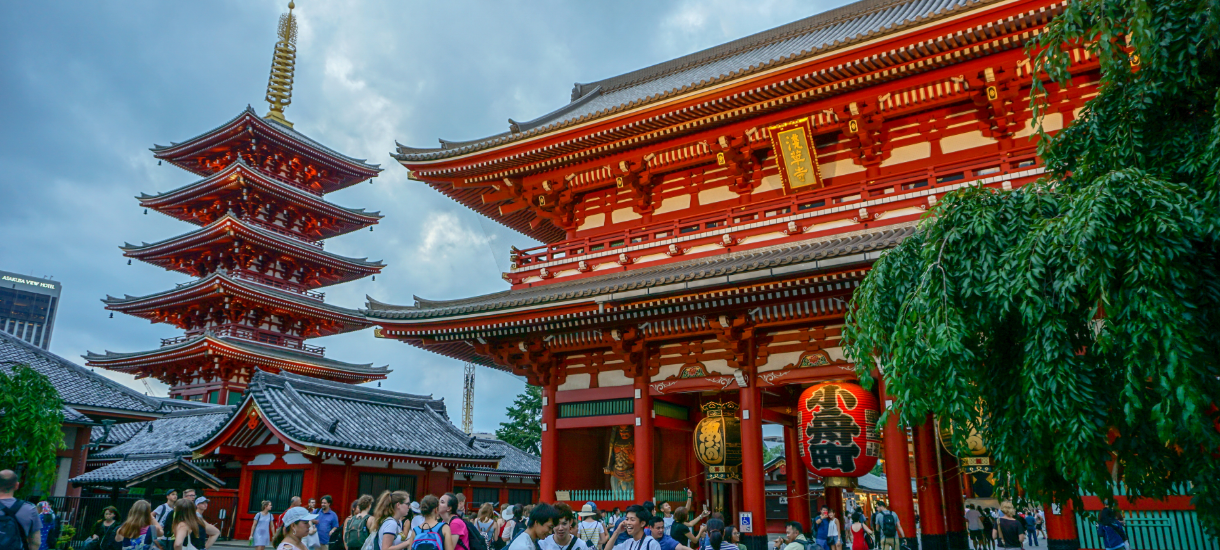
Source: Wikipedia
In Nikko, the connection between Shinto and Buddhism becomes even more visible. Sites such as Toshogu Shrine reflect centuries of blending between the two belief systems, with elaborate shrine architecture existing alongside Buddhist elements in the same sacred complex.
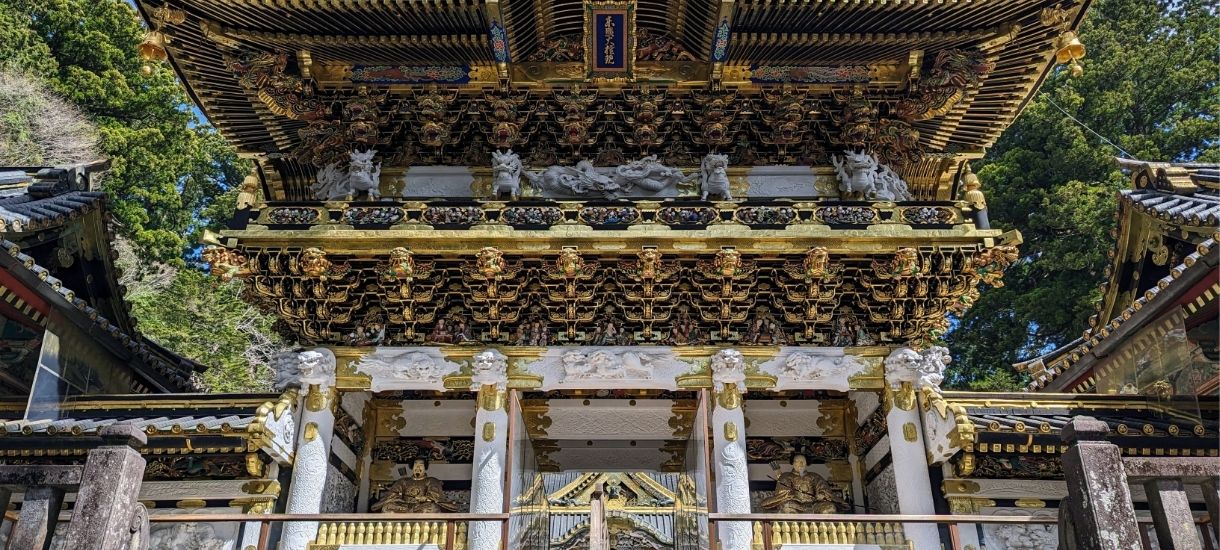
Source: Wikipedia
Want to see best shrines and temples in Japan? Read more in this blog.