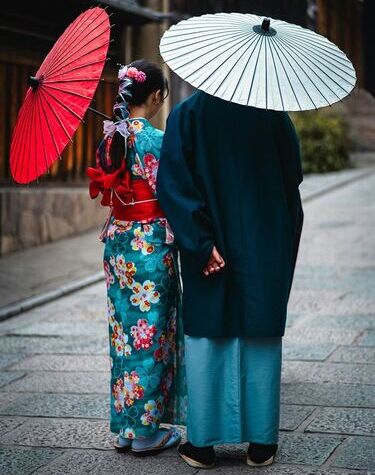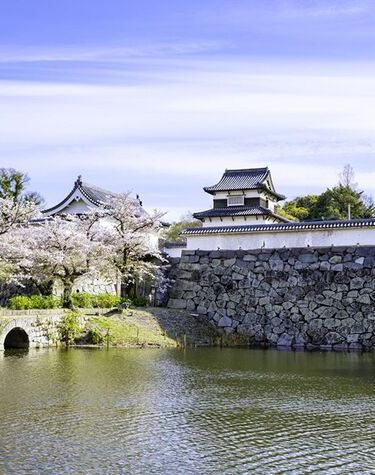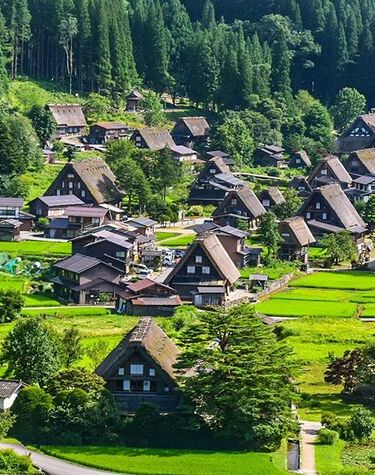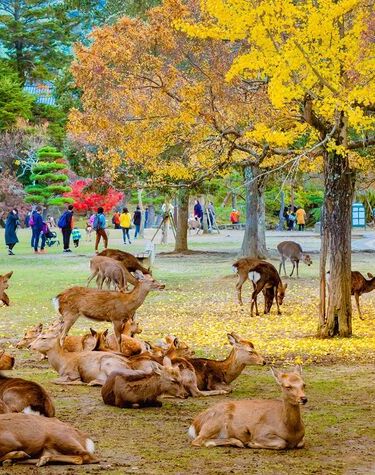

Japan is a land of sublime contrasts, where thousand-year-old traditions coexist harmoniously with a futuristic pulse. From the meditative Zen gardens of Kyoto and the neon-lit skyscrapers of Tokyo to the snow-capped peaks of the Japanese Alps, Japan offers an intoxicating sensory experience found nowhere else on Earth.
Whether you are seeking spiritual enlightenment, culinary perfection, or breathtaking landscapes, this guide will help you navigate the best experiences in Japan.
HOW TO GET THERE?
Japan has several major international gateways, with the busiest being in the Tokyo and Osaka areas. The most popular international airports are:
- Tokyo Haneda, Tokyo (HND): Located 25 km south of downtown Tokyo. The transfer from the center of the city takes around 30-45 minutes, depending on the traffic or 20-30 minutes by train.
- Tokyo Narita, Tokyo (NRT): Located 65 km East of Tokyo. The transfer from the center of the city takes around 60-90 minutes depending on the traffic.
- Kansai International Airport, Osaka (KIX): Located 50 km from the center of Osaka. The transfer from the center of the city takes around 45 minutes, depending on the traffic.
- Fukuoka Airport, Fukuoka (FUK): Located 3 km from downtown Fukuoka. The transfer from the center of the city takes around 10 minutes by train, 15 minutes by road.
- New Chitose, Sapporo (CTS): Located 45 km from Sapporo. The transfer from the center of the city takes around 45 minutes, depending on the traffic.
Major international airlines such as Air France, KLM, Lufthansa, Emirates, United, EVA, Cathay Pacific, Turkish Airlines, as well as Japanese carriers like ANA (All Nippon Airways) and JAL (Japan Airlines), offer direct flights from around the world. For the best prices, it is usually recommended to book your international flights a few months in advance, especially if traveling during the peak cherry blossom or autumn foliage seasons.
WHEN IS THE BEST TIME TO VISIT?
The best time to visit Japan often depends on what you want to experience and whether you prioritize perfect weather or fewer crowds.
- Winter (December to February): Temperatures remain mild all along the coastal areas of Honshu, Kyushu and Shikoku. The weather is usually dry and sunny in low-lying areas, while the Alps, Tohoku and Hokkaido regions tend to have heavy snowfall.
- Spring (March to May): Pleasant temperatures and blooming cherry blossom (Sakura) flowers. Note that mountainous and northern regions (Tohoku, Hokkaido) may have snow well into April. This time marks the most expensive and crowded time of the year.
- Summer (June to September): June is typically rainy over much of Kyushu, Honshu and Shikoku, and temperatures start rising, remaining high throughout July, August and September. Humidity levels are also elevated for the whole period, which corresponds to the peak of typhoon season. Nevertheless, summer marks the arrival of Japanese festivals such as Gion Matsuri (Kyoto in July), Tenjin Matsuri (Osaka in July), and countless spectacular firework displays.
- Fall (October-November): Temperatures will start dropping noticeably in October but remain mild for much of Japan. Autumn foliage will peak in November. This is the very high season of tourism in Japan.
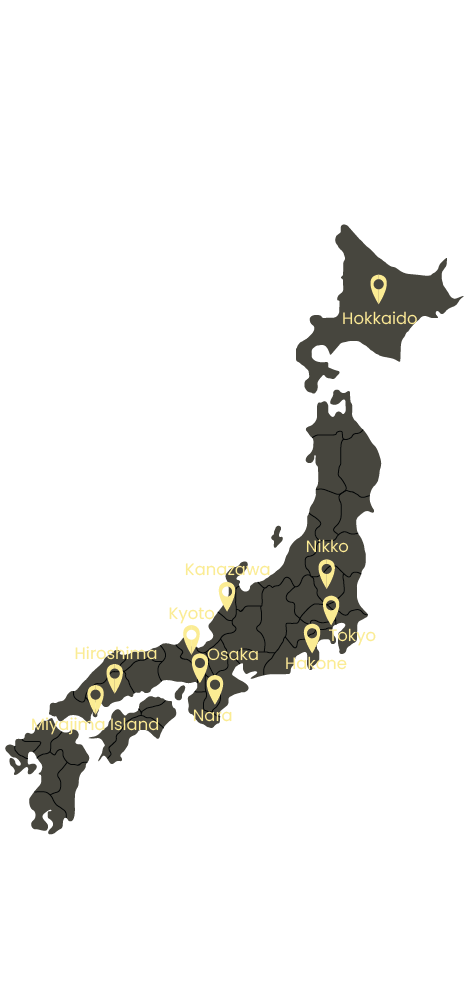
WHERE TO VISIT IN Japan





WHAT ARE BEST THINGS TO DO IN Japan

Witness the "Electric Town" at Night
Whether you are into anime, gaming, or just people-watching, the energy of Japan’s nightlife is incomparable. Head to Akihabara in Tokyo or Dotonbori in Osaka after the sun sets. The sheer scale of the neon lights, giant video screens, and multi-story claw-machine arcades is a dizzying dive into Japan’s modern identity.

Go "Depachika" Hopping
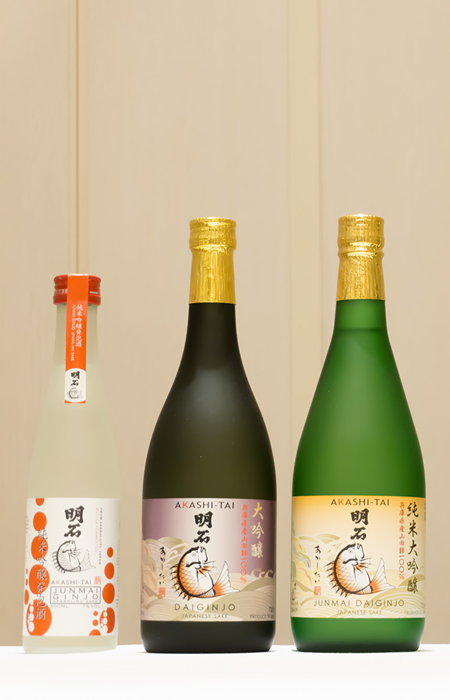
Depachika are the basement food halls of giant department stores like Isetan or Mitsukoshi. They are temples of gastronomy, featuring perfectly square watermelons, $100 strawberries, and rows of pristine French-inspired pastries. It’s a feast for the eyes and a great place to pick up high-end gifts. Most counters offer free samples of everything from premium sake to artisanal miso.
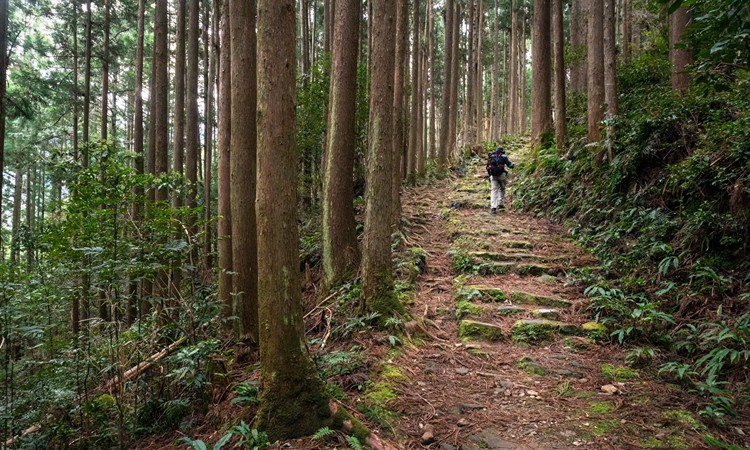
Hike an Ancient Pilgrimage Route
To see the rural, mountainous heart of Japan that most tourists miss from the window of a train, follow in the footsteps of emperors and samurai on the Kumano Kodo or the Nakasendo Trail. These well-preserved paths wind through misty forests, past stone Jizo statues, and into tiny "post towns" like Magome and Tsumago.
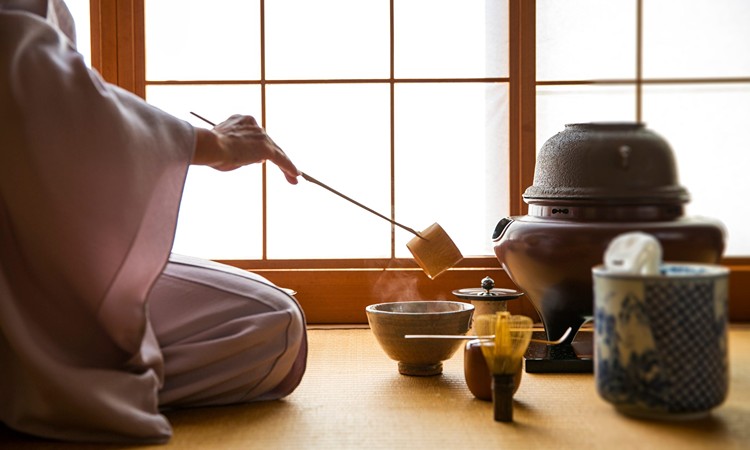
Discover the Art of Tea
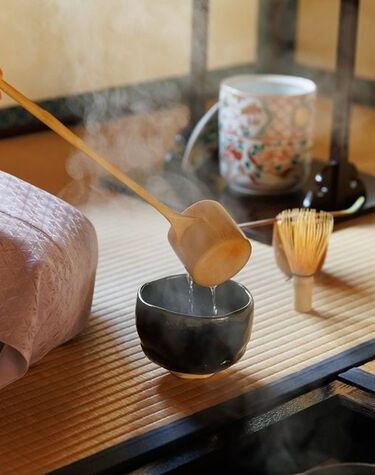
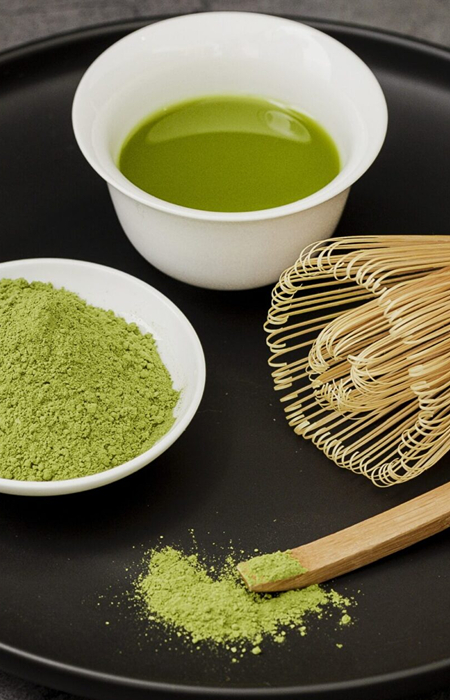
In a world that moves too fast, the tea ceremony teaches you the value of Ichigo Ichie – the idea that every encounter is unique and will never happen exactly the same way again. A Japanese tea ceremony is a choreographed ritual of preparing and serving powdered green tea (Matcha) with traditional sweets. Every movement of the host has a specific meaning, emphasizing mindfulness and respect.

Attend a Traditional Festival (Matsuri)
To see the Japanese spirit at its most vibrant and communal, you cannot miss out its festival. Throughout the year, local communities pull massive, hand-carved wooden floats through the streets, accompanied by flutes, taiko drums, and chanting. The Gion Matsuri in Kyoto or the Nebuta Matsuri in Aomori are world-famous spectacles.
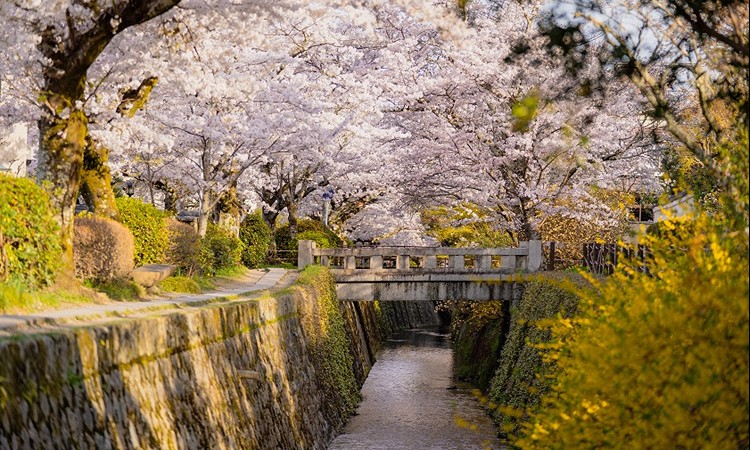
Walk the "Philosopher’s Path" in Kyoto
This stone path follows a canal lined with hundreds of cherry trees in Kyoto. It passes by numerous small temples and shrines, including the "Silver Pavilion" (Ginkaku-ji). It is particularly magical during the Sakura (cherry blossom) season in April or the fiery Momiji (autumn leaves) in November.
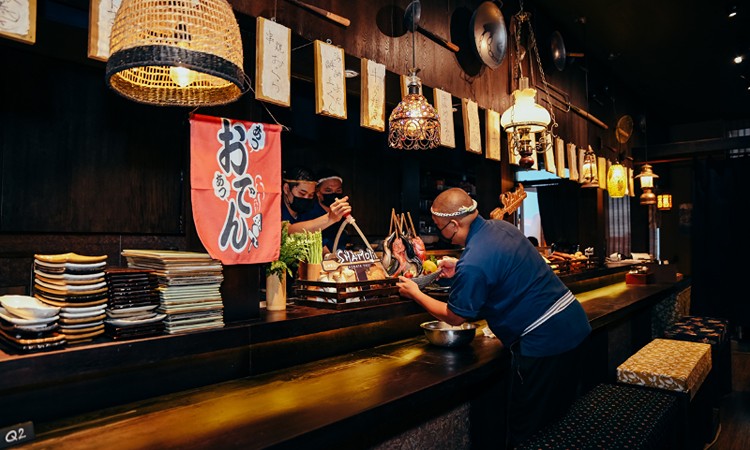
Explore the Culinary "Third Floor"
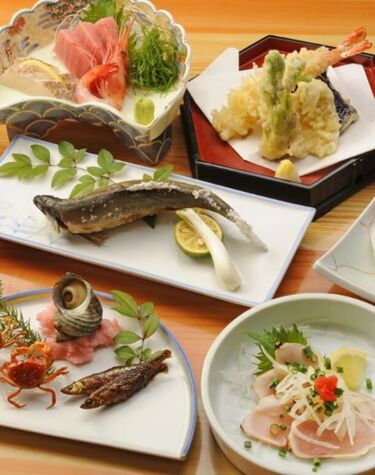
In cities like Tokyo and Osaka, the best food isn't on the street; it's tucked away on the 3rd or 9th floor of nondescript buildings. From high-end Omakase sushi where the chef chooses your meal, to smoky Izakayas (Japanese pubs) serving grilled yakitori, the depth of the food scene is endless.
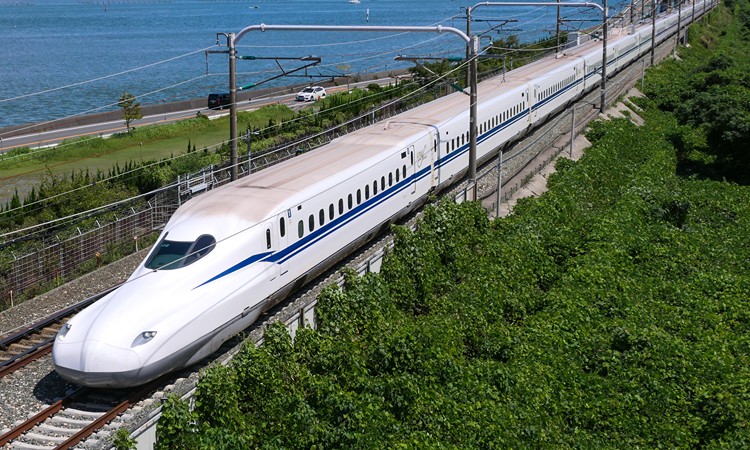
Ride the Shinkansen (Bullet Train)
Traveling at speeds up to 320 km/h with surgical punctuality, the Shinkansen is the gold standard of world travel. Watching the Japanese rice paddies, tea plantations, and mountains blur past your window while enjoying an Ekiben (station bento box) is a quintessential travel memory.

The Ritual of the Onsen (Hot Springs)
Japan sits on a volcanic archipelago, resulting in thousands of natural hot springs. Whether it’s an outdoor bath overlooking the Pacific in Izu or a snowy tub in Hokkaido, the ritual involves a meticulous scrub-down before soaking in mineral-rich, healing waters.
It is a cornerstone of Japanese physical and mental wellness. There is no better feeling than "forest bathing" while submerged in 40°C volcanic water.
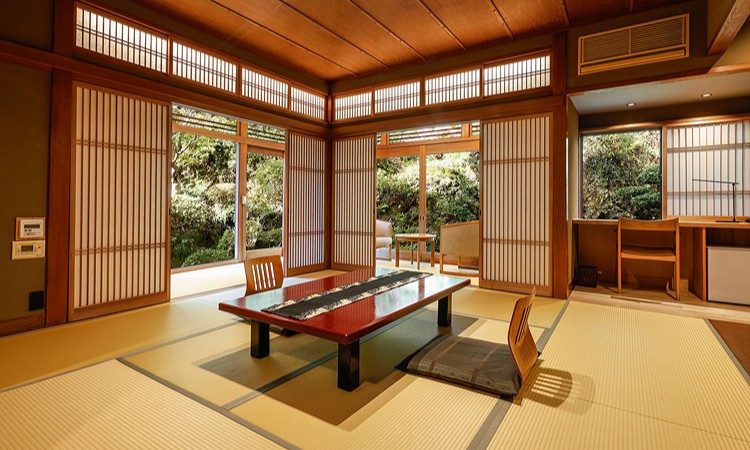
Stay in a Traditional Ryokan
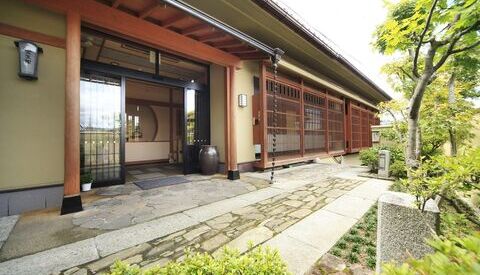
A Ryokan is much more than a hotel; it is an immersion into Japanese hospitality (Omotenashi). You will sleep on organic futons atop straw tatami mats, wear a yukata (light cotton kimono), and experience a hyper-seasonal, multi-course Kaiseki dinner served in your room. It is the ultimate way to slow down and experience the aesthetic of Wabi-sabi – finding beauty in simplicity and imperfection.
HOW TO EXCHANGE YOUR MONEY?
In 2026, Japan has made significant strides in becoming a cashless society, but physical currency (Japanese Yen - JPY) remains essential for visiting small temples, rural guesthouses, and traditional markets. Here are popular ways to exchange money in Japan:
- Use International ATMs: The most cost-effective way to get Yen is to withdraw it directly from an ATM, which is commonly recognized with 7-Eleven (7-Bank) and Japan Post Bank
- Currency Exchange Machines (Smart Exchange): These are kiosks in major train stations (like Tokyo or Kyoto Station) and tourist hub. Incredibly convenient and fast, but the exchange rate is slightly less favorable than an ATM withdrawal. Use these for small amounts or emergencies.
- Ticket Shops (Daikokuya): For the savvy traveler, look for Daikokuya shops (usually marked by bright orange signs), which also offer some of the most competitive cash-to-cash rates in the city, better than banks or hotels.
HOW TO GET AROUND?

Bus: Extensive and affordable for travel within big cities and across towns

Airplane: Fast and cheaper way for long-distance trips

Shinkansen and Rail: Most popular and affordable ways to explore Japan

Taxi: Clean, professional but expensive
WHAT TO BUY IN Japan
Tips & tricks
- Japan operates on a unique social contract built on Omotenashi (hospitality) and Meiwaku (avoiding being a nuisance). That reflects on the priority for silence, orderly queues and cleanliness without bins.
- Even with the world's best trains and expensive rates of taxi, you will walk significantly more than usual.
- While 2026 is much more card-friendly, small temples, rural shops, and some ticket machines still only take Yen.
- Tipping is not expected. Expect the price on the menu to be what you pay, with high-quality service included as a standard.
- If you visit during Cherry Blossom (Late March) or Golden Week (Late April - Early May), expect accommodation prices to triple and trains to be booked months in advance.