
7 Unique Japanese Culture Concepts Behind the Global Obsession
Discover the Japanese traditions, etiquette rules, and concepts that have created such a rich cultural tapestry.
When you think about Japanese culture, you might first picture cherry blossoms, sushi, anime and bullet trains. But the foundation for modern Japanese culture is a timeless set of concepts that shape how people live, connect, and perceive beauty. From wabi-sabi’s love of imperfection to ikigai’s purpose-driven approach, these ideas aren’t abstract philosophy. They are living, breathing facets of daily life, etiquette, and tradition. And once you look beyond the familiar, Japan has plenty of surprising culture quirks worth discovering.
Unique Concepts in Japanese Culture
Let’s unpack 7 unique Japanese cultural concepts and how they are interwoven through daily life in Japan.
Wabi-Sabi
(Source: malacasa)
“It’s perfect” is often considered to be the ultimate compliment. But in Japanese culture, perfection isn’t necessary or even always desirable. Wabi-sabi is the appreciation of imperfect, incomplete, impermanent beauty.
-
Wabi: This word means “subdued, austere beauty.”
-
Sabi: This word means “rustic patina.”
This Japanese culture concept reflects Buddhist principles. The three marks of existence in Buddhism include impermanence, suffering, and emptiness. To Buddhists, the pursuit of perfection is spiritual folly, a waste of precious time and energy.
It is easiest to understand wabi-sabi by giving some examples:
-
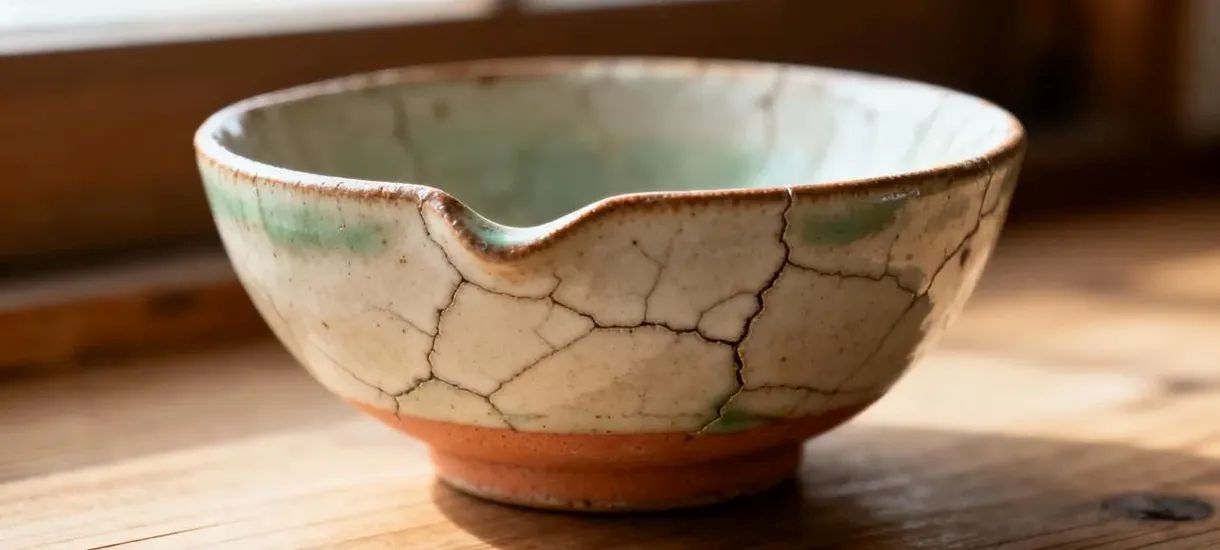
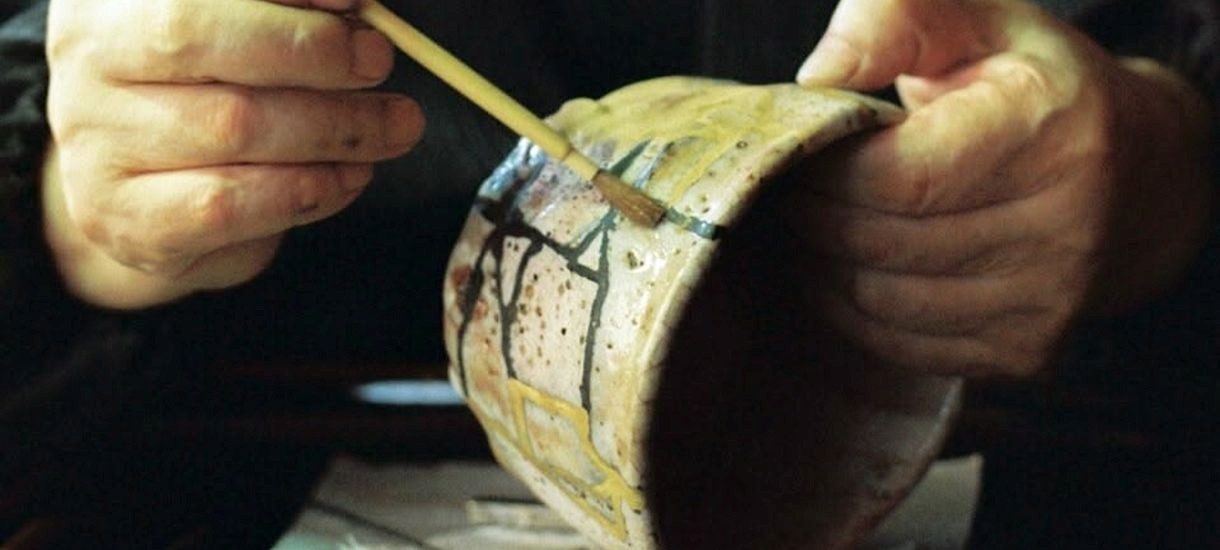
A Japanese ceramic bowl which features a slightly rough texture, organic ash-glaze, and uneven edges would be considered wabi-sabi. Contrast that with a completely smooth bowl with perfect edges. One famous wabi-sabi bowl is Mount Fuji by Hon'ami Kōetsu.
-
The famous kintsugi technique for repairing broken pottery using gold lacquer is a wabi-sabi practice. It demonstrates that sometimes greater beauty can be achieved through imperfections than is possible with a flawless piece.
-
The simple vases and arrangements that 16th century tea ceremony master Sen no Rikyū preferred for ikebana flower arrangements were wabi-sabi, contrasting with a more ornate style called rikka.
Wabi-sabi art produces textures and imperfections that delight the senses, while invoking a kind of melancholy that is contemplative rather than mournful.
Ichigo Ichie
(Source: pinterest)
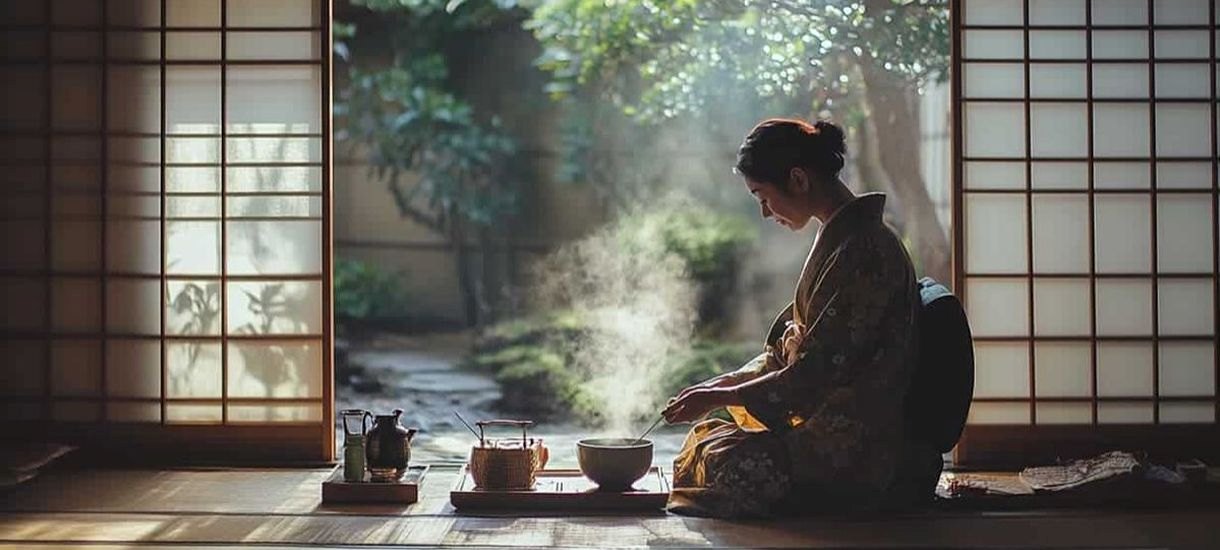
You know that moment as you watch a beautiful sunrise or sunset when you realize you need to savour it because it will never come again? You’ll see the sun rise and set every day, but never exactly the same way twice.
The unrepeatable nature of a moment is captured in the Japanese concept of ichigo ichie. The phrase translates roughly to “one time, one meeting,” or “for this time only,” or “once in a lifetime.”
This concept is woven into Japan’s social traditions because each gathering is non-repeatable. That is one of the reasons Japanese tea ceremonies feature so much ritual and care. In fact, it was Sen no Rikyū who first used the phrase “ichigo ni ichido,” “one chance in a lifetime.”
The phrase is also important in Japanese martial arts, since students need to understand that if they are in a fight for their lives, they only get one chance. This is why, while practicing, they are encouraged to complete each move they are practicing, rather than stopping midway.
Mono No Aware
(Source: unsplash)
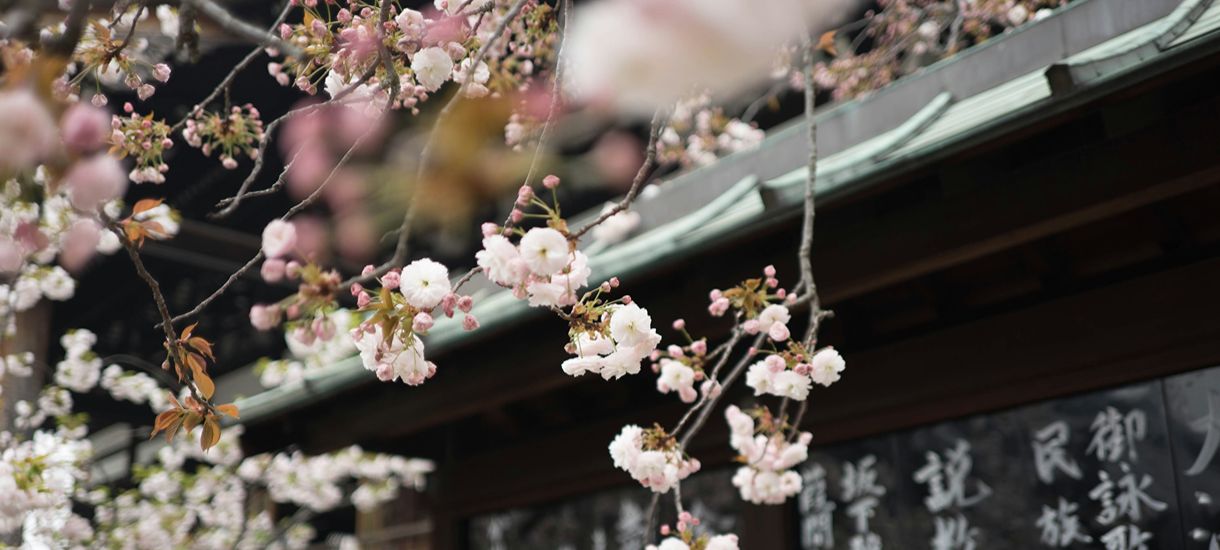
A related concept to ichigo ichie is mono no aware, which is usually translated as “the pathos of things.” It is the appreciation of things that are fleeting, coupled with sadness at their loss. You can think of it as a melancholic kind of enjoyment.
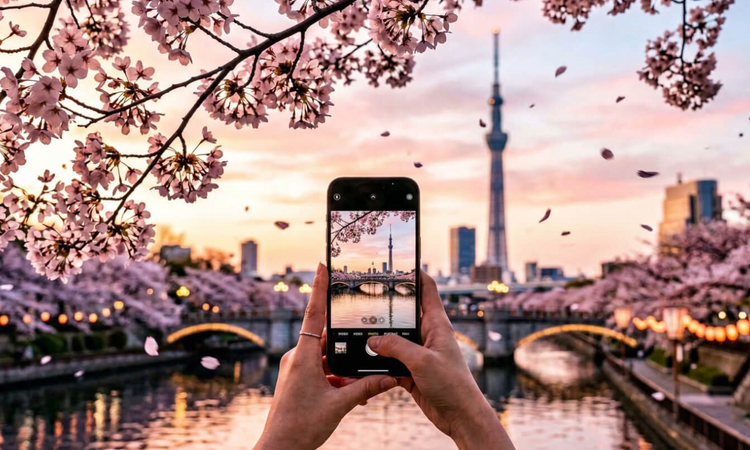
The most familiar example is cherry blossoms. The clouds of pale pink blossoms transform gardens, parks and streets in Japan for only about two weeks out of the year, with blooms peaking for just 5 to 7 days. It is impossible to experience these breathtaking displays without feeling some sadness knowing the blooms won’t last. The sight of fallen blossoms dancing in the wind across pavements captures the ephemeral beauty of mono no aware better than anything else.
Ometenashi
(Source: nhatnguhoasen)
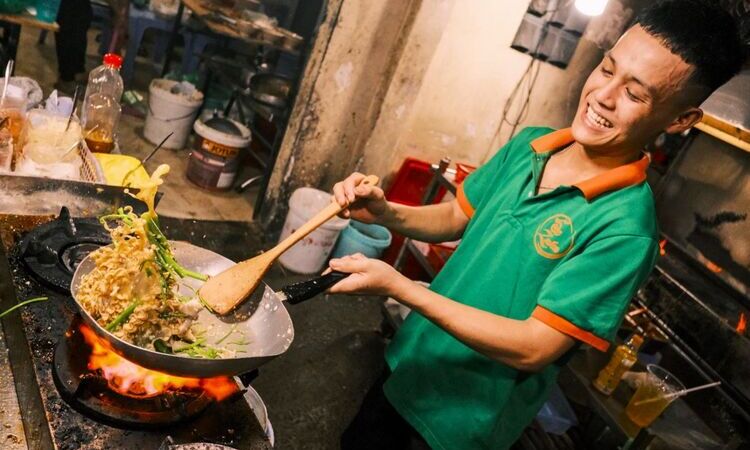
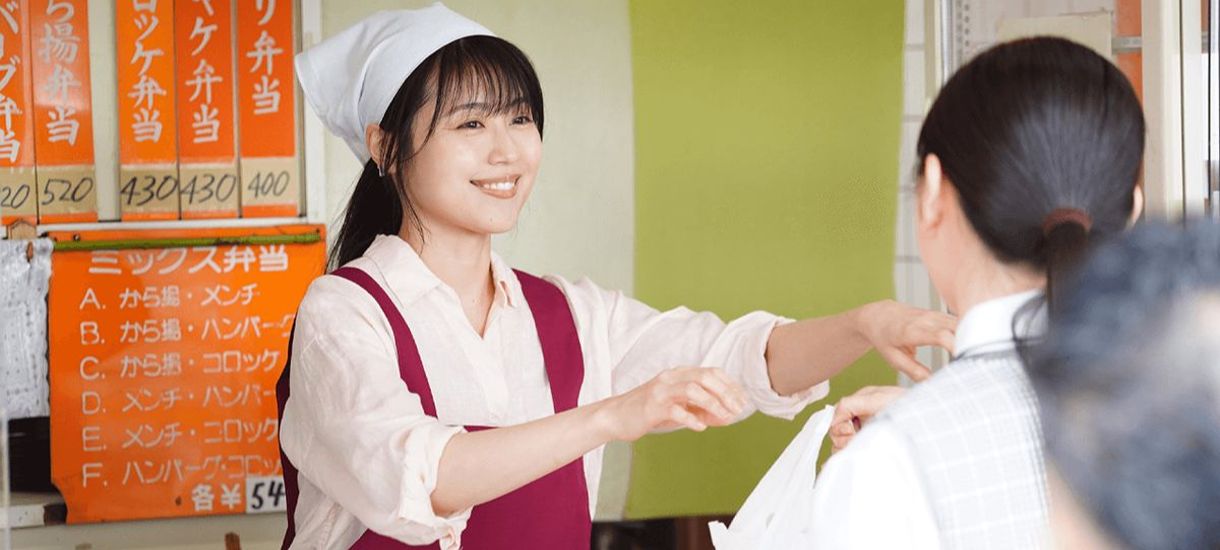
Another cultural tradition from Japanese tea ceremonies that is woven into everyday life is ometenashi. It is a deep dedication to hospitality that goes beyond mere politeness or hard work. It is the perception that hard work is worthwhile if it results in true satisfaction and comfort for a guest.
The mindfulness that suffuses ometenashi connects back to ichigo ichie. Every moment only happens once. The smallest gesture matters. No task is trivial. You’ll experience ometenashi at restaurants, inns, tea ceremonies, and more. Whether it’s a taxi driver opening the door for you, or a restaurant giving out warm or cool hand towels depending on the season, you’ll always know you are welcome and valued.
Ikigai
(Source: unsplash)
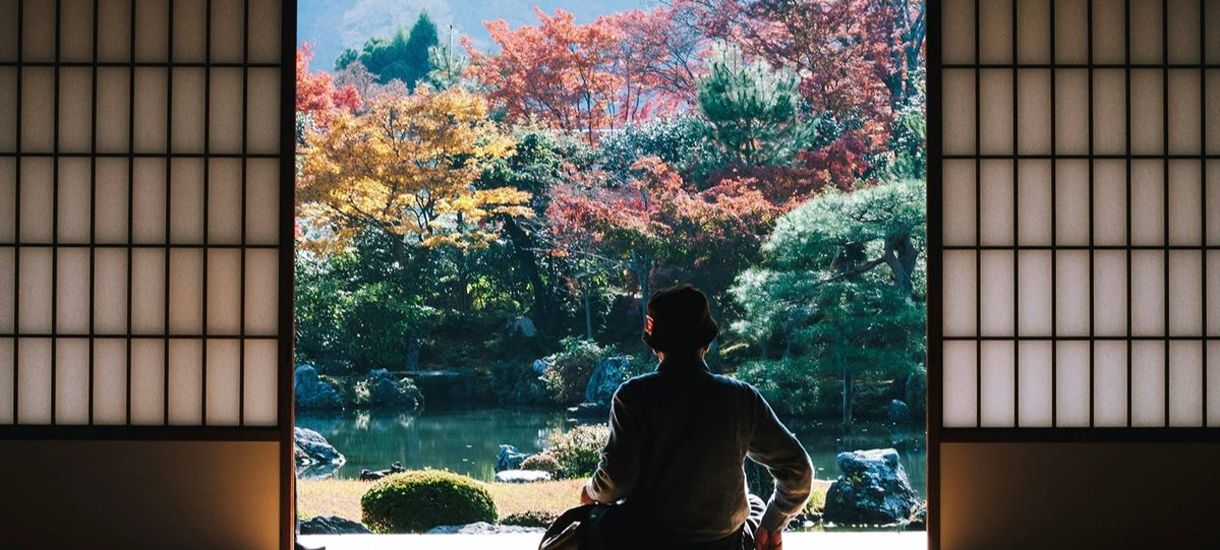
This phrase translates to “a reason for being,” and describes having a sense of purpose that motivates one forward in life. Ikigai doesn’t come from outside the individual. It always comes from within. It’s an intrinsic sense of motivation, rather than something imposed from an external authority.
This is another concept that links harmoniously to others like ichigo ichie and ometenashi. All involve being present, mindful, and deeply in tune with oneself and the world one is a part of.
Mottainai
(Source: unsplash)
In the West, the phrase “waste not” is familiar to a lot of people. In Japan, there is a similar concept, expressed with the word “mottainai.”
Mottainai is the belief that not putting something to its full use, or discarding it when it still has value, is a waste. In Japan, you will notice people taking efforts to repair or up-cycle old clothing, appliances, toys, and more. When someone doesn’t have any use for an object, they are less likely to throw it away, and more likely to try and re-home it with a friend or family member, or donate it.
Wa

(Source: jobs.guidable)
“Wa” is a concept so intertwined with Japanese culture that the word is sometimes used as a name for Japan itself. It refers to a form of collectivism wherein the community’s interests are considered to be more important than those of the individual.
At a glance, you might think that wa means that individuals might go unfulfilled. But wa practices can end up being good for both the community and the individual, fostering harmony between them. A great example is the common Japanese practice of hiring employees for lifelong careers. This is done to encourage loyalty and unity, but it also has the result of lasting job security.
FAQ
(Source: unsplash)
How do travelers describe Japanese culture?
International visitors to Japan are often impressed by the country’s dedication to politeness and elaborate rules for etiquette. They may appreciate the artful minimalism and spiritual threads that run through many aspects of Japanese society and design. From food to festivals to art, Japanese culture expresses ancient values and traditions through modern contexts, while everyday customs also shape how travelers experience and stay safe in Japan.
Why is there a global obsession (especially with Gen Z) with Japanese culture?
Japan has been adept at exporting its culture for decades. Millennials were the first to get swept up in the obsession, and Gen Z has grown up even more fully steeped in Japanese culture, absorbing everything from anime shows to street fashions to sushi.
Plus, Japan’s polite society comes as a breath of fresh air to many Gen Zers who are weary from growing up in a time when much of the rest of the world has abandoned all decorum.
Is tipping expected in Japan? Is not tipping rude?
Tipping is not expected in Japan, and actually can be considered rude. It clashes with Japanese traditions like ometenashi. If you try to give someone in Japan a tip, they may see it as you suggesting they only did a good job for extra money, and not simply to deliver exceptional service.
How is it so clean in the streets of Japan even though there are no trash cans?
There are recycling and trash bins in Japan, you just have to know where to look. Check train stations, convenience stores, parks, and next to vending machines. The reason there are not more trash cans in public is for safety reasons after a 1995 sarin attack in the Tokyo subway. Japanese people carry their trash until they find a bin, or take it home to dispose of it.
Is Japan 'English-friendly' for luxury travelers?
If you are visiting Tokyo, Osaka, or Hokkaido and other popular tourist destinations, yes, you will find a lot of the locals do speak at least a little English. But it is smart to learn some basic Japanese, especially if you will be going off the beaten path a bit. Not everyone in the country has English skills.
What are some tips for first-time travelers to Japan?
When you’re visiting, learn the basic Japanese etiquette rules. Avoid tipping, don’t be afraid to slurp your ramen, take your shoes off where required, and learn to use chopsticks correctly. Check out these do’s and don’ts for visiting Japan.