
Savoring Washoku: How Japanese Cuisine Culture Plates Perfection
Discover Washoku, the cultural heritage of Japanese cuisine. Explore famous dishes and drinks, plating, etiquette, and more.
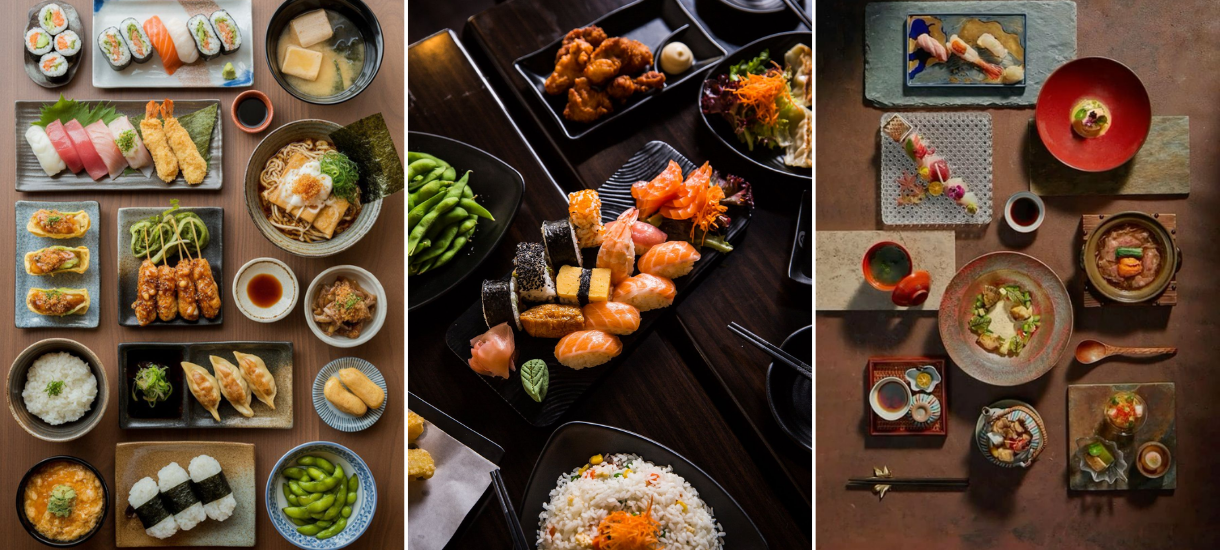
You haven’t truly experienced Japanese cuisine until you’ve had it in Japan. It isn’t just about the delicious flavors of glistening sashimi or steaming dashi. It is a vital part of Japanese culture and identity known as “washoku.” As Japan's UNESCO culinary heritage, washoku blends more than just gastronomic ingredients. Rituals, etiquette, and tradition express the soul of the country on every plate, making every dish of Japanese cuisine a work of art.
Source: Pinterest
Washoku: Japan’s UNESCO Intangible Cultural Heritage
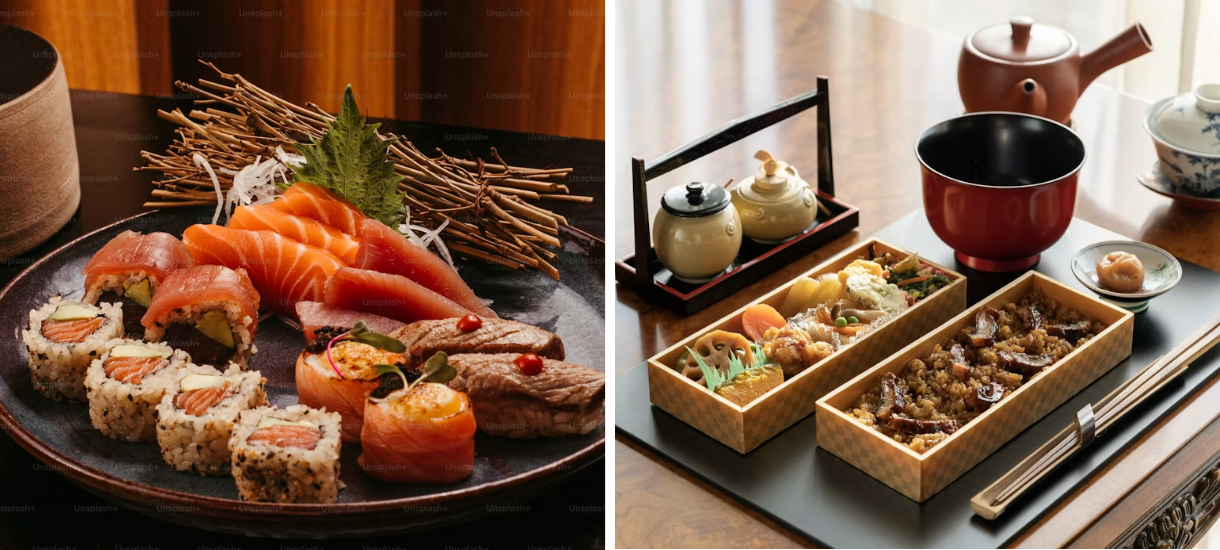
Washoku may simply translate to “Japanese food,” but its modest name barely hints at why UNESCO recognized it as an Intangible Cultural Heritage in 2013. Washoku is a whole philosophy and practice of eating that reflects Japanese culture’s deep respect for the seasons, balance, and the beauty of everyday meals. Its secret lies in the details: the ingredients chosen, the flavors layered, the way food is prepared, and even how it is served. Together, these elements shape a food culture unlike any other.
Source: Unsplash
The core pillars of Japanese cuisine
Seasonality
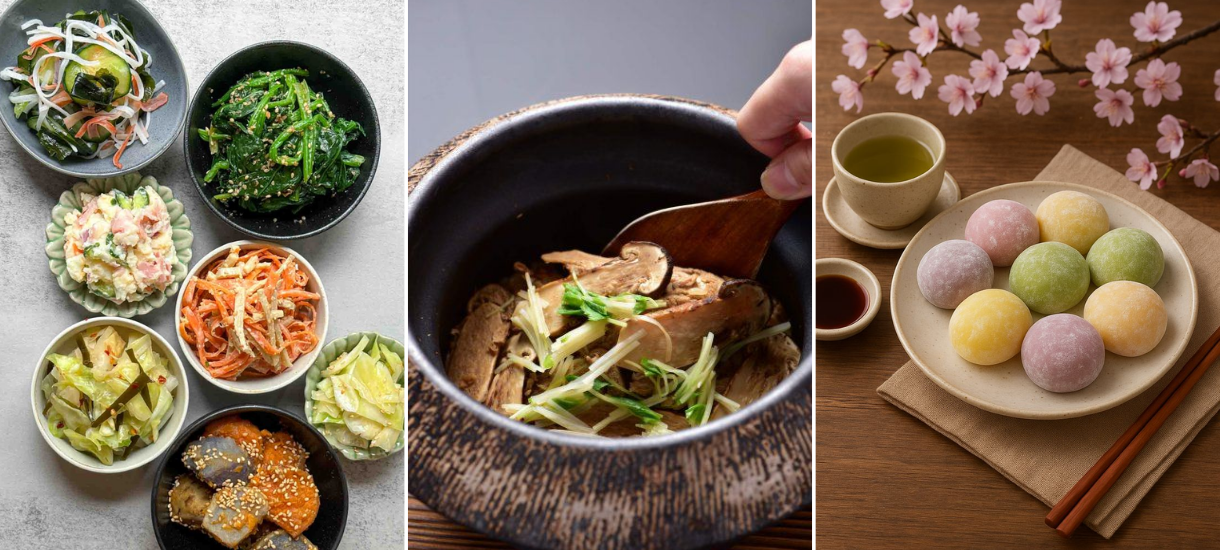
Japanese cuisine captures the concept of mono no aware, “the pathos of things,” an appreciation of fleeting experiences. Incorporating seasonal ingredients like autumn matsutake mushrooms and ephemeral delicacies like spring sakura mochi allows diners to savor the delights of each season. It also helps to keep ingredients sustainable while supporting local growers.
Source: Pinterest
Umami
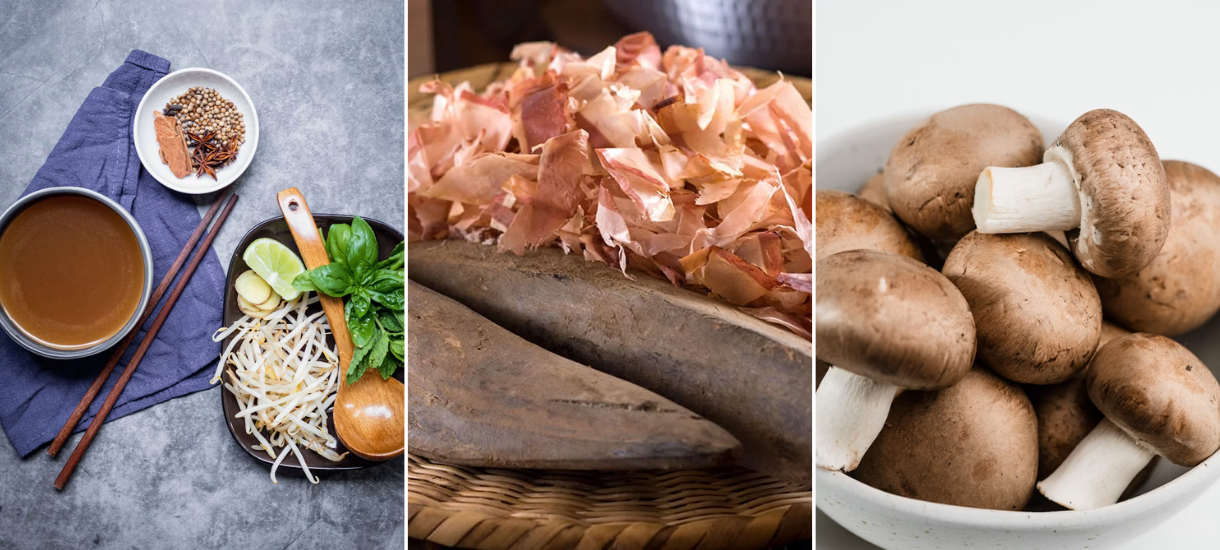
This Japanese word refers to one of the five basic tastes, expressed in ingredients like shitake mushrooms and fermented fish (see below). Describing the taste of umami isn’t easy. It is widely described as meaty and savory. It is also characteristic of the taste of many broths and brings a richness to dishes. The flavor comes from the presence of glutamate, inosinate, and guanylate. Using it artfully in cuisine is a balancing act, since it can be strong. Since it is central to washoku, Japan is one of the best places to experience umami.
Source: Unsplash & iVIVU
Fermentation
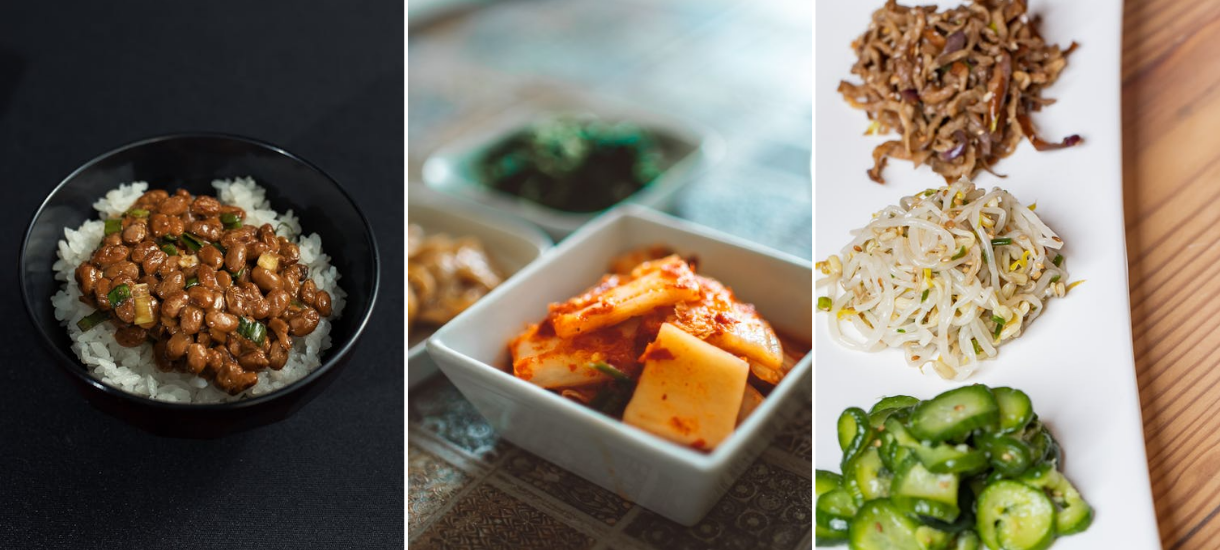
Miso, soy, tsukemono (pickled vegetables) and natto are Japanese cuisine mainstays that are created through a fermentation process to develop deep flavors. Fermentation also goes into making sake, Japan’s most famous alcoholic beverage. Fermenting foods helps to preserve ingredients and supports healthy digestion.
Source: Pexels
Rice
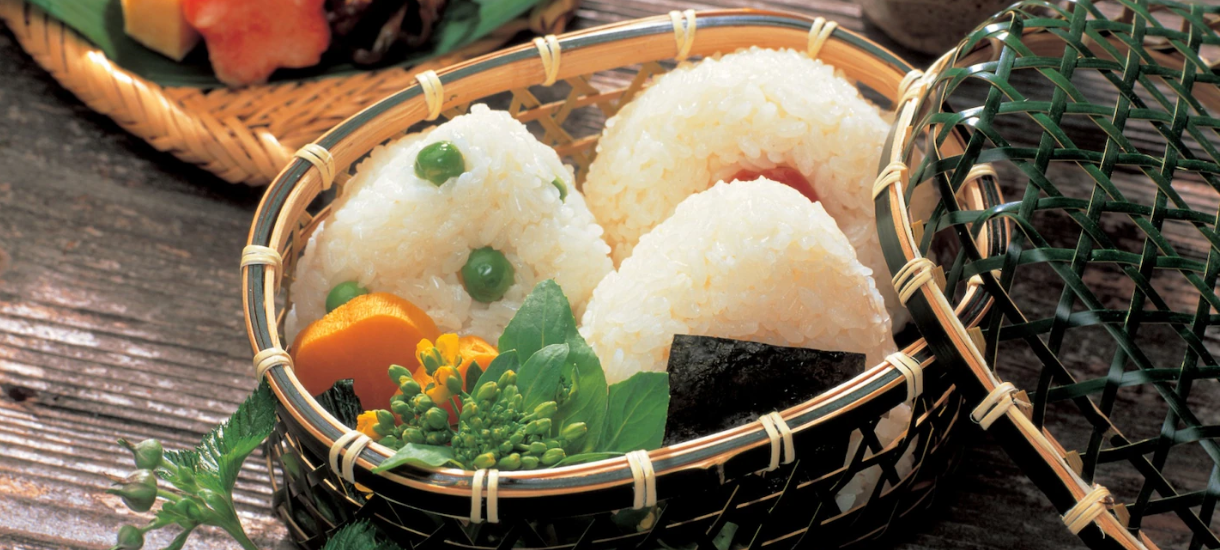
Rice is both a culinary and cultural staple in Japanese life. People give offerings of rice at shrines and celebrate this beloved grain in festivals. Chefs in the country have found numerous innovative ways to incorporate it into diverse dishes, famously including sushi and onigiri (rice balls). It is also the key ingredient in sake (rice wine).
Source: AllAbout Japan
Iconic dining styles
In Japan, how meals are served is yet another core ingredient of washoku.
- Kaiseki: A luxurious multi-course meal showcasing seasonal ingredients in artful presentations, often served at ryotei or ryokan.
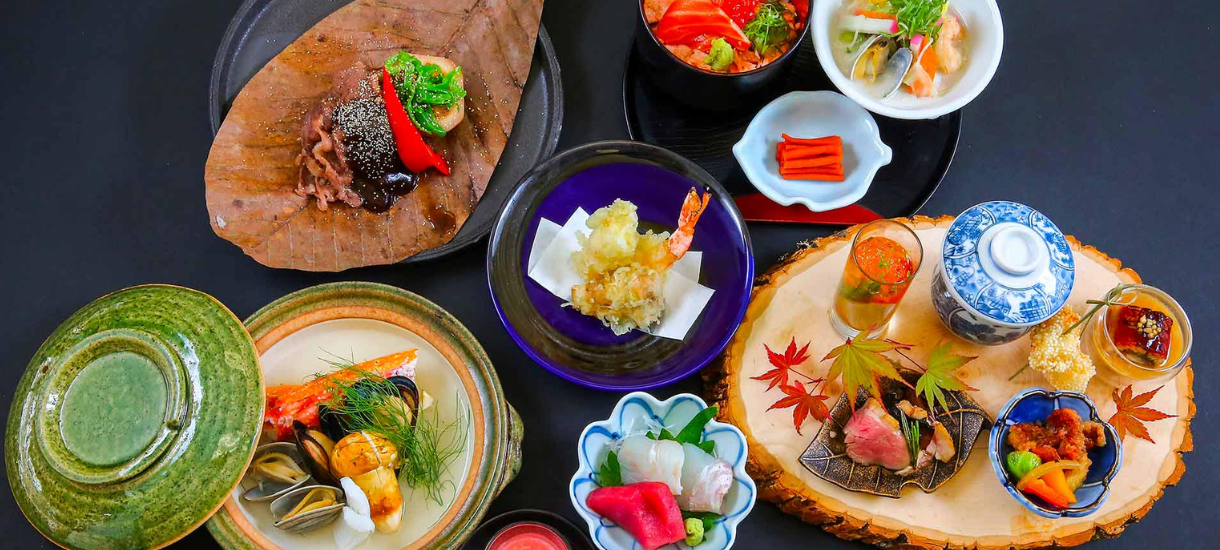
Source: byFood
- Izakaya: An informal bar where you can order alcoholic beverages and dine on simple snacks.
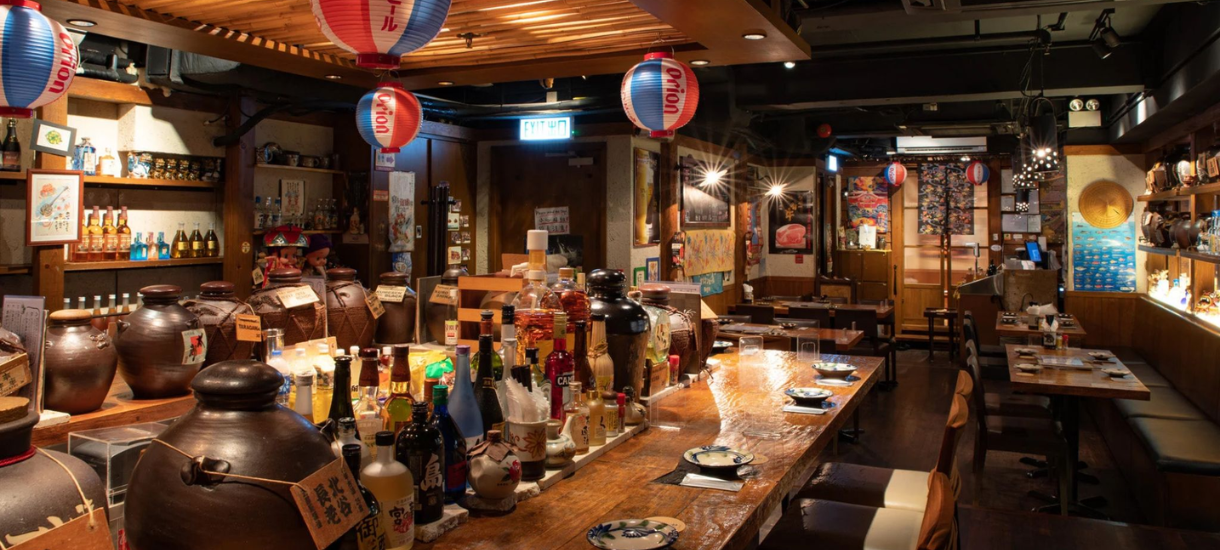
Source: Kendesign
- Yatai: The delicious aromas of yatai food carts draw hungry tourists and locals to dine on street food. The most famous yatai food carts are the Hakata ramen carts along the riverside in Fukuoka.
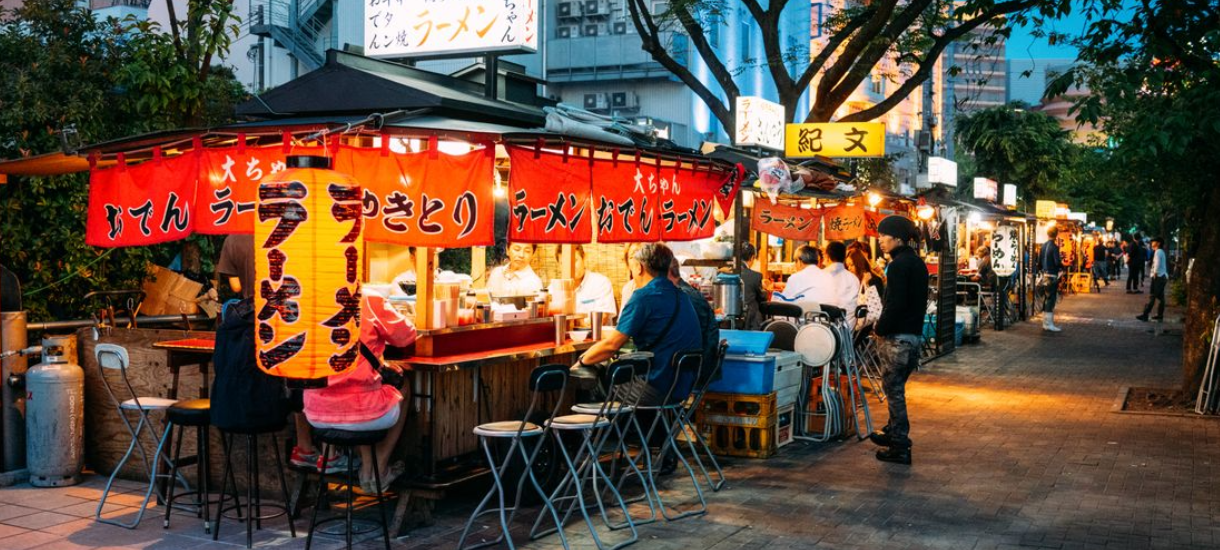
Source: Pexels
- Teishoku: A complete meal that includes a main dish, soup, and sides.
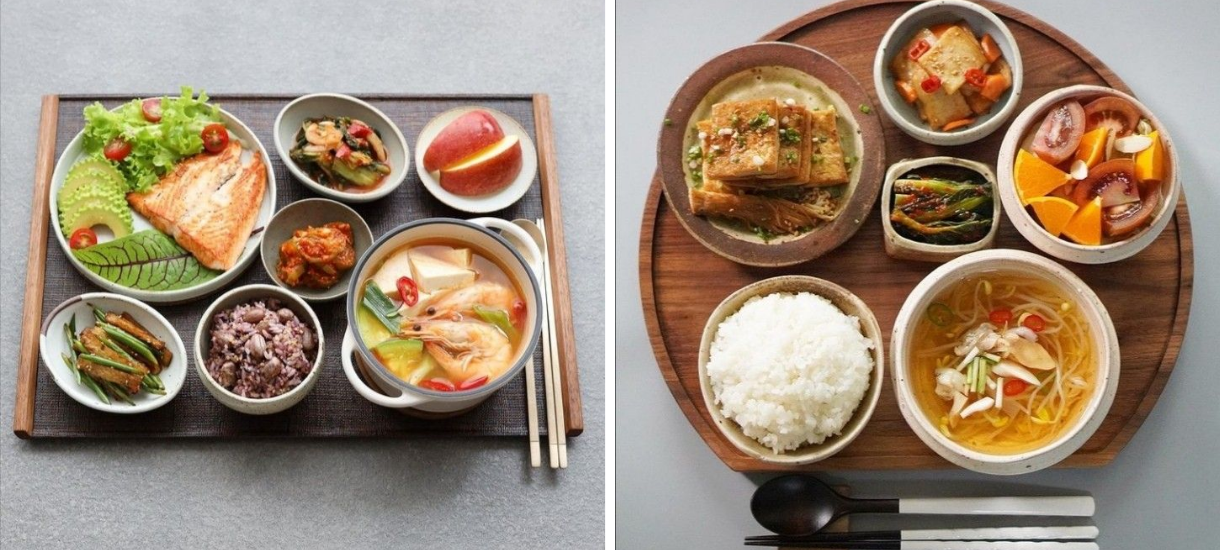
Source: Pinterest
- Bento: A box with compartments, each containing a small amount of a different type of food, perfect for times when everything on the menu looks delicious and you don’t know what to choose.
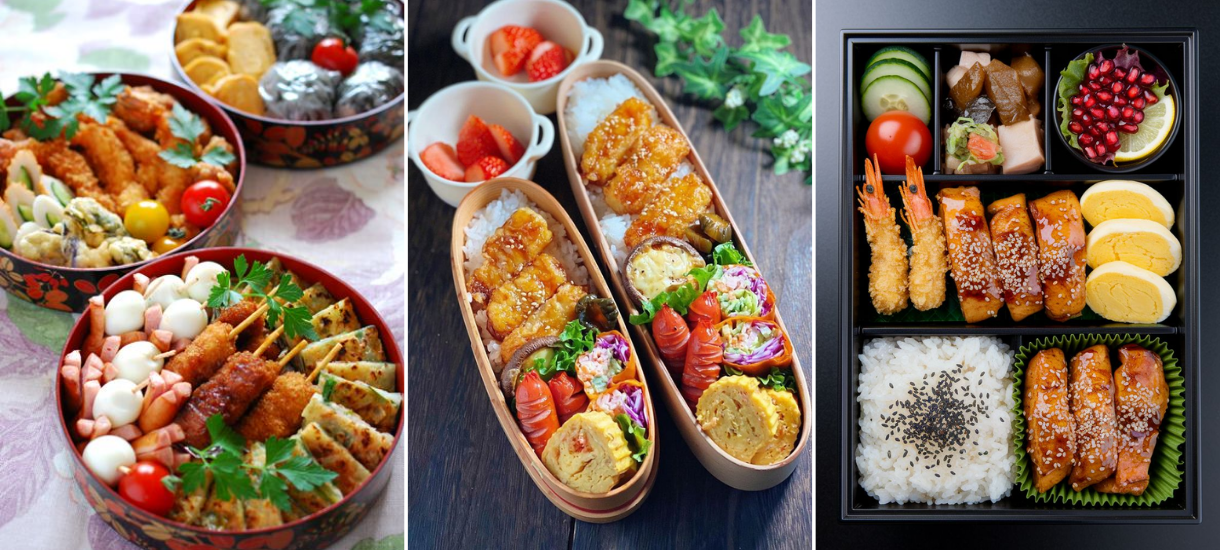
Source: Printerest
Famous Dishes in Japanese Cuisine
The unique ingredients and flavors that characterize Japanese cuisine make it unmistakable around the globe.
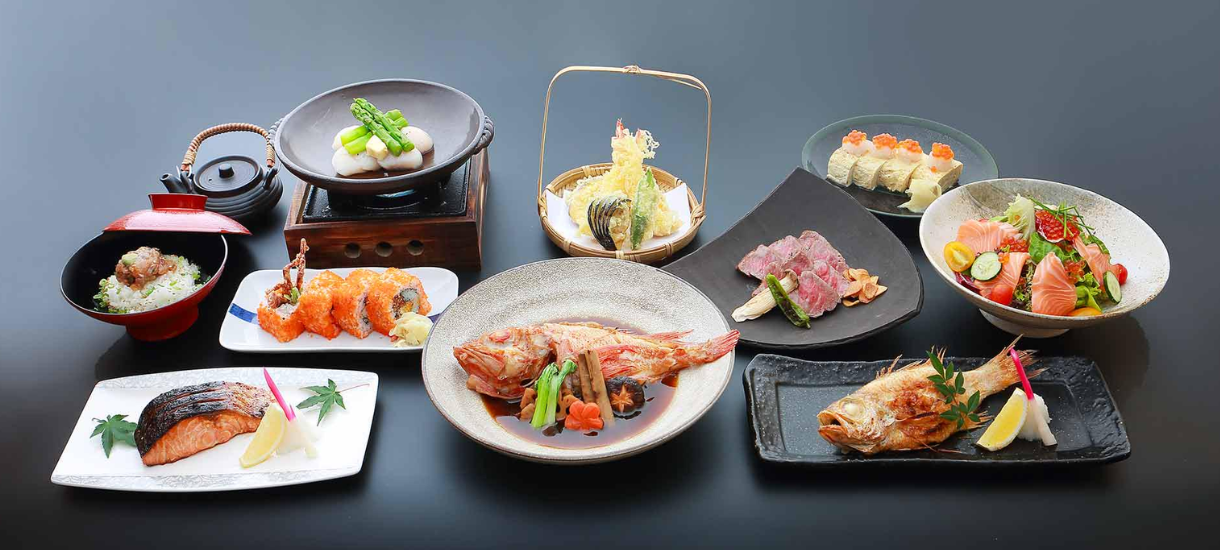
Source: byFood
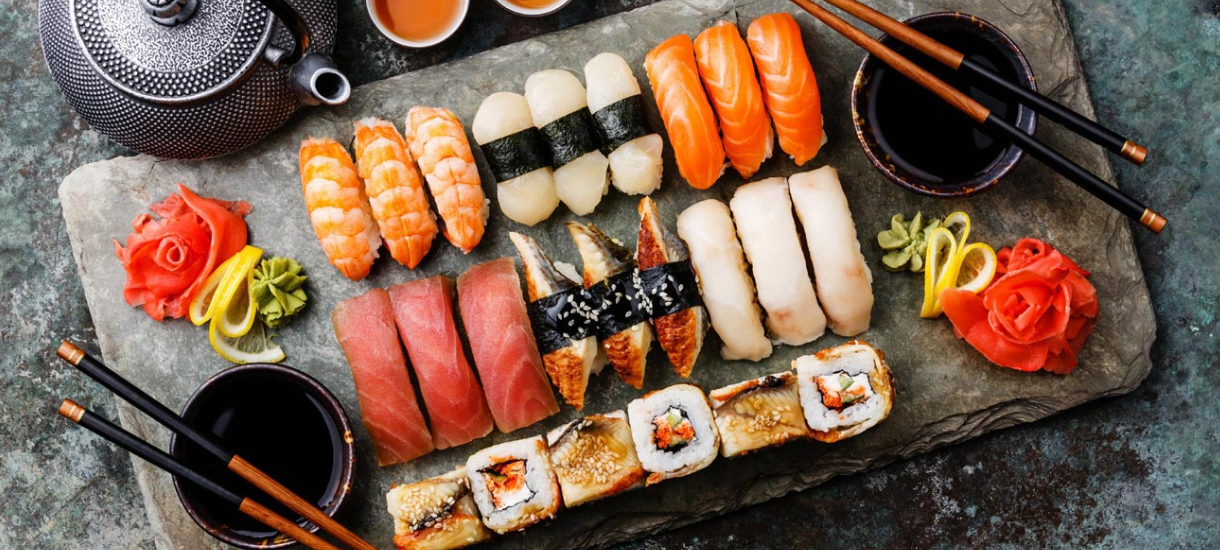
- Sushi and Sashimi: Japan is famous worldwide for sushi and sashimi, which consist of thin slices of tender, raw fish and seafood. Served with rice and seaweed, it is called sushi. Without the rice, it is sashimi.
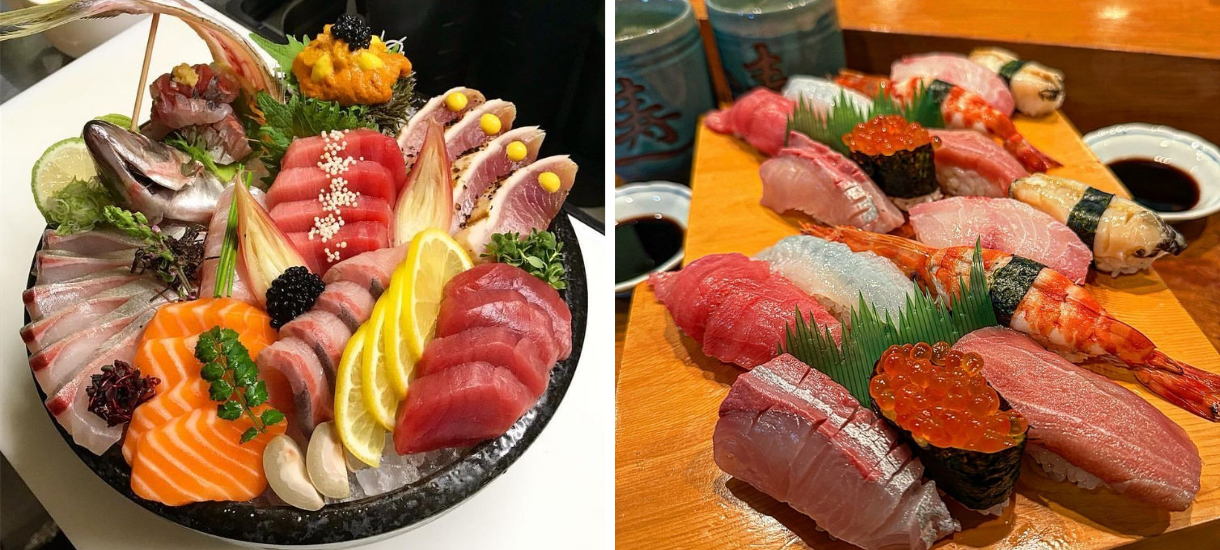
Source: Printerest
- Noodles: Japan’s noodle dishes include ramen (white flour noodles), soba (buckwheat noodles), and udon (wheat noodles with a thick, chewy texture). Ramen and udon are typically served in soup with ingredients like mushrooms, vegetables, eggs, and fishcakes.
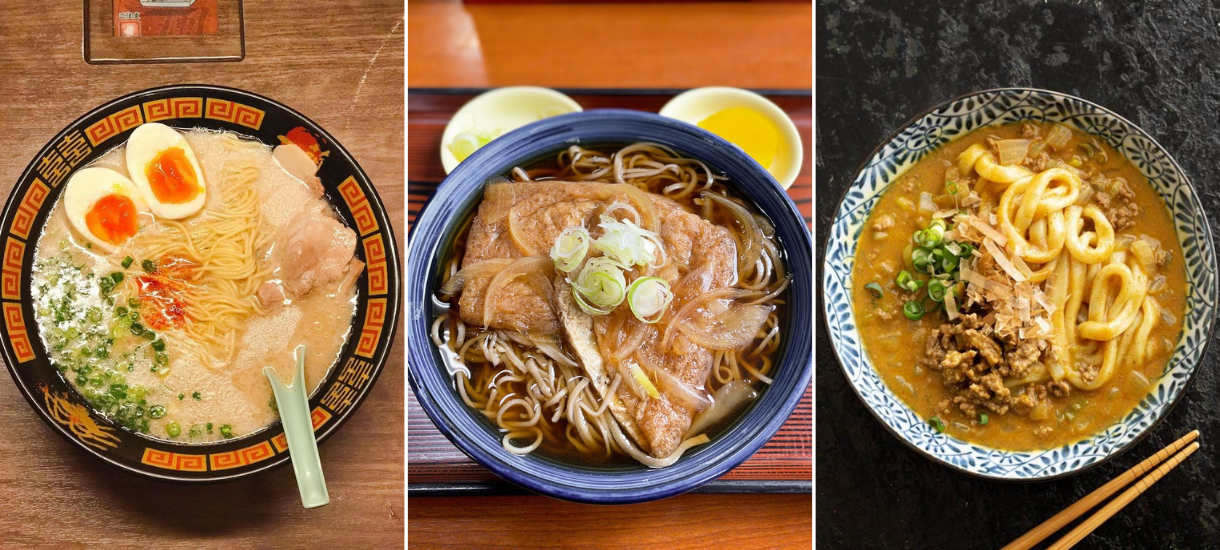
Source: Printerest
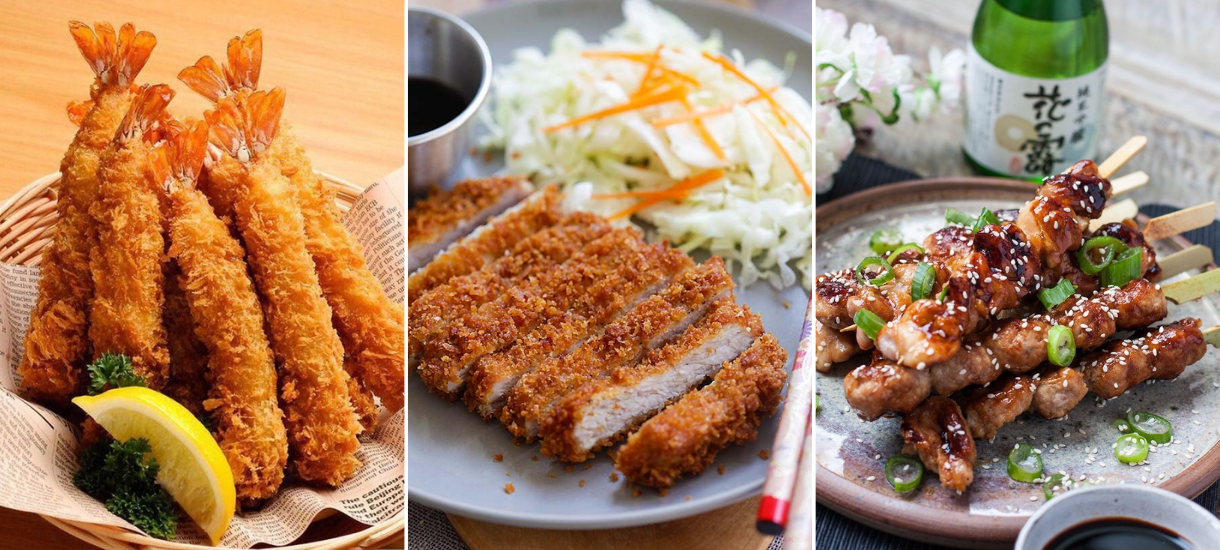
- Fried & Grilled: If you are craving fried food, try tempura, fried shrimp and veggies coated in a light, crispy batter. Tonkatsu is another option, a deep-fried pork cutlet coated with panko. For grilled, savory flavors, yakitori chicken skewers seasoned with tare soy glaze or salt are a mouthwatering choice.
Source: Printerest
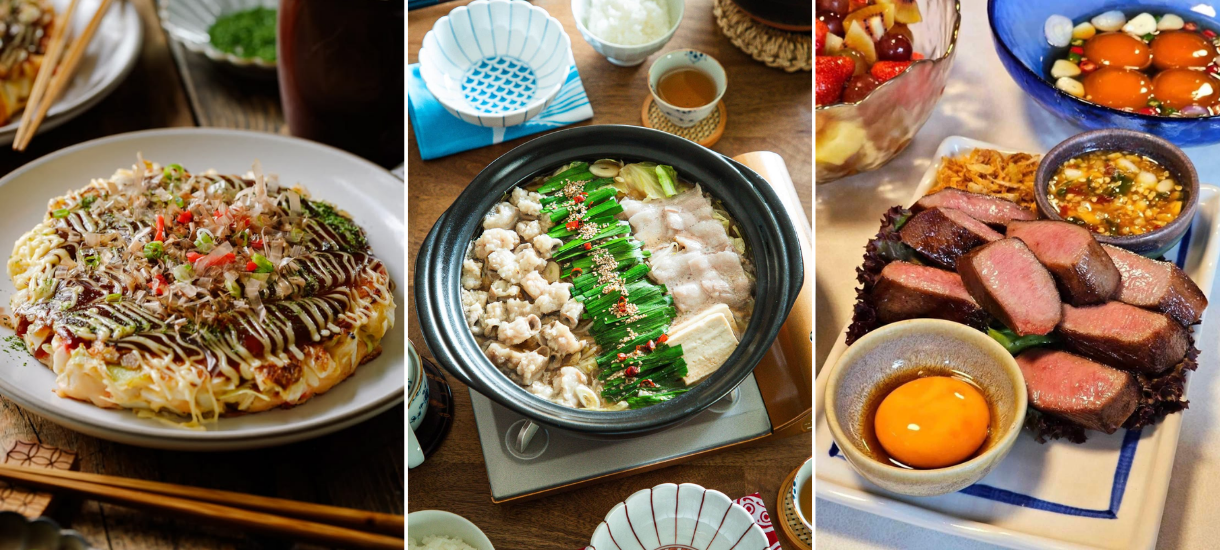
- Regional Heroes: In Hiroshima and Osaka, try okonomiyaki, the “Japanese pizza” savory pancake dish topped with cabbage, meat, seaweed flakes, pickled ginger, Japanese mayo, and okonomiyaki sauce. In Kyushu, warm your insides with motsunabe, a popular regional stew with offal. Other regional delicacies include jingisukan (grilled lamb) in Hokkaido, takoyaki (balls made with batter and minced octopus) in Osaka, and Kyoto’s multi-course kaiseki meals.
Source: Pinterest
The Art of Presentation
So far, we have focused on the ingredients and flavors that characterize Japanese cuisine. But Japanese food culture is as much a feast for the eyes as it is for the taste buds.
Source: OYAKATA
"Eating with the Eyes"
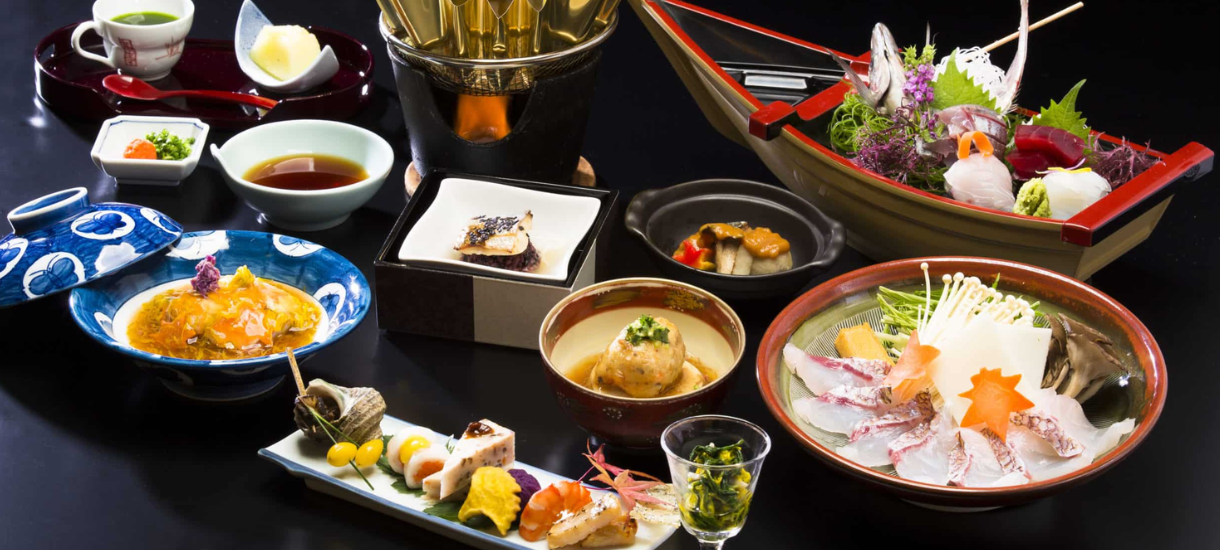
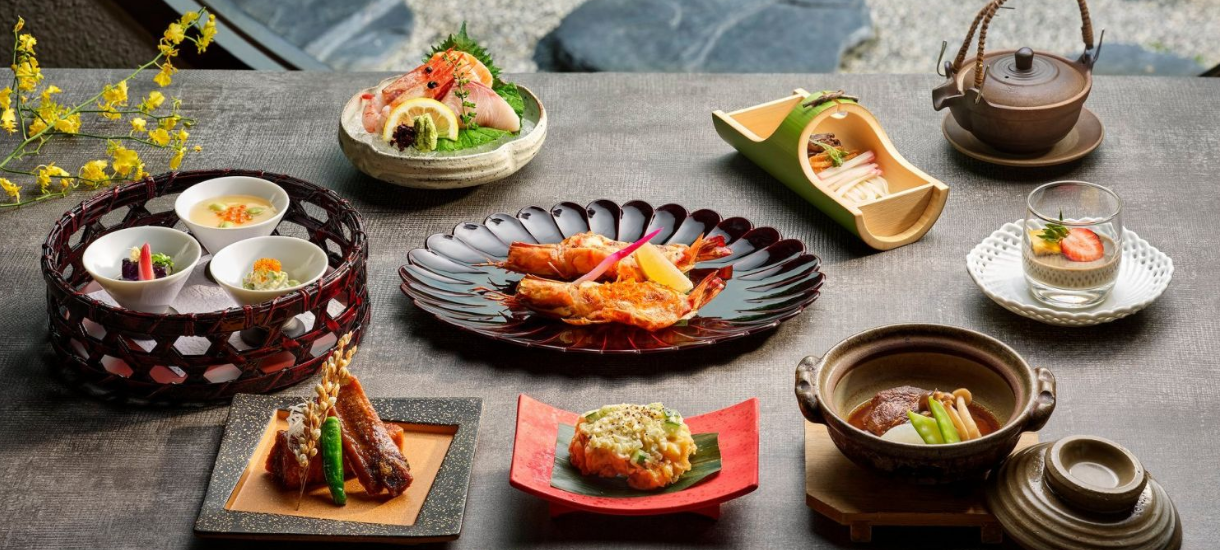
Tableware plays a key role in washoku, which emphasizes artful presentation. Lacquerware, porcelain, ceramics, and even bamboo tableware ensure that each dish is served in a bowl or plate that frames it like a masterpiece.
Source: More Than Tokyo
Negative Space
Zen principles like simplicity and mindfulness infuse washoku, expressed in clean lines and minimalist aesthetics. This is why Japanese chefs do not overload plates. Instead, they leave ample negative space around the food, showcasing both the artistry of the tableware and the colors, textures and arrangement of the food.
Source: Vincom Landmark 81
Etiquette and Rituals of Japanese Cuisine
Japanese culture puts an emphasis on appropriate manners, infusing daily life with rituals of etiquette. Naturally, this tradition of politeness extends to dining as well.
Source: Asian Inspirations
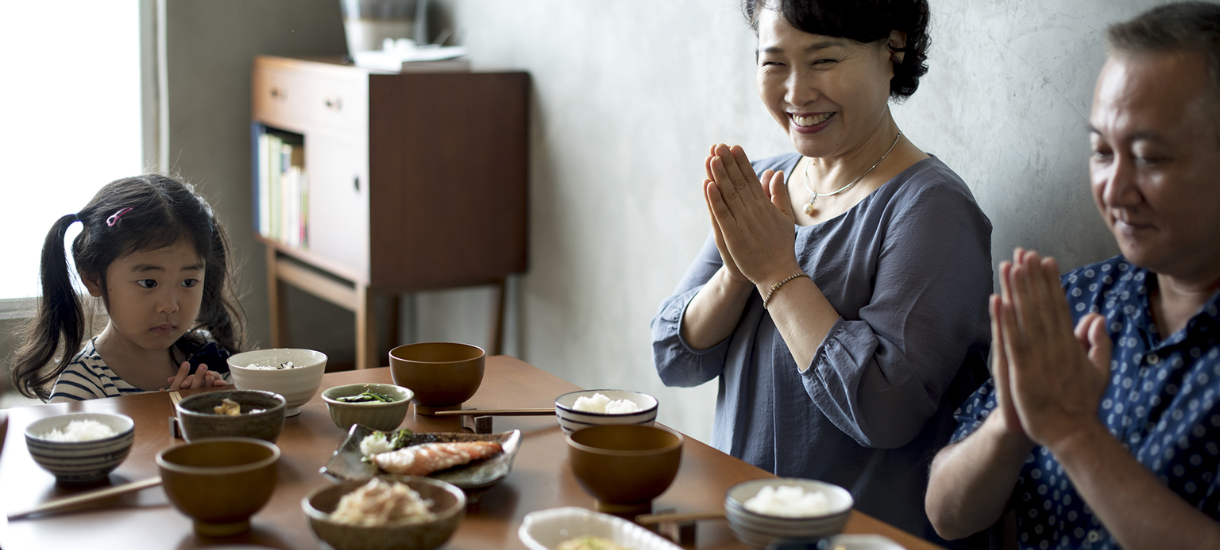
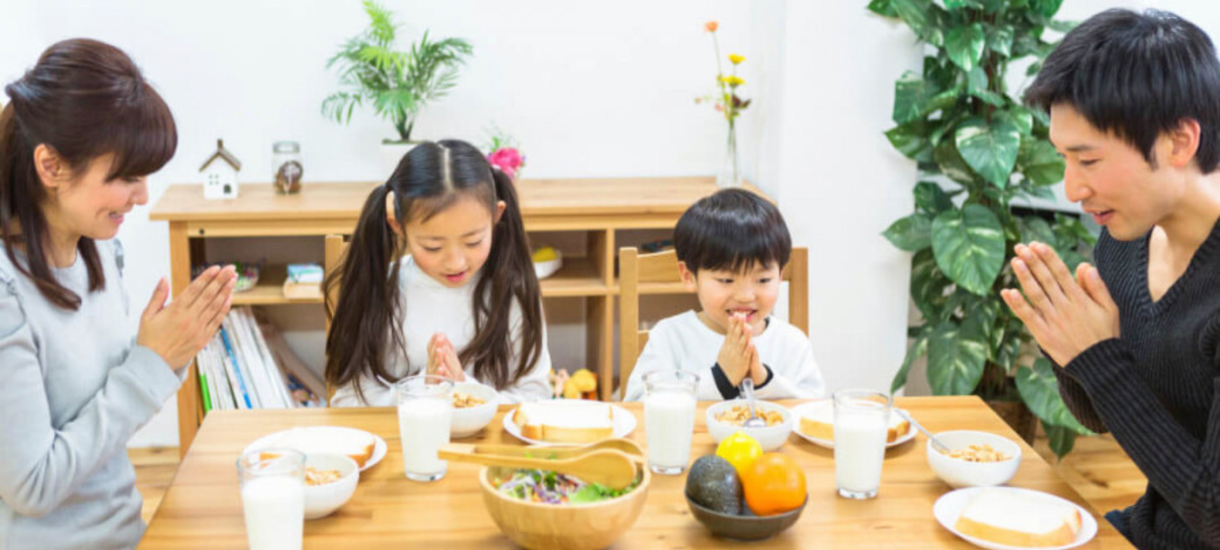
Itadakimasu & Gochisousama
Deep, timeless rituals of etiquette are woven through Japanese society. It is no surprise this extends to eating. To take part in those rituals properly, before a meal, say, “Itadakimasu,” which means, “I humbly receive.” After the meal, you can say “thank you for the meal” by stating, “Gochisousama.”
Source: Miraihuman
Chopstick Etiquette
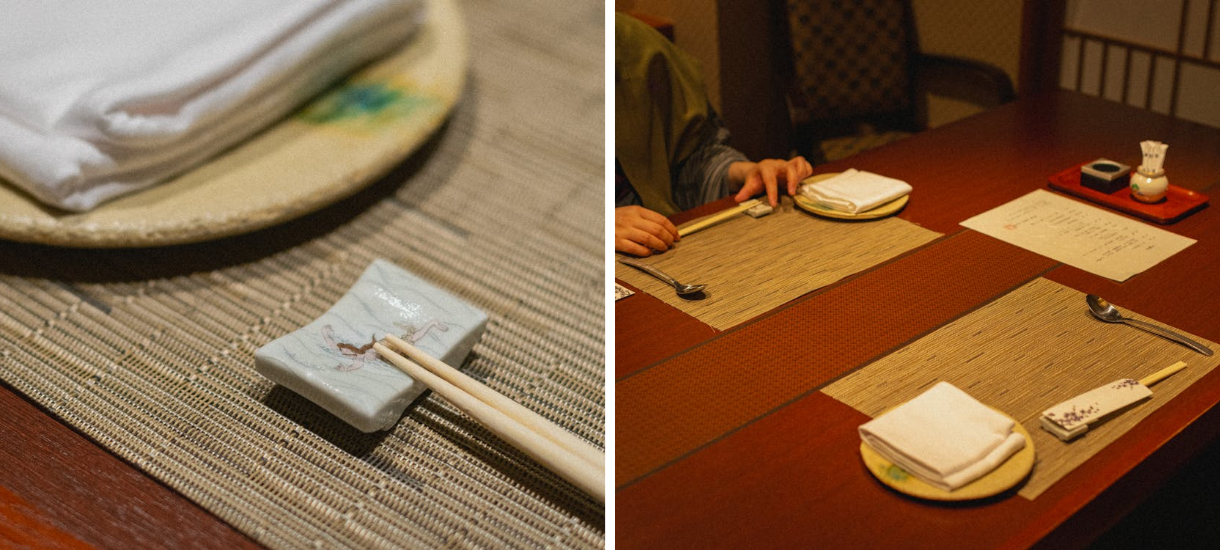
When you eat with chopsticks, avoid taboos like standing your chopsticks upright in the food (tempting to do with sticky rice). Chopsticks standing up in food is a funeral offering, and has no place at the regular table. For the same reason, you should not use your chopsticks to pass food to someone else’s chopsticks. Do not take someone else’s chopsticks, and do not point at people or things with your chopsticks.
Source: Pexels
The Slurping Debate
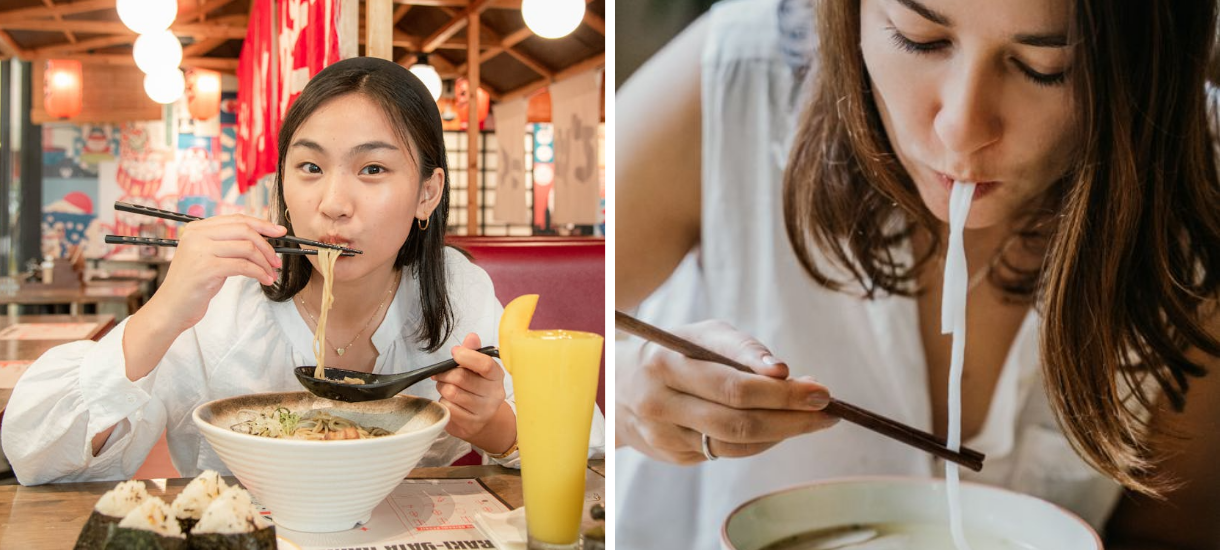
In Western countries, slurping when you eat or drink is often considered rude or disruptive. But in Japan, the opposite is true. If a chef or host hears you slurping, that tells them you’re enjoying your meal. So, feel free to slurp to cool down your hot bowl of ramen or stew.
Source: Pexels
Drink Culture
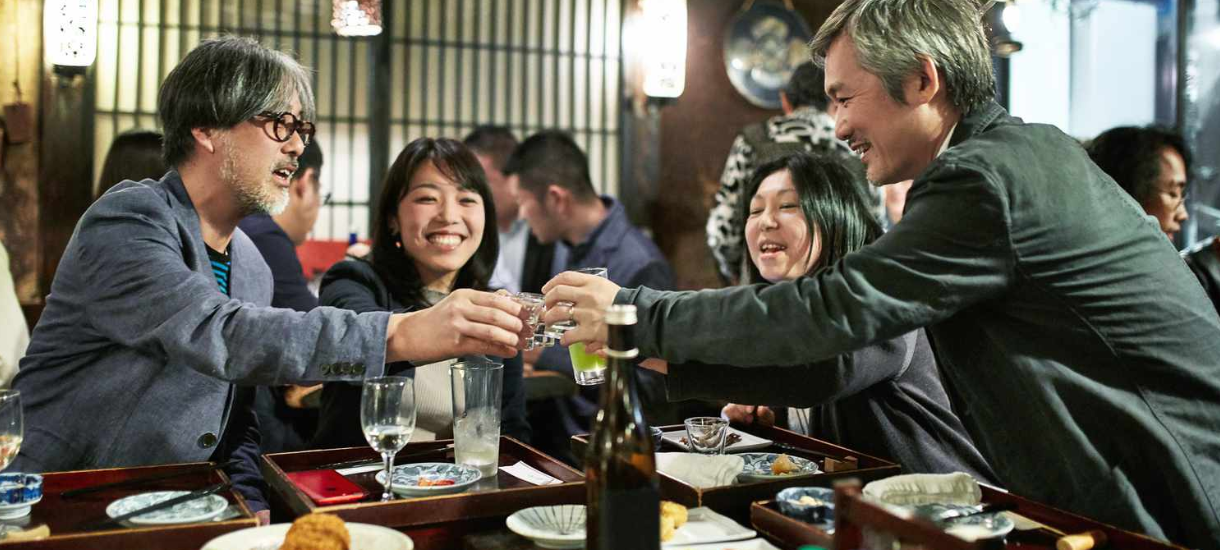
Along with enticing foods, Japan is renowned for its delicious beverages. These include alcoholic and non-alcoholic beverages alike, plus a vibrant bar scene.
Source: Trip Savvy
Nihonshu (Sake)
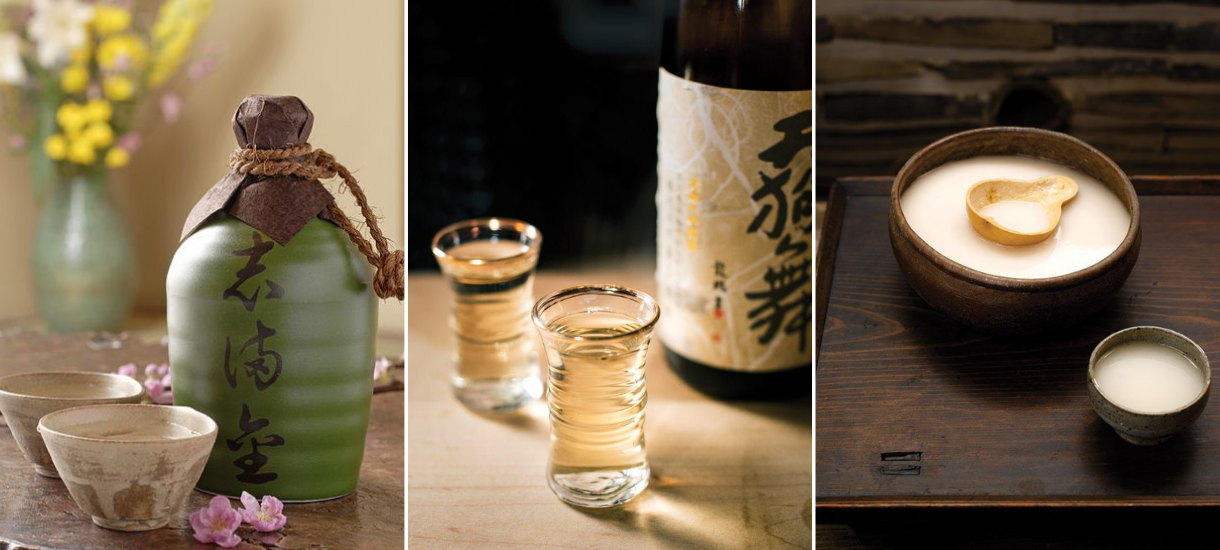
Sake (rice wine) is made through a parallel fermentation process. Rice is polished, steamed. Spores of a special type of mold called Aspergillus are added, producing a substance called koji. A yeast starter called shubo is created, plus a fermentation mash called sandan shikomi. After pressing, filtering, clarifying, pasteurizing, diluting, aging and bottling, the result is sake.
Source: Pinterest
Regional variations in rice, water, climate, and technique result in distinctive versions. For example, Niigata’s Junmai sake has a crisp, clean, umami flavor due to the particular water and rice used to make it. Hyogo’s Ginjo sake is brewed at a lower temperature and has floral and fruity notes.
The Green Tea Spectrum
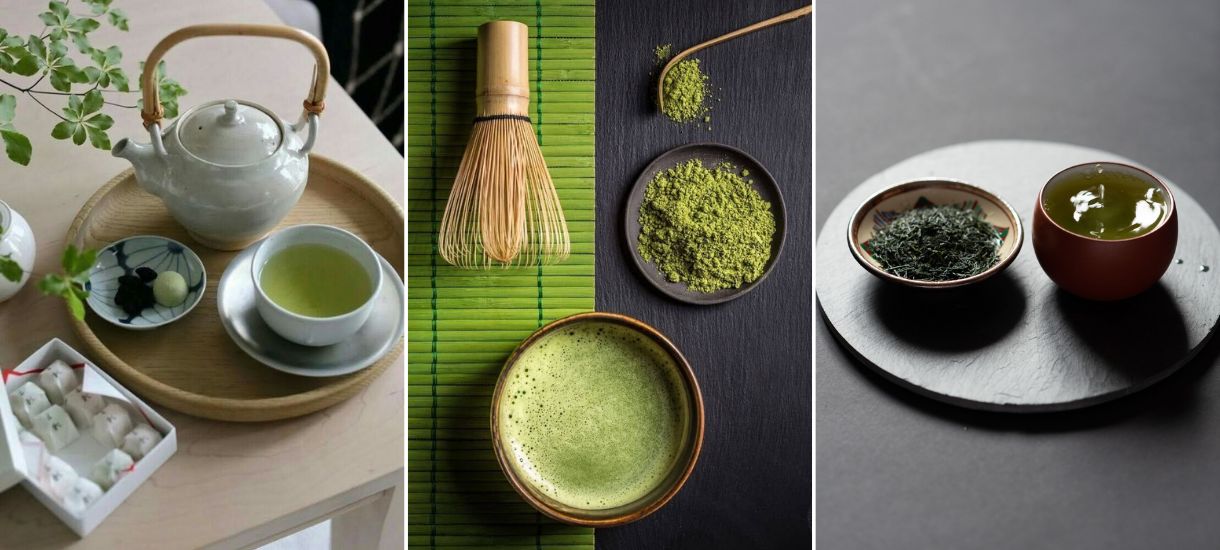
Japan is famous for green tea, but there isn’t just one type of green tea. Different types of green tea include Sencha, Matcha, Gyokuro, Longjing and Hojicha, each with unique origins, processing techniques, levels of caffeine, and flavors.
Source: Pinterest
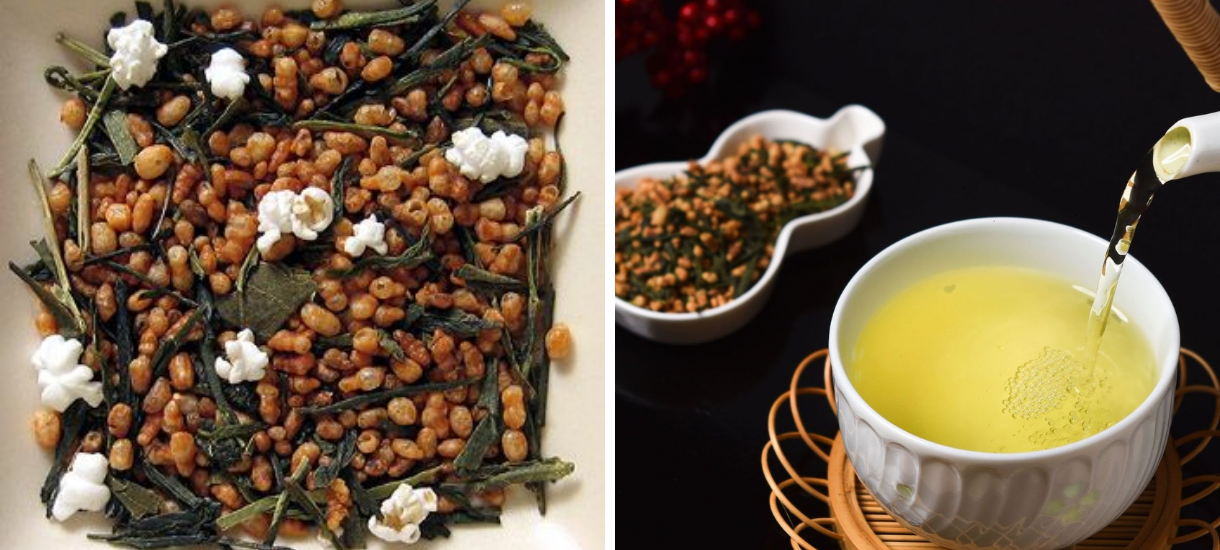
One of the most unique is Genmaicha, a green tea featuring roasted popped brown rice. Since it can help people feel fuller, it is often used for fasting and religious rituals.
Source: Pinterest
Highballs & Beer
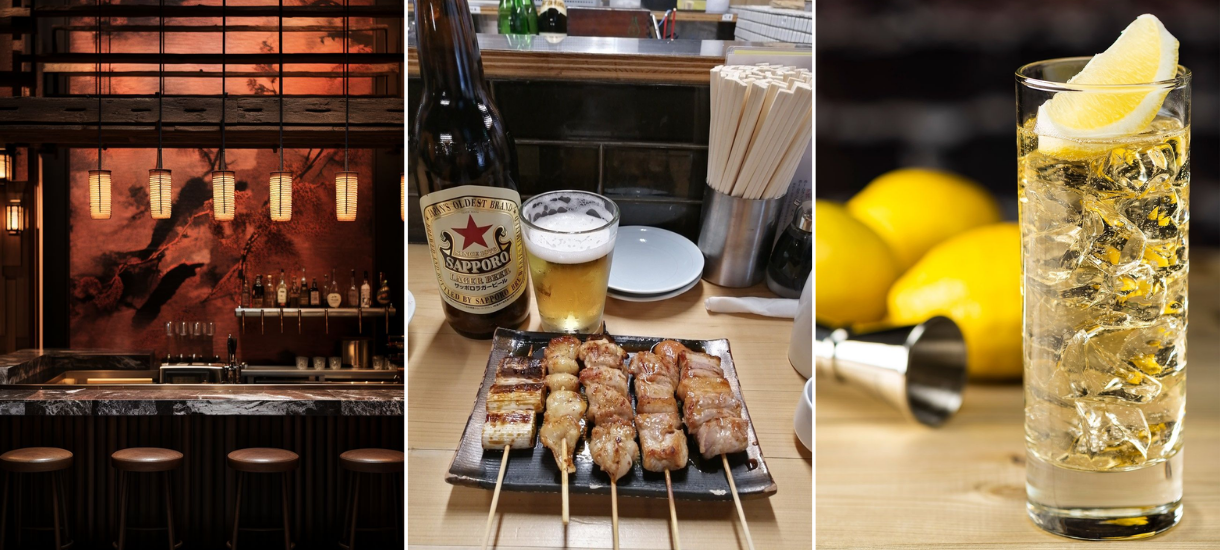
Japan’s modern drinking scene is equal parts polish and personality: sleek cocktail bars, trendy craft beer spots, and whisky highballs. From neon-lit izakayas to hidden speakeasies, every glass gives you a taste of Japan’s rich drink culture. A Japanese whisky highball is a simple but refreshing mix of whisky and club soda. Along with regional craft beers, you can enjoy popular beers with global renown like Sapporo, Kirin and Asahi.
Source: Pinterest