
7 Bangkok Tourist Mistakes to Avoid for a Smooth and Enjoyable Trip
Discover the most common Bangkok tourist mistakes in our insider guide. Learn how to avoid scams, transportation mistakes, and more.
Bangkok’s golden temples, neon-lit streets, and sizzling street foods dazzle the senses, whetting your appetite to discover one of Southeast Asia’s most vibrant cities. As you gaze up at the gleaming spires of temples, however, it’s important to be aware of pitfalls that can trip up the most seasoned of travelers.

Source: Unplash
Here are 7 of the most common Bangkok mistakes to avoid. We’ll help you steer clear of those pitfalls so that you never have to frown in the Land of Smiles.
Not Completing the TDAC (Thailand Digital Arrival Card)
The old TM6 paper forms are officially a thing of the past, but many travelers still make the mistake of forgetting its replacement. The Thailand Digital Arrival Card (TDAC) replaced the TM6 on May 1st, 2026.
The upside is that the TDAC process is pretty easy. All you’ll need to do is provide a few details about yourself, your trip, and your health. You can register online for it up to 72 hours before arriving in Thailand.
What if you fill out TDAC right after landing? Totally fine, but it just takes more time for immigration. But after a long flight, that’s the last thing you want.
Be sure to take your time with the TDAC form and double-check every detail before you hit “submit.” Sure, you can update it later, but some parts can’t be changed once it’s in. Mess up, and you’ll have to start over from scratch. Get it right the first time, and you’ll breeze through the border without stress or surprises.
The last thing about TDAC that you should know: whoever asks you to pay to submit your TDAC, click away; it’s a scam. The Thai government never charges a fee for filing the TDAC, so keep your credit card in your wallet.
The "Temple is Closed" Scam
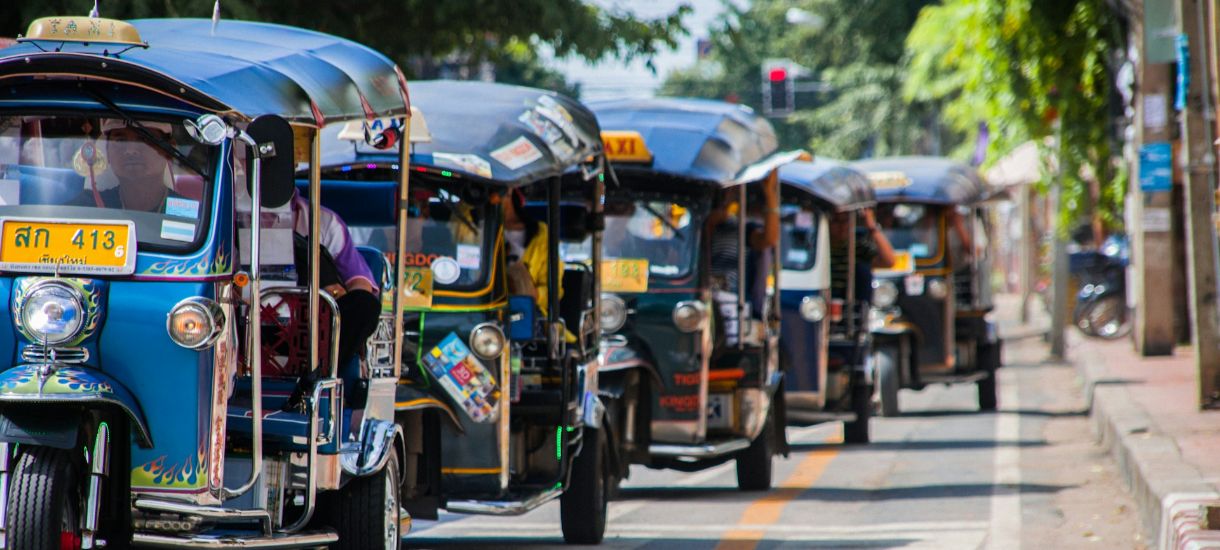
You hop on a tuk-tuk, eager to visit one of Thailand’s most iconic temples, like the Temple of the Emerald Buddha at the Grand Palace. But just as you settle in, your driver turns around with a sympathetic smile, and says, “Sorry, the temple’s closed today.” Don’t worry, they add, they know another great tour so your day won’t go to waste. Good news, right?
Source: Unsplash
It might seem like your driver is going above and beyond to do you a favor. But in truth, this is no lucky break. It’s one of the oldest tricks in the book around the Grand Palace area.

Source: Pexels
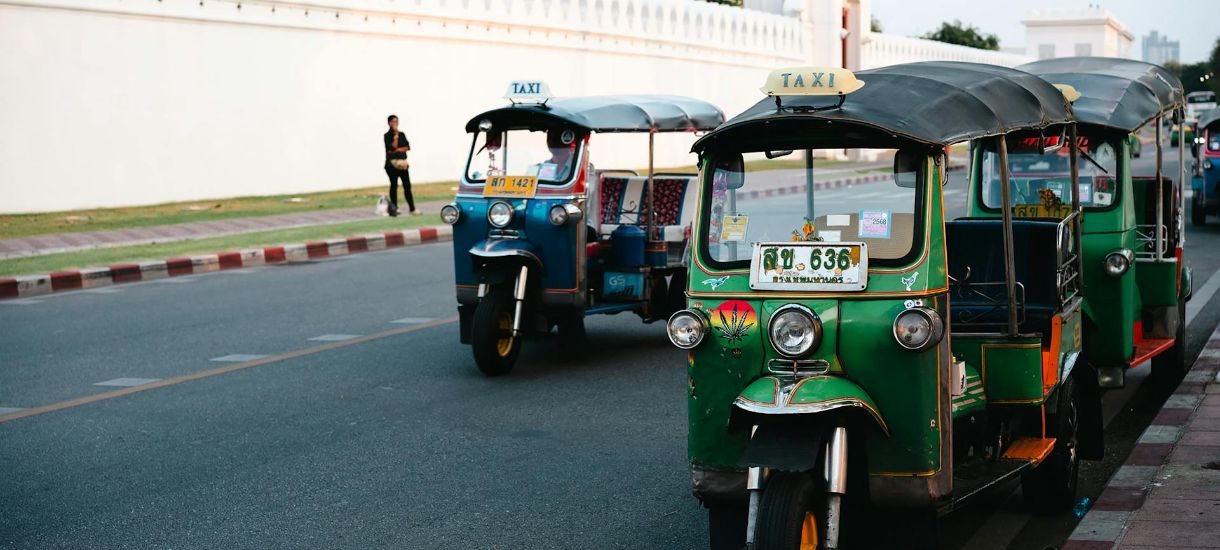
If you were to take up your tuk-tuk driver on their “alternative route”, you would get to see some of the sights, but not the one you planned. They will also likely whisk you off to some shops that would offer you a “special” discount. The drivers who participate in these scams receive a commission for bringing you by.
Source: Pexels
A lot of tourists who fall for this scam say that the route they were taken on wasn’t unpleasant. But here’s the thing—the temples are always open. So, if you fall for the scam, the real loss of this Bangkok tourist mistake is that you miss out on the chance to experience the temples you traveled to Thailand for in the first place.
Taking Taxis Without a Meter
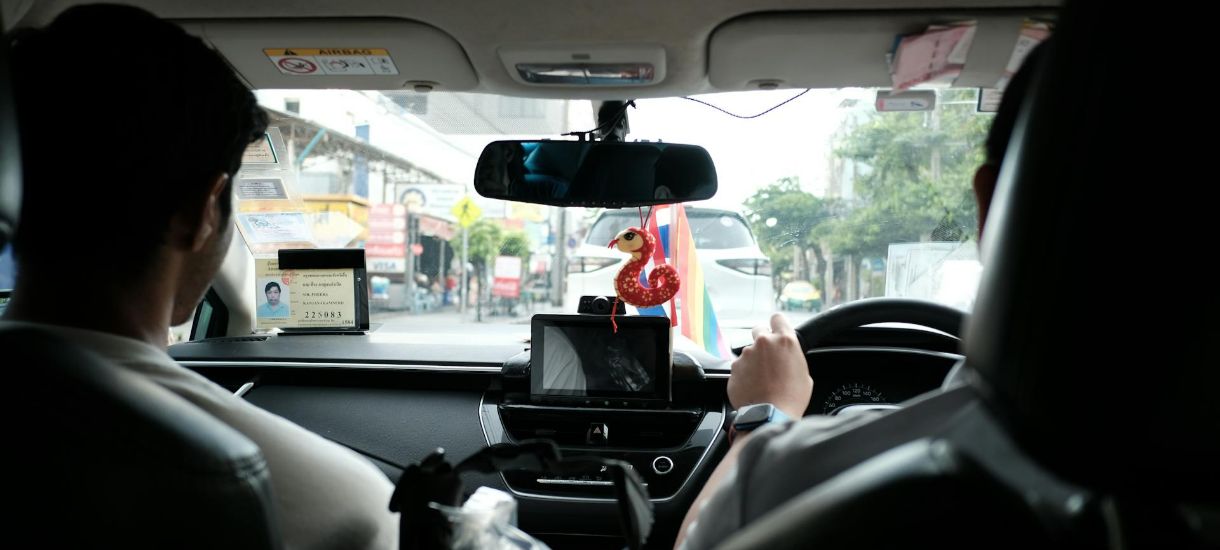
It’s been a long day of exploring, you’re tired, and a taxi driver offers you a simple flat rate. It sounds reasonable, and you want to get going. So, you agree to the flat rate.
Source: Pexels
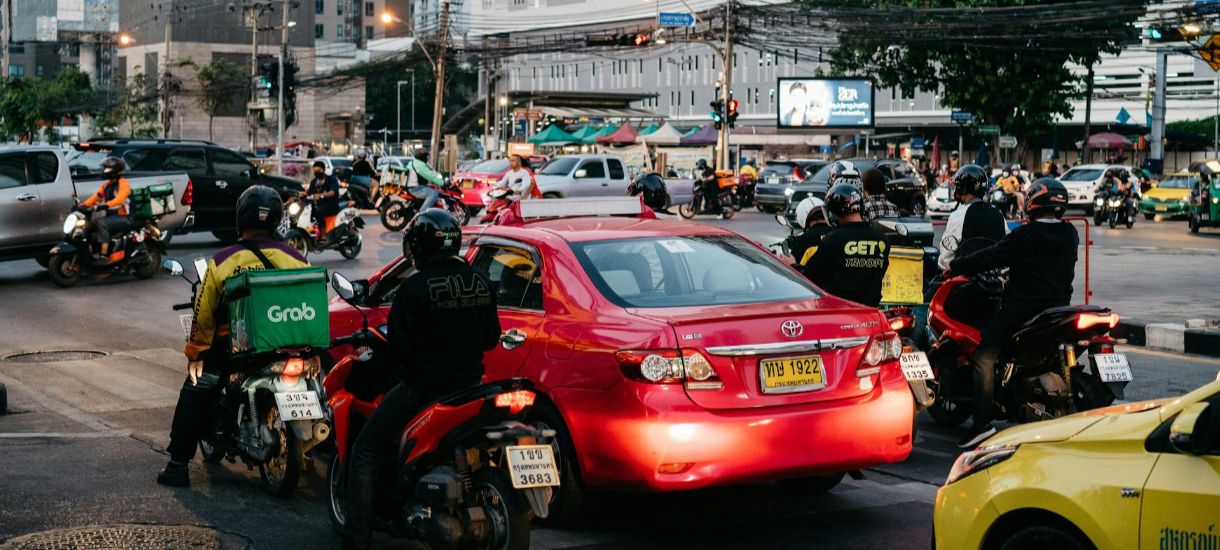
Deals like these may sound good on the surface, but here’s the truth. You’ll usually end up paying more than you would if you’d just used the meter.
Source: Pexels
To avoid this tourist mistake in Bangkok, always insist on the meter or, do what the locals do and use ride-hailing apps like Grab or Bolt. Even if you’re standing right next to a taxi, a quick check on the app can sometimes land you a much better deal and a guaranteed price. Waiting a few minutes for your ride can pay off.
The "Vaping" Fine Trap
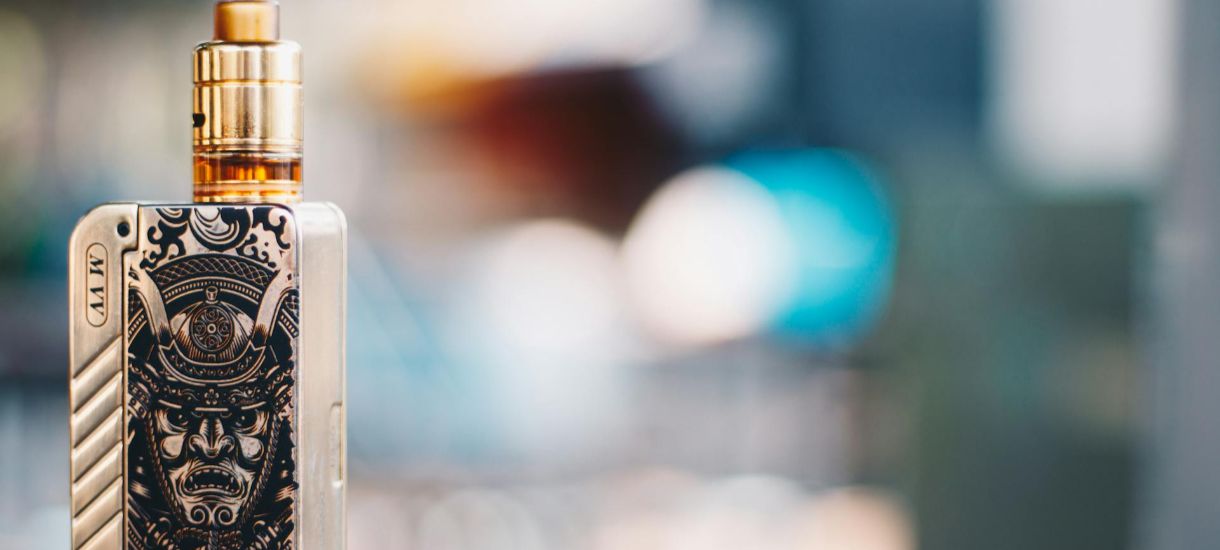
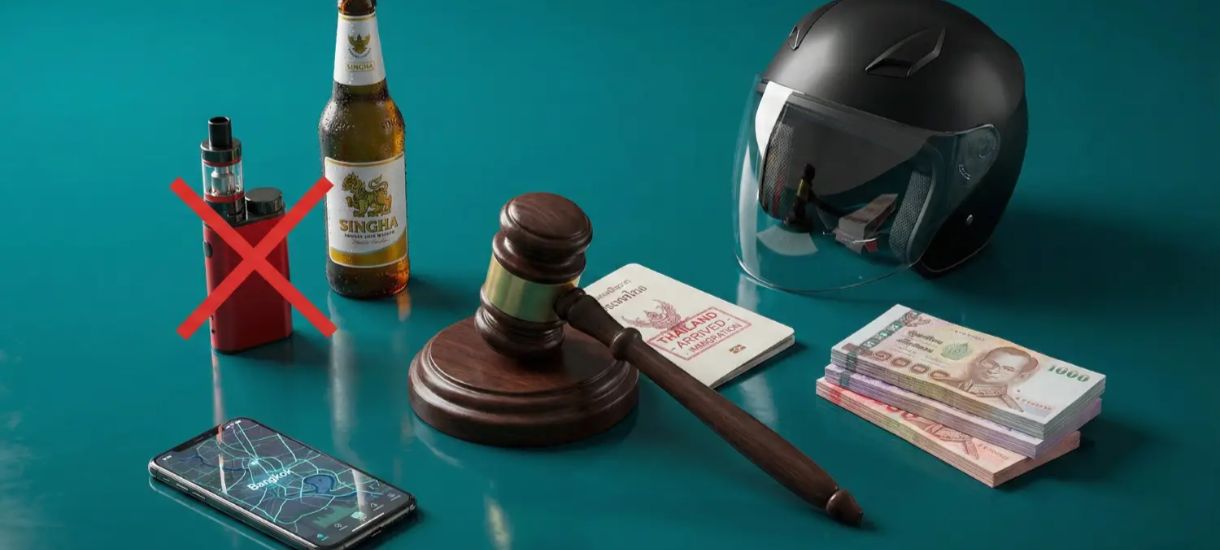
Vaping may be an innocent pleasure to indulge in at home, but be wary of bringing vapes, e-liquids, or pods into Thailand, even if they’re empty. The strict ban on vaping in Thailand carries steep penalties. If you’re caught with any vaping devices or e-liquids, they’ll be confiscated on the spot, plus you may be penalized as much as 30,000 THB ($900 USD).
Source: Pexels
Police and customs patrol tourist hotspots like Bangkok's Sukhumvit, Phuket beaches, and airports. But what makes this a “trap” isn’t the law itself, it’s how it is enforced.
Source: Roafly
Thai law enforcement puts a bounty on vapers. This means locals are motivated to try and bust you, because if they do, they could receive a cut of your fine as their reward. Careless mistakes can lead to hefty consequences. Leave your vaping device in your hotel room, and the housekeeping staff could turn you in. Buy e-liquids from the wrong street seller, and you could find yourself walking right into entrapment.
Worst of all, you could run into a dirty law officer. If you’re unlucky enough to wind up dealing with a corrupt cop, they could seize your passport, threaten to deport you, or demand a bribe to avoid jail time. Save yourself the pain and just leave your vaping gear at home.
Underestimating Thai Spiciness
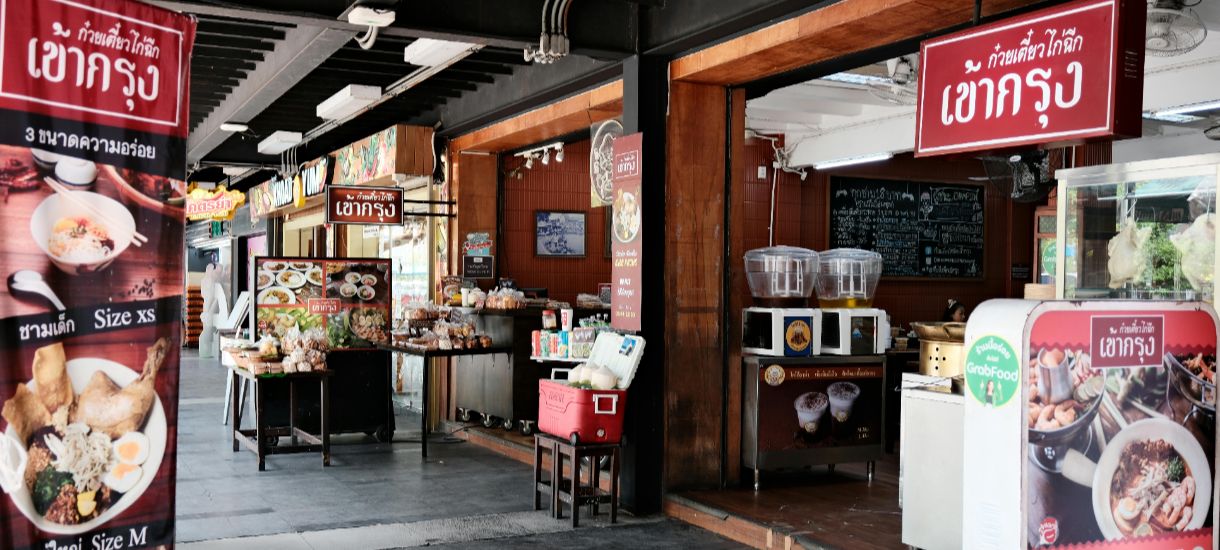
The waiter asks you how spicy you want your meal, and you answer “very spicy.” You’re bold, and you’re ready to live on the edge. But when you take a bite and feel like it’s burning off the roof of your mouth, you might soon wish you’d been a little less courageous.
Source: Pexels
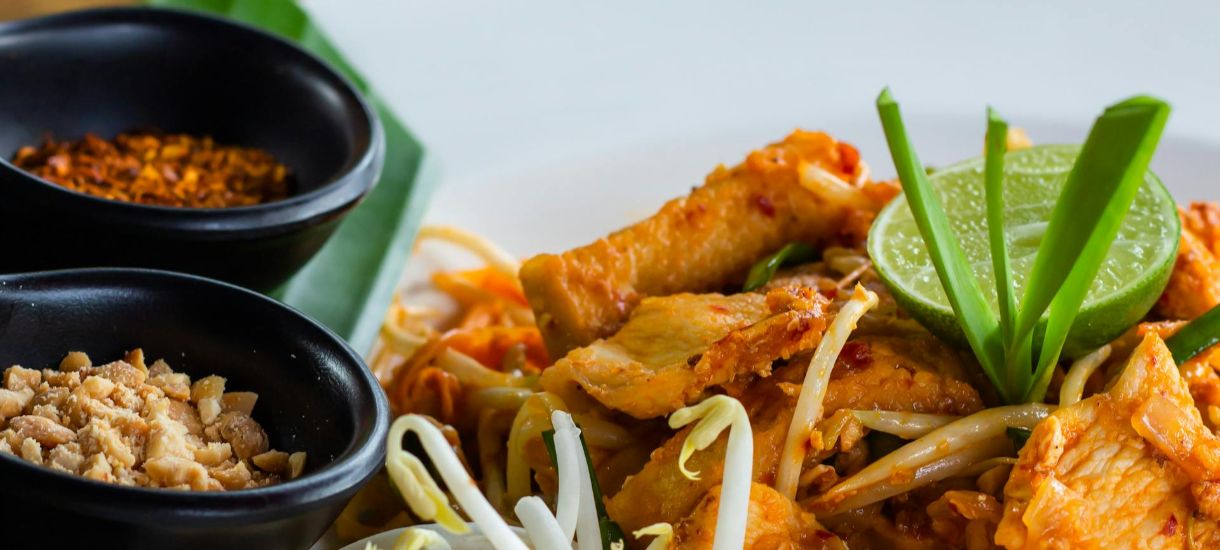
Authentic Thai heat is often quite a bit spicier than the Thai food served in Western restaurants, leading many tourists to underestimate how hot dishes will be when they order.
Source: Pexels
In fact, if you order food that’s far spicier than what you’re used to, you might even have a hard time finishing it, no matter how delicious it is. So if the waiter warns you that the food is very spicy, believe them. When in doubt, go with “medium” for the perfect sweet spot. And if you’re not tolerant of much spice at all, here is the list of Thai food you want to save.
Relying on Taxis to Get Around
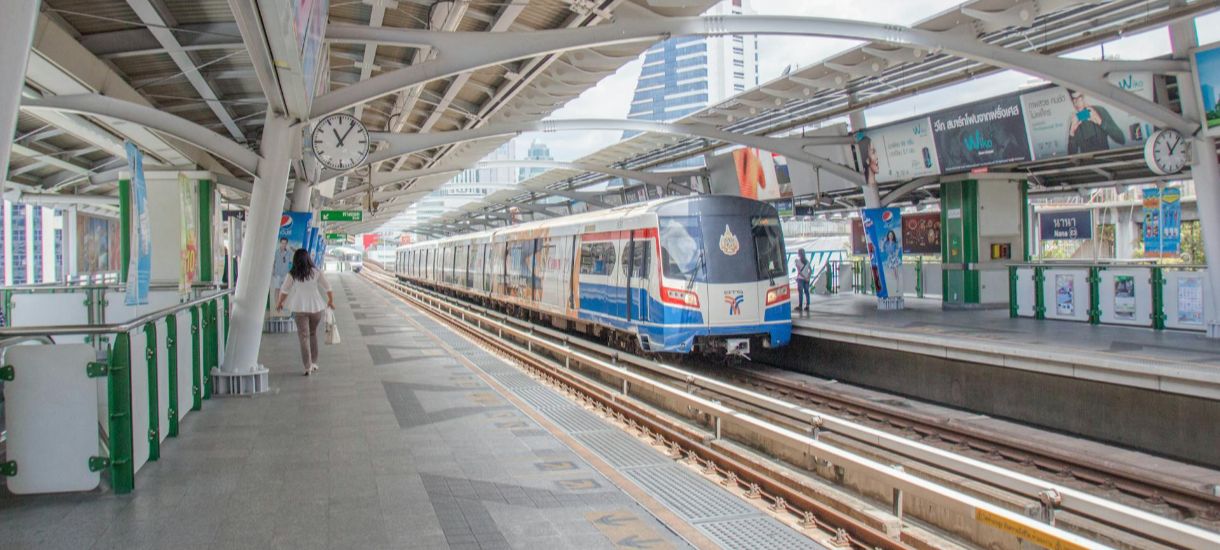
We’ve talked about using ride-hailing apps and how important it is to use the meter when you travel by taxi. But taxis aren’t the only way to get around Bangkok. Don’t forget that this city has a fast, convenient and affordable metro system.
Source: Unsplash
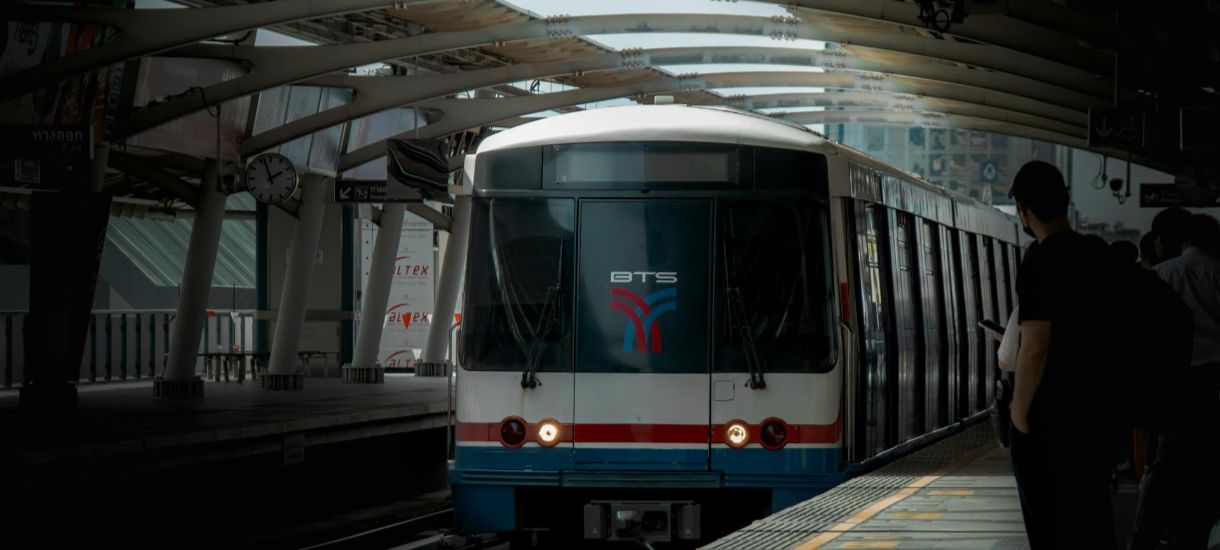
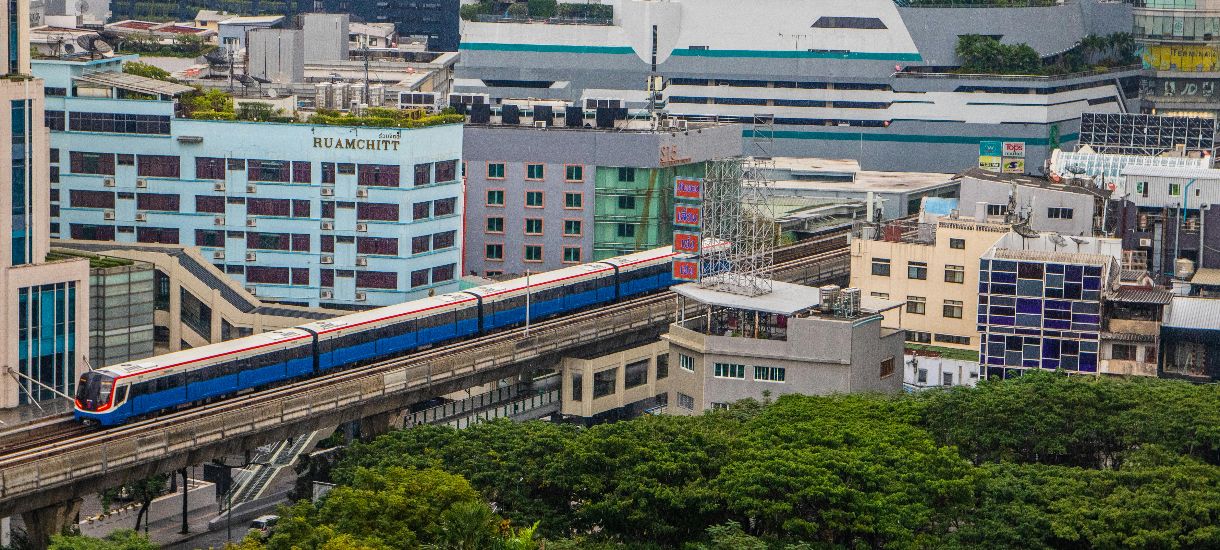
The Mass Rapid Transition (MRT) system features dozens of stations along multiple routes branching throughout the city. These include the blue and purple lines, as well as the pink and yellow lines which the Bangkok Skytrain (BTS) operates. BTS also operates two additional lines, the Silom and Sukhumvit lines.
Source: Pexels
The trains are air-conditioned and comfortable, and service is reliable with frequent stops. So, you don’t have to wait long at the station. Plus, you’ll be soaring along the elevated rails, soaking in some amazing views of the city instead of being stuck in the traffic jams below.
Source: Pexels
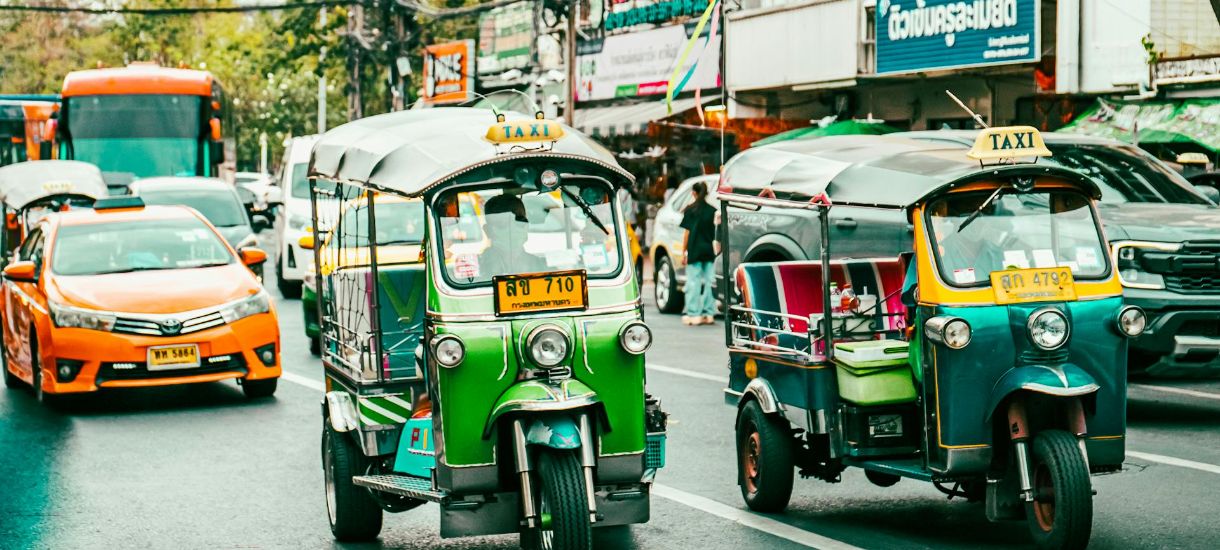
A trip on the MRT or BTS takes you above the hustle and bustle of the city for a smooth, fast ride. But it can be just as fun to explore the city at the street level in the humble tuk-tuk, which keeps you close to all the sights, sounds, and aromas of Bangkok. You can enjoy a refreshing breeze as the open design ensures there’s no separation between you and Bangkok’s attractions.
Tuk-tuks are ideal for short jaunts, and for traveling down narrow streets that taxis can’t navigate. It’s a great way to cut around the traffic while you explore temples in the Old City or explore Chinatown night markets and restaurants on a culinary adventure.
Source: Pexels
Over-bargaining While Shopping
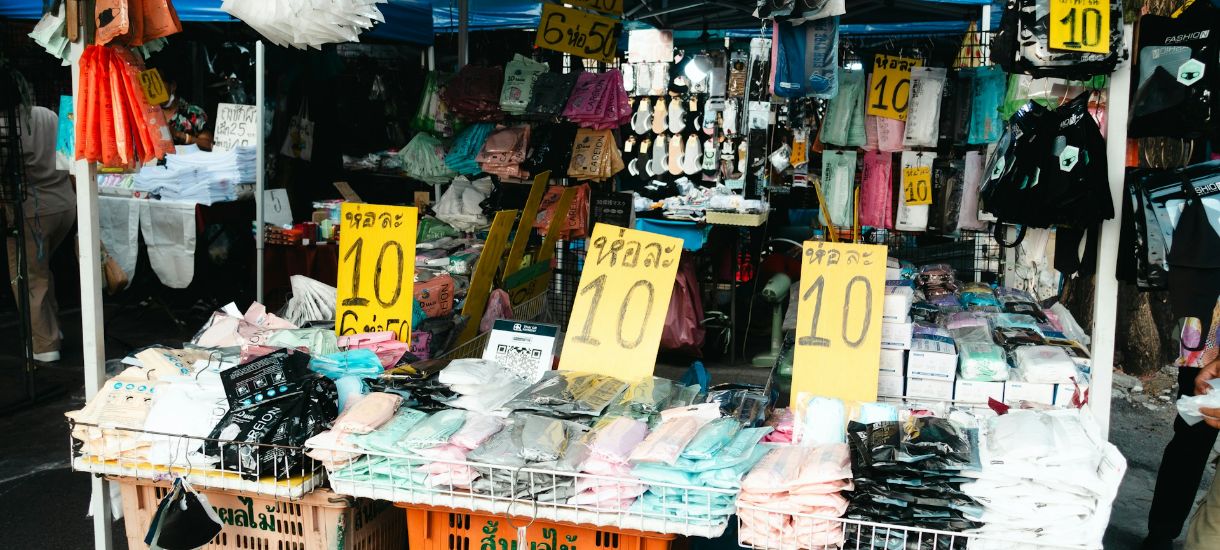
Part of the fun of shopping at street markets in Bangkok is haggling with vendors. But it’s easy to lose sight of what matters and take the bargaining game too far.
Source: Unsplash
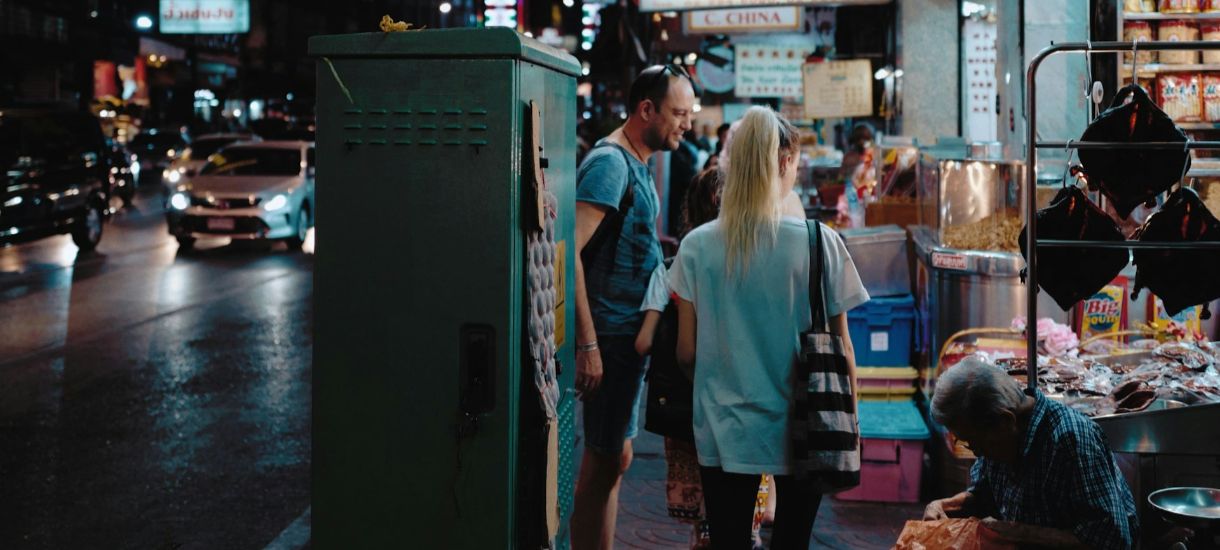
You’re having fun arguing over a few baht, thinking it’s trivial sport. But to a vendor, it might represent a larger stake than it does to you. Many local vendors only profit through a thin margin.
Source: Unsplash
To support local sellers, make sure that margin stays intact. When vendors set their prices in Bangkok, they often expect some haggling, but still a fair price. If you haggle reasonably, it will be an enjoyable, rewarding interaction for both of you.

Source: Unsplash
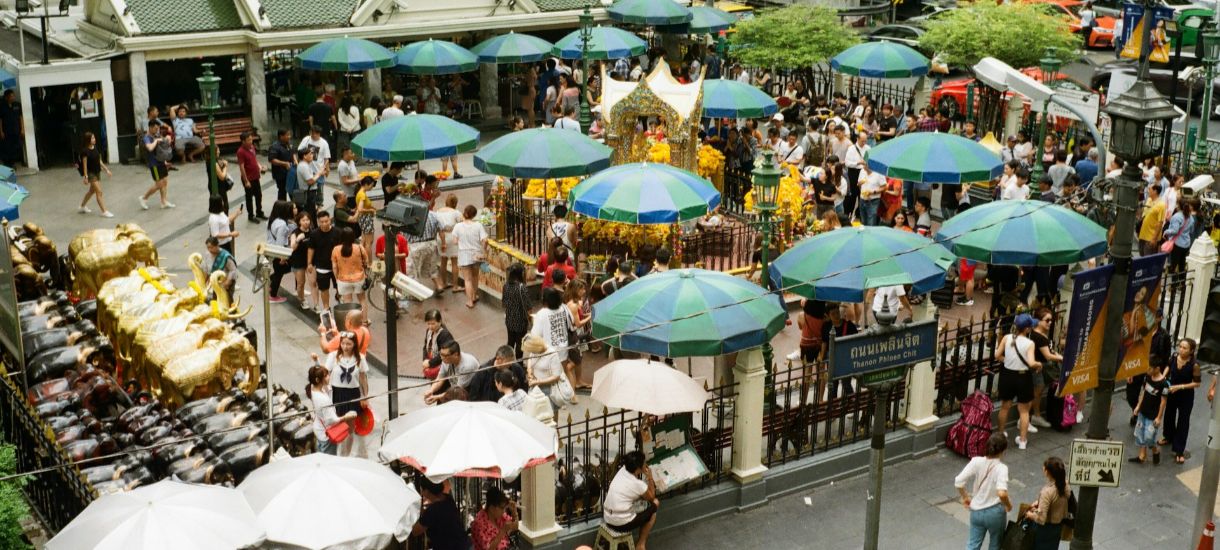
Don’t make the mistake of assuming that all merchants in Thailand are open to haggling. Some shops offer fixed price shopping only. Check for printed or barcode price stickers, or signs that say “Fixed Price” (ราคาตายตัว) or “No Bargaining” (งดต่อรองราคา).
Source: Unsplash
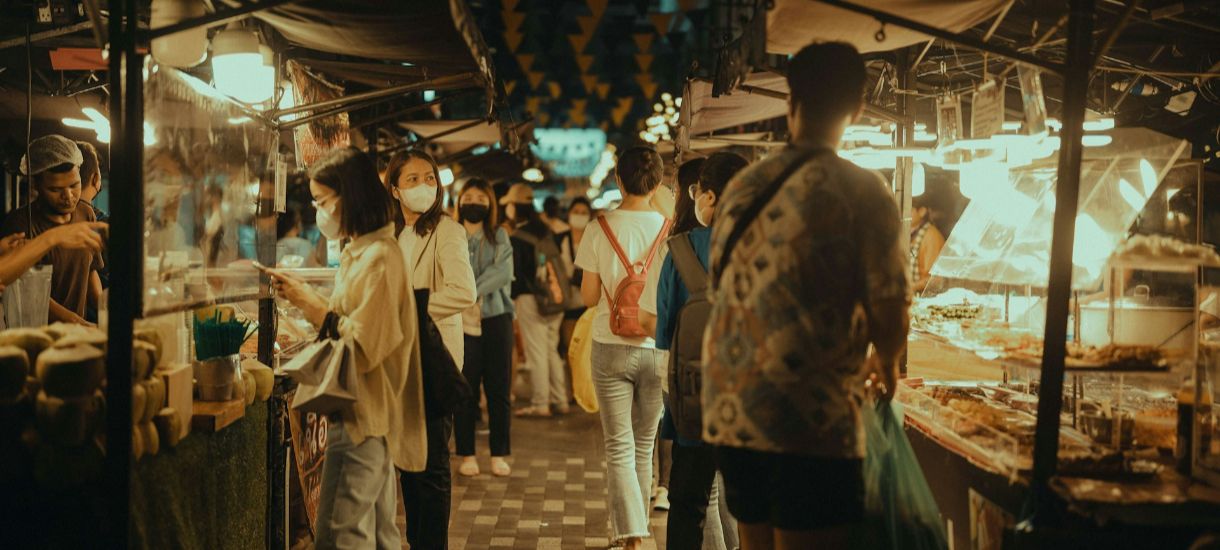
When you’re not sure, watch how the locals are shopping. If you hear them asking “tao rai?”, that means “how much?” See if they try to negotiate, or simply pay and leave.
Source: Unsplash
If you’re still unsure, ask, “Lot dai mai?” with a polite smile. This means, “Can you give me a discount?” If the answer is “yes,” then great, you can start bargaining. If it’s “no,” then it’s best to drop it and either make your purchase or walk away.