Based on 612 reviews



From the bustling streets of Hanoi to the serene waters of Ha Long Bay, and the ancient town of Hoi An to the dynamic city of Ho Chi Minh, Vietnam offers a diverse array of experiences in culture, history, and cuisine that cannot be found anywhere else. To filter the best activities for your luxury Vietnam tour from an ocean of options, we are here to shortcut the process and travel with you through unforgettable moments during the journey.
Create an itinerary that matches your interests. Put everything in place (a lot of effort going into this)
The Vietnam tour runs like clockwork including pickup, accommodation, guides, drivers, activities & transfers
The Vietnam trip that you always dream of. 100% Satisfaction Guaranteed









Our signature experiences allow you to discover the new land in a deeper and more special way. You’ll realize, the place you visit, not only has its own culture and history but also has its Sound, Soul, and Stories, guided by our experts. Those experiences, ranging from 2 hours and half-day to full-day, can be easily tailored to best suit your preferences. Add them to your itinerary to make your travel more meaningful.




Exotic Voyages is terrific to work with - they set up a fantastic trip for my friend and me. Very well organized and responsive, and the guides we had were A+. The lodging was also wonderful.
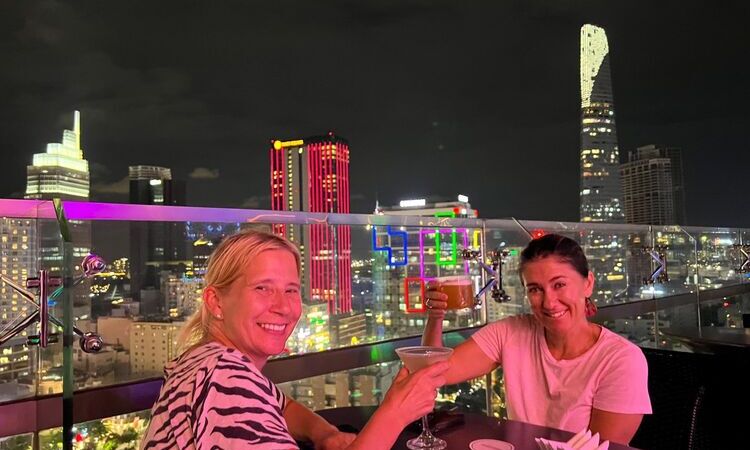
Exotic Voyages helped us organize a great trip to Vietnam! Travel designer Giang Nguyen was so helpful and meticulous in her communications and oversight of our trip. She helped us build an itinerary ...

What a great trip! Every step of the way was accounted for. Also, we wanted to make some changes along the way and Jenna could not have been more helpful. The guides and drivers were all ...

We had a wonderful 5 Day Southern Vietnam tour. Our tour guide Vinh is simply great. He goes out of his way to ensure that we truly enjoy our trip. Food is so delicious. Hotels are great too.

I can’t say enough good things about the trip, start to finish. Judy Tran doesn’t just plan a trip — she runs it, and she’s there for you the entire way through.

My husband and I have just returned from our trip throughout Vietnam, and thanks to Exotic Voyages, it was an absolutely amazing experience. Judy (Thuy Tran) helped us plan our Vietnam trip, and ...

When I see all of these 5-star reviews for Exotic Voyages, I think “It can’t be true. How can anyone be so good?” But, having recently completed our second adventure with EV, all I can say is ...

Beautiful trip to Vietnam with my daughter, planned by Sophiane (Huyen Trang) who was terrific!! Could t have been any better.

I recently returned from from my first solo vacation. Rose took my initial thoughts on what I was interested in doing in Vietnam and ran with it. I was very nervous about traveling by myself so far ...

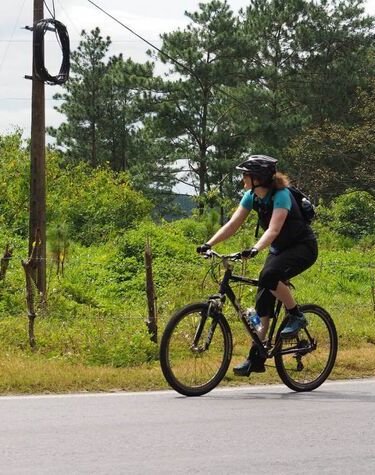
11 days tour in Vietnam with a couple of days in Hanoi, biking in Mai Chau, cruising on a night in Halong Bay and a few days relaxing in Da Nang (Nam Hai). Very well planned and organized trip, very ...
Our International Tour Operator & Travel License is 01-448/2011/TCDL-GPLLHQT, granted by Vietnam Tourism Administration Board. We have sent 10,000+ travelers across Asia and built strong partnership with foreign OTAs such as Kimkim, Travelstride,...
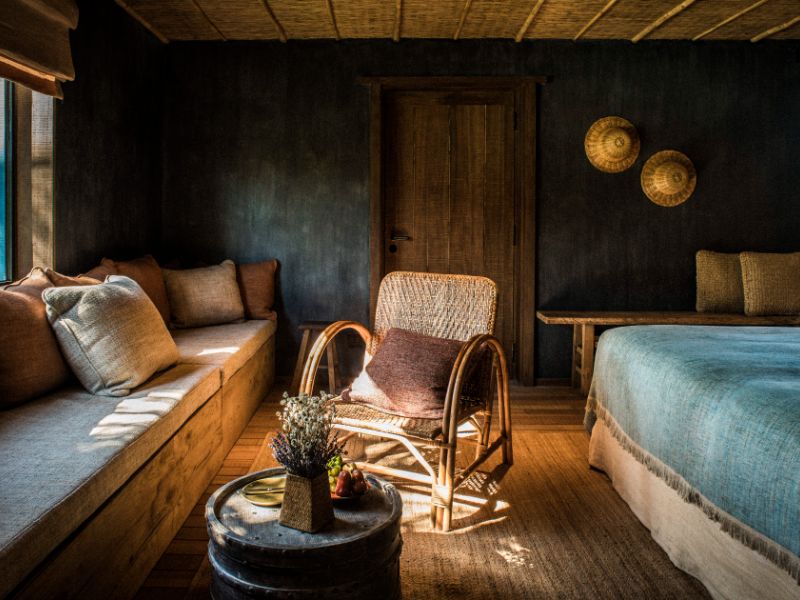
We prioritize supporting local businesses and sustainable properties. We also co-founded the first-ever 5-star eco resort in Northern Vietnam that has achieved prestigious international awards.
In our customers' words: "All of the activities Exotic Voyages recommended were great, and a handful were truly exceptional where we were the only westerners/tourists around. "
With EV guides, you shake hand when you meet and will be giving them hugs when you leave.
As we are running our own operation in Vietnam, you are getting the direct price from the source. Say goodbye to third-party commission or referral fee.
All of our staff live and travel extensively throughout Vietnam and its neighboring countries, we offer you the insider knowledge.
We are on-top of managing all logistics for your trip. Safe, on time & high quality vehicles, drivers and guides will be with you throughout.
Customer satisfaction is our bloodline. If you are not satisfied with us, we will work with you to make it right!
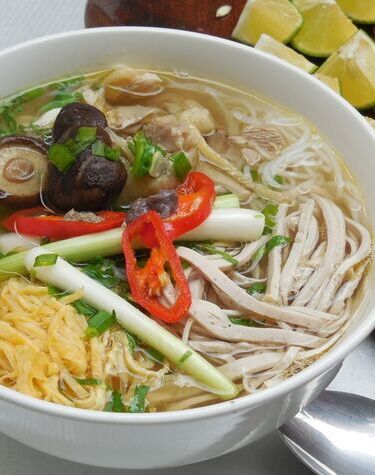
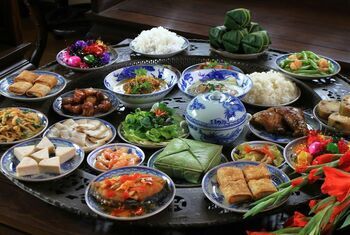
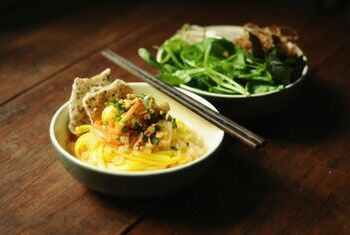
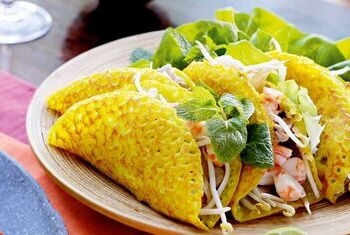
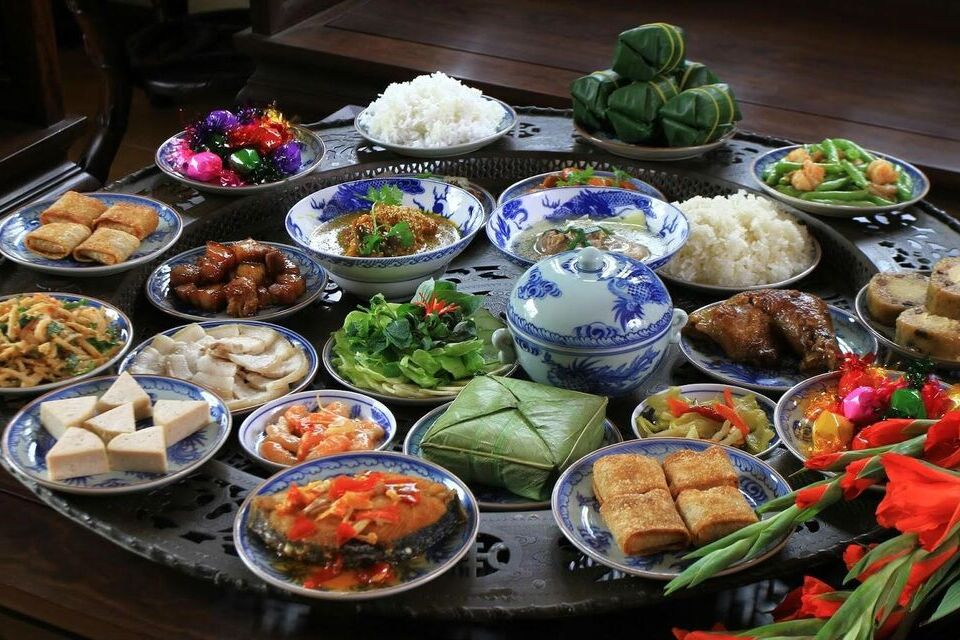
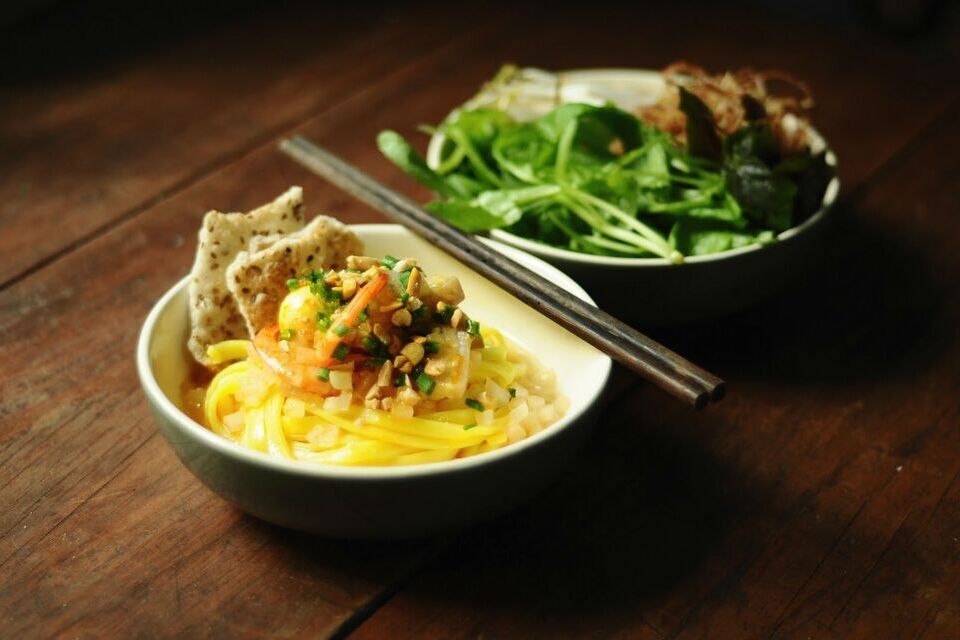
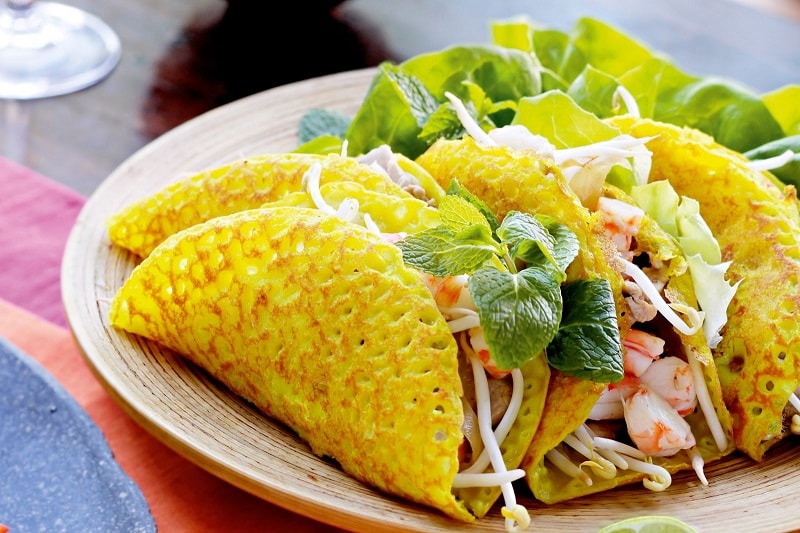
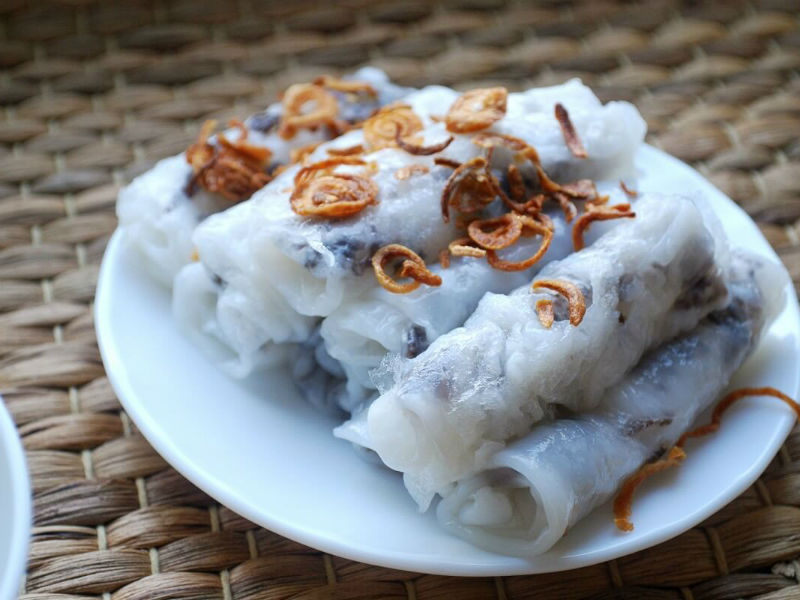
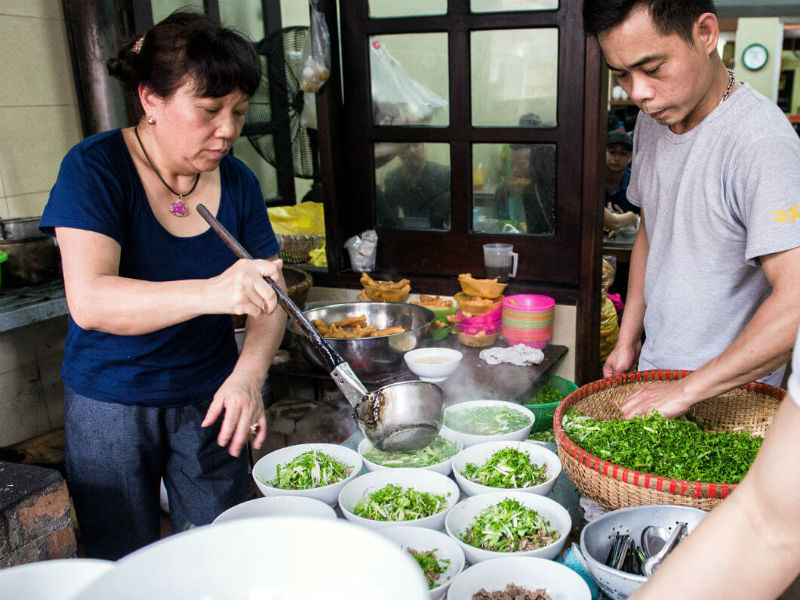
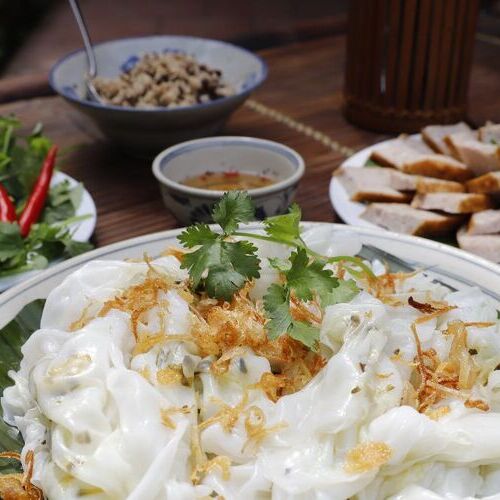
Great food makes people happy. Surely, you will have the happiest moment when traveling to Vietnam where you cannot escape from the heaven of street food: banh mi, Vietnamese pho, Vietnamese hot pots,... Find out more about delicious things in the full list of 15 best experiences in Vietnam.
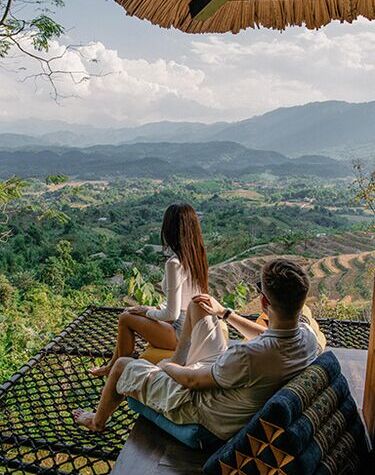
The area that surrounds Sapa unquestionably offers tranquility and beauty if that is what you're seeking. The deep valleys in the region offer some of the nation's most breathtaking rural vistas and several ethnic minorities presented in Vietnam, including the Red Dzao, Giay, and Hmong people. Also, you cannot miss out on conquering Fansipan Mountain, 'the Roof of Indochina'.
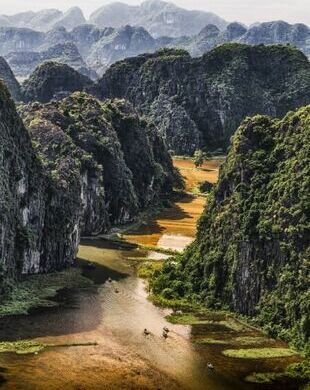
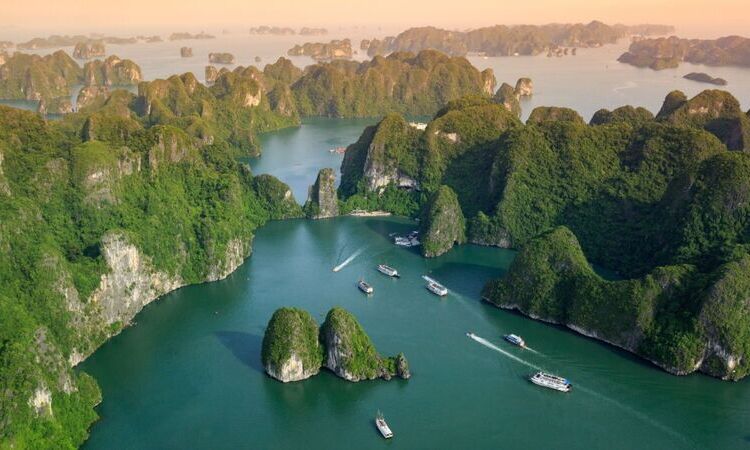
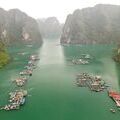
Halong Bay undoubtedly becomes one of the most unique places to visit in Vietnam. Thousands of thick limestone are layered side by side, creating a stunningly unique view while you are sailing on the well-known Halong Bay.
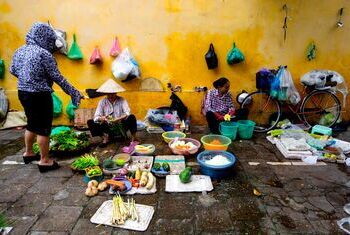
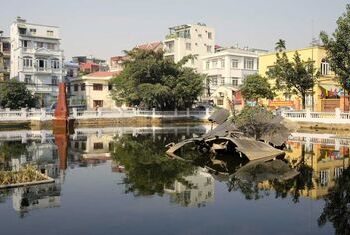
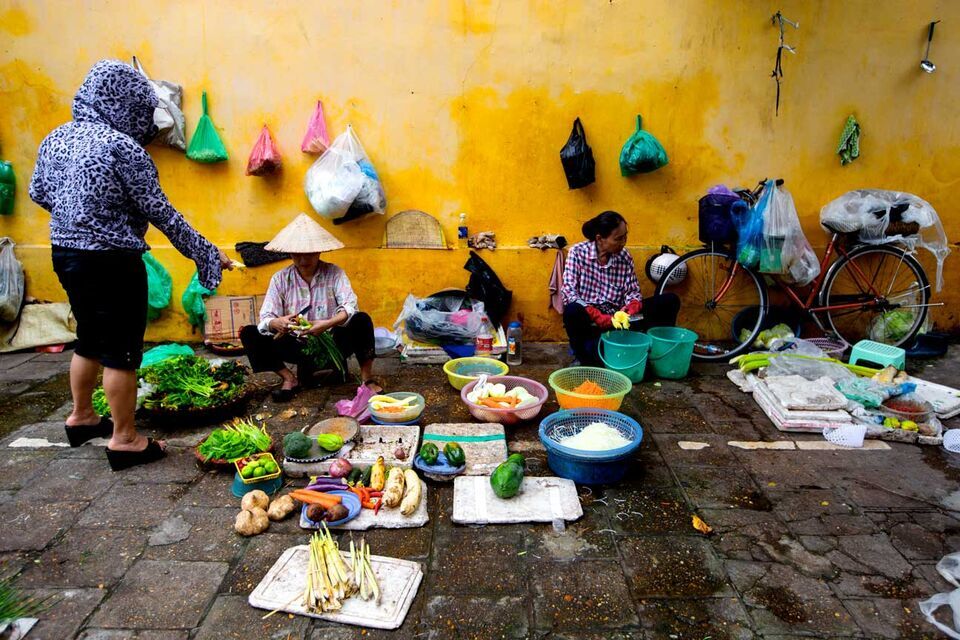
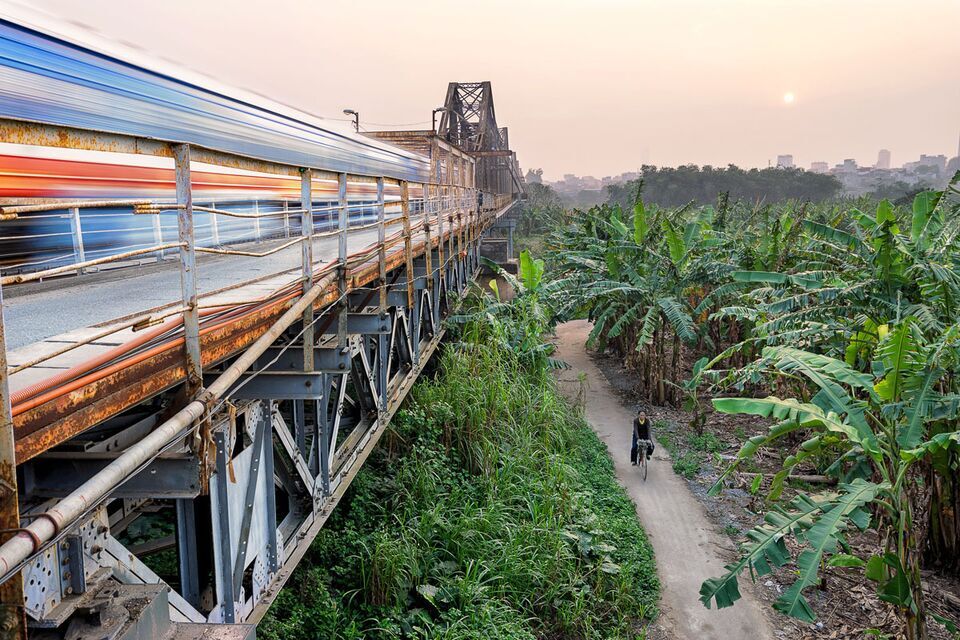
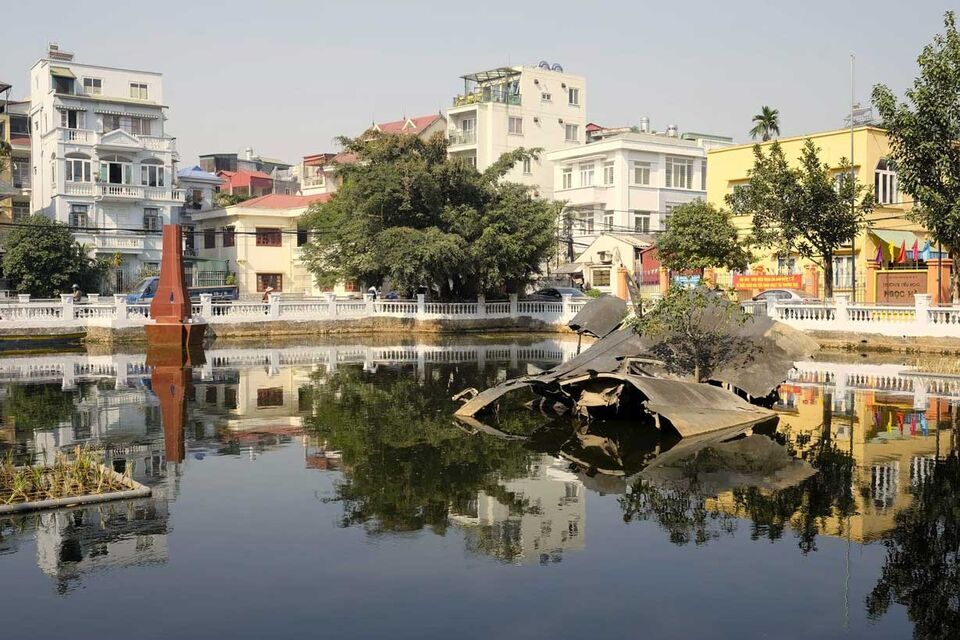
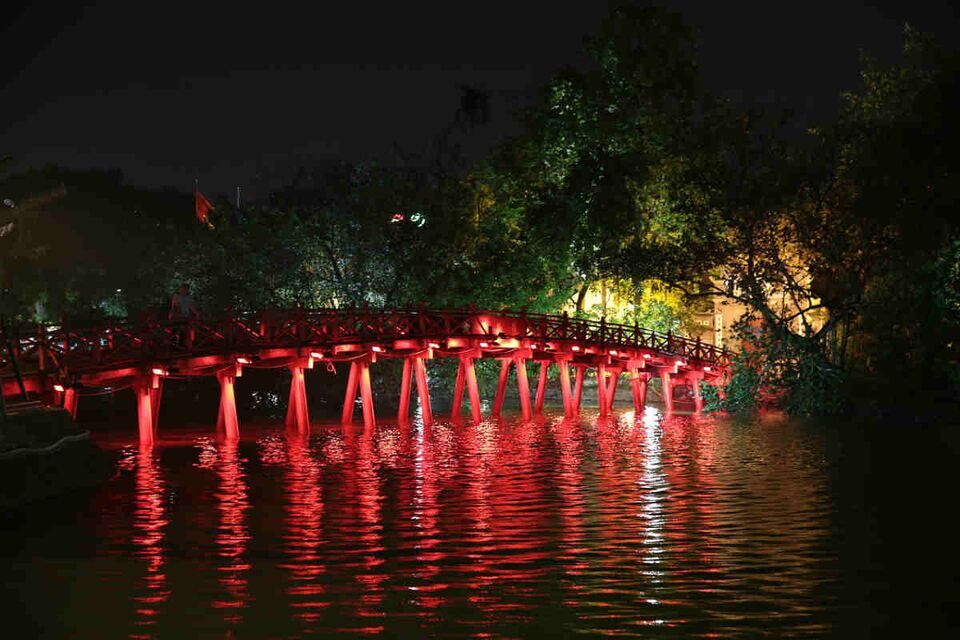
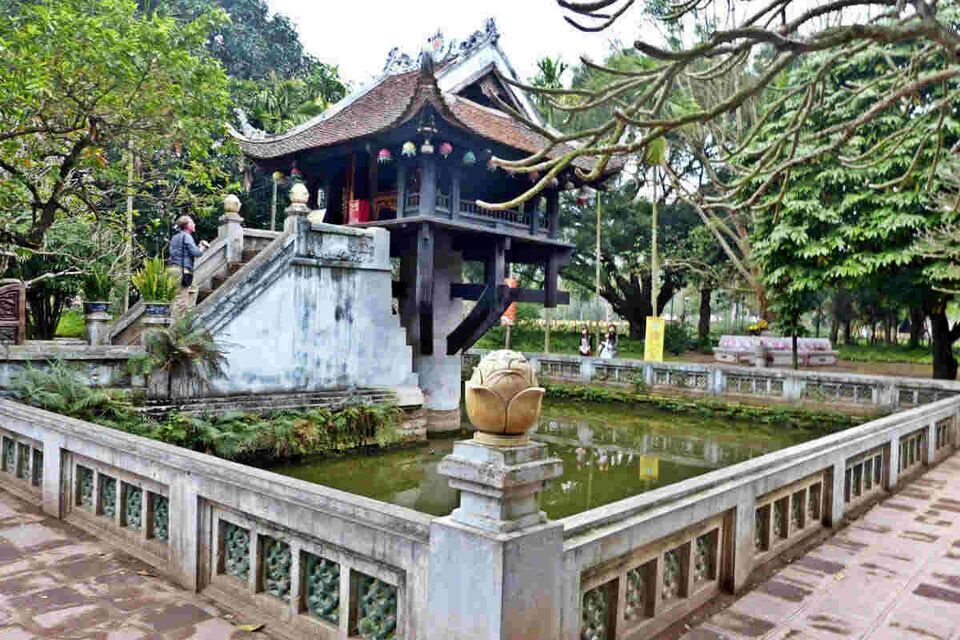
Hanoi is famous for the food, the busy streets, and the hospitable people. And of course, don’t forget to take a deeper look into the historical sites in Hanoi with the day tour around this bustling city.
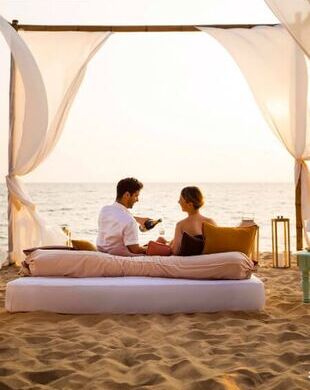
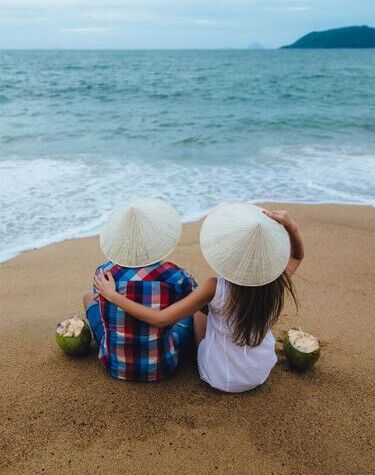
Danang - once an indigent area is transforming so quickly. Now, in this city, you can take advantage of both the romantic beaches and a variety of world-class luxury resorts in Vietnam.
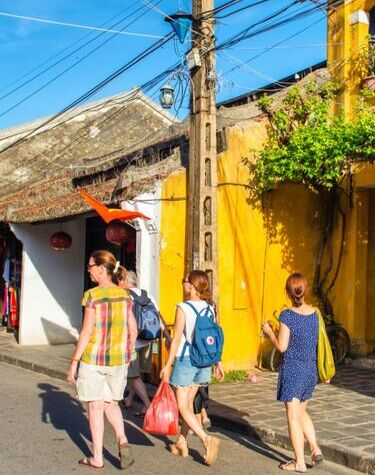
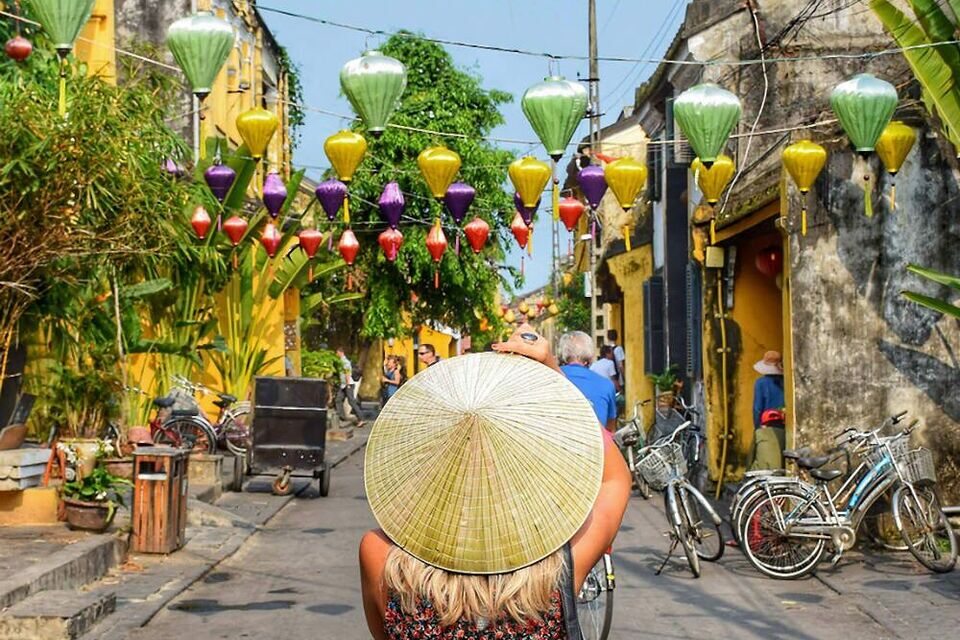
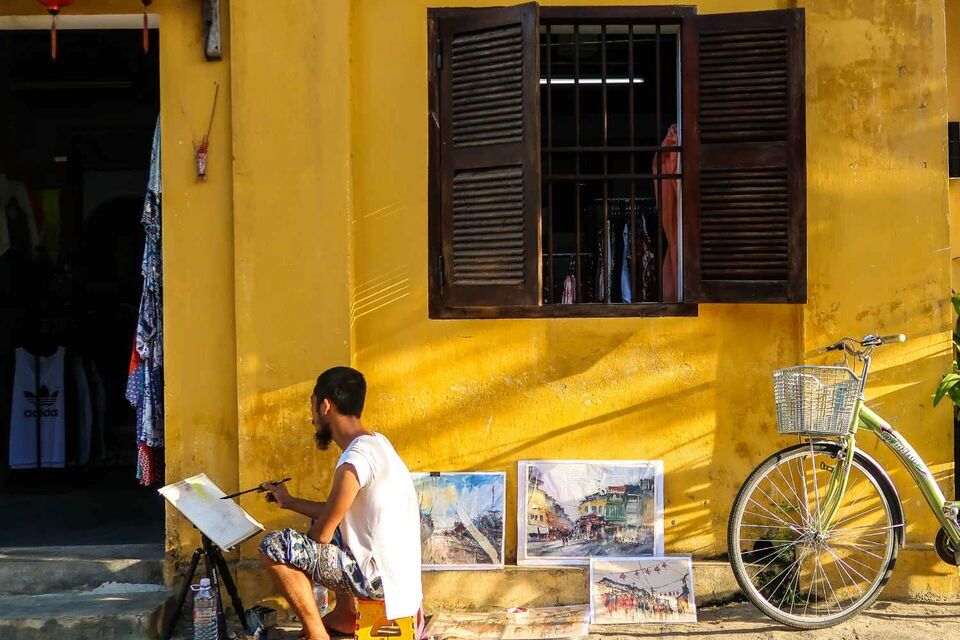
As the homeland of lanterns in all different colors and sizes, Hoi An sightseeing is not only renowned for its unique and intact architecture of temples, and pagodas but also for its tranquil rural Vietnamese sceneries. Several untouched communities that still retain their traditional beauty are waiting for you to discover.
Hue is known for its dreamlike scenery, which is a result of a variety of internationally renowned structures spread around its former capital, as well as its long history and culture. Taking a Hue walking tour to admire wonderful landscapes influenced by the Perfume River's beautiful curve is a must-activity that will make you fall in love with the serene vibe of the city.
Dalat can be gentle but also vigorous at the same time. Which one will you choose: enjoy a cup of coffee with a hill view or get ready for a wet and wild adventure such as white water rafting?
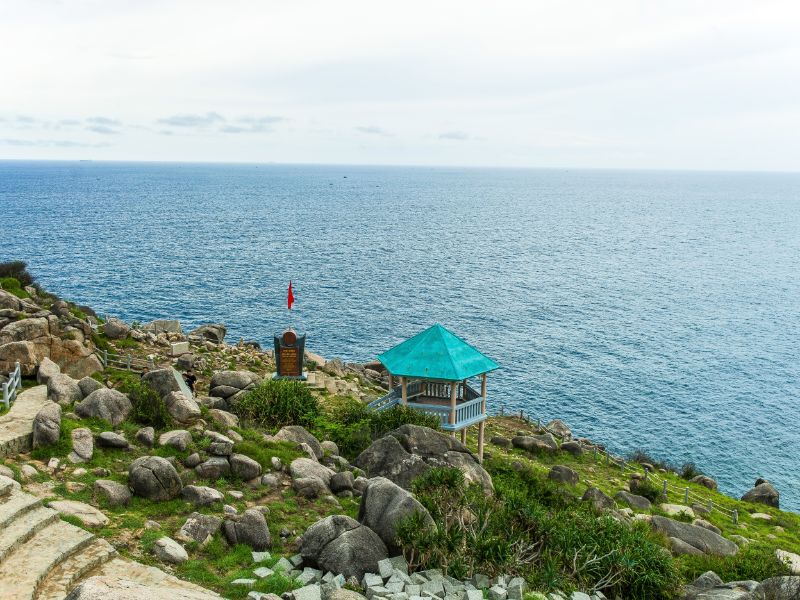
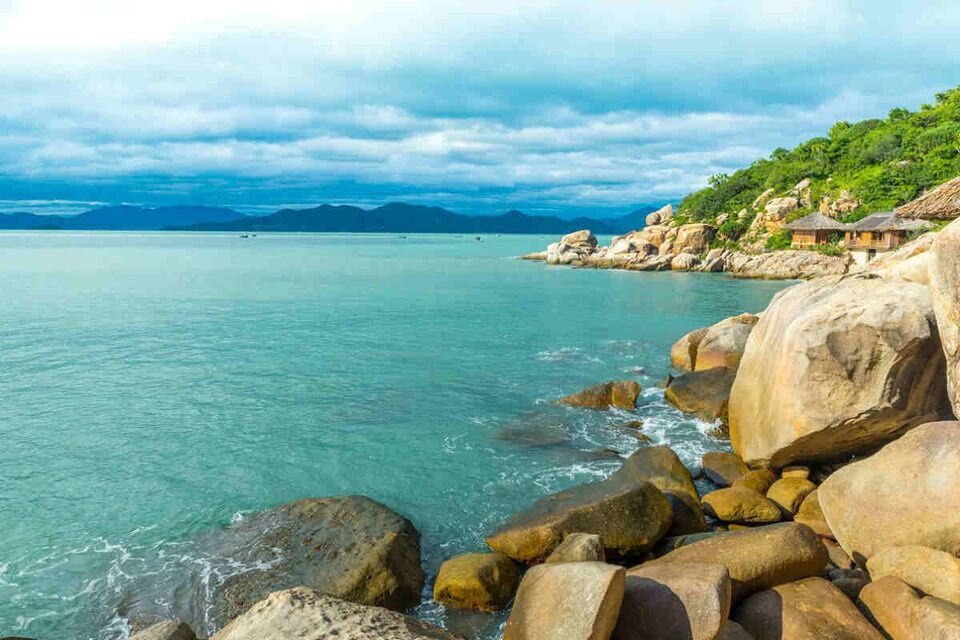
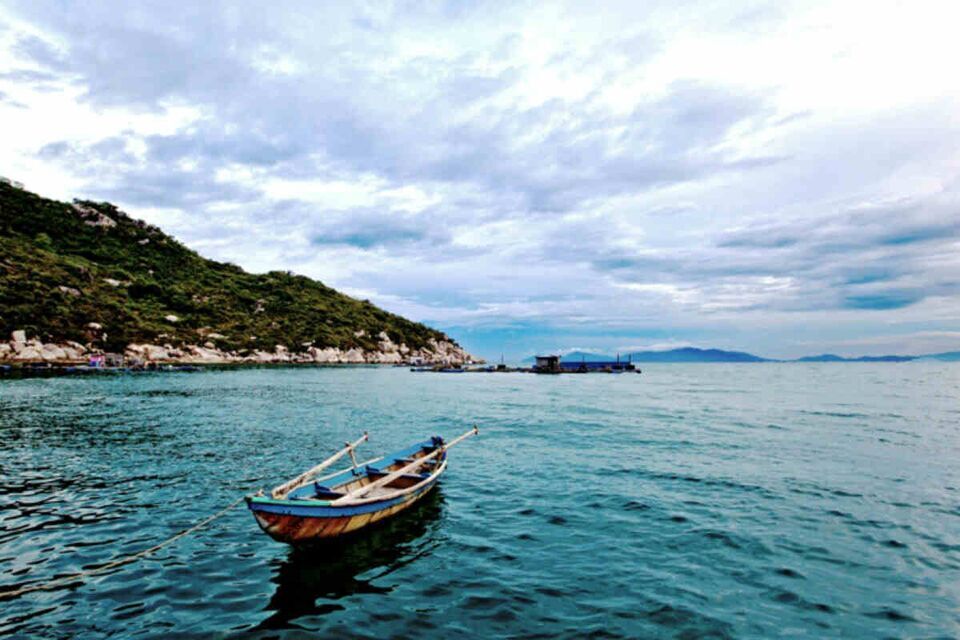
Already famous for beautiful beaches and luxury resorts in Vietnam, you cannot miss Nha Trang for its wonderful variation of seafood. And guess what? It is ridiculously inexpensive.
Different from the North, the lifestyle of the center of Southern Vietnam - Ho Chi Minh City is more “Western”. Take a Saigon bus tour to watch over the top attraction of the city in the morning but when the sun goes down, you are invited to crazy night parties and have so much fun.
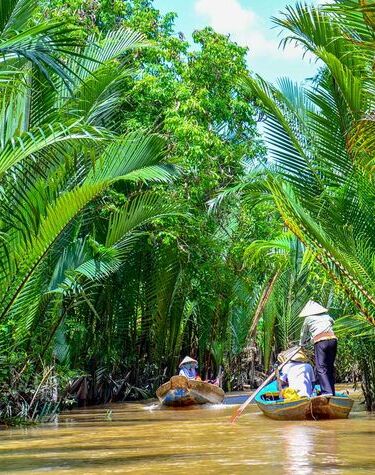
Mekong Delta is where the famous Mekong River finds its way to the sea. It is one of the most fascinating regions for travelers to discover, which includes chaotic floating markets, authentic local life, paddy field mangroves, and wonderful vistas. It is just simply beautiful.
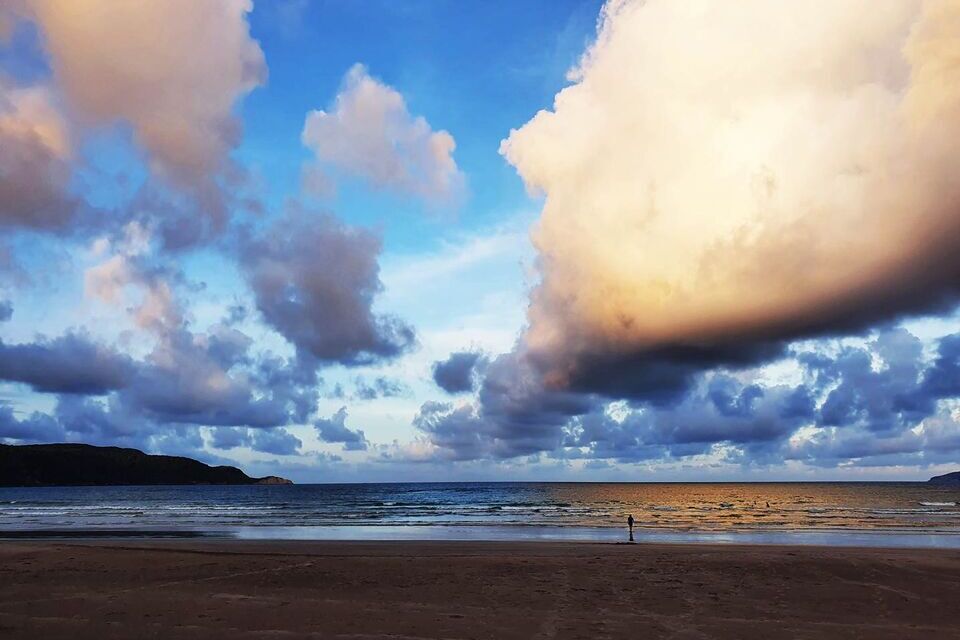
Phu Quoc is blessed with remarkable beauty, including some of Southeast Asia's most magnificent white-sand beaches, a deep blue sea, and a clear sky, as well as a tropical climate virtually the entire year. These features make the island the ideal destination for a beach vacation. Dive, snorkel, explore pristine woods on foot, stop in at charming fishing villages, or simply unwind on the private beaches of one of Phu Quoc's luxury resorts.
If you want to learn more, take a look at our Free Vietnam Ultimate Guides to have everything you want in hand just after a few minutes.